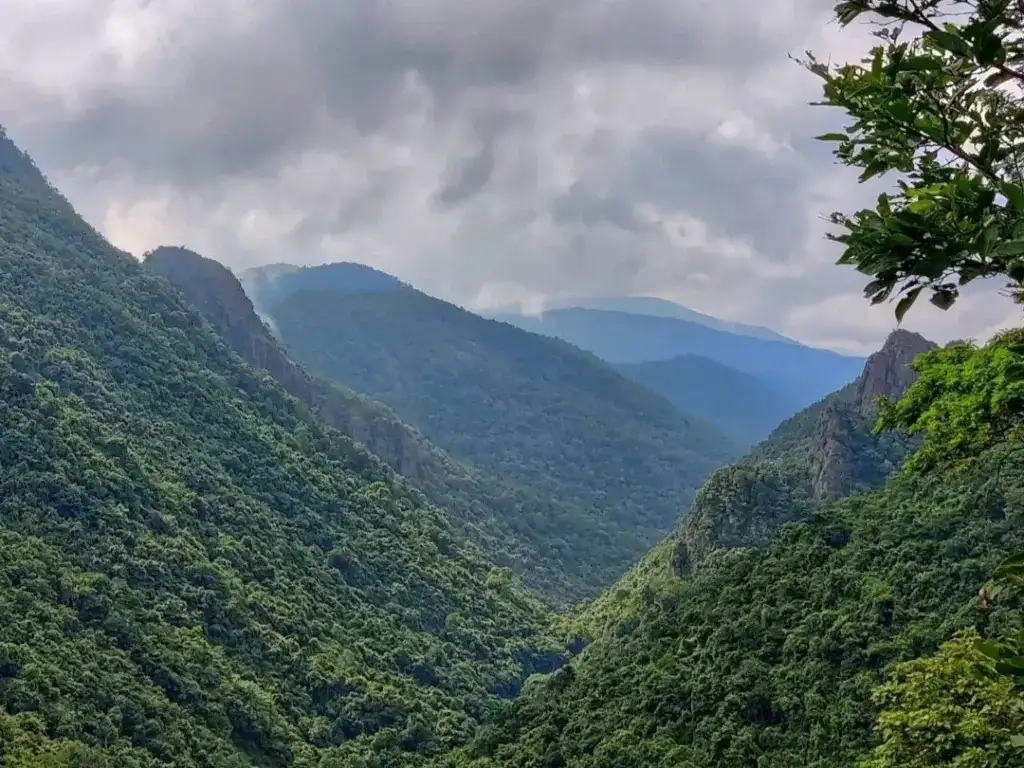
Silent Valley National Park Located in the Northeast corner of the Palakkad district in Kerala, Silent Valley is one of the last undisturbed tracts of South Western Ghats mountain rain forests and tropical moist evergreen forests in India. It is a core part of the Nilgiri Biosphere Reserve and remains one of the most ecologically diverse areas on the planet.
Where is Silent Valley National Park Located?
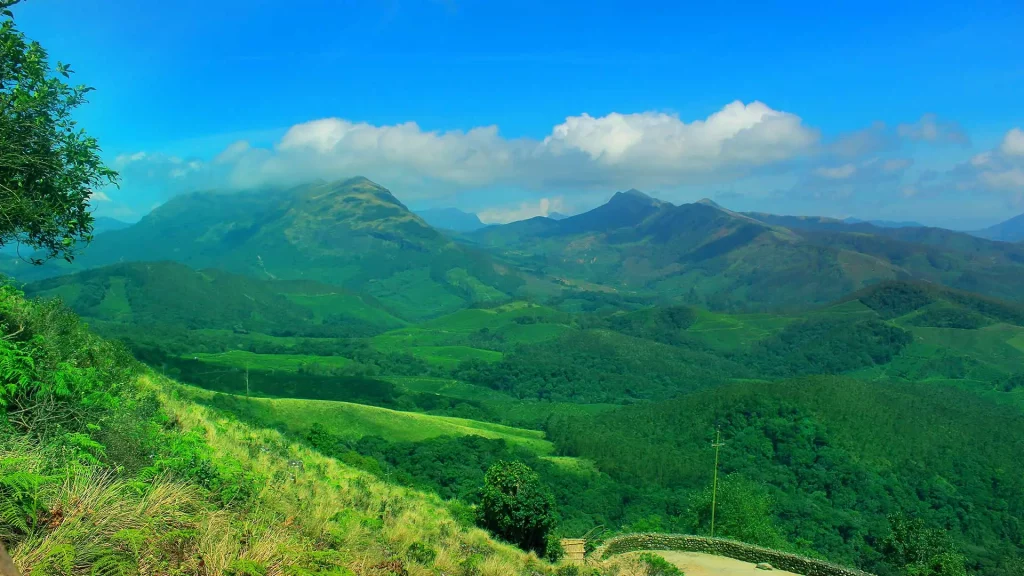
Silent Valley National Park is tucked away in the Kundali Hills of the Western Ghats. Administratively, it falls under the Palakkad district of Kerala, bordering the Nilgiris in Tamil Nadu. The nearest significant town is Mannarkkad, which is about 40 kilometers away.
The park is famous for being isolated. Unlike many other national parks in India that have highways running through them or villages dotted inside their boundaries, Silent Valley is a rectangular plateau shielded by high ridges on all sides. This geographical "fortress" is exactly why the forest remained untouched for so long. The closest you can get to the park by private vehicle is a small village called Mukkali, which serves as the base camp and the entry point for all visitors.
Why Silent Valley National Park is Special
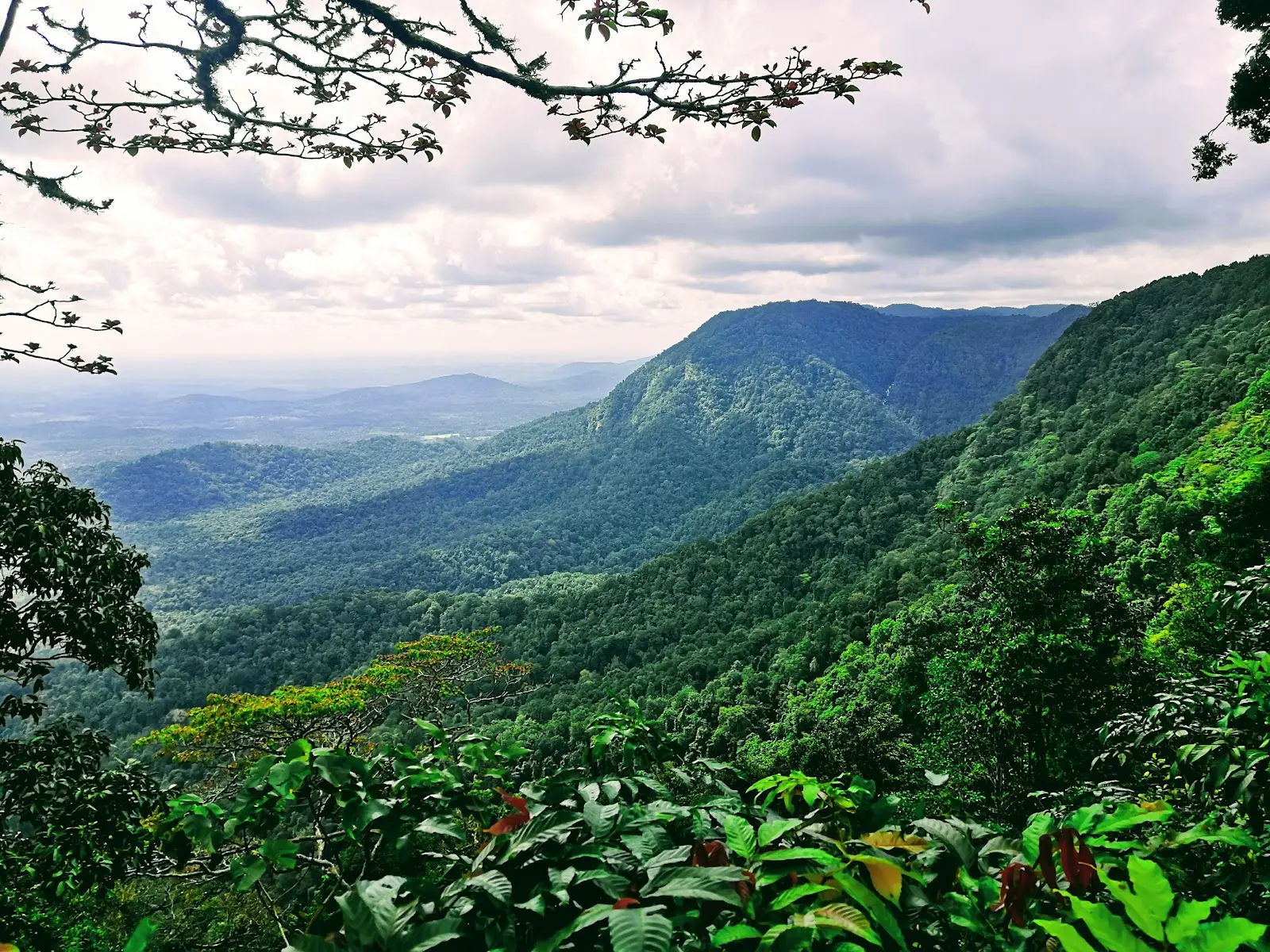
The first thing you notice when you enter Silent Valley is the sound or rather, the lack of a specific sound. Legend has it that the park got its name because of the perceived absence of Cicadas, the loud, buzzing insects found in almost every other tropical forest. While researchers have since found Cicadas there, the name "Silent Valley" stuck because of the oppressive, heavy silence that settles under the thick canopy.
A Living Laboratory
The park is a "biological island." Because it has been evolved over millions of years with very little human interference, it contains plants and animals that aren't found anywhere else. It isn't just a park; it’s a time capsule.
The Save Silent Valley Movement
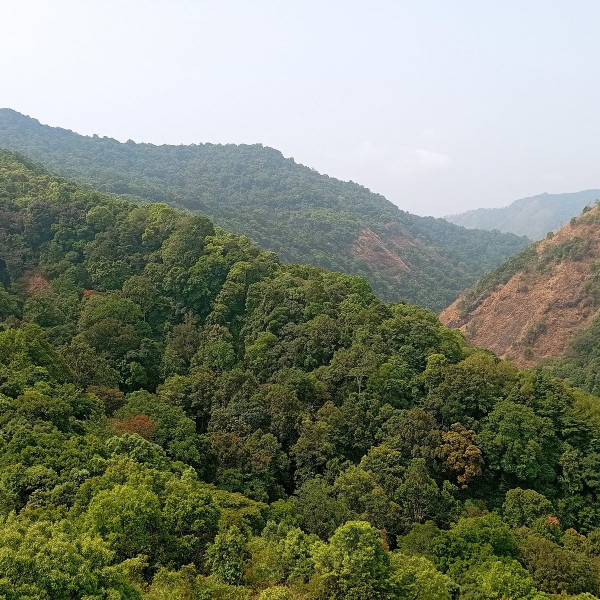
You cannot talk about this park without mentioning its history. In the 1970s, there was a plan to build a hydroelectric dam on the Kunthipuzha River, which flows through the heart of the valley. This sparked one of the most famous environmental movements in Indian history. Thousands of people protested to save the Lion-tailed Macaque and this unique ecosystem. The protesters won, the project was scrapped, and the park was officially declared a National Park in 1984. Every tree you see there today stands because people fought for it.
Best Time to Visit Silent Valley National Park
The weather here is tropical, meaning it is mostly warm and humid, but the forest creates its own microclimate.
- September to March (The Best Time): This is the ideal window. The monsoon has ended, leaving the forest incredibly lush and the waterfalls full. The temperature is pleasant, ranging from 15°C to 25°C.
- April to May (Summer): It gets warmer, and the forest can feel quite humid. However, this is often a good time for birdwatching as the canopy is slightly less dense and animals frequent the water sources.
- June to August (Monsoon): Silent Valley receives some of the heaviest rainfall in India. The park often closes or becomes inaccessible during peak rains due to leeches and the risk of landslides. Travel is difficult, and the forest is at its most aggressive.
How to Reach Silent Valley National Park
Getting here requires a bit of planning because it is not on a main transit route.
By Train
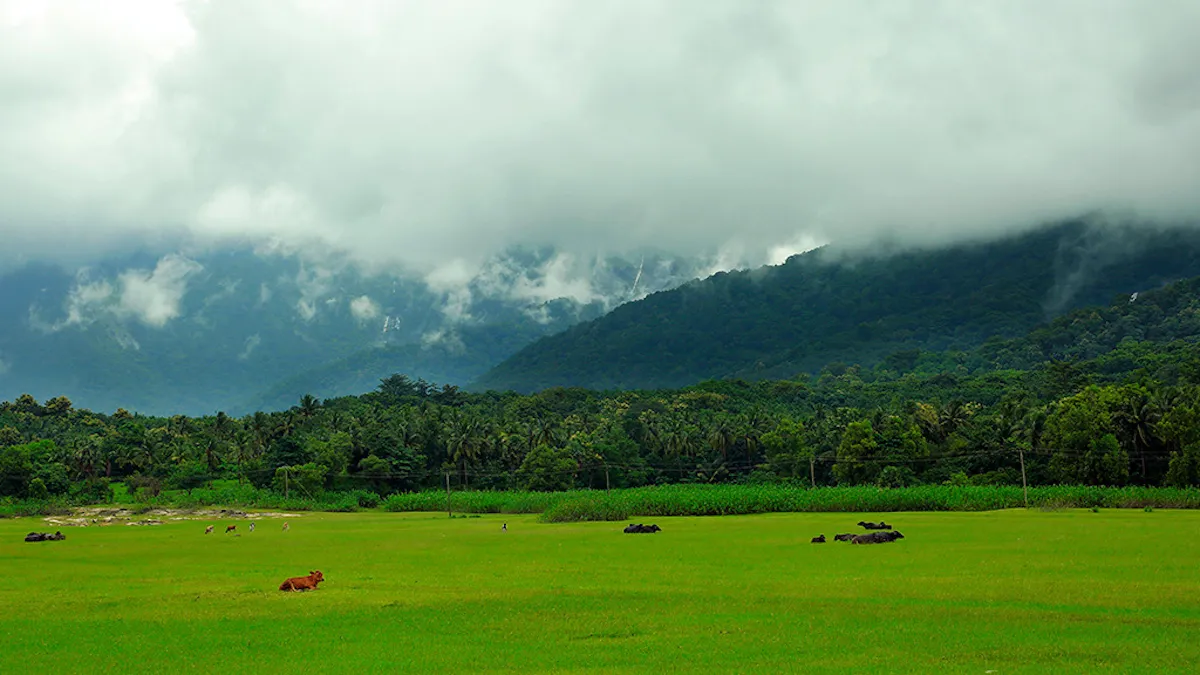
The nearest major railway station is Palakkad Junction (PGT), located about 60 kilometers from Mukkali. From the station, you can take a local bus or hire a taxi to Mannarkkad, and then proceed to Mukkali.
By Air

The closest airport is Coimbatore International Airport (CJB) in Tamil Nadu, which is about 90 kilometers away. You can hire a cab directly from the airport to Mukkali, which takes about 3 hours. Alternatively, Kochi (COK) is about 160 kilometers away.
By Road
If you are driving, you need to reach Mannarkkad first. From Mannarkkad, the road winds up into the hills toward Mukkali. The roads are generally in good condition, but they are narrow with several hairpin bends.
Note on Last-Mile Travel: You cannot take your own vehicle or a private taxi inside the National Park. You must park at the Mukkali Forest Office and use the official forest department jeeps to enter the core area (Sairandhri).
Entry Permits, Timings & Visitor Rules
Silent Valley is strictly regulated to protect the environment. You don't just "show up" and walk in.
- Timings: The park is usually open for visitors from 8:00 AM to 1:00 PM. This means you must reach Mukkali in the morning to catch a jeep.
- The Permit Process: You obtain permits at the Wildlife Warden’s office in Mukkali. It is first-come, first-served, and there is a limit on the number of vehicles allowed inside per day.
- Jeep Safaris: The forest department provides jeeps that take a maximum of 5 people. The trip from Mukkali to Sairandhri (the visitor point) takes about an hour one way through thick forest.
- Restrictions: Plastic is strictly prohibited. You are expected to bring back everything you take in. Alcohol and smoking are banned. Loud noises or playing music will get you reprimanded by the forest guards.
Flora and Fauna of Silent Valley
Don't expect the "Big Five" safari experience. The wildlife here is shy and hidden in the dense undergrowth.
Mammals
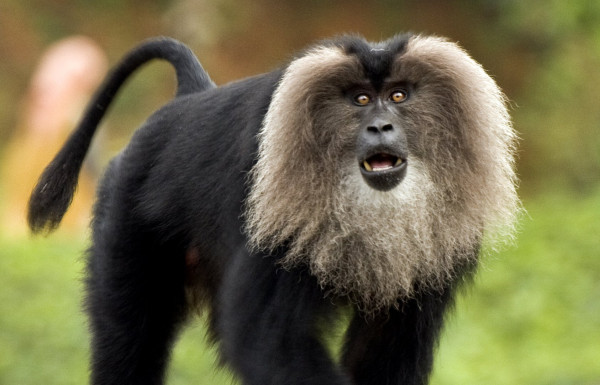
The superstar of Silent Valley is the Lion-tailed Macaque. It is one of the world’s most endangered primates. They have black fur and a silver-white mane around their faces. Spotting them requires patience and a bit of luck, as they stay high in the Cullenia trees. You might also see Nilgiri Langurs, Malabar Giant Squirrels, and occasionally, Elephants or Tigers, though the latter are very rare to spot in the thick brush.
Birds
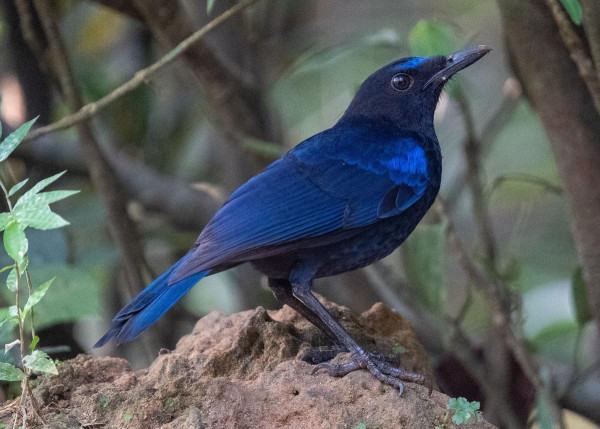
For birdwatchers, this is paradise. There are over 200 species here. Keep an ear out for the Malabar Whistling Thrush (known as the "Whistling Schoolboy") and look for the Great Indian Hornbill. The park is also home to various species of owls, including the Ceylon Frogmouth.
Plants
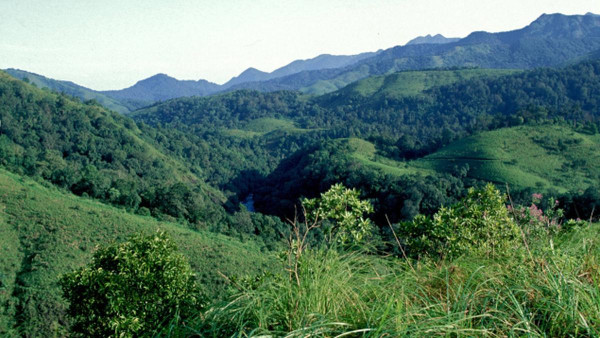
The flora is the real owner of this land. You will see massive teak, rosewood, and bamboo. The forest floors are covered in ferns and orchids. Many of the plants here have high medicinal value and are being studied by scientists globally.
Things to See and Do Inside the Park
Most visitors follow a specific route coordinated by the forest department.
- The Drive to Sairandhri: The 23-km drive from Mukkali to the Sairandhri watchtower is an experience in itself. The road is rough, and the canopy often blocks out the sun.
- Sairandhri Watchtower: Once you reach the end of the road, there is a tall watchtower. Climbing to the top gives you a 360-degree view of the entire valley. It is an ocean of green with no buildings or roads in sight.
- The Kunthipuzha River: A short trek from the watchtower leads down to the river. The water is incredibly clear and cold. There is a suspension bridge over the river where you can stand and listen to the water rushing over the rocks.
- Nature Walks: With a forest guide, you can take short walks around the designated visitor zone to identify different species of trees and insects.
Trekking and Eco-Tourism in Silent Valley
Trekking in Silent Valley is not about "summiting" a peak; it’s about immersion. The Kerala Forest Department organizes specific eco-tourism packages.
- Keerippara Trek: This is a popular day trek that takes you through various forest types. It’s relatively moderate and great for those who want to see the transition from evergreen to deciduous patches.
- Guided Treks: You are never allowed to trek alone. A local guide, often from the indigenous communities who know the forest intimately, will accompany you.
- Safety: Leeches are a major factor here, especially if it has rained recently. Wear leech socks or carry salt/tobacco to keep them away.
Silent Valley for Nature Lovers & Photographers
If you are a photographer, bring your macro lens. While landscape shots from the watchtower are beautiful, the real magic is in the details the moss on a tree trunk, the way light hits a fern, or a rare butterfly on a wildflower.
Tips for Photographers:
- Low Light: The canopy is very thick, so it can be quite dark even at midday. A tripod is useful, but check with authorities if you need a special permit for professional gear.
- Weather Protection: Even in the dry season, it can drizzle. Carry waterproof covers for your camera and lenses.
- Patience: Birds and macaques move fast through the high branches. You’ll need a long telephoto lens (300mm or more) and a lot of patience.
Places to Visit Near Silent Valley National Park
If you have an extra day, there are a few places nearby worth exploring:
- Attappadi: A large tribal block nearby. It is known for its unique culture and the hills of Malleswaram. It offers a different, more rugged landscape compared to the lush park.
- Kanjirapuzha Dam: Located about 40 km away, this is a beautiful spot for a quiet evening. It has a well-maintained garden and a view of the hills.
- Siruvani Waterfalls: Situated on the border of Kerala and Tamil Nadu, these falls are famous for having some of the "sweetest" water in the world.
Where to Stay Near Silent Valley National Park
Accommodation options are somewhat limited, which helps keep the crowds away.
- Forest Guest Houses (Mukkali): This is the best way to experience the area. The Forest Department runs guest houses at Mukkali. They are basic clean beds, simple vegetarian food, and no luxury but you are right on the edge of the forest. You usually need to book these in advance through the Kerala Forest Department website. if you don't want to do yourself you can do this with kerala tour package.
- Private Resorts: There are a few eco-resorts and homestays located between Mannarkkad and Mukkali. These offer more comfort and often arrange for local sightseeing.
- Mannarkkad: If you can't find anything at Mukkali, Mannarkkad town has several budget and mid-range hotels. However, staying here means a 1-hour drive to reach the park entrance in the morning.
Things to Know Before Visiting (Practical Tips)
- No Mobile Network: Once you leave Mukkali and head toward Sairandhri, your phone will likely become a paperweight. There is almost no signal inside the park. Inform your family beforehand.
- Food: There are no eateries inside the park. You should have a heavy breakfast at Mukkali and carry some water and light snacks. Just make sure you don't leave any wrappers behind.
- Clothing: Wear dull-colored clothes (greens, browns, greys) to blend in. Avoid bright reds or yellows which can disturb the wildlife. Good walking shoes with grip are a must.
- Leeches: I cannot stress this enough. If you go during or just after the rains, leeches will find you. They aren't dangerous, but they can be annoying. Leech socks are your best friend.
Who Should Visit Silent Valley National Park?
This park is for a specific type of traveler.
- Nature Lovers: If you find joy in looking at a 200-year-old tree or listening to the sound of a river, you will love it.
- Researchers and Students: The biodiversity is a goldmine for anyone studying botany or zoology.
- The Quiet Seeker: If you want to escape the noise of Indian cities and "unplug," there is no better place.
Who should skip it? If you are looking for a party atmosphere, loud music, luxury amenities, or guaranteed "big animal" sightings, you might find Silent Valley "boring." It is a place of subtle beauty, not high-octane thrills.
Is Silent Valley National Park Worth Visiting?
In a word: Yes. But it is worth it only if you respect it. It is one of the few places left in India where nature is the boss and humans are just temporary guests. The air is cleaner than anything you've ever breathed, and the water in the Kunthipuzha is as pure as it gets.
When you stand on the Sairandhri watchtower and look out over the vast, unbroken canopy, you realize that this is what the Earth looked like before we started changing it. That perspective alone makes the journey to this remote corner of Kerala worth every kilometer.
Final Thoughts on Responsible Tourism
Silent Valley is a fragile ecosystem. When you visit, remember that your presence has an impact. Stick to the designated paths, don't feed the animals, and keep your voice down. The goal of visiting Silent Valley shouldn't be to "see everything," but to experience the stillness of a world that has remained unchanged for millennia.
