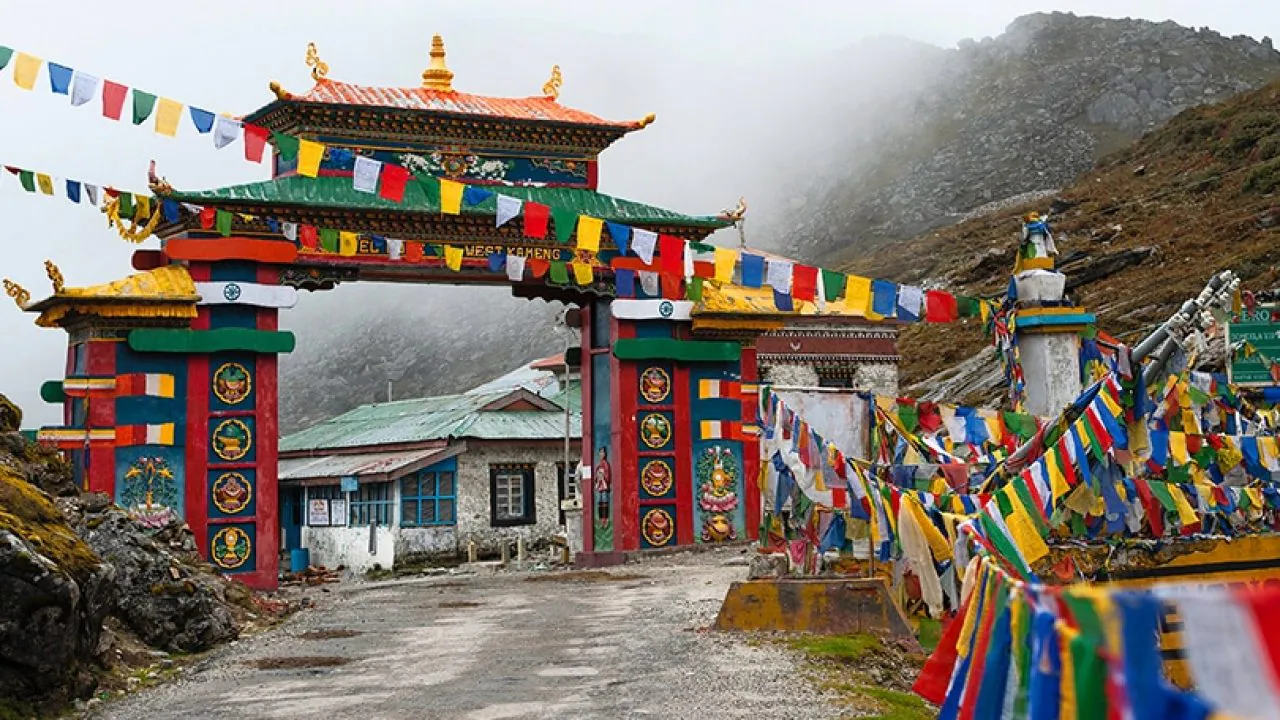
Discover Amazing Arunachal Pradesh
Explore Arunachal Pradesh, the "Land of Rising Sun" with pristine valleys, snow-capped peaks, and vibrant tribal culture. Discover Tawang's monasteries, Ziro's music festivals, and diverse wildlife. Experience adventure trekking, river rafting, and authentic tribal traditions in India's northeastern
About This Destination
There are places you travel to, and then there are places that redefine your understanding of the world. Arunachal Pradesh, the farthest reach of India's Northeast, falls squarely into the latter category. It is a land wrapped in cloud-shrouded peaks, echoing with the sounds of ancient tribes, and painted in the hues of endless, pristine greenery.
Its very name, "Land of the Dawn-Lit Mountains," hints at its magic: it's the first place in India to greet the sun. But beyond the majestic sunrise, Arunachal is a tapestry woven from myth, monastery silence, high-altitude adventure, and a fierce, vibrant cultural heritage unlike any other region on the subcontinent.
This is not a destination for the hurried tourist; it is a pilgrimage for the seeker of silence, the student of culture, and the lover of untamed landscapes. This is the guide to unlocking the heart of India's most mystical state.
The Cultural Nexus: More Than Mountains, A Mosaic of Tribes
Arunachal Pradesh is often cited as the most ethnically diverse state in India, boasting over 26 major tribes and more than 100 sub-tribes, each with its own distinct language, dress, rituals, and belief systems. This incredible human tapestry is the true soul of the region.
The Zen of the Monpa People
The western districts, particularly the Tawang region, are dominated by the Monpa people, whose lives are deeply interwoven with Tibetan Buddhism. Their culture is gentle, spiritual, and artistic.
Tawang Monastery: This is the spiritual crown of Arunachal Pradesh. It is not just a building; it is the Largest Monastery in India and one of the most important centers of Vajrayana Buddhism outside Lhasa. Perched on a massive hill, overlooking the Tawang Chu valley, the sheer scale and the palpable tranquility inside the main prayer hall are overwhelming. The atmosphere is thick with the scent of incense, the deep resonance of gongs, and the low, continuous chanting of the monks a perfect sanctuary for reflection.
- The Arts: The Monpas are known for their exquisite craftsmanship, particularly their wood carvings, Thangka paintings, and their unique paper-making process derived from the Shugu bark, a tradition preserved through generations.
The Harmony of the Apatani Valley
Moving into the central region, the Ziro Valley presents a profound contrast. Home to the Apatani tribe, this valley is a UNESCO World Heritage Site contender, not for its temples, but for its unique relationship between humanity and nature.
- Sustainable Agriculture: The Apatanis practice a distinctive form of Sustainable Agriculture where wet rice cultivation thrives alongside fish farming, all managed without the use of plows or cattle. Their integrated farming system is a testament to ingenious ecological management.
- Aesthetic Identity: The traditional dress, particularly the distinctive facial tattoos and nose plugs once worn by the Apatani women, defines their aesthetic identity and speaks to a proud, isolated heritage.
The Warriors of the Eastern Frontier
Further east, toward the frontier areas, the cultures shift, becoming more tied to shamanic beliefs and a warrior past. Groups like the Nocte and Wanchos maintain strong traditions rooted in animism and a deep respect for the forest spirits, offering fascinating insights into pre-modern Himalayan life.
The Land of Extremes: Pristine Wilderness and High Passes
Arunachal’s landscape is a relentless geography of extremes—from sub-tropical rainforests at lower altitudes to glacial plateaus near the China border.
The Himalayan Heights: Sela Pass and Beyond
The journey to Tawang is itself a sacred experience, culminating at the Sela Pass.
- The Sela Pass: Situated at an altitude of 13,700 feet, Sela is more than just a mountain crossing; it is a place of ethereal beauty, almost perpetually blanketed in snow and mist. The centerpiece is the stunning, sapphire-blue Sela Lake, which remains frozen for much of the winter. Driving over this pass feels like entering a different world—a landscape sculpted by wind, ice, and sheer altitude.
- The Glacial Lakes: The region is dotted with numerous high-altitude lakes, considered sacred by the locals. Visiting these lakes, often requiring a short hike, offers solitude and magnificent views of the snow line.
The Green Lungs: Biodiversity Hotspot
Moving to the lower and eastern parts of the state, the land plunges into dense, tropical rainforests, making it a globally recognized Biodiversity Hotspot.
- National Parks: Places like Namdapha National Park are crucial conservation areas, representing one of the few places in the world where one can find four major cat species (Tiger, Leopard, Snow Leopard, and Clouded Leopard). The sheer density of flora and fauna, from exotic orchids to rare mammals, speaks to the state's ecological wealth.
- Orchid Paradise: Arunachal is famously home to over 500 species of orchids, many of them endemic. Dedicated research centers work to preserve this delicate floral heritage.
The Journey: Reaching the Untouched Frontier
Traveling to Arunachal Pradesh demands planning and patience, rewarding the traveler who is willing to take the long road. This isn't a state you fly in and out of easily; it's a destination you must earn.
Permits and Gateways
Due to its sensitive border location, foreign nationals require a Protected Area Permit (PAP), and domestic tourists need an Inner Line Permit (ILP). This bureaucratic requirement, while adding a step, effectively protects the state from mass tourism, ensuring its pristine nature remains intact.
Access Points and Logistics
- By Air: The capital, Itanagar, is connected via the nearby Hollongi Airport (formally Donyi Polo Airport). Alternatively, the most common entry point is still the Guwahati Airport (Assam), where travelers often start their journey by road or rail.
- The Essential Road Trip: The best way to experience Arunachal is by road, allowing for gradual acclimatization and immersion into the shifting landscape. From Guwahati, the journey to the key areas like Tawang or Ziro is an adventure in itself, passing through lush river valleys and winding mountain roads. The sheer duration of the drive underscores the region's isolation and its untouched charm.
The Solitude: Why Arunachal is the New Spiritual Retreat
In an age where every quiet corner is quickly discovered and commodified, Arunachal Pradesh remains a sanctuary for the soul. The solitude here is profound, defined by silence, ancient traditions, and the overwhelming presence of the mountains.
- Disconnect to Reconnect: The mobile network is often patchy, especially in the high-altitude regions near Tawang. This lack of constant digital connection is, ironically, the greatest luxury the state offers forcing travelers to put down their devices and truly engage with the present moment and the company they keep.
- The Pace of Life: Life here moves at the rhythm of the mountains: slow, deliberate, and respectful of nature. It's a place to shed the urban hurry and relearn the art of patience.
- Cultural Sensitivity: Engaging respectfully with the various tribes, understanding their unique belief systems (whether Buddhist or animist), and witnessing their festivals offers an unparalleled cultural education. This is not passive viewing; it is active learning, reinforcing the need to preserve these last frontiers of ancient civilization.
Arunachal Pradesh is waiting not just to be seen, but to be deeply experienced. It is the destination for the traveler who believes that the greatest reward lies not at the end of the journey, but in the untamed beauty found along the most difficult path
Frequently Asked Questions
- 1. What is the best time to visit Arunachal Pradesh? October to April offers pleasant weather for travel.
- 2. Do I need a permit to visit Arunachal Pradesh? Yes, an Inner Line Permit (ILP) is required for all Indian visitors.
- 3. How can I reach Tawang? The nearest airport is in Guwahati, followed by a scenic drive via Bomdila and Dirang.
- 4. What are the main tourist places? Tawang, Ziro Valley, Bomdila, Sela Pass, and Namdapha National Park.
- 5. Is Arunachal Pradesh safe for solo travelers? Yes, it is safe with friendly locals and peaceful surroundings.
- 6. What local food should I try? Momos, Thukpa, Gyapa Khazi, and Apong rice beer.
- 7. How many days are enough to explore? 7–10 days are ideal to cover the major destinations.
- 8. What is the main culture of Arunachal Pradesh? The state has a strong Buddhist influence and diverse tribal traditions.
- 9. What kind of clothes should I pack? Warm layers, trekking shoes, and rain gear depending on the season.
- 10. Are there adventure activities? Yes, trekking, river rafting, camping, and wildlife photography are popular.
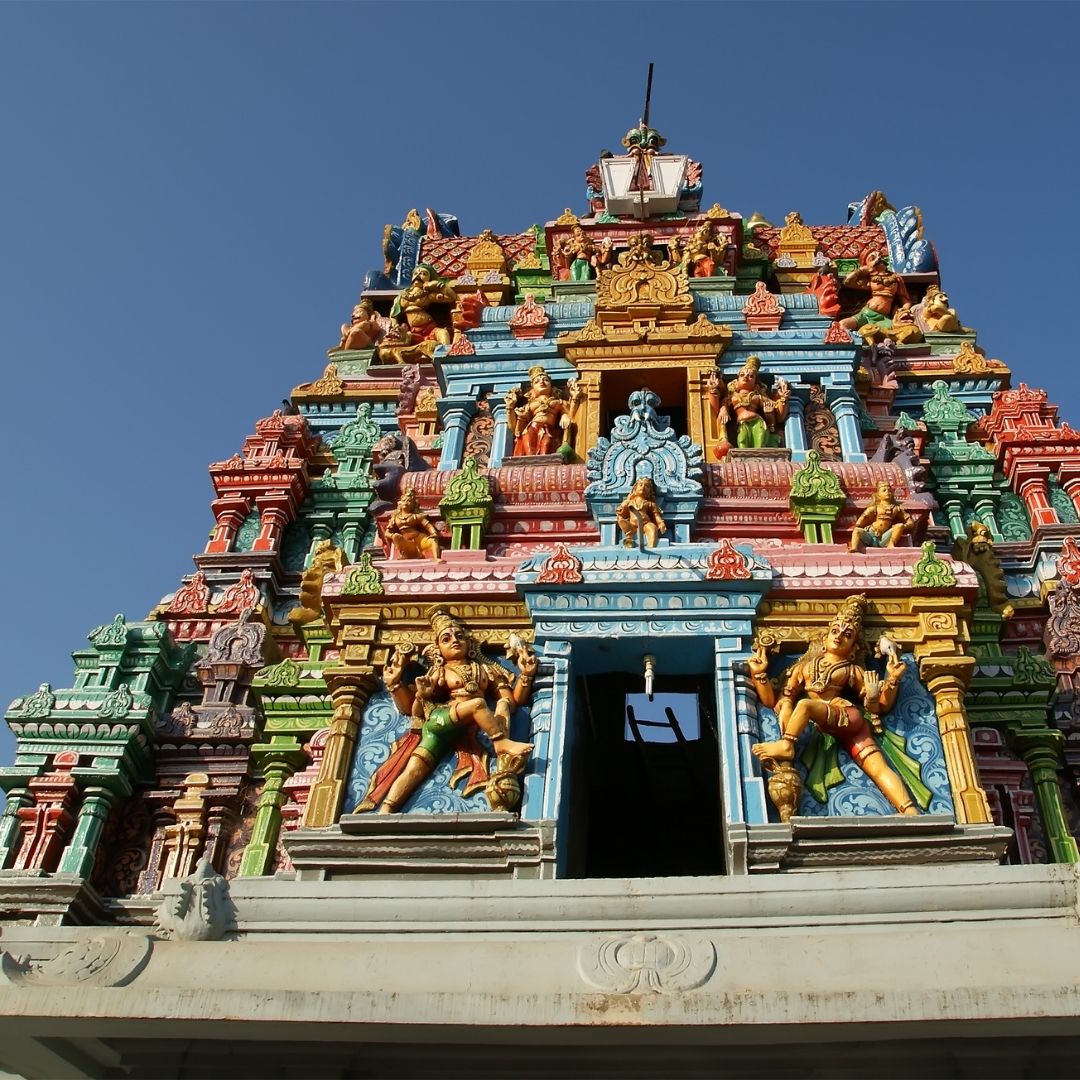
Top Things to Do & Activities in Arunachal Pradesh
Discover a world of unforgettable experiences and top activities at this destination! Whether you’re seeking adventure, cultural immersion, relaxation, or family fun, find the best things to do—from sightseeing and outdoor adventures to culinary delights, spiritual journeys, and local events. Enjoy every moment and make your trip truly memorable!
Popular City in Arunachal Pradesh
Explore our selection of popular packages in Arunachal Pradesh. Whether you're looking for a relaxing getaway, a family-friendly trip, or a solo adventure, we have the perfect package for you. Book now and experience the best of Arunachal Pradesh like never before!