Discover Amazing Tawang
The ideal time to visit Tawang is March–June and September–November when the weather is pleasant and skies are clear. These seasons are perfect for sightseeing, trekking, and exploring monasteries.
About This Destination
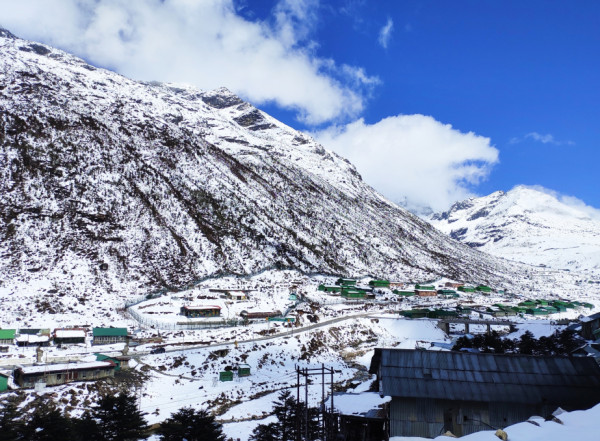
Tawang, perched high in the majestic Eastern Himalayas, is truly the Land of Dawn-Lit Mountains and a jewel of Arunachal Pradesh. This high-altitude town, nestled near the border with Bhutan and Tibet, offers a rare combination of profound spirituality, dramatic natural beauty, and a poignant historical legacy. It is a destination that captivates every traveler, drawing those who seek out the largest Buddhist monastery in India or the sheer adrenaline of a Himalayan high-altitude road trip.
This detailed guide is created to be the most helpful travel companion, ensuring you navigate the challenging logistics of the Eastern Himalayas without getting lost and experience the culture of the Monpa tribe at its most authentic. We focus on content that is consistently liked by travelers clear permit requirements, acclimatization advice, and a breakdown of the best high-altitude attractions.
How to Reach Tawang
Reaching Tawang is a multi-step journey that requires careful planning and typically involves an overnight stop due to the challenging mountain roads and high altitude. The journey itself is a crucial part of the Tawang experience, offering breathtaking scenery and demanding respect for the terrain.

Permits: The Essential Gateway
All Indian citizens must obtain an Inner Line Permit (ILP) to enter Arunachal Pradesh. Foreign nationals require a Protected Area Permit (PAP). Without the correct permit, entry is impossible.
- How to Obtain ILP: The ILP can be applied for online through the official Arunachal Pradesh government portal. Physical permits can also be obtained from the Deputy Resident Commissioner offices in major cities like Kolkata, Guwahati, and Tezpur.
- Bumla Pass Permit: A separate, special permit is required to visit the high-altitude Bumla Pass. This is usually obtained in Tawang town from the District Commissioner’s office and countersigned by the Indian Army. It is only issued to Indian citizens.
Nearest Airports
Tawang itself does not have an airport. The approach must be made via Assam.
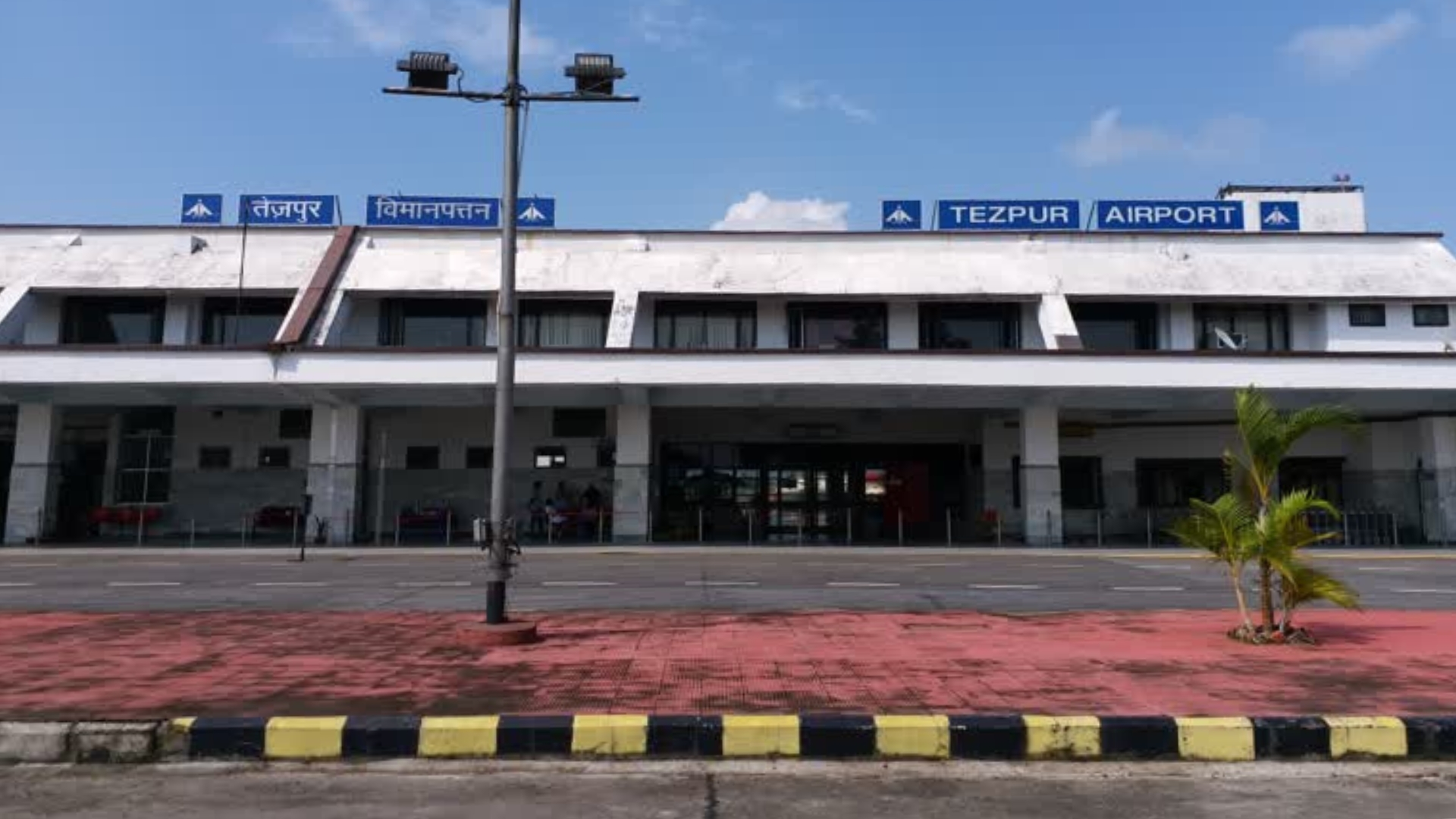
- Tezpur Airport (TEZ), Assam (Approx. 320 km): This is technically the nearest airport to Tawang. It offers flights from cities like Kolkata. The road journey from Tezpur to Tawang requires an overnight halt (usually in Bomdila or Dirang) and takes about 10-12 hours of driving time.
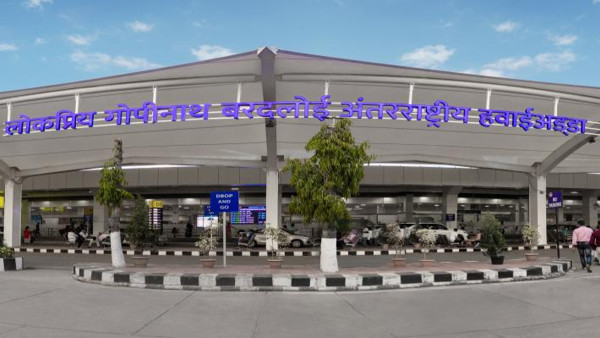
- Guwahati Airport (GAU), Assam (Approx. 480 km): Lokpriya Gopinath Bordoloi International Airport in Guwahati is the most connected air hub, offering flights from all major Indian cities (Delhi, Mumbai, Bengaluru, etc.). This is the most convenient airport for Tawang travel despite the longer road journey (14-16 hours driving time, requiring an overnight stop).
- Helicopter Service: The Arunachal Pradesh Helicopter Service operates from Guwahati to Tawang, subject to weather conditions and seat availability. This offers the fastest access but requires pre-booking and is often unreliable due to Himalayan weather volatility.
Nearest Railway Stations
Like air travel, the nearest railway stations are in Assam.
- Tezpur/Rangapara North Railway Station (RNP): This is the closest major railhead to the entry point of Arunachal Pradesh.

- Guwahati Railway Station (GHY): As the primary transport hub of the Northeast, Guwahati offers the best train connectivity to the rest of India. From either station, travelers must proceed by road.

By Road: The Epic Journey
The road journey is the backbone of the Tawang trip and features some of the highest motorable roads in India.
- Route: The standard route from Assam is Guwahati/Tezpur → Bhalukpong (entry check-post) → Bomdila (overnight halt) → Dirang (optional halt) → Sela Pass → Tawang.

- Acclimatization: Due to the rapid gain in altitude, it is strongly recommended to take an overnight break at a lower altitude town like Bomdila (approx. 8,500 ft) or Dirang (approx. 4,910 ft) before proceeding to Tawang (approx. 10,000 ft) to prevent acute mountain sickness (AMS). This advice is crucial for a safe Tawang trip.
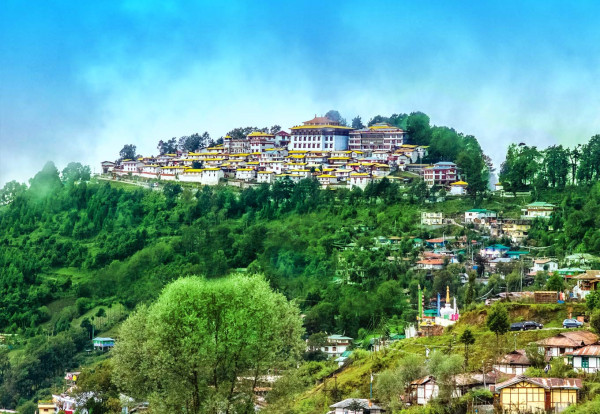
- Vehicle Hire: Shared taxis (Sumos/Boleros) and private hired cabs are the primary modes of transport from Tezpur or Guwahati. Self-driving is possible but requires experience with mountain terrain and permits.
Best Time to Visit: Weather and High-Altitude Wonders
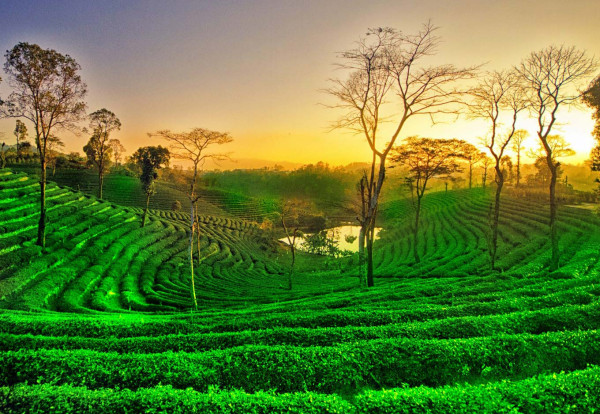
Choosing the right time to visit Tawang depends entirely on whether you prioritize lush views or pristine snow, as the weather is extreme.
Summer and Spring (April to June): The Blooming Beauty
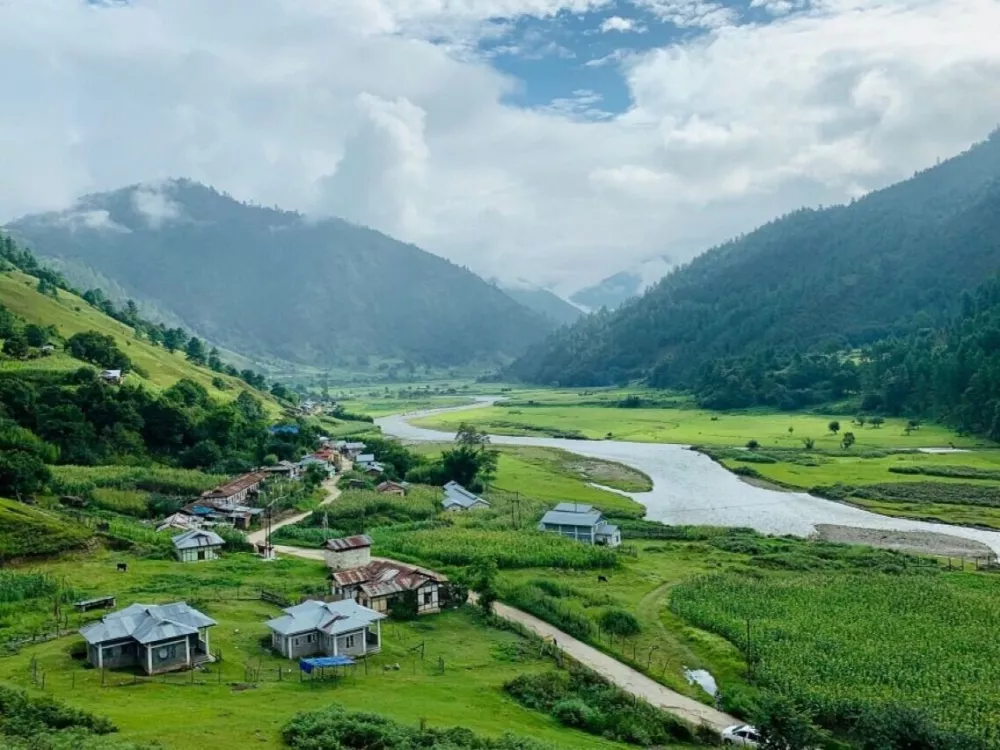
- What to Expect: The most popular time for clear views and pleasant weather. Daytime temperatures are mild, seldom exceeding 20°C. The mountains are vibrant green, and the hillsides are covered in blooming rhododendrons and wildflowers.
- Best For: Sightseeing, trekking, photography, and ideal road conditions. This is the best time to visit Tawang for trekking and clear mountain views.
Post-Monsoon and Autumn (September to October): Crisp Skies
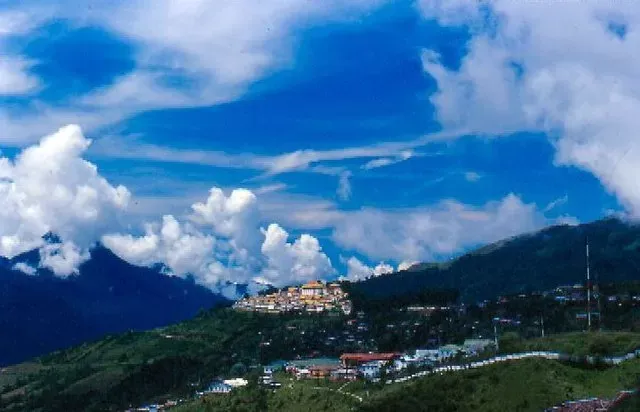
- What to Expect: The air is crisp and clear after the monsoon, offering the most unobstructed views of the towering peaks, including the mighty Gorichen Peak (the highest peak in Arunachal Pradesh).
- Best For: Perfect for peaceful travel and enjoying the stunning autumn colours before the harsh winter sets in.
Winter (November to March): The Snowy Wonderland
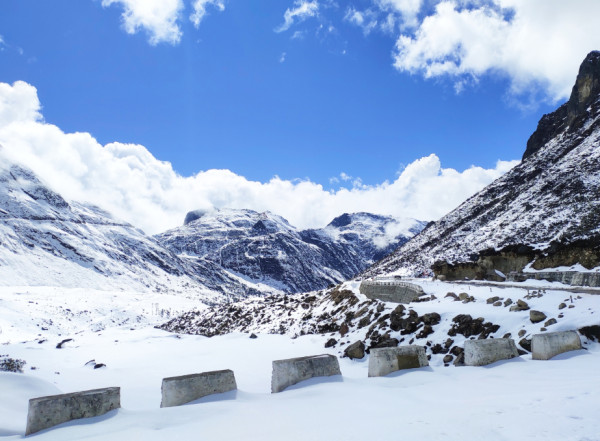
- What to Expect: Intense cold with temperatures often dropping below freezing, especially at night (reaching 10°C or lower). Heavy snowfall is common, particularly in January and February.
- Best For: Snow lovers and experiencing the Torgya Festival (usually held in January) or Losar (Tibetan New Year). Be warned that heavy snow can lead to road closures at Sela Pass and Bumla Pass, so keep extra buffer days in your itinerary.
Monsoon (July to August): Offbeat Greenery
- What to Expect: Heavy rainfall leads to frequent landslides, making road travel extremely risky and unpredictable. Tourist activity significantly drops.
- Best For: Only for the truly intrepid or offbeat travelers who want to see the waterfalls in their full glory, but the risk of travel disruption is high.
History: The Monpa Legacy and the Dalai Lama’s Refuge
Tawang's history is deeply intertwined with Tibetan Buddhism and its geopolitical location has made it a place of immense strategic and cultural importance.
The Monpa Tribe and Early Buddhism
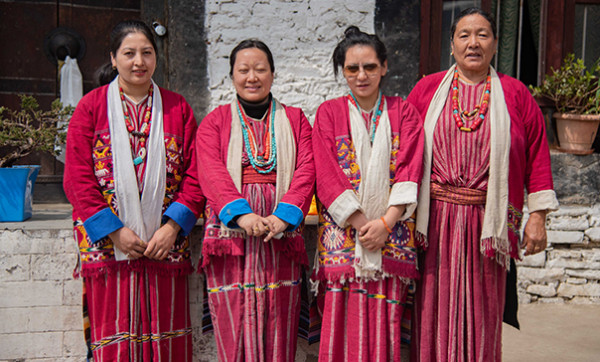
The region is home to the Monpa tribe, one of Arunachal’s oldest inhabitants. Their culture is predominantly Buddhist, having been influenced by the arrival of Guru Padmasambhava (Guru Rimpoche), who is credited with introducing Vajrayana Buddhism to the Himalayas in the 8th century.
The Spiritual Citadel: Tawang Monastery
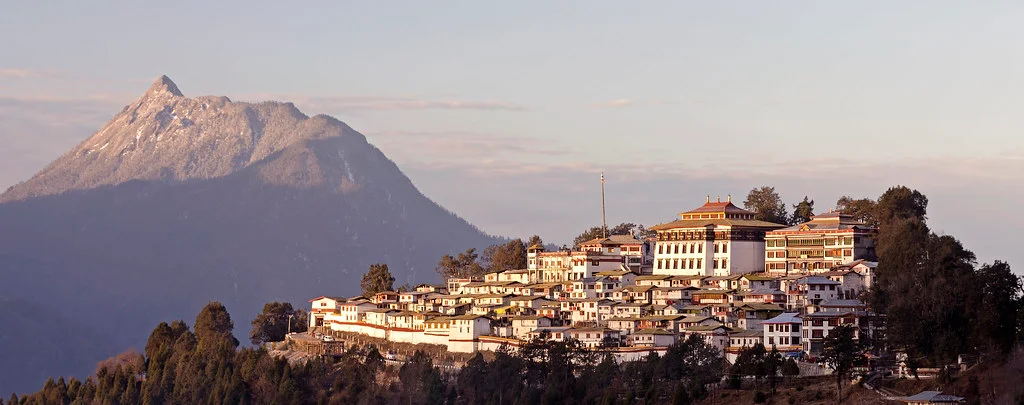
The foundation of the Tawang Monastery marks the beginning of the region’s Gelug school dominance.
- Founding: The monastery, known in Tibetan as Gaden Namgyal Lhatse (The Divine Paradise of Complete Victory), was founded in 1680-1681 by Merak Lama Lodre Gyatso in accordance with the wishes of the 5th Dalai Lama.
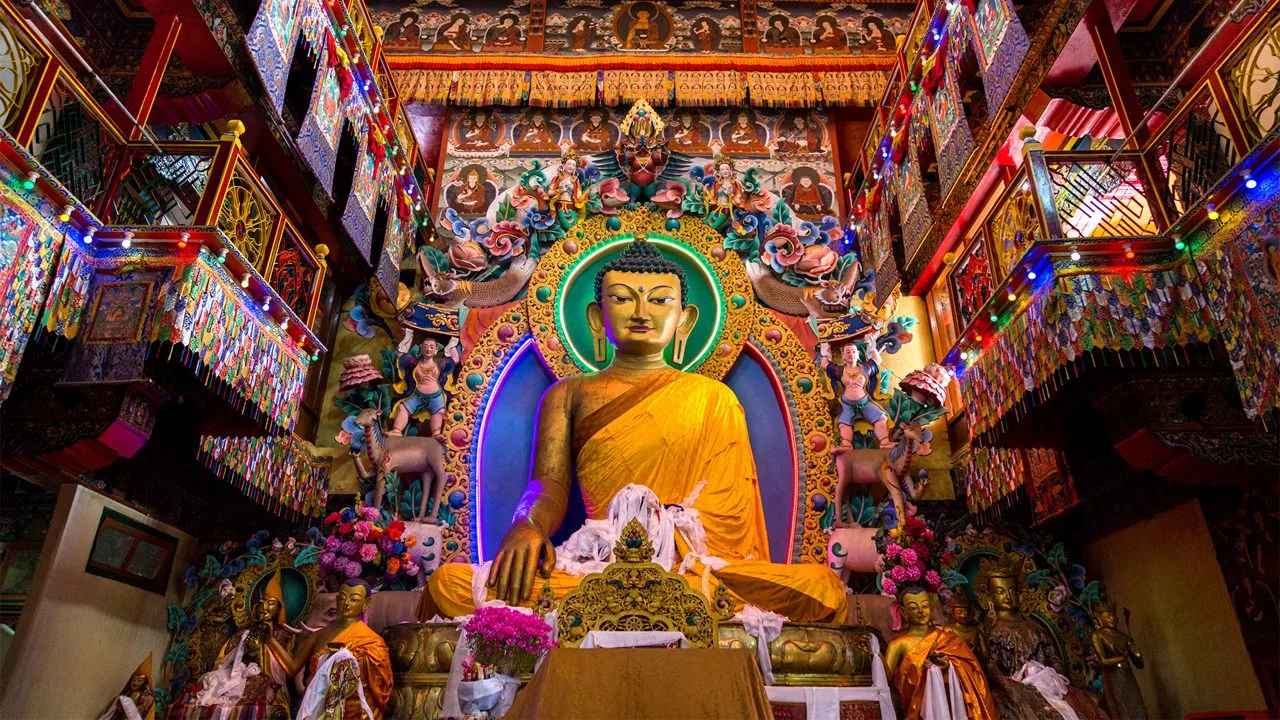
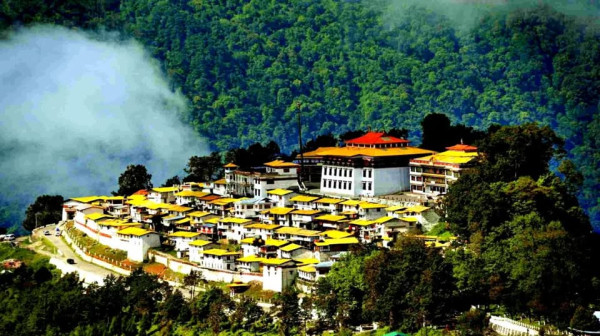
- Significance: It is the largest monastery in India and the second-largest in the world (after the Potala Palace in Lhasa). The fortress-like structure houses a massive three-storey complex, including a large assembly hall with a stunning 28-foot high golden statue of Lord Buddha.
- The Sixth Dalai Lama: Tawang holds immense spiritual significance as the birthplace of the Sixth Dalai Lama, Tsangyang Gyatso, in the 17th century. His birthplace, Urgelling Monastery, is an older, smaller gompa located just a few kilometers outside the main town.
The 1962 Conflict and Modern Tawang
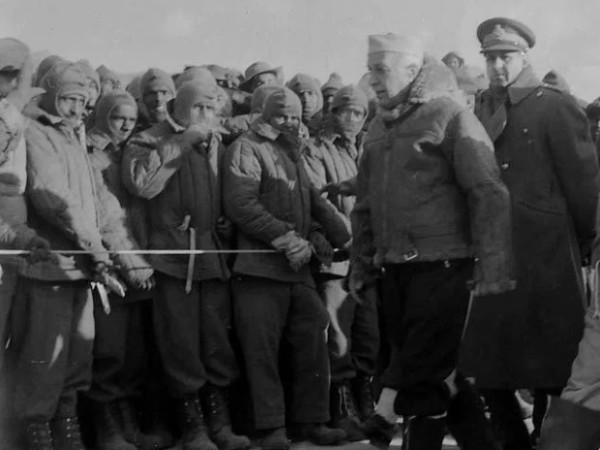
Tawang was briefly occupied by Chinese forces during the 1962 Sino-Indian War. The strategic importance of the area, and the sacrifice of Indian soldiers, is commemorated today at the various war memorials. Tawang’s connection to the current 14th Dalai Lama, who took refuge here in 1959 after fleeing Tibet, further cemented its spiritual role and its place in global history, often searched as the route of the 14th Dalai Lama’s escape from Tibet.
Places to Visit: The Tawang Circuit
A visit to Tawang is not confined to the town; it encompasses a circuit of high-altitude passes, ancient temples, and crystalline lakes.
1. The Spiritual Core (In and Around Tawang Town)
- Tawang Monastery (Gaden Namgyal Lhatse): The central attraction. Spend time here to observe the monks’ daily life, attend the morning prayers (if you wake early enough), and explore the vast library of ancient scriptures and the museum displaying Monpa artifacts.
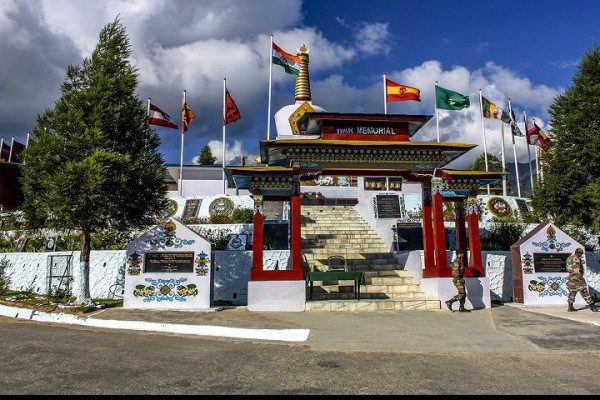
- Tawang War Memorial: A beautiful, large stupa-like structure dedicated to the 2,140 Indian soldiers who sacrificed their lives in the 1962 war. The memorial overlooks the scenic Tawang-Chu valley and hosts a light-and-sound show that narrates the valorous history.
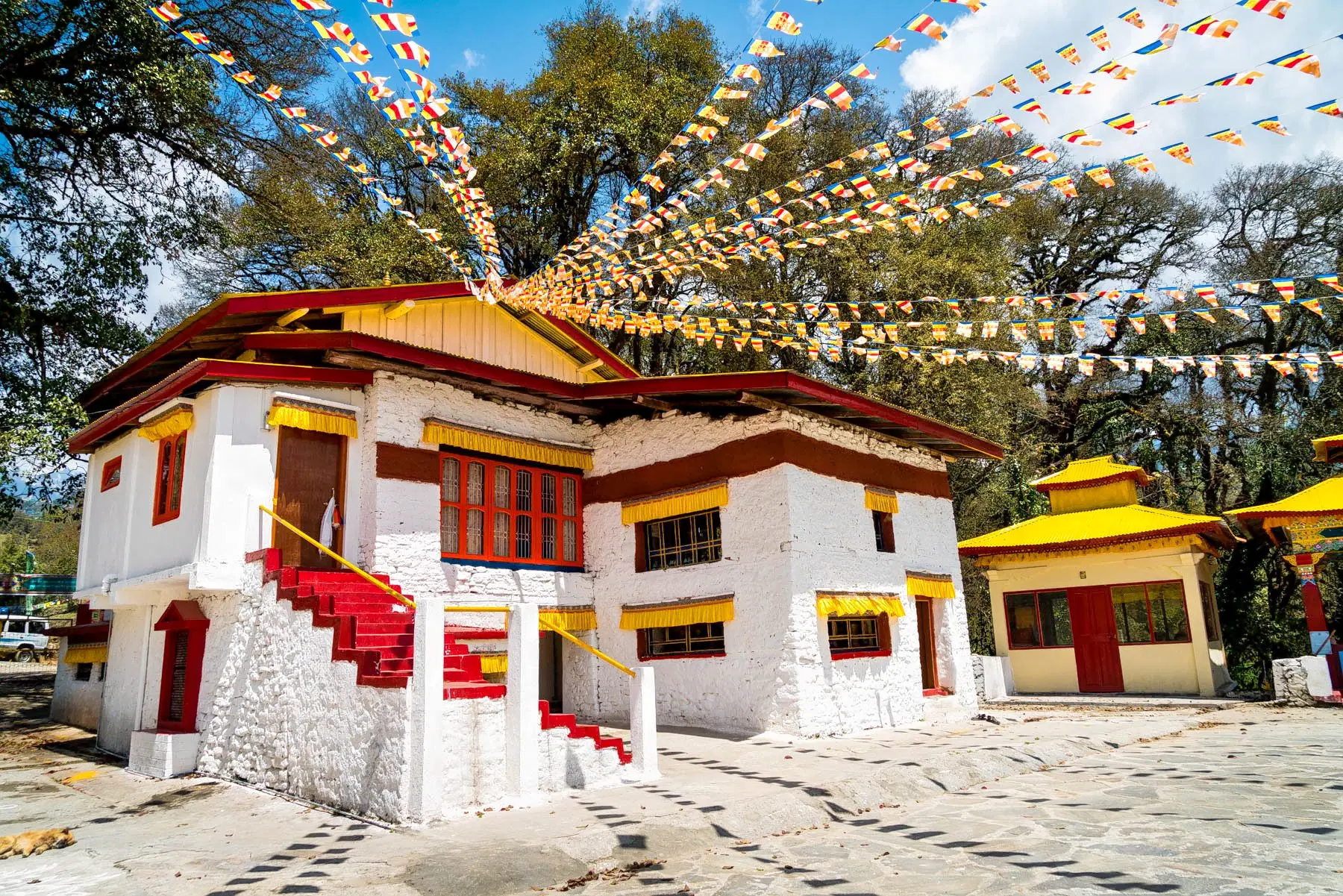
- Urgelling Monastery (Gompa): The birthplace of the Sixth Dalai Lama, located about 5 km from Tawang town. Though small, its historical and spiritual significance is profound.
2. High Altitude and Strategic Sites (Excursions)
These spots require the Bumla Pass Permit and a local taxi hire, as they lie in a restricted zone.
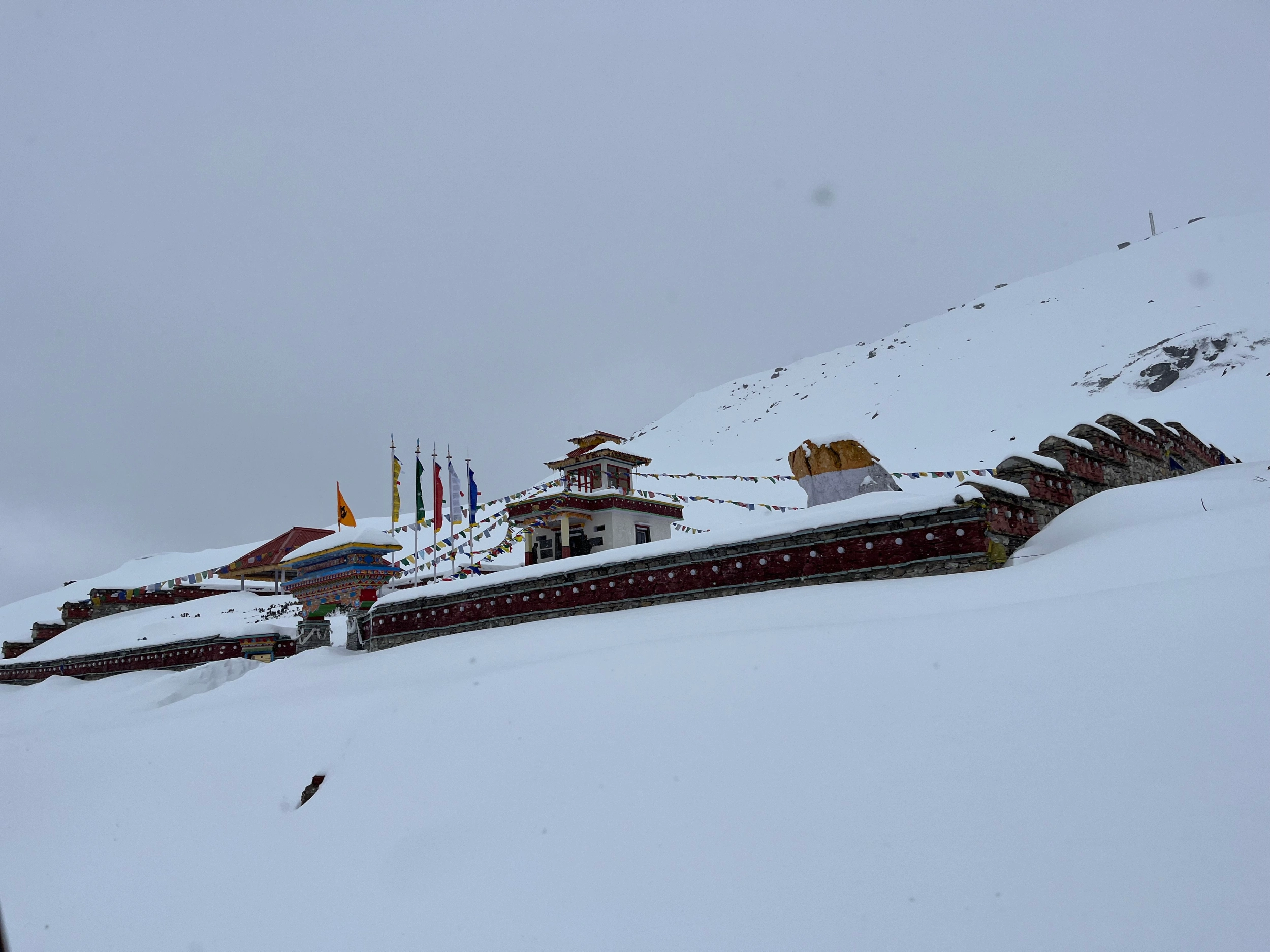
- Sela Pass (Sela La): The single most crucial point on the journey, connecting Tawang to the rest of India. Located at an altitude of approximately 13,700 feet, the pass is often snow-covered and features the stunning Sela Lake, which remains frozen for much of the winter. This is the lifeline of Tawang.

- Bumla Pass: Situated at a staggering 15,200 feet, Bumla Pass marks the actual Indo-China border (McMahon Line). Visiting here is an experience of raw Himalayan beauty and national significance. The route is dotted with numerous small, pristine high-altitude lakes.
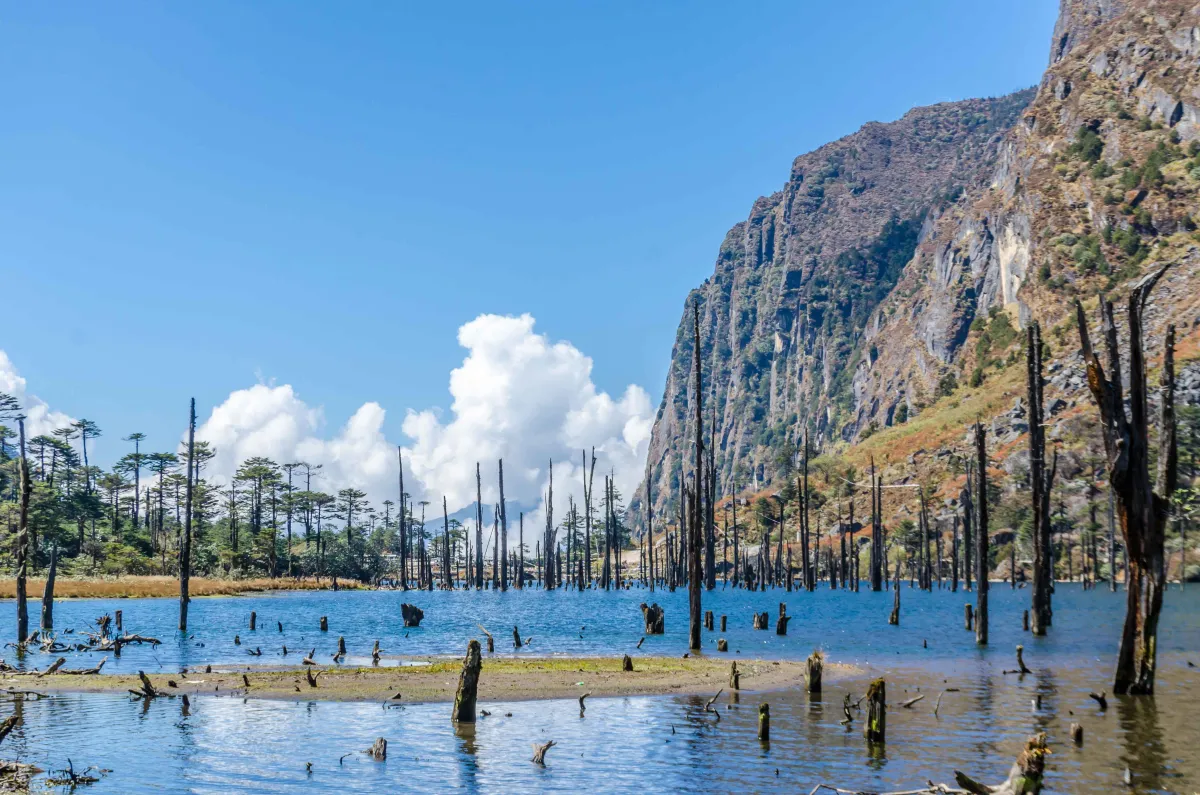
- Madhuri Lake (Sangetsar Lake): Located en route to Bumla Pass. This glacial lake was formed by an earthquake and is famous for its haunting landscape of dead tree trunks jutting out of the water. It was renamed informally after the actress Madhuri Dixit, who shot a song sequence here.
3. Natural Wonders and Historical Gems
- Nuranang Falls (or Jung Falls): Located en route between Bomdila/Dirang and Tawang, this powerful, tiered waterfall drops from a height of about 100 meters. The falls are spectacular and a highly popular photo stop.

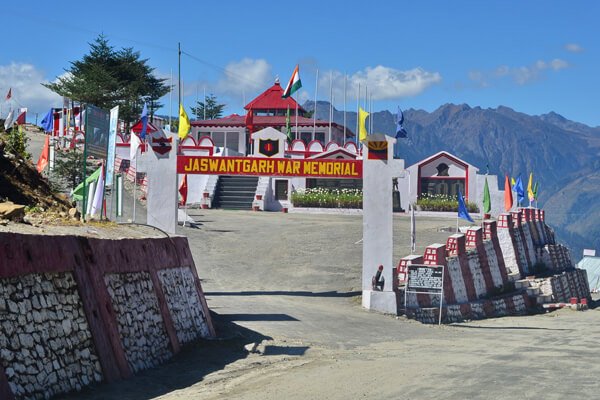
- Jaswant Garh War Memorial: Located before Sela Pass, this is a heartfelt memorial dedicated to Rifleman Jaswant Singh Rawat, who displayed extraordinary valor during the 1962 war. It is a place of profound respect.
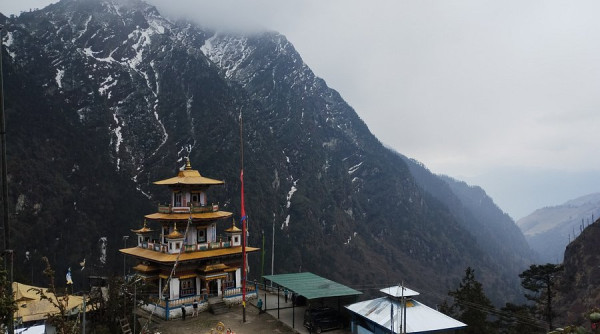
- Taktsang Gompa: A serene monastery associated with Guru Padmasambhava, perched dramatically on a cliff amidst thick coniferous forests. It is one of the oldest monasteries in Tawang region.
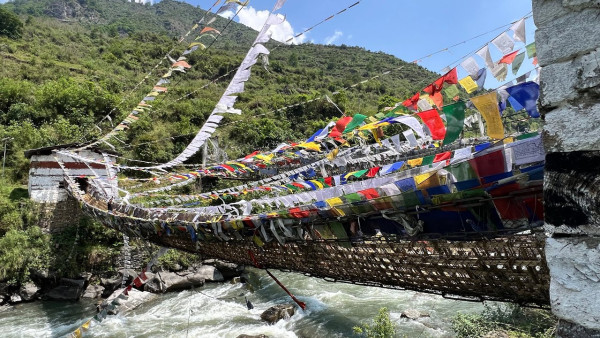
- Chakzam Bridge: A unique 600-year-old iron suspension bridge over the Tawang-Chu river, constructed by the legendary Tibetan bridge builder Thangtong Gyalpo. It is one of the few surviving historical iron chain bridges in the region.
Things To Do: Embracing the Monpa Culture
Beyond sightseeing, Tawang offers deep cultural immersion and opportunities for adventure.
- Attending a Monastic Prayer Session: An essential Tawang spiritual experience is sitting silently during the morning prayers at the Tawang Monastery, listening to the resonant chants of the monks.
- High-Altitude Trekking: For the adventurous, Tawang serves as the base for trekking, with routes leading to higher peaks. The magnificent Gorichen Peak (over 21,000 ft) is the highest in the state, often visible from Tawang and challenging to access.
- Experiencing Local Festivals: If your timing is right, participate in the colorful Torgya Festival (a Monpa religious dance festival) or Losar (New Year), to witness the vibrant cultural dances and rituals of the Monpa tribe.
- Sampling Local Cuisine: Don't leave without trying the staples of the Monpa diet: Thukpa (hearty noodle soup), Momos (dumplings), and Zan (a staple porridge made from millet). Warming up with a cup of traditional butter tea is a must-do.
- Shopping for Handicrafts: Explore the local Tawang market to purchase exquisite Monpa handicrafts, including wooden carvings, handmade paper (a traditional craft, still practiced in Mukto village), religious scrolls (Thangkas), and intricate woolen products.
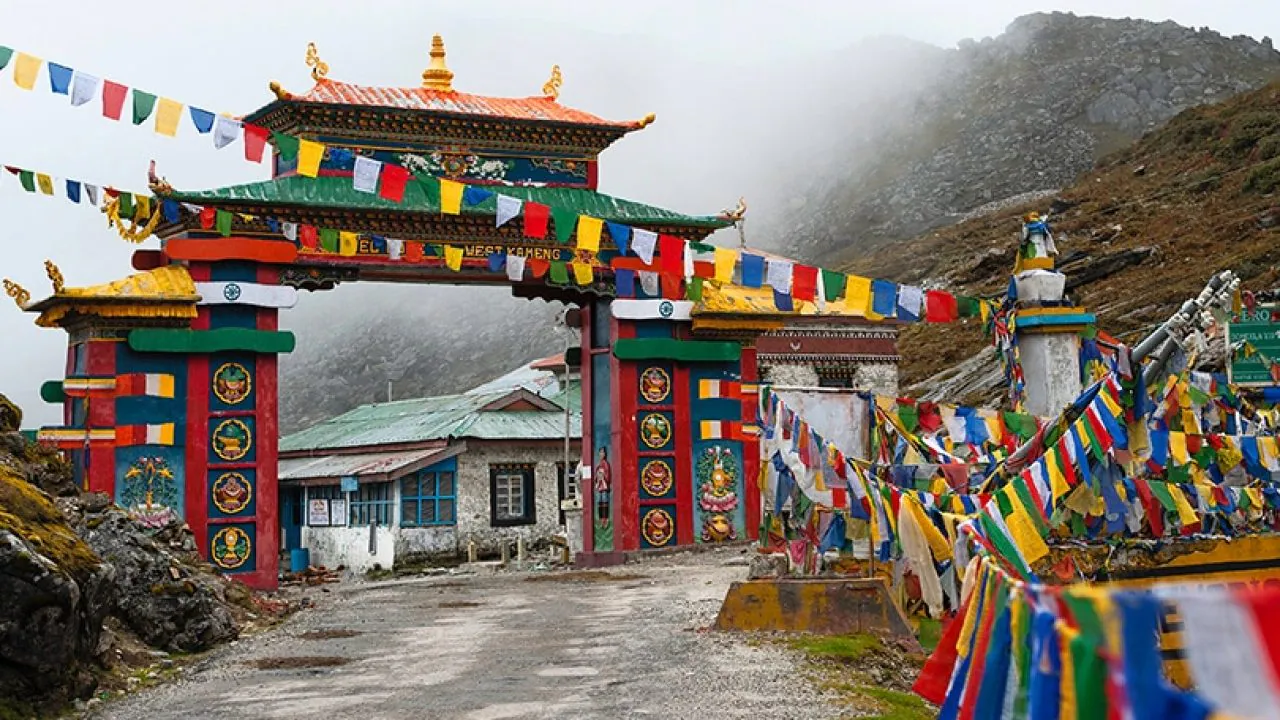
Top Things to Do & Activities in Tawang
Discover a world of unforgettable experiences and top activities at this destination! Whether you’re seeking adventure, cultural immersion, relaxation, or family fun, find the best things to do—from sightseeing and outdoor adventures to culinary delights, spiritual journeys, and local events. Enjoy every moment and make your trip truly memorable!