Discover Amazing Dalhousie
The distance from Delhi to Dalhousie is about 560 km by road. Explore the best routes, travel time, and essential tips to plan a comfortable trip to this charming Himalayan destination.
About This Destination

Dalhousie is a hill station that whispers tales of the British Raj, combining the nostalgic charm of Victorian architecture with the sublime, untamed beauty of the Dhauladhar mountains in Himachal Pradesh. Founded in 1854 by the then Governor-General of India, Lord Dalhousie, this destination stands today as a serene retreat known for its vast deodar and pine forests, clear air, and stunning views of the surrounding ranges.Delhi to Dalhousie Distance
For travelers originating in the plains, the first step is preparing for the substantial road trip to reach this secluded pocket of Himachal.
The Journey Demystified
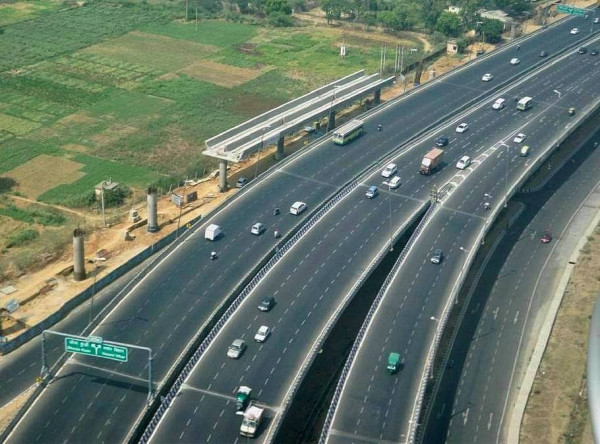
The delhi to dalhousie distance is approximately 560 to 580 kilometers via the best road network.
- Driving Time: This journey is a significant undertaking, requiring around 10 to 12 hours of continuous driving, excluding mandatory breaks. Given the long duration, many travelers opt for a night halt.
- The Route: The most common and fastest route involves:
- Delhi to Ambala (via NH-44, excellent expressway).
- Ambala to Jalandhar/Pathankot (via NH-44/NH-3).
- Pathankot/Chakki Bank to Dalhousie (The final scenic ascent).
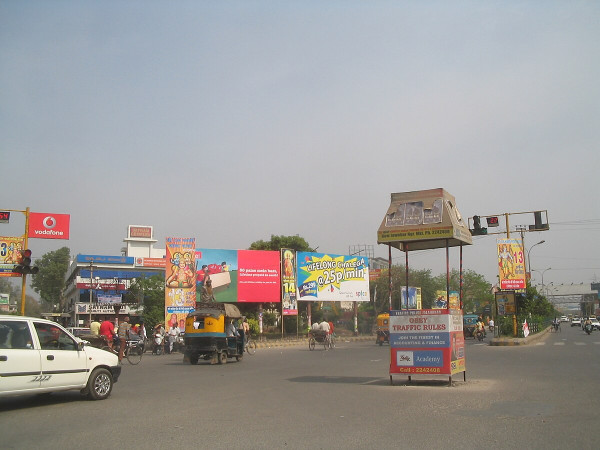
Alternative Rail Route
For a more comfortable journey over the plains, many choose the train route:
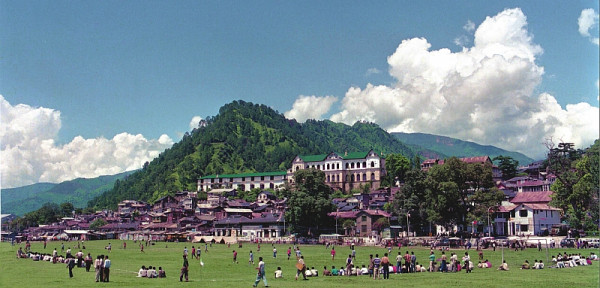
- Delhi to Pathankot/Chakki Bank: Pathankot is the major railway junction closest to Dalhousie (about 80-85 km away). Overnight trains are readily available from Delhi, making for a restful first leg of the journey.
- Pathankot to Dalhousie: From Pathankot (or the adjacent station Chakki Bank), you can hire a private taxi, which takes approximately 3 to 3.5 hours to complete the scenic ascent to Dalhousie.
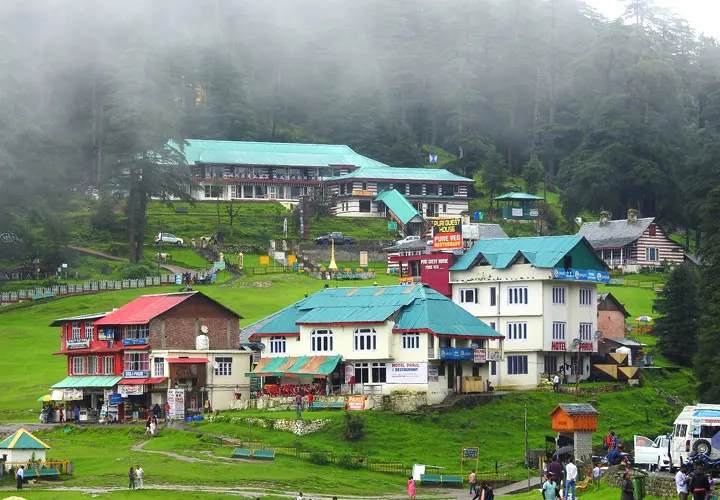
Fastest Route (Air)
- Delhi to Pathankot/Gaggal (Dharamshala): Flying to Pathankot Airport (IXP) or Gaggal Airport (DHM) near Dharamshala is the fastest way to cover the distance.
- Final Drive: From Pathankot, the drive is 3-3.5 hours, and from Gaggal, it is slightly longer (4-5 hours), but both are excellent options for reducing travel time.
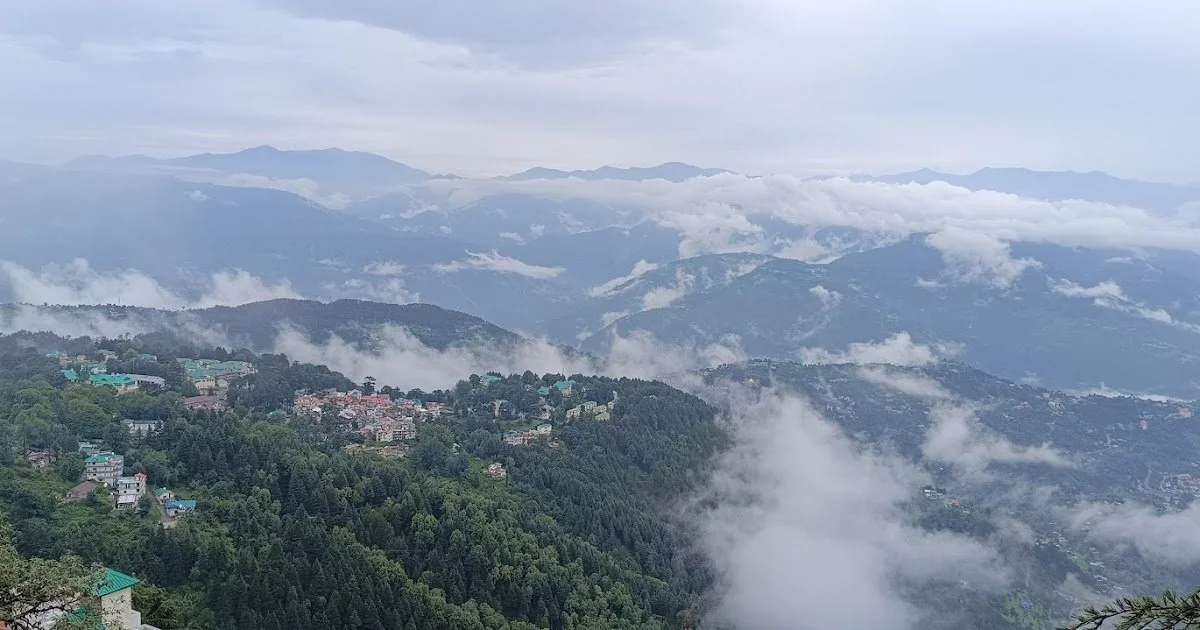
The Core of Dalhousie: The Five Hills and the Walks
Dalhousie is spread across five distinct hills Balun, Bakrota, Tehra, Kathlog, and Potreyn—which contribute to its undulating landscape and numerous scenic pathways.
1. The Gandhinagar Walk (The Thandi Sarak)
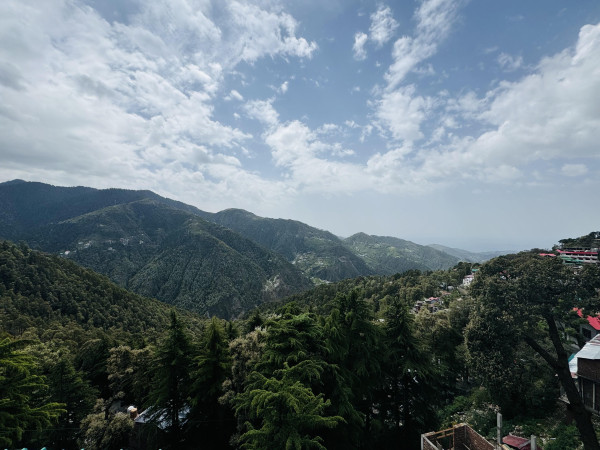
This is the most famous pathway, running through the dense forests.
- The Experience: Known as the 'cold road' due to its shaded location under towering deodar trees, this walk is closed to vehicular traffic. It offers a peaceful retreat for morning walks and bird watching.
- Architecture: You will pass beautiful, centuries-old colonial bungalows that still retain their Victorian and Scottish architectural charm.
2. Subhash Baoli
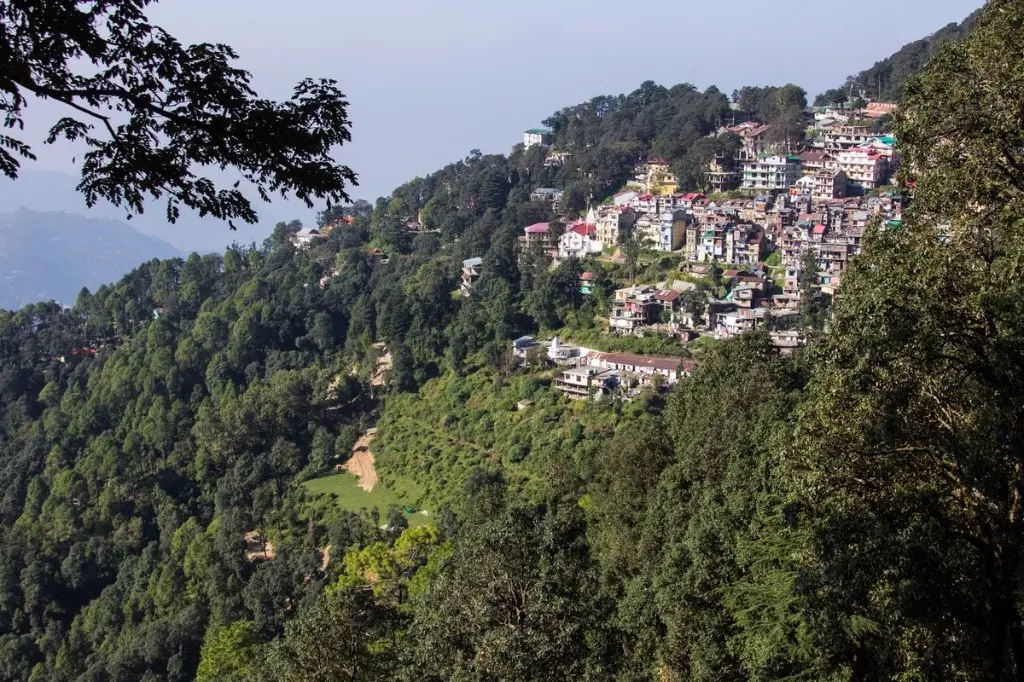
Named after the revered freedom fighter Subhash Chandra Bose, this spot is located about 1 km from the GPO (General Post Office) in Dalhousie.
- The Legend: Bose is believed to have stayed here for several months in 1937, finding rejuvenation from the medicinal spring water that flows from the hillside.
- Attraction: The spot features a small seating area and provides a serene view of the surrounding hills, making it a favorite quick stop among the tourist attractions in Dalhousie.
3. The Panchpulla (The Five Bridges)
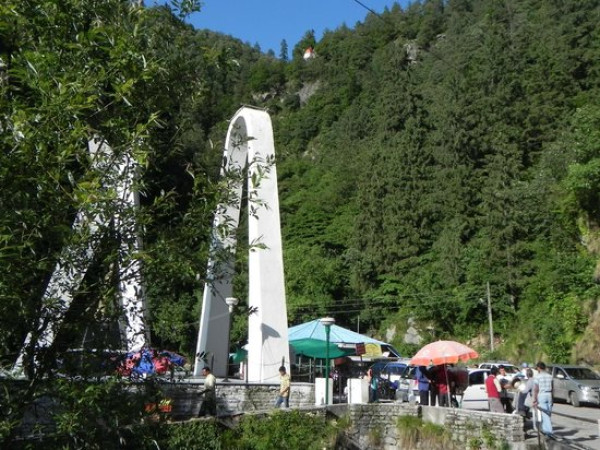
Literally translating to 'Five Bridges,' this location is a beautiful stream that flows through the area, crossed by five small, charming bridges.
- The Significance: Panchpulla is home to a memorial dedicated to Sardar Ajit Singh, the uncle of Bhagat Singh, who was a freedom fighter.
- The Vibe: It is a perfect spot for families, offering shaded picnic areas, small waterfalls (seasonal), and the serene sound of flowing water.
4. Satdhara Falls
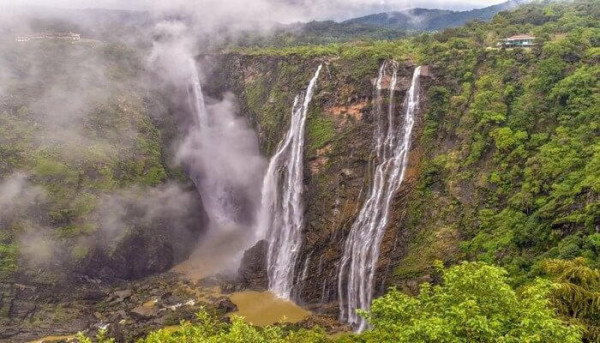
The name means 'seven springs.' These cascading falls are believed to carry medicinal properties because they mix the waters of seven springs, which contain mica and other mineral compounds.
- Experience: Located near Panchpulla, the water flows over rocks and is cool and refreshing. It’s a popular spot to collect water or simply enjoy the mist during the spring and monsoon seasons.
The Essential Day Trips: Exploring the Dalhousie Circle
The Dalhousie experience is often completed by visiting its incredibly scenic and famous neighbors, which form the broader circle of attractions.
5. (The Mini Switzerland of India)
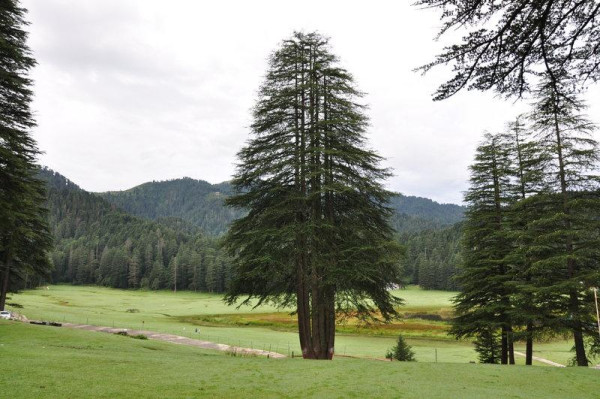
Located just 24 km from Dalhousie, Khajjiar is unmissable. It is one of only 160 locations in the world to be officially designated 'Mini Switzerland.'
- The Landscape: A vast, oval-shaped green meadow nestled among tall deodar trees, featuring a small, picturesque floating island in the middle of a lake.
- The Experience: Ideal for families, Khajjiar offers gentle walks, horseback riding, and zorbing (in summer). In winter (December/January), it turns into a stunning, vast snow bowl.
6. Chamba Valley
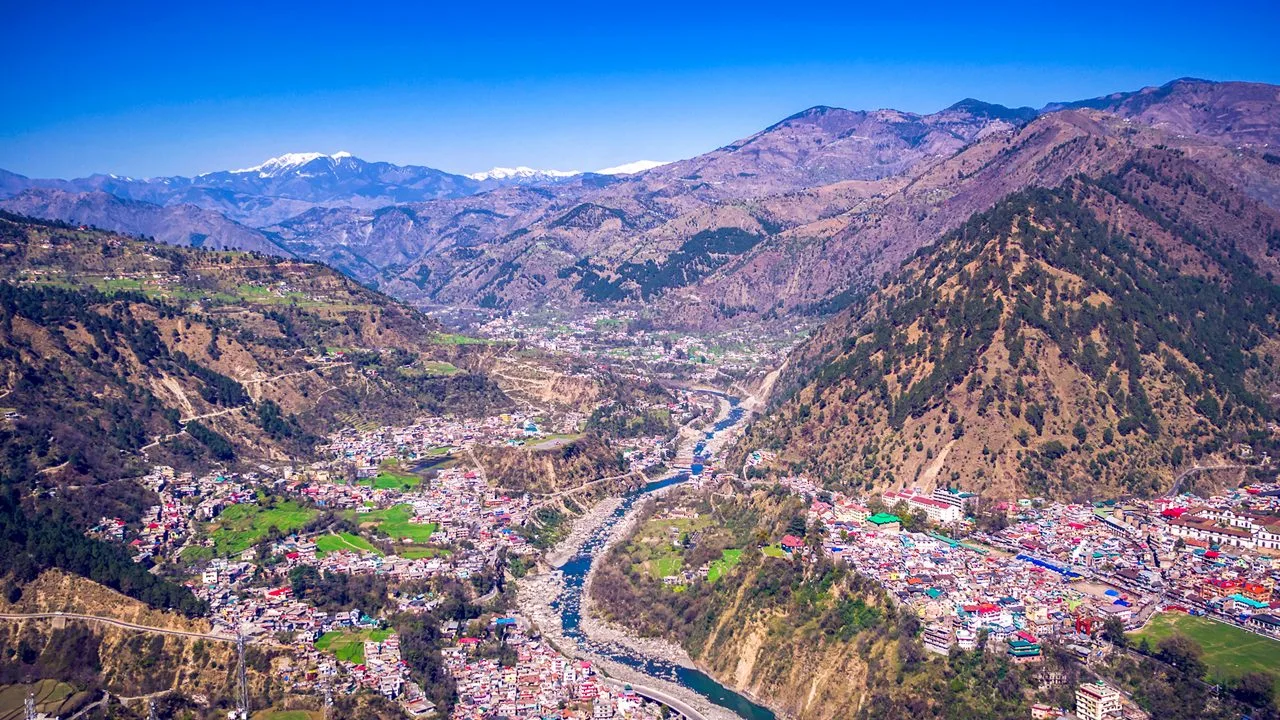
Located about 50 km from Dalhousie, Chamba is a historic town on the banks of the Ravi River.
- Culture & History: It is famous for its ancient temples (like the Lakshmi Narayan Temple) and its preserved Pahari art and architecture. A trip here offers a cultural and historical contrast to the colonial charm of Dalhousie.
7. Dainkund Peak
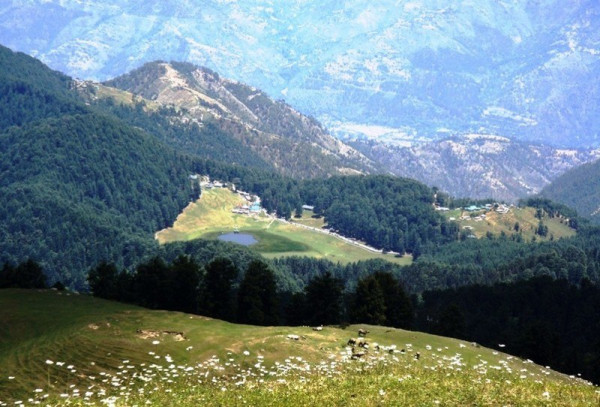
The highest peak in the Dalhousie region, Dainkund offers the most spectacular views.
- The View: It provides panoramic 360-degree views of the valleys below and the distant snow-capped peaks. Due to the high altitude, the area often remains snow-covered well into early spring.
- Pholani Devi Temple: Located at the summit, the temple is often reached by an easy 1 km uphill trek from the road-head. The area is serene and often windy, earning it the nickname "Singing Hill" due to the whistling sound made by the wind through the deodar trees.
8. Bakrota Hills
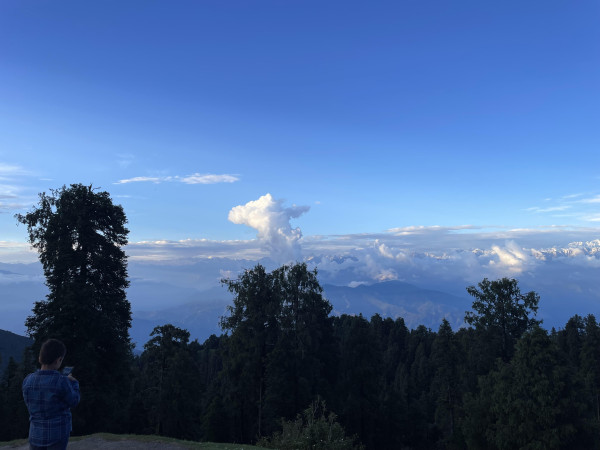
This area is known for its quiet, winding paths and is perfect for nature lovers seeking seclusion.
- The Vibe: Offering a gentle circular road walk (the Bakrota Walk), the area is lined with towering forests and offers beautiful sunset views away from the main town bustle. The air here is often cited as the freshest in the region.
9. St. John’s Church
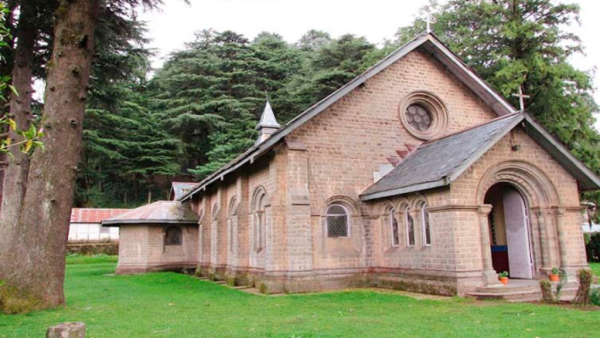
Dalhousie is home to several beautiful colonial-era churches. St. John's Church, built in 1863, is the oldest and most beautiful.
- Architecture: A fine example of Gothic architecture, the church features stunning stained-glass work and an ambiance that transports you back to the 19th century.
10. Kalatop Wildlife Sanctuary
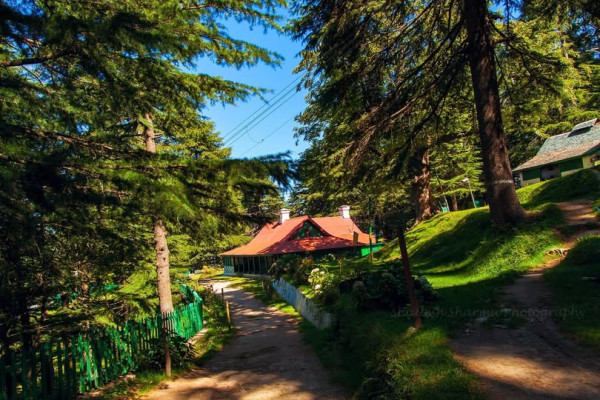
Located between Dalhousie and Khajjiar, this sanctuary is famous for its dense forests and rich wildlife.
- Flora and Fauna: The sanctuary is a haven for the Himalayan Black Marten, bears, leopards, barking deer, and numerous bird species.
- Experience: Take a long, permitted walk or drive through the forest, leading to the serene Kalatop Rest House, a historical British structure offering fantastic forest and valley views.
11. Trekking and Nature Trails
Beyond the named sites, the essence of Dalhousie lies in its numerous, well-marked trails that connect the five hills, offering endless opportunities for hiking and soft adventure.
Best Time to Visit and Winter Travel
- Summer (April to June): The most popular time. The weather is cool and pleasant (15°C to 30°C), ideal for sightseeing and trekking.
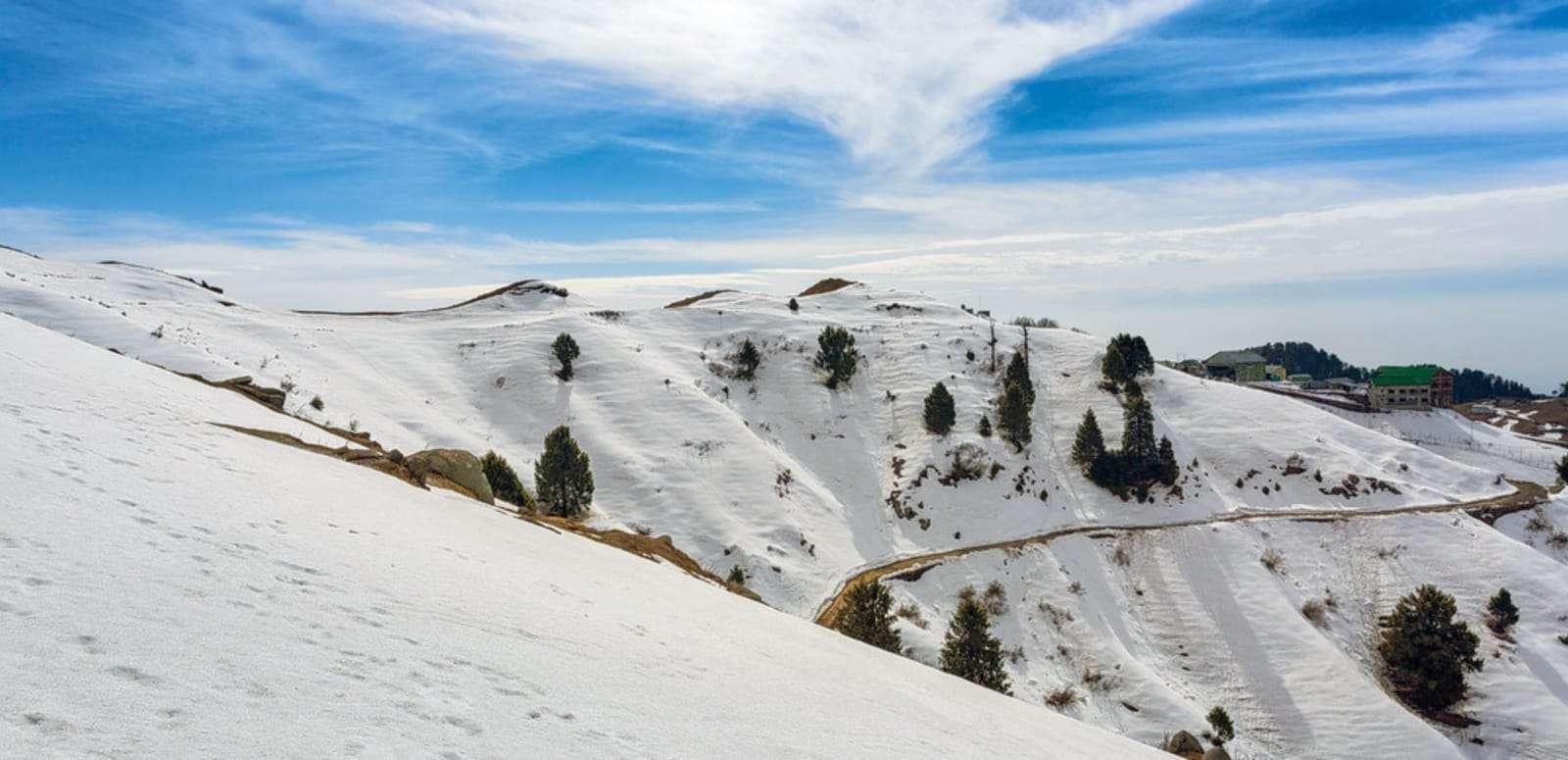
- Winter (December to February): Dalhousie transforms into a beautiful winter wonderland, receiving moderate to heavy snowfall. The snow-covered deodar trees and views of the snow-laden Dhauladhar ranges are spectacular. Note: Travelers attempting the delhi to dalhousie in winter must be prepared for cold weather, icy roads, and possible temporary road closures on the final ascent.
Top Things to Do & Activities in Dalhousie
Discover a world of unforgettable experiences and top activities at this destination! Whether you’re seeking adventure, cultural immersion, relaxation, or family fun, find the best things to do—from sightseeing and outdoor adventures to culinary delights, spiritual journeys, and local events. Enjoy every moment and make your trip truly memorable!