Discover Amazing Himachal Pradesh
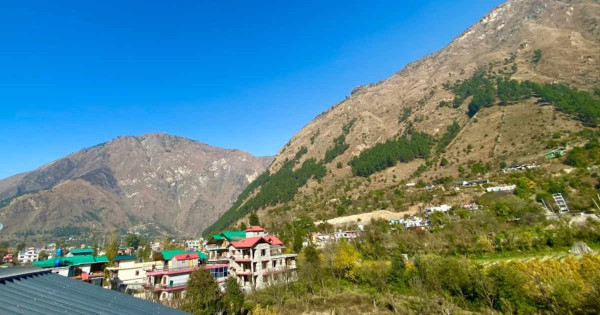
Nestled in the Himalayas, Himachal Pradesh enchants with snow-capped peaks, lush valleys, and charming hill stations like Shimla and Manali. Perfect for adventure lovers offering trekking, skiing, and rafting. Rich culture, ancient temples, and vibrant festivals await. Your serene mountain escape!
About This Destination
Known reverently as Devbhumi (The Land of Gods), Himachal Pradesh weaves together threads of ancient spiritual heritage Hindu temples nestled in deep valleys, and the profound presence of Tibetan Buddhism in its northern reaches. To travel through Himachal is to witness the full spectrum of Himalayan life, from the lush greenery of the Dhauladhar Range to the stark, lunar beauty of Spiti Valley.
This is a complete, fresh guide to immersing yourself in the genuine spirit of this majestic mountain state.
Himachal Pradesh: An Overview
Himachal Pradesh, spanning over 55,673km, is geographically segmented by its distinct altitude zones, which define its climate, flora, and culture:
- Outer Himalayas (The Shivaliks): The lowest region, characterized by gentle hills, dense forests, and the majority of the state's agriculture.
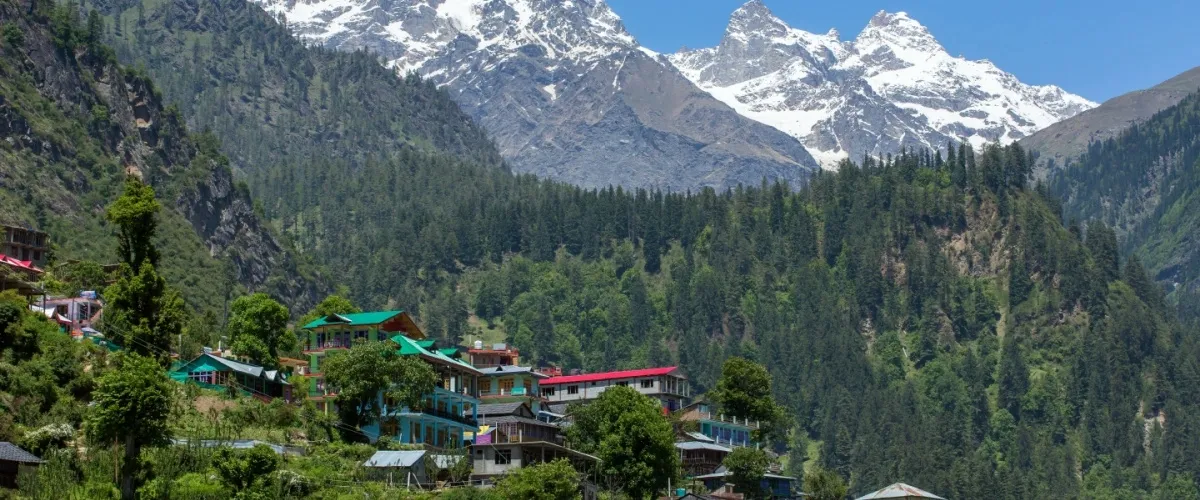
- Inner Himalayas (The Lesser and Middle Himalayas): Home to the famous Dhauladhar and Pir Panjal ranges. This zone houses popular hill stations like Shimla, Manali, and Dharamshala, known for their abundant coniferous forests (Deodar and Pine).
- Greater Himalayas and Trans-Himalayas: The highest and most rugged terrain, including the Zanskar Range. This area includes the cold deserts of Lahaul and Spiti and Kinnaur, where life is influenced by Tibetan Buddhism and extreme climatic conditions.
The state is the watershed for several major rivers, including the Beas, Sutlej, Ravi, Chenab, and a tributary of the Yamuna (the Tons), which sculpt the deep, fertile valleys (Kullu, Kangra, Chamba) that are the lifeline of its people. The economy relies heavily on horticulture (Apples are a massive industry), hydropower, and, crucially, tourism.
How to Reach Himachal Pradesh
Himachal’s accessibility is good, though the final destination usually requires travel on winding mountain roads.
By Air:
Himachal has a few regional airports, mostly serving smaller aircraft:
- Chandigarh International Airport (IXC): While technically in Punjab/Haryana, it is the most convenient major hub for destinations like Shimla, Solan, and Dharamshala.
- Kullu-Manali Airport (KUU) at Bhuntar: Serves the Kullu and Manali valleys, though flights are often subject to mountain weather conditions.
- Gaggal Airport (DHM) near Kangra: Convenient for Dharamshala, McLeod Ganj, and Palampur.
- Shimla Airport (SLV): Services the state capital, with limited connectivity.
By Rail:
- The nearest major broad-gauge railway station is Kalka (KLK), well-connected to Delhi and other major cities.
- The Kalka-Shimla Railway: A UNESCO World Heritage Site, this narrow-gauge toy train is an experience in itself, taking travelers through over 100 tunnels to reach Shimla.
- Other railheads include Una, Amb Andaura, and Pathankot, which serve the lower regions of the state.
By Road: The Lifeline
- Roads are the primary means of transport. The National Highway 154 (NH154) and NH5 are the main arteries.
- State-run buses (HRTC) and private luxury buses operate frequently, especially the overnight services from Delhi and Chandigarh to Manali, Shimla, and Dharamshala.
- The drive from Delhi to Shimla takes about 7-9 hours, and to Manali, 12-14 hours.
Best Time to Visit
Himachal Pradesh offers a year-round travel experience, but the best time depends entirely on your chosen region and activity.
- Summer (March to June): Peak Season. Ideal for visiting all major hill stations (Shimla, Manali, Dalhousie) and escaping the heat of the plains. All trekking trails are open, and the weather is perfect for paragliding. The high mountain valleys of Lahaul and Spiti usually open up from late May/early June as snow clears from the Rohtang and Kunzum Passes.
- Monsoon (July to September): The Green Season. Lower regions receive heavy rainfall, making the scenery lush but increasing the risk of landslides and road closures. It's best avoided for high-altitude passes. However, the unique, rain-shadow deserts of Lahaul and Spiti are at their most accessible and pleasant during these months, as they receive very little rain.
- Autumn (October to November): The Golden Hues. The post-monsoon air is crystal clear, offering the most spectacular, uninterrupted views of the Himalayan peaks. It’s the perfect time for moderate trekking and sightseeing across the entire state, with comfortable, cool weather.
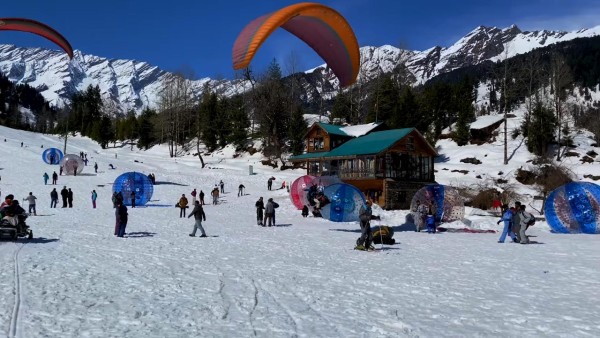
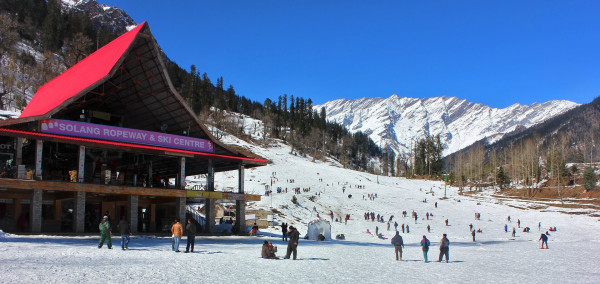
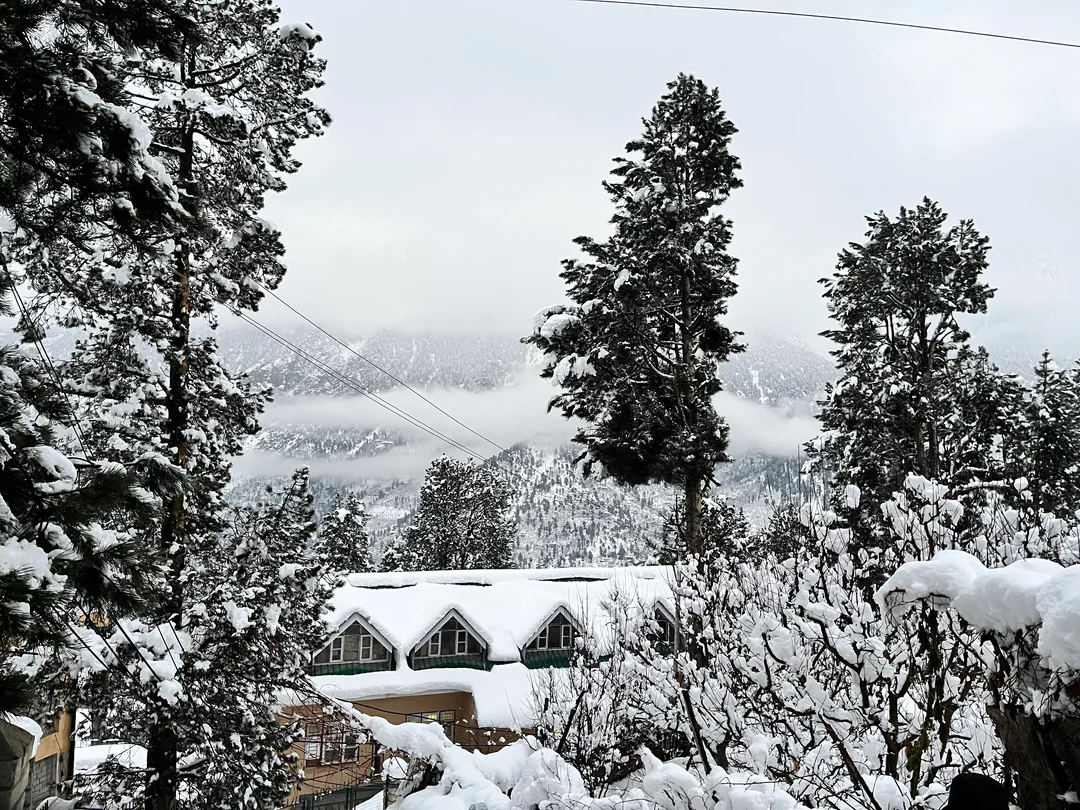
- Winter (December to February): Snow Wonderland. High-altitude areas (Manali, Kullu, Kinnaur) receive heavy snowfall. This is the time for snow sports (skiing in Solang Valley) and enjoying the cozy atmosphere. Most high passes (Rohtang, Kunzum) close completely, isolating Lahaul and Spiti.
The Mountains of Himachal Pradesh
Himachal Pradesh is defined by its mountain ranges, which run in three parallel belts.
The Major Ranges:
- Shivalik Range (Outer Himalayas): The southernmost and lowest range. Contains the fertile Kangra and Paonta Valleys.
- Dhauladhar Range (White Range): A majestic sub-range of the Lesser Himalayas, running through Kangra and Mandi. It forms a dramatic backdrop to Dharamshala and McLeod Ganj.
- Prominent Peaks: Hanuman Tibba (a shared boundary peak), Dhauladhar Matterhorn.
- Pir Panjal Range: The longest range of the Lesser Himalayas, separating Kullu from Chamba. It is heavily forested and contains the famous Rohtang Pass, which connects the Kullu Valley to Lahaul.
- Prominent Peaks: Deo Tibba, Indrasan.
- Zanskar Range (Greater Himalayas/Trans-Himalayas): The highest and most rugged range, dominating Kinnaur and Lahaul-Spiti. It serves as a geographical and climatic barrier, creating the cold desert region.
- Highest Peak in Himachal: Reo Purgyil (6,816 m) in Kinnaur, located on the Zanskar range.
Iconic Peaks and Massifs:
- Kinnaur Kailash: A sacred peak (approx. 6,050m) in Kinnaur, revered by Hindus and Buddhists. It is known for the stunning Kinner Kailash Parikrama trek.
- Manimahesh Kailash: A sacred peak (approx. 5,660m) in the Chamba district, central to the annual Manimahesh Yatra pilgrimage.
- Deo Tibba: A major peak (6,000m) in the Pir Panjal range, frequently used as a non-technical climbing peak.
The Districts of Himachal Pradesh
The state is divided into 12 districts, each with a distinct geographical and cultural identity:
- Shimla: The capital, known for its colonial charm, the Ridge, and the Kalka-Shimla Toy Train.
- Kullu: The "Valley of Gods," famous for the Kullu Dussehra festival, Beas River, and the twin towns of Kullu and Manali.
- Kangra: Home to the Dhauladhar range, the Tibetan Government-in-Exile in Dharamshala, the tea gardens of Palampur, and the ancient Kangra Fort.
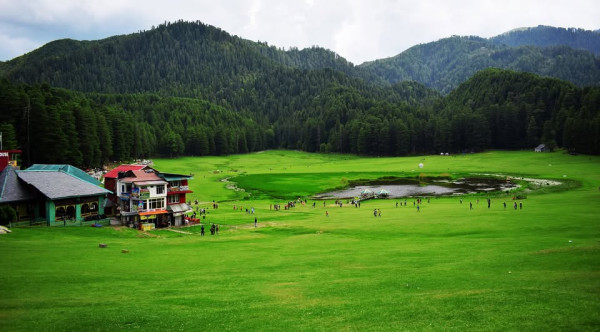
- Chamba: Known for the Chamba Valley, Dalhousie, and the spectacular "Mini Switzerland of India," Khajjiar.
- Mandi: The "Varanasi of the Hills," known for its numerous ancient stone temples and the sacred Prashar Lake.
- Lahaul and Spiti: The largest district by area, a cold desert region of stark beauty, Buddhist monasteries (Key, Dhankar), and a harsh, beautiful landscape accessible only for half the year.
- Kinnaur: Dominated by the Zanskar Range and the Satluj River, famous for its apple orchards, the Kinnauri culture (a mix of Hinduism and Buddhism), and the Kinnaur Kailash peak.
- Sirmaur: The southernmost district, known for the ancient town of Nahan and the sacred Churdhar Peak.
- Solan: Known as the "Mushroom City of India" and a gateway to the state, with major military cantonments like Kasauli.
- Hamirpur, Bilaspur, and Una: These are the lower, predominantly Shivalik region districts, known for their warmer climate, temples, and agricultural output, serving as vital connecting points to Punjab.
Activities to Do
Himachal offers a perfect blend of high-octane adventure and spiritual retreat.
- Adventure Sports:
- Paragliding: Bir-Billing in Kangra is globally renowned as one of the best paragliding sites in the world, hosting international competitions.
- River Rafting: The Beas River near Kullu and the Satluj River offer excellent white-water rafting opportunities.
- Skiing and Snowboarding: Solang Valley near Manali and Kufri near Shimla are the main hubs during winter.
- Cultural Immersion:
- Dharamshala/McLeod Ganj: Immerse yourself in the heart of the Tibetan community, visiting the Tsuglagkhang Complex (the residence of the Dalai Lama) and engaging in Tibetan learning and cuisine.
- Spiti Valley: Visit centuries-old monasteries like Key Gompa and Dhankar Monastery, experiencing the unique Indo-Tibetan culture in remote villages like Kaza and Kibber.
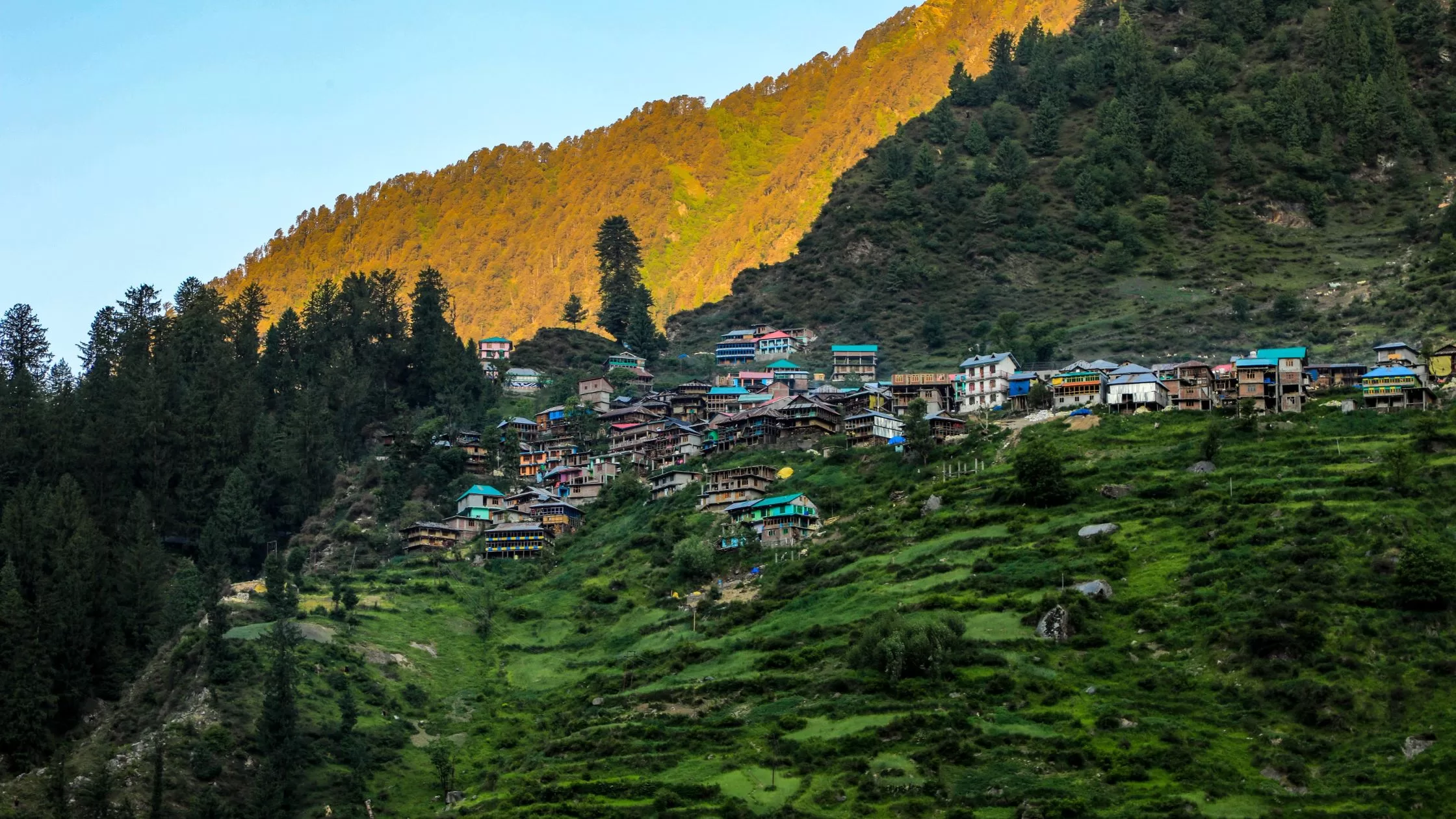
- Village Tourism: Spend time in authentic villages like Malana (Kullu) or Chitkul (Kinnaur, the last village on the old Hindustan-Tibet road).
- Historical and Heritage:
- Walk the Mall Road and the Ridge in Shimla, exploring the colonial architecture and the famous Christ Church.
- Visit the stunning Hadimba Devi Temple in Manali, built in 1553 with unique pagoda-style architecture.
The Treks of Himachal Pradesh
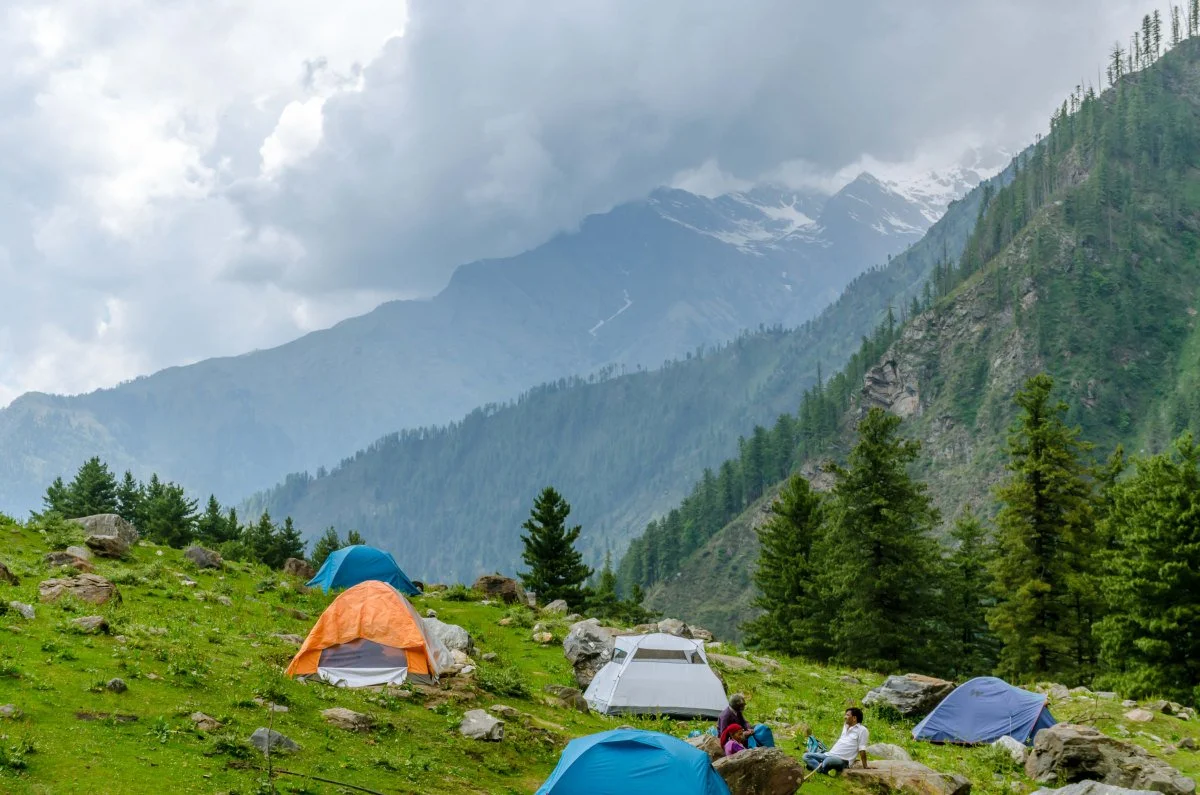
Trekking is the soul of a Himachal visit, offering access to high passes and remote glacial lakes that are unseen from the road.
- The Contrast Trek (Moderate to Difficult): Hampta Pass Trek
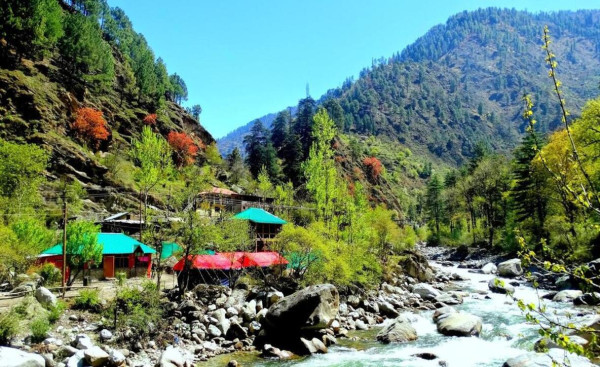
- Vibe: Famous for crossing the massive Pir Panjal range, it offers a dramatic transition from the lush green, waterfall-laden Kullu Valley to the stark, arid landscape of Spiti Valley.
- The Shepherd's Trail (Moderate): Triund Trek
- Vibe: One of the most popular and shortest treks, starting from McLeod Ganj. It leads to a high, grassy ridge, offering a stunning, close-up view of the Dhauladhar Range.
- The Sacred Lake Trek (Moderate): Bhrigu Lake Trek
- Vibe: Starting near Manali, this trek leads to a high-altitude glacial lake, known for its stunning alpine meadows and panoramic views of the entire Kullu Valley and surrounding peaks.
- The Trans-Himalayan Challenge (Difficult): Pin Parvati Pass Trek
- Vibe: A challenging, high-altitude expedition connecting the Parvati Valley (Kullu) to the Pin Valley (Spiti). It involves glacial crossings and is reserved for experienced trekkers.
- The Pilgrimage Trek (Difficult): Kinner Kailash Parikrama
- Vibe: A circular pilgrimage around the sacred Kinner Kailash peak, involving high passes and very remote, stark Kinnauri terrain.
Himachal Pradesh is an experience of scale, colour, and culture. It is where you can stand on an ancient trading route in Spiti and feel the silence of the high desert, then descend to the lush green valleys of Kullu and feel the roar of a glacial river. It demands your respect, rewards your patience, and offers genuine beauty in every kilometre.
Frequently Asked Questions
What is the best time to visit Himachal?
March–June for cool summers and trekking; November–February for snow activities in select areas.
Do I need acclimatization in Himachal?
For high-altitude places like Spiti or Lahaul, acclimatize gradually to avoid altitude sickness.
Is Himachal safe for solo female travelers?
Many solo travelers visit safely; exercise normal precautions, avoid remote night travel and use reputable stays.
Can I drive to Manali from Delhi?
Yes — a popular road trip of ~12–14 hours depending on traffic and stops; plan overnight halts if needed.
Are permits required for Spiti Valley?
Indian nationals typically do not need permits for many parts, but certain border or protected areas may require permits—check local rules in this Himachal travel guide.
Where can I try paragliding?
Bir-Billing is the paragliding hub with certified operators and training options.
How many days should I plan for Himachal?
7–10 days gives a comfortable multi-destination trip (Shimla + Manali or Dharamshala + lower Himalayan circuits).
What about internet and connectivity?
Connectivity is strong in major towns; remote valleys and high-altitude areas may have limited service.
Is public transport good in Himachal?
State buses and shared taxis connect most towns; private cabs and self-drive are more flexible for remote itineraries.
Where can I book Himachal packages?
Local agencies and online portals offer packages; for curated, trustworthy options visit Tickets to Trip as mentioned in this Himachal travel guide.
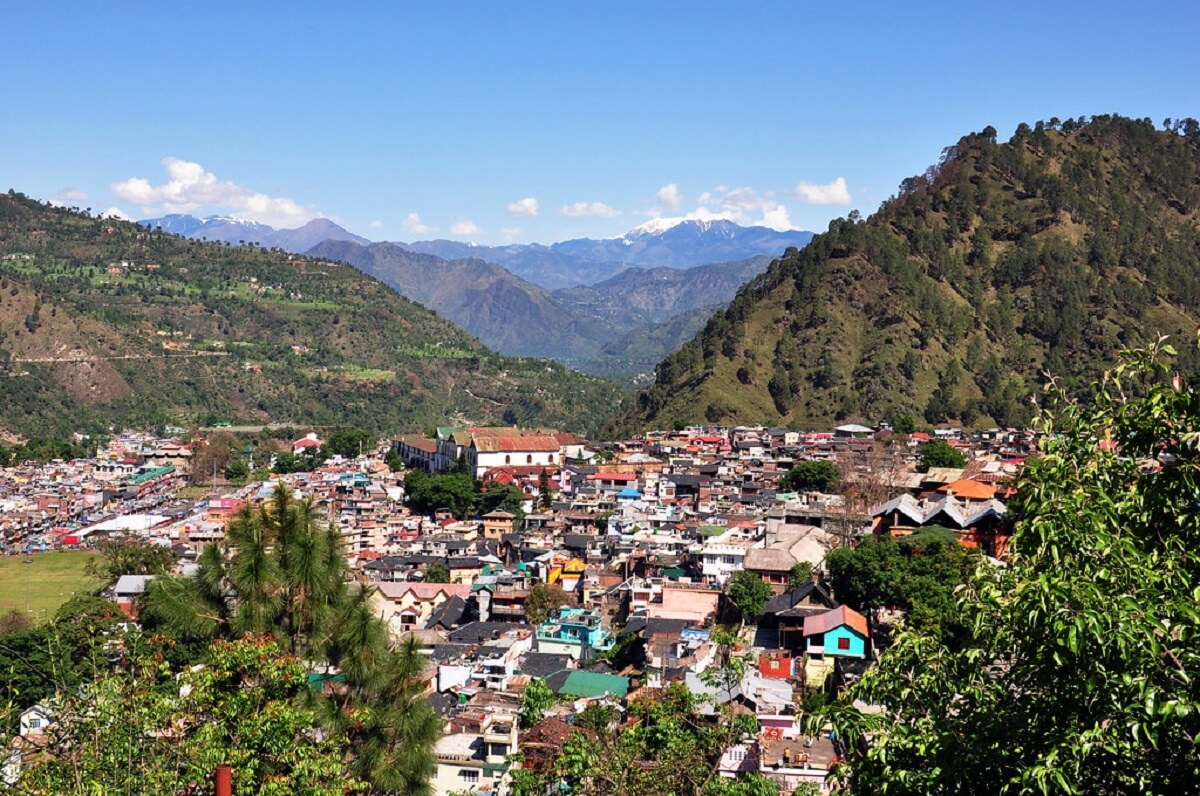
Top Things to Do & Activities in Himachal Pradesh
Discover a world of unforgettable experiences and top activities at this destination! Whether you’re seeking adventure, cultural immersion, relaxation, or family fun, find the best things to do—from sightseeing and outdoor adventures to culinary delights, spiritual journeys, and local events. Enjoy every moment and make your trip truly memorable!
Popular City in Himachal Pradesh
Explore our selection of popular packages in Himachal Pradesh. Whether you're looking for a relaxing getaway, a family-friendly trip, or a solo adventure, we have the perfect package for you. Book now and experience the best of Himachal Pradesh like never before!