Discover Amazing Khajjiar
Khajjiar in Himachal Pradesh offers green meadows, Khajjiar Lake, pine forests, and mountain views. Known as the ‘Mini Switzerland of India,’ it’s perfect for nature lovers, photography, and relaxation.
About This Destination
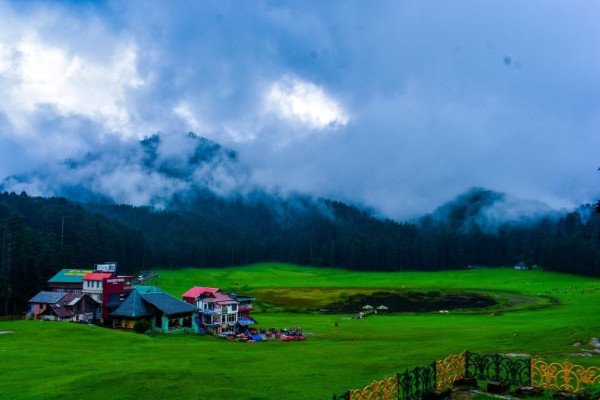
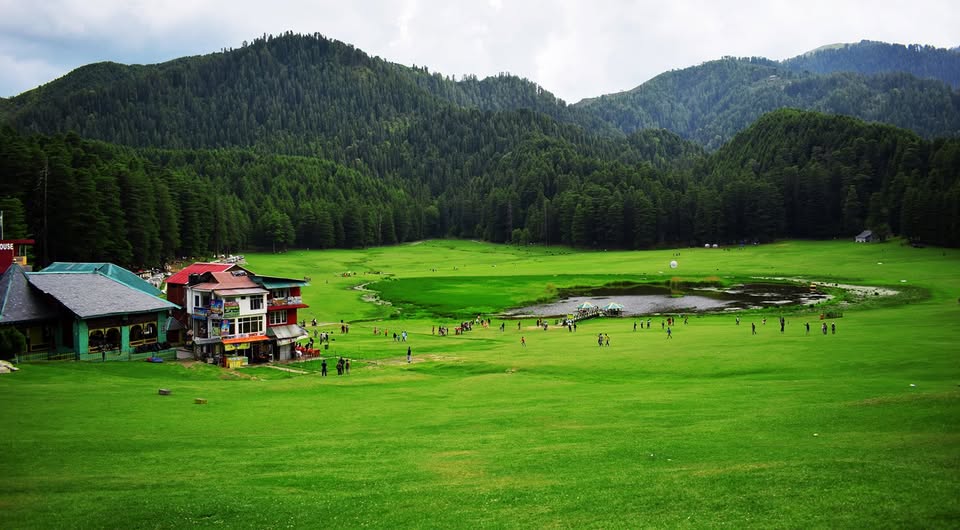
Khajjiar, nestled in the Chamba district of Himachal Pradesh, is a tiny, stunningly picturesque saucer-shaped plateau famous globally as the "Mini Switzerland of India." This moniker, officially bestowed by the Swiss Envoy Willy P. Blazer in 1992, is perfectly justified by its lush, vast green meadow, which cradles a small, serene lake and is framed by dense forests of deodar and pine, all set against the backdrop of the towering Dhauladhar ranges.
For travelers seeking a peaceful yet adventurous destination in the Himalayas, Khajjiar is a perfect fit. It is most frequently visited as part of a Dalhousie and Khajjiar itinerary, but the sheer natural beauty of its meadow, which is the heart of the village, merits its own focus. This guide is crafted to give you the most helpful travel information, ensuring you reach this paradise without hassle and experience its unique charm, providing the best time to plan a Himachal trip covering Khajjiar.
How to Reach Khajjiar
Khajjiar’s remote, pristine setting means that direct access is challenging. The journey involves combining air or rail travel with a scenic mountain road trip from a major transport hub, most often via Dalhousie or Chamba.
Nearest Railway Station: Pathankot (PTK)
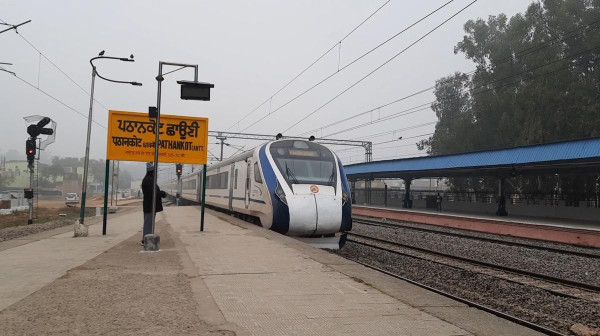
- Pathankot Cantonment (PTKC) / Pathankot Junction (PTK): These twin stations in Punjab are the closest major railheads to the Khajjiar-Dalhousie region. Pathankot is excellently connected by rail to all major North Indian cities, including Delhi, Mumbai, and Kolkata.
- Transfer: From Pathankot, Khajjiar is approximately 95 to 100 kilometers away. The road journey is scenic but takes around 3.5 to 4 hours by taxi due to the hilly terrain. Shared taxis and buses are also available, often running to Dalhousie first, which is a key hub.
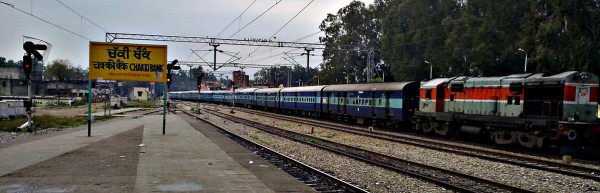
- Chakki Bank (CHKB): Often referred to interchangeably with Pathankot, the Chakki Bank station is another convenient option for those planning a train trip to Dalhousie and Khajjiar.
Nearest Airport: Gaggal / Pathankot
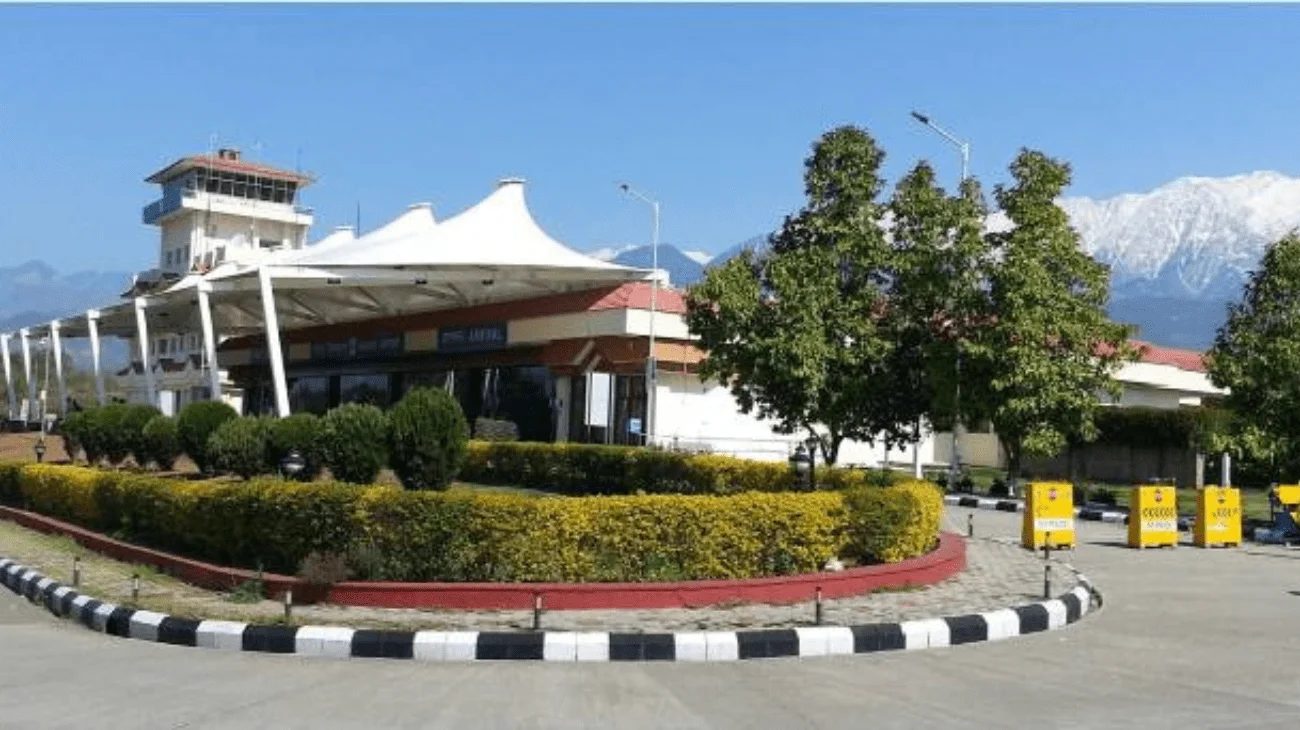
- Gaggal Airport (DHM) in Kangra: Located near Dharamshala, this is often cited as the nearest accessible airport, situated around 130 to 140 kilometers from Khajjiar. Gaggal handles flights from Delhi and other major northern cities.
- Transfer: The road journey from Gaggal to Khajjiar is longer but offers picturesque views as you drive through the lower Himalayas. Hiring a taxi is the recommended way to travel.
By Road: The Essential Mountain Drive
The last leg of the journey is always by road, and it’s a memorable experience.
- From Dalhousie: Khajjiar is just about 22 to 24 kilometers from the colonial hill station of Dalhousie. This route is extremely popular for a day trip to Mini Switzerland. The drive takes approximately an hour and is well-maintained, passing through dense forests of deodar.
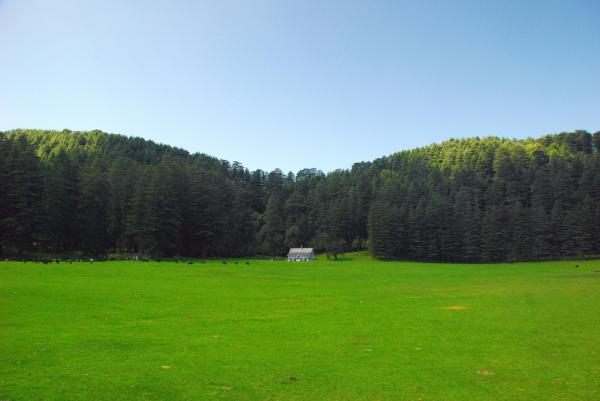
- From Chamba: Khajjiar is also easily accessible from the historic town of Chamba, approximately 22 kilometers away.
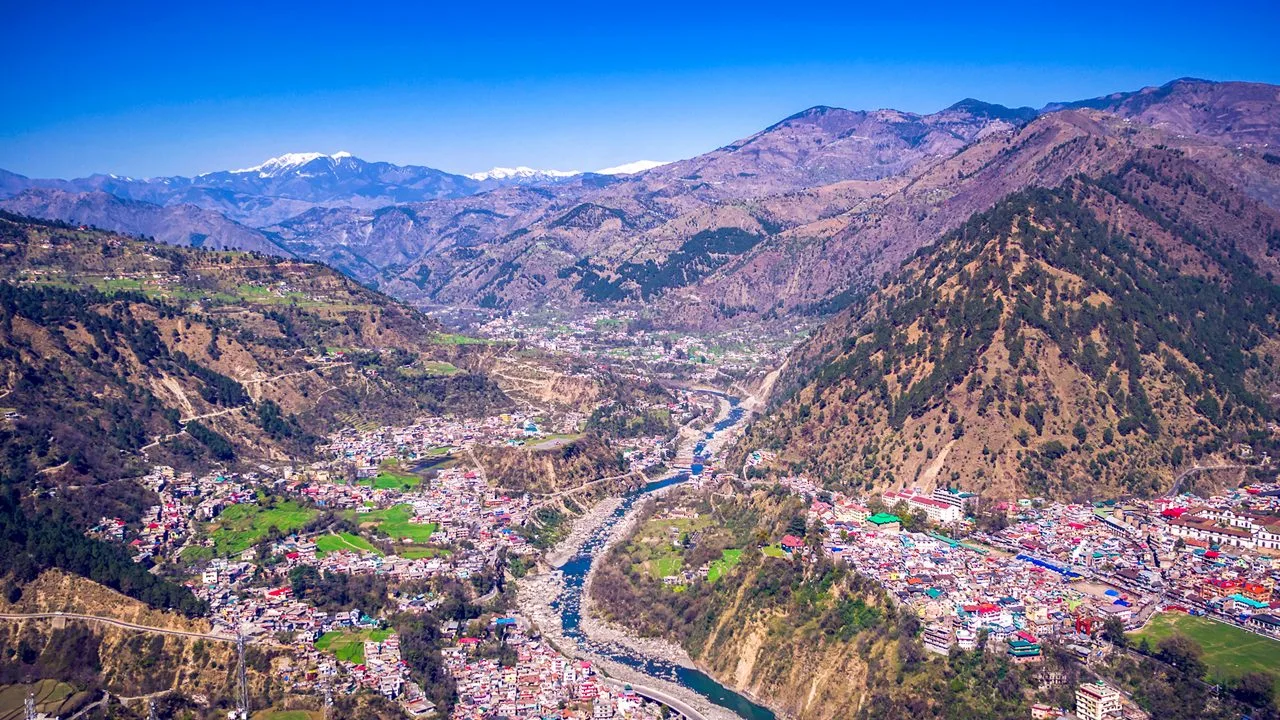
- Bus Services: State-run and private buses regularly ply between Pathankot, Dalhousie, Chamba, and Khajjiar, providing the most affordable way to reach Khajjiar.
Best Time to Visit: Year-Round Himalayan Charm
Khajjiar’s beauty changes dramatically with the seasons, offering different experiences depending on whether you seek snow, blossoms, or green tranquility.
Spring and Summer (April to June):
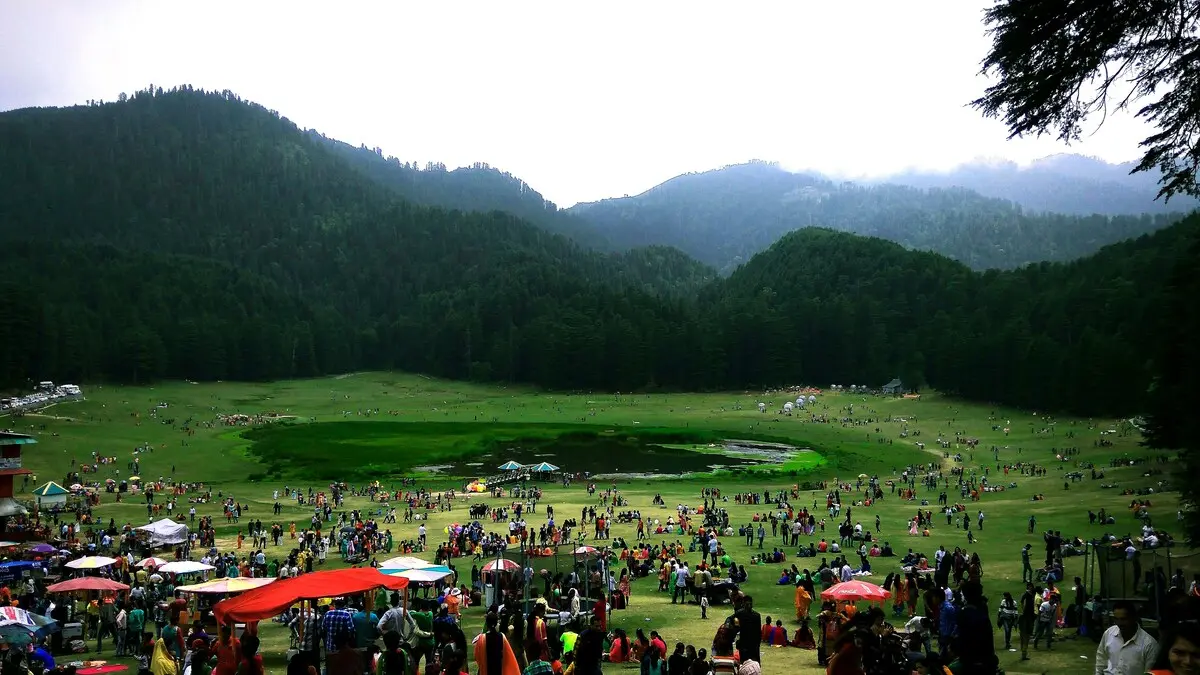
- What to Expect: This is the peak tourist season and the best time to visit Khajjiar for pleasant weather and outdoor activities. The temperature is moderate and ideal for sightseeing (ranging from 15°C to 25C. The meadows are at their greenest, and the sky is generally clear.
- Best For: Zorbing, paragliding, long nature walks around the lake, and enjoying the clear views of the Dhauladhar and Pir Panjal ranges.
Monsoon (July to September):
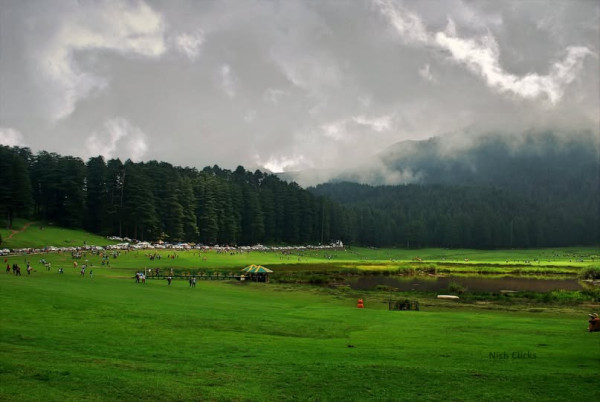
- What to Expect: The region receives regular but not excessive rainfall, turning the meadow even more lush and vibrant. Mist often descends upon the pine and deodar forests, creating a mystical, tranquil atmosphere.
- Best For: Photography, a peaceful retreat with fewer crowds, and appreciating the cascading streams and monsoon waterfalls that appear along the roads from Dalhousie. Travelers should carry rain gear and be mindful of occasional slippery paths.
Winter (October to March):
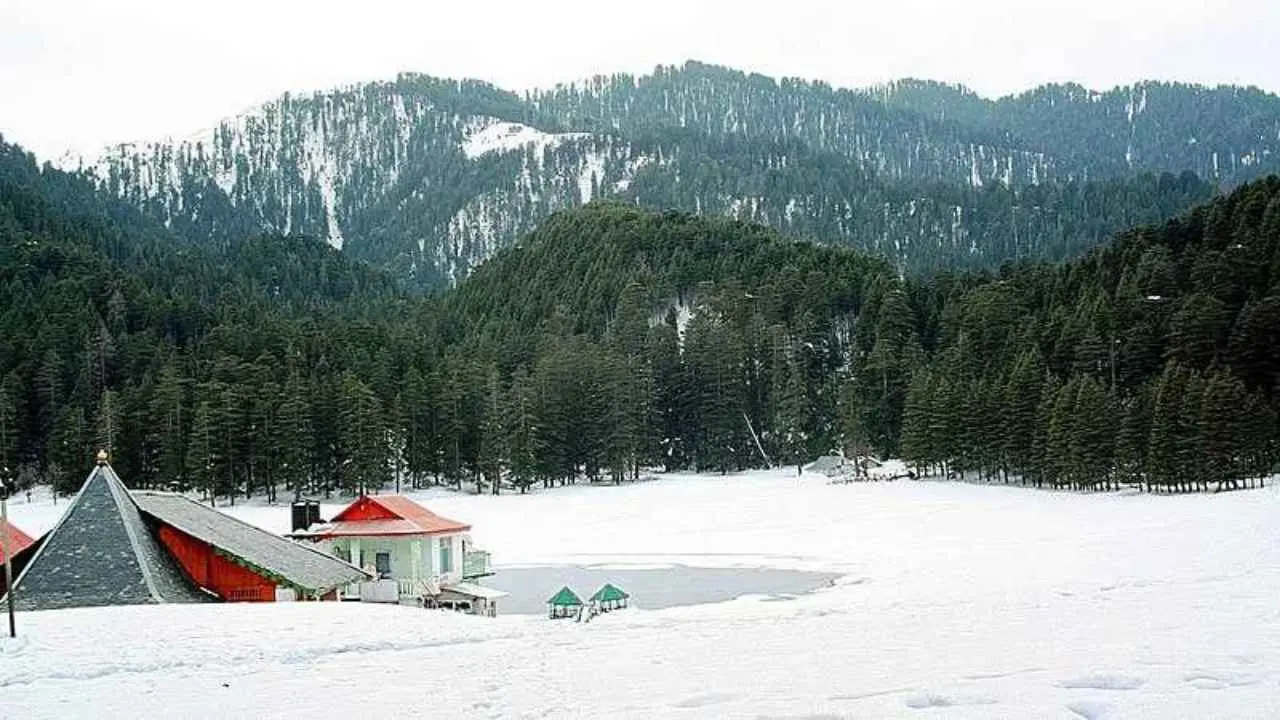
- What to Expect: Khajjiar experiences intense cold, with temperatures often dropping below freezing, especially from December to February. Heavy snowfall is common during these months, transforming the meadow into a beautiful, silent white landscape.
- Best For: Snow lovers, honeymooners seeking a romantic, serene escape, and photographers aiming to capture the spectacular snow-covered Himalayan vistas. Access may occasionally be briefly interrupted by heavy snow, so checking road conditions to Khajjiar in winter is essential.
History and The Mini Switzerland Identity
Khajjiar's history is a blend of ancient folklore, religious dedication, and modern geographical recognition.
Khajji Nag: The Serpent God
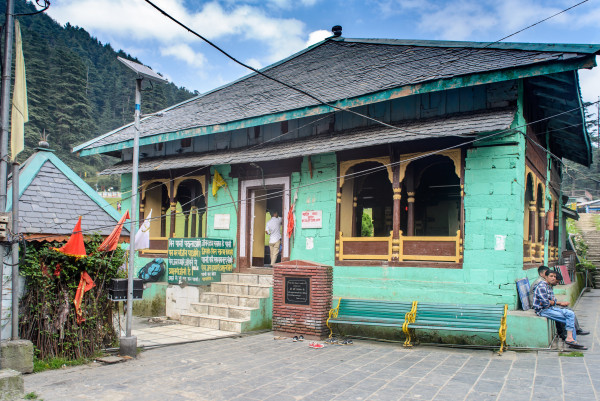
The town derives its name from the ancient deity, Khajji Nag, the Serpent God, whose 12th-century temple is a central attraction. The region was historically part of the Chamba Kingdom, ruled by the Rajput dynasty. The temple is one of the oldest in Himachal Pradesh, reflecting a unique architectural fusion. The strong local reverence for the serpent deity is a key aspect of the region's cultural identity.
The Swiss Connection
The most distinguishing feature of Khajjiar is its status as one of only 160 locations worldwide to be designated as "Mini Switzerland." This title was conferred on July 7, 1992, by Willy P. Blazer, a Swiss Vice-Counsellor, who was captivated by the striking topographical resemblance of the meadow and surrounding forest to the landscapes of Switzerland.
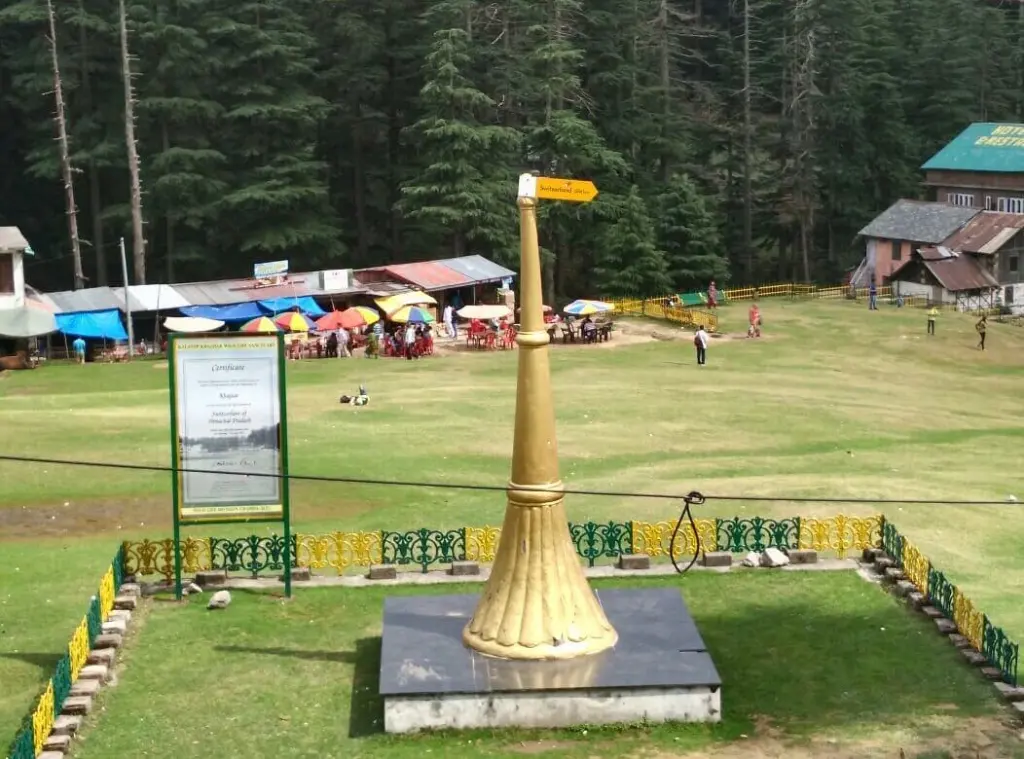
- Geographical Marker: To commemorate this event and solidify the connection, a yellow Swiss sign board was placed near the meadow. It indicates the distance of Khajjiar from Bern, the capital of Switzerland, which is roughly 6,194km. A stone from Khajjiar was also taken and is incorporated into a stone sculpture in Bern, symbolizing the global fraternity. This unique designation makes Khajjiar a highly searched destination for those looking for Mini Switzerland in India.
The Kalatop-Khajjiar Sanctuary
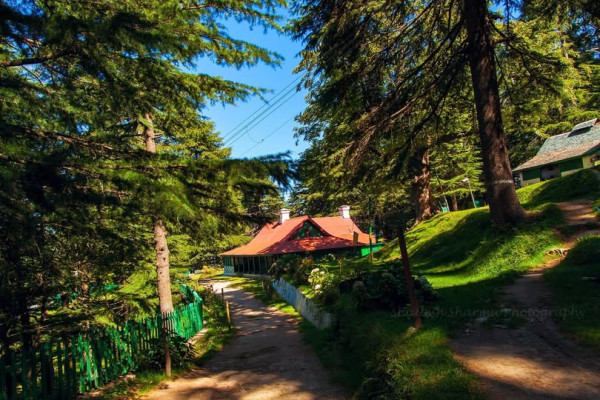
The valley lies entirely within the protected boundaries of the Kalatop Khajjiar Wildlife Sanctuary, which was established to protect the rich biodiversity of the Dhauladhar forests, ensuring the surrounding landscape remains pristine and undisturbed by commercial growth.
Places to Visit: Beyond the Meadow
While the Khajjiar meadow and lake are the heart of the village, the surrounding region offers historical, spiritual, and adventurous sites.
1. The Khajjiar Meadow and Lake'
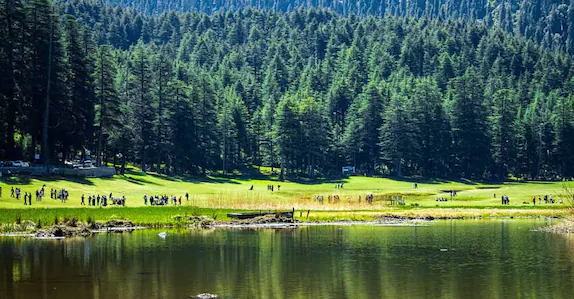
- Khajjiar Lake: Situated right in the center of the meadow, this small, high-altitude lake is the soul of the destination. A unique feature of the lake is the presence of floating patches of grass and weeds that sometimes drift on the water's surface, giving the appearance of a floating island. The entire meadow is a favorite spot for picnics, leisurely walks, and photography.
- Nine-Hole Golf Course: Tucked amidst the vast meadow, a beautifully maintained nine-hole golf course provides a serene backdrop and a unique sporting opportunity, drawing those interested in a Himalayan golf experience.
2. Ancient and Unique Spiritual Sites
- Golden Devi Temple: A small temple situated near the edge of the lake, noticeable for its golden-domed roof, hence the name. It adds a touch of spiritual color to the green landscape.
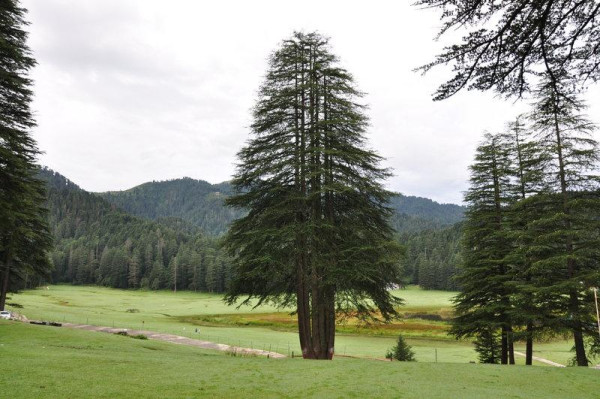
- Panch Pandav Tree: Located near the Khajjiar ground, this is a distinct Deodar tree known for having six shoots of nearly similar height, which the locals associate with the five Pandava brothers and their wife, Draupadi, making it a unique stop for those interested in Indian mythology and nature folklore.
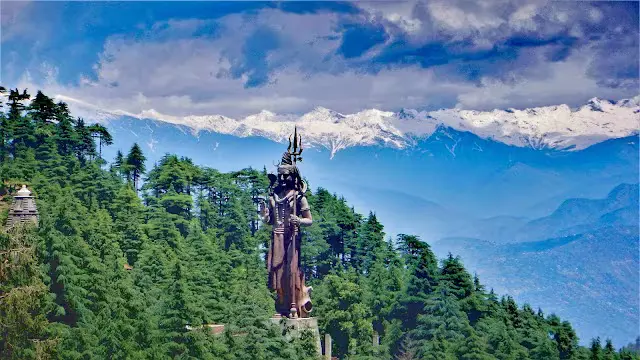
- Lord Shiva Statue: A magnificent, large statue of Lord Shiva, standing at approximately 85 feet, is located a short drive from the main meadow. This majestic sculpture adds a significant modern spiritual landmark to the area.
3. Nature and Viewpoints
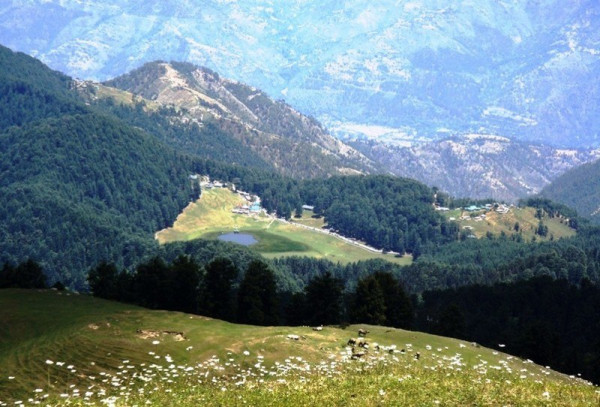
- Dainkund Peak: Though technically part of Dalhousie's circuit, a trip to Khajjiar is incomplete without a stop here. It is the highest peak in the Dalhousie region, offering truly commanding views of the entire valley and the surrounding Pir Panjal and Dhauladhar ranges. A short, beautiful trek leads to the Phoolani Devi Temple at the summit, known locally as the Singing Hill due to the musical sound the wind makes passing through the dense trees.
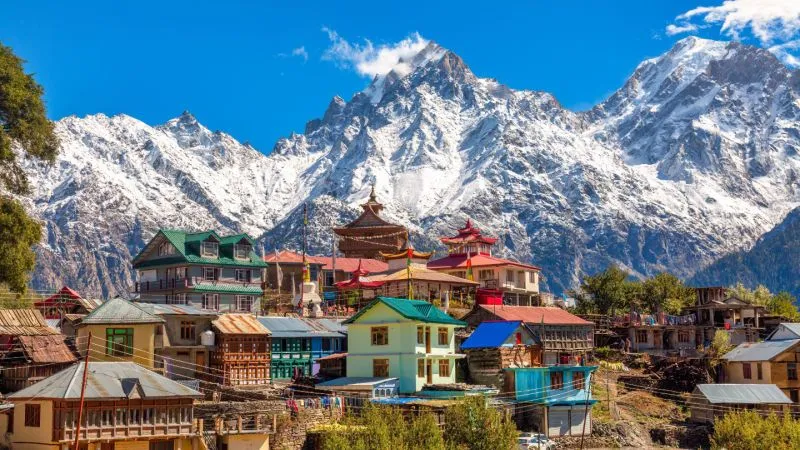
- Kailash Villages (Rota and Ladi): These small, picturesque hamlets situated around the Khajjiar ground offer a peaceful glimpse into traditional Gaddi and Himachali village life. On a clear day, one can often catch a glimpse of the sacred Kailash Parbat mountain peak, believed to be the abode of Lord Shiva.
Things To Do: Adventure and Tranquility
Khajjiar is a perfect destination for both soft adventure and relaxing amidst nature's grandeur.
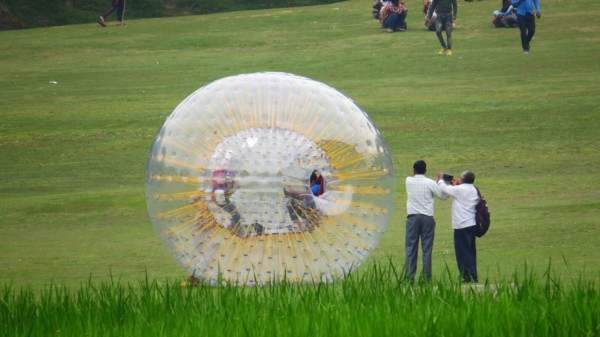
- Adventure Sports on the Meadow: The open, sloping meadow is an ideal location for accessible adventure activities. The most popular activities include zorbing in Khajjiar (rolling down the slope inside a large, transparent inflatable ball) and horse riding around the perimeter of the meadow. Soft paragliding is also occasionally offered, depending on favorable wind conditions.
- Trekking and Hiking: Several popular trails connect Khajjiar to nearby areas. The most famous is the trek to Dainkund Peak and the beautiful hiking paths within the Kalatop Wildlife Sanctuary. These trails offer stunning views and the chance to spot wildlife.
- Shopping for Local Crafts: Visitors can find traditional Himachali and Tibetan handicrafts, especially near the Khajjiar lake area and the HP State Handicrafts Centre. Look for woollen shawls, caps, silver jewellery, and locally carved wooden items, making for perfect souvenirs from Khajjiar.
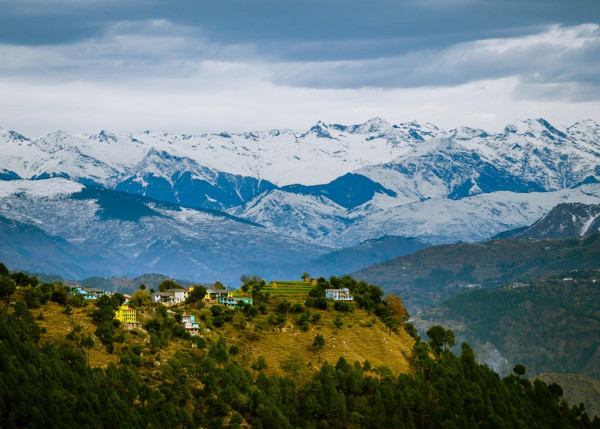
- Photography and Picnics: With the vast green carpet, the lake, and the Dhauladhar peaks forming the backdrop, Khajjiar is a paradise for photography enthusiasts. Spending an afternoon simply picnicking by the lake is a favorite, simple, and rewarding activity for families.
Top Things to Do & Activities in Khajjiar
Discover a world of unforgettable experiences and top activities at this destination! Whether you’re seeking adventure, cultural immersion, relaxation, or family fun, find the best things to do—from sightseeing and outdoor adventures to culinary delights, spiritual journeys, and local events. Enjoy every moment and make your trip truly memorable!