Discover Amazing Tirthan Valley
Tirthan Valley in Himachal Pradesh is a tranquil paradise known for its crystal-clear river, lush forests, and charming villages. It’s ideal for trekking, trout fishing, and enjoying untouched natural beauty.
About This Destination
Tirthan Valley, nestled in the Kullu district of Himachal Pradesh, is not just a destination; it's a philosophy of slow travel. Named after the Tirthan River, which originates from the glacial springs of the Great Himalayan National Park (GHNP), this valley has successfully preserved its pristine environment and quiet, genuine charm. It stands as a beacon for those who are tired of crowded hill stations and seek a deeper connection with nature, making it a truly "fresh" and attractive escape.
Unlike its bustling neighbours, Tirthan has cultivated an eco-tourism model driven by local communities and centered around the UNESCO World Heritage site, the GHNP. Here, the loudest noise you'll hear is the roar of the river, and the most urgent activity is deciding whether to cast a line for Himalayan trout or simply read a book by the water. This is an exploration for the soul, a place where the journey is as rewarding as the destination itself.
Overview: The Soul of Tirthan – Pristine, Protected, and Peaceful
The valley is defined by three core characteristics that make it unique in the crowded Himalayan circuit:
The Great Himalayan National Park (GHNP)
Tirthan Valley is essentially the gateway to the western boundary of the GHNP. This protected area, spanning over 754 sq km, is a global biodiversity hotspot and is the reason for the valley’s unparalleled ecological purity. The park's pristine boundaries mean the Tirthan River is one of the cleanest rivers in India, brimming with fish life, most notably the famed Brown and Rainbow Trout.
The Eco-Tourism Model and Local Life
Tourism here is dominated by authentic homestays and small guesthouses run by local families, particularly in villages like Gushaini, Nagini, Jibhi, and Shoja. This decentralized, low-impact model ensures that the economic benefits remain within the community, encouraging locals to protect the environment. When you visit Tirthan, you are not just a tourist; you are a guest in a Himachali home, often sharing stories and traditional meals with your hosts. This genuine hospitality is what attracts serious travellers.
Architectural Charm: Kath-Kuni Style
Keep an eye out for the traditional Himachali Kath-Kuni architecture a sophisticated technique utilizing dry stone and wood without cement, designed to withstand earthquakes. This style, particularly visible in ancient structures like the Chehni Kothi, adds a unique, historical character to the landscape, blending seamlessly with the forested surroundings.
How to Reach Tirthan Valley
Reaching this quiet corner of the Himalayas requires a bit of planning, which helps keep the mass tourist crowds at bay. The final leg of the journey after the main highway detour is the most scenic.
By Road (The Most Common Route)
The most convenient and popular method, especially from Delhi/Chandigarh, is the overnight bus journey.
- Delhi to Aut: Take an overnight Volvo bus heading towards Manali or Kullu. You must get down at a small town called Aut. The journey typically takes 10 to 12 hours.
- The Critical Detour at Aut: This is the most important instruction. Do NOT enter the Aut Tunnel. The road to Tirthan Valley (Banjar/Gushaini) branches off to the right just before the main tunnel entrance. You will see a small, often unassuming sign for Banjar/Larji.
- Aut to Banjar/Gushaini: From Aut, you can hire a local taxi or take an HRTC local bus towards Banjar (the main market town) and then further up to the main valley villages like Gushaini or Jibhi. This final stretch is about 30–40 km and takes about 1.5 to 2 hours, tracing the Tirthan River.
By Air (The Fastest Option)
- Nearest Airport: Kullu-Manali Airport (KUU) at Bhuntar.
- Bhuntar to Tirthan Valley: The airport is approximately 50-60 km from the core Tirthan Valley villages (Gushaini/Jibhi). Taxis are readily available from the airport to take you directly to your homestay.
By Train (Less Recommended)
The nearest major railway station with good connectivity is Chandigarh Railway Station (around 250 km away). From Chandigarh, the journey involves a full-day road trip via taxi or bus to Aut.
Best Time to Visit
Tirthan Valley is lovely year-round, but each season offers a distinctly different experience. Your choice should depend on your preferred activity, be it trekking, fishing, or enjoying the snow.
Spring & Summer (March to June):
- Weather: Pleasant and ideal, with temperatures ranging from 10°C to 25°C.
- Why Visit: The valley comes alive with blooming rhododendrons, apple blossoms, and lush greenery. The weather is perfect for long day hikes and multi-day treks into the GHNP. The water levels in the river are manageable for adventure sports like river crossing. This is the peak season for trout fishing.
Monsoon (July to August): The Emerald Glow
- Weather: Warm, humid, and subject to moderate to heavy rainfall.
- Why Visit: This is the most vibrant and green time, offering spectacular waterfalls and incredibly dense forests. It's a photographer's dream, but trekking can be difficult and slippery. Caution is advised due to the possibility of minor landslides. This is generally the least crowded time.
Autumn (September to November): The Clarity Season
- Weather: Crisp, cool, and highly pleasant, with temperatures ranging from 5°C to 20°C.
- Why Visit: This is arguably the best season for clear, panoramic Himalayan views. The post-monsoon skies are spotless, making it ideal for sightseeing and long drives up to Jalori Pass. The foliage takes on beautiful yellow and brown hues.
Winter (December to February): The Snow Retreat
- Weather: Cold to freezing, often dropping below 0°C. Heavy snowfall is common, especially in January and February.
- Why Visit: Tirthan Valley transforms into a peaceful winter wonderland. It is the perfect time for a cozy, quiet stay by a bukhari (traditional wood stove). High-altitude areas like Jalori Pass often close due to snow, making this season more about relaxation and local village life than heavy trekking.
Things to Do in Tirthan Valley
The magic of Tirthan is that the best things to do aren't planned excursions but simple, authentic experiences that immerse you in the local ecosystem.
The Great Himalayan National Park (GHNP) Immersion
This is the core activity of the valley. While the full multi-day treks (e.g., to Rolla or Shilt Hut) require permits and experienced guides, several day hikes offer a taste of the park’s wilderness.
- Gushaini to Rolla: Starting from the village of Gushaini, this is a popular moderate day hike. You must cross the Tirthan River (either via a local bridge or, sometimes, a basket system) and officially enter the Ecozone. The trail takes you through dense pine and cedar forests, offering stunning views of the river and a true sense of the park’s pristine nature.
- Village Hikes: Embark on gentle nature walks from your homestay (e.g., in Sai Ropa or Nagini) to explore the park's peripheral trails, focusing on birdwatching. The GHNP is a sanctuary for rare Himalayan species like the Western Tragopan and the Monal pheasant.
Angling and Riverside Leisure: The Trout Culture
Tirthan River is famous worldwide among anglers for its population of Rainbow and Brown Trout.
- Angling: If you enjoy fishing, obtain a license from the GHNP office in Sai Ropa. It is a strictly catch-and-release area, upholding its conservation commitment. Even if you don't fish, simply sitting on the large riverside rocks, listening to the rushing water, is a deeply meditative experience.
- River Crossing: For a dose of adrenaline, many local adventure operators offer river crossing using a rope and harness system, allowing you to zip safely over the icy, fast-flowing river.
The Jibhi-Shoja-Jalori Pass Circuit (The High-Altitude Loop)
This set of interconnected spots forms a perfect day trip or a second base camp experience.
- Jalori Pass: A high mountain pass situated at an altitude of approximately 10,800 feet. The drive up (especially from Banjar) is exhilarating and offers breathtaking panoramic views of the inner and outer Seraj Valley.
- Trek to Serolsar Lake: From Jalori Pass, a relatively easy, flat 5 km trek (about 1.5–2 hours one way) through dense oak and pine forests leads you to Serolsar Lake. This pristine, small lake is considered sacred and is home to the temple of Budhi Nagin, the local deity believed to be the mother of all Nag Devtas (Snake Gods). Local legend holds that a pair of protective birds keep the lake perpetually clean.
- Raghupur Fort: Another moderate trek from Jalori Pass (about 3 km) takes you to the ruins of Raghupur Fort. While the fort itself is mostly gone, the meadow at the top offers a stunning 360-degree view of the Himalayas, making it a perfect spot for sunset viewing and a quiet picnic.
- Explore Jibhi: The village of Jibhi, located on the road between Banjar and Jalori Pass, has become popular for its charming, fairy-tale-like setting near a stream. It's an excellent place to base yourself if you want a more bohemian and youthful vibe, complete with cozy cafes.
Cultural Deep Dive: Chehni Kothi and Local Villages
Venture into the local hamlets to appreciate the culture and architecture.
- Chehni Kothi: Located near Banjar, this impressive structure is a 9-storey watchtower, one of the best examples of Kath-Kuni architecture remaining in the valley. It stands as a testament to the region's historical engineering and defensive strategy. A short hike leads you to this towering marvel.
- Village Walks: Wander through less-visited villages like Sharchi and Pekhri. These are known for their intricate wood carvings on traditional homes, untouched apple orchards, and a chance to interact with the warm pahadi people, learning about their life, customs, and farming methods.
Nearby Gems: Extending Your Tirthan Journey
The charm of the Tirthan Valley is that it is the heart of a larger, stunning region known as the Seraj Valley. Two primary extensions are highly recommended.
Jibhi Valley (Part of Seraj Valley)
While often grouped with Tirthan, Jibhi is a distinct village slightly away from the Tirthan River, known for its dense forests and quieter atmosphere.
- Jibhi Waterfall: A small, picturesque waterfall requiring a 15-minute forested walk. It's ideal for a quick dip and peaceful photo-op.
- Shringa Rishi Temple: Located near Jibhi, this beautiful temple is dedicated to the local patron deity, Shringa Rishi. The temple showcases exquisite traditional woodwork and is highly sacred to the locals.
Prashar Lake (A Spectacular Detour)
A beautiful high-altitude lake located approximately 49 km from Mandi and often done as a side trip from the Aut area or a final stop on the way back.
- The Mystery: The lake is famous for its floating circular island, the size of which changes throughout the year. Its depth is still unknown.
- The Temple: A three-story pagoda-style temple dedicated to the sage Parashar stands beside the lake, built in the classic Kath-Kuni style. The entire setting is dramatically scenic, with the Dhauladhar, Kinnaur, and Pir Panjal ranges visible in the distance.
The Tirthan Traveller's Ethos: Sustainable and Slow
The attraction of Tirthan lies in its deliberate resistance to commercialization. As a traveller, you become a guardian of this environment.
- Homestay Over Hotel: Choose to stay in a homestay to truly support local life and get an authentic cultural experience. It also means enjoying simple, delicious Himachali cuisine (like Sidu and Rajmah), cooked with organic local produce.
- Leave No Trace: Practice strict LNT principles. The valley’s cleanliness is its greatest asset. Carry back all non-biodegradable waste.
- Disconnect to Connect: Mobile connectivity is generally available (Jio/Airtel work well in the main villages), but consciously utilize the absence of constant city
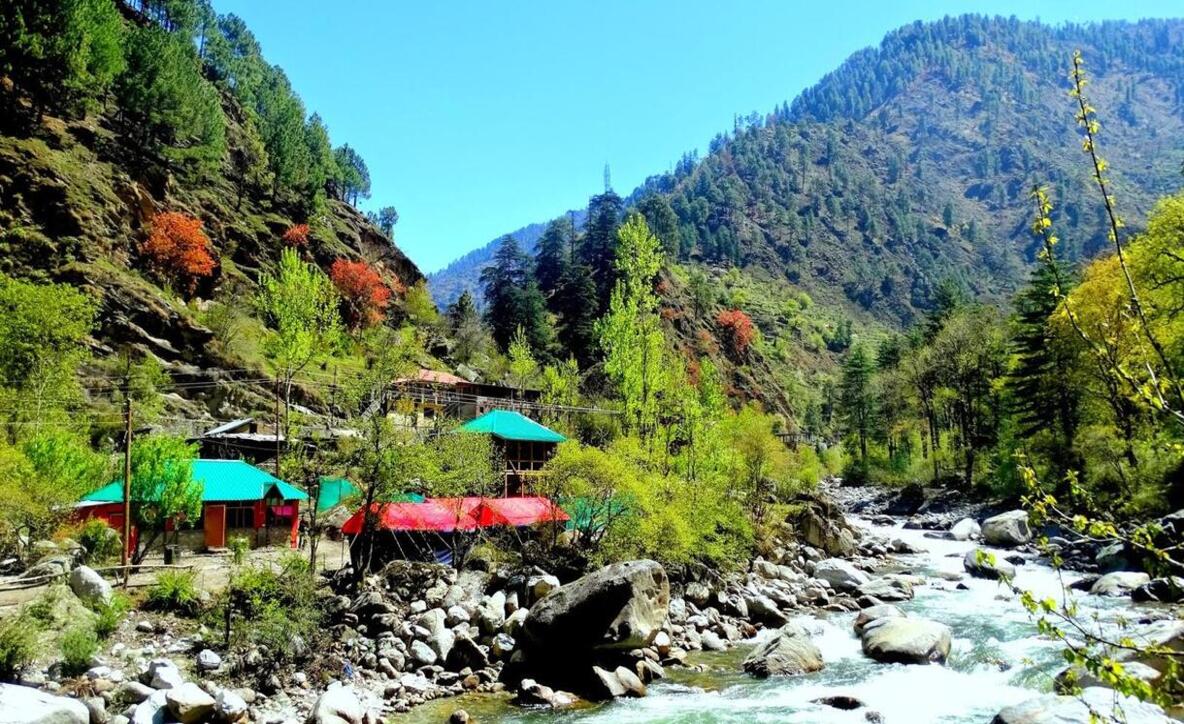
Top Things to Do & Activities in Tirthan Valley
Discover a world of unforgettable experiences and top activities at this destination! Whether you’re seeking adventure, cultural immersion, relaxation, or family fun, find the best things to do—from sightseeing and outdoor adventures to culinary delights, spiritual journeys, and local events. Enjoy every moment and make your trip truly memorable!