Discover Amazing Srinagar
Srinagar, the heart of Kashmir, is known for Dal Lake, Mughal gardens, houseboats, and stunning Himalayan views. With pleasant summers, snowy winters, and rich culture, it is a perfect destination for nature lovers and peaceful holidays.
About This Destination
Nestled in the heart of the Kashmir Valley, Srinagar is a place where time seems to slow down. As the summer capital of Jammu and Kashmir, it has long been celebrated as "Paradise on Earth" not just for its towering mountains and sparkling lakes, but for the soul-stirring tranquility that greets every traveler. Whether you are gliding on a wooden boat at dawn or walking through gardens once favored by Mughal Emperors, Srinagar offers a sensory experience that no other city in India can replicate.
This guide is designed to help you navigate the city like a local, ensuring you don't miss the hidden gems that make Srinagar truly special.
Where is Srinagar Located?
Srinagar is perched at an altitude of approximately 1,585 meters (5,200 feet) on the banks of the Jhelum River. Geographically, it sits in the center of the Kashmir Valley, surrounded by the Zabarwan and Pir Panjal mountain ranges.
- From Jammu: 260 km
- From Delhi: 810 km
- From Chandigarh: 570 km
The city’s unique location makes it the perfect base for exploring the wider region, including the high-altitude meadows of Gulmarg and the serene valleys of Pahalgam.
How to Reach Srinagar
Reaching this Himalayan haven has become significantly easier with improved connectivity.
By Air
The Sheikh ul-Alam International Airport (SXR) is the primary gateway. It is well-connected with direct flights from major Indian cities like Delhi, Mumbai, Bangalore, and Chandigarh. The airport is roughly 15 km from the city center, and prepaid taxis are readily available for a smooth transfer to your hotel or houseboat.
By Road
The Jammu-Srinagar National Highway (NH 44) is the lifeline of the valley. While the drive is breathtakingly scenic, passing through the Chenani-Nashri Tunnel, it can be long (8–10 hours from Jammu). JKSRTC buses and private taxis ply this route daily.
By Train
Currently, the nearest major railway station is Jammu Tawi. From there, you can take a taxi or bus. However, the revolutionary Udhampur-Srinagar-Baramulla Rail Link (USBRL) is nearing full completion, which will soon allow direct train travel into the heart of the valley.
Best Time to Visit Srinagar
Srinagar is a "four-season" destination, with each month offering a completely different aesthetic.
- Spring (March to April): This is the famous Tulip season. The Indira Gandhi Memorial Tulip Garden blooms in a riot of colors. The weather is cool, and the fruit orchards begin to blossom.
- Summer (May to August): The most popular time for a Srinagar tour package. While the rest of India swelters, Srinagar remains pleasant (20°C to 30°C), making it ideal for sightseeing and shikara rides.
- Autumn (September to November): The valley turns gold. The Chinar trees shed their leaves, creating a crunchy, crimson carpet. This is the best time for photography and enjoying the crisp mountain air.
- Winter (December to February): For those chasing snow, this is the best time to visit Srinagar. The city transforms into a white wonderland. You can enjoy "Harissa" (a traditional winter breakfast) and watch the Dal Lake partially freeze.
Top Srinagar Tourist Places
When planning your itinerary, ensure these Srinagar tourist places are at the top of your list:
1. Dal Lake & Houseboats
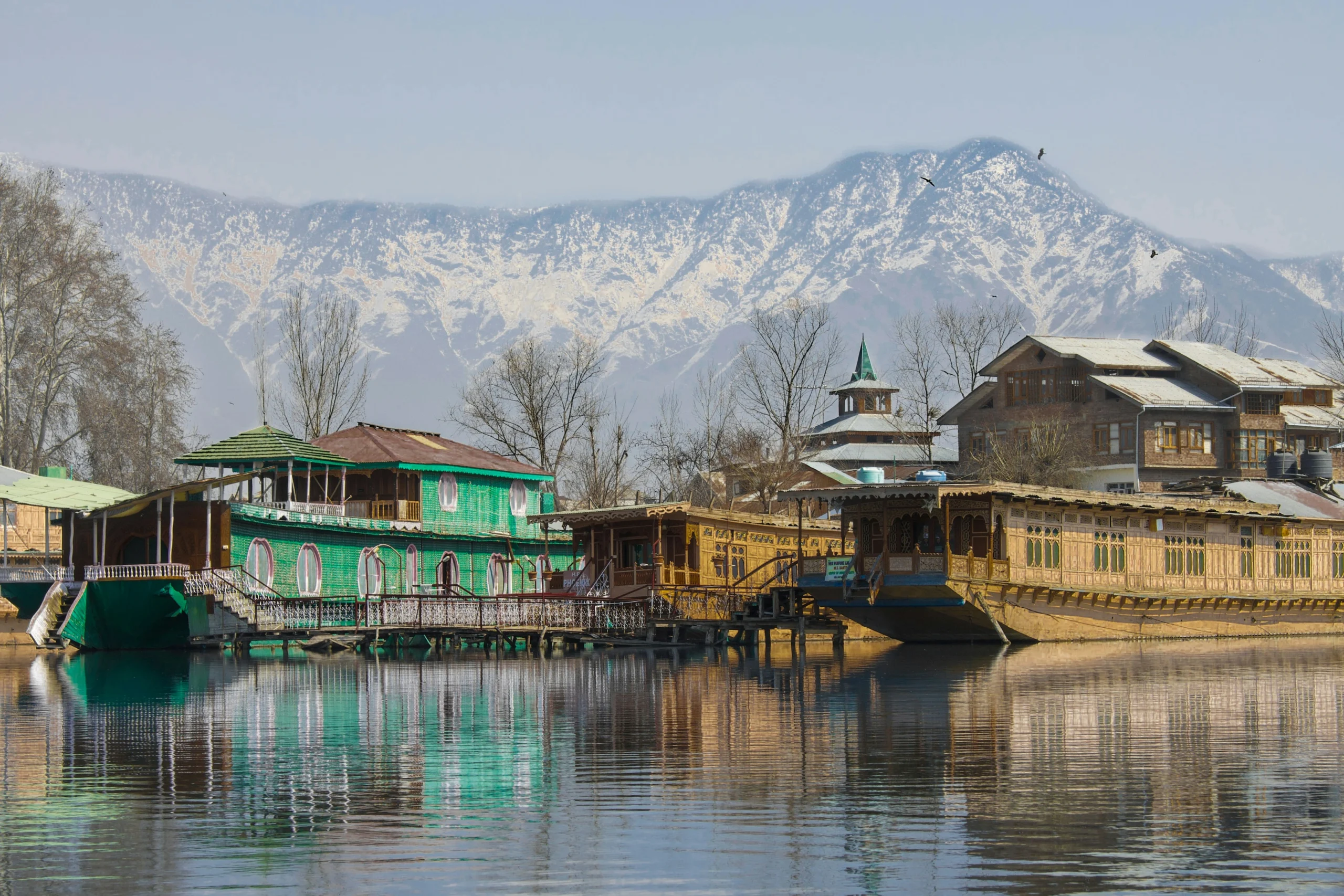
The heartbeat of Srinagar. Dal Lake is not just a body of water; it’s a floating ecosystem. Staying in a hand-carved cedar-wood houseboat is a mandatory experience. Don’t miss the Floating Vegetable Market at 5:00 AM it’s a rare glimpse into local life.
2. The Mughal Gardens
The Mughals were obsessed with the beauty of Kashmir and built several terraced gardens:
- Shalimar Bagh: The "Abode of Love," built by Jahangir for his wife Nur Jahan.
- Nishat Bagh: The "Garden of Joy," offering a stunning view of the lake against the mountains.
- Chashme Shahi: Known for its natural spring water, believed to have medicinal properties.
3. Shankaracharya Temple
Perched atop a hill, this ancient stone temple dedicated to Lord Shiva offers the most iconic 360-degree view of Srinagar city and the winding Jhelum River.
4. Hazratbal Shrine
A symbol of deep faith and architectural elegance, this white marble shrine sits on the northern shores of Dal Lake and houses a relic believed to be a hair of the Prophet Muhammad.
5. Old City (Shah-e-Hamdan & Jamia Masjid)
To see the "real" Srinagar, head to the Old City. The Jamia Masjid is an architectural marvel with 370 wooden pillars, while the Khanqah-e-Moula shrine showcases intricate Kashmiri woodwork and papier-mâché.
Things to Do in Srinagar
Beyond the monuments, Srinagar is about the experiences that linger in your memory.
- Shikara Ride: A slow, rhythmic boat ride on Dal Lake at sunset is the ultimate way to unwind. You can even shop for jewelry and saffron from "floating shops" that pull up alongside your boat.
- Local Shopping: Srinagar is a shopper’s paradise. Look for Pashmina shawls, hand-knotted silk carpets, and walnut wood carvings. Always buy Saffron (Kesar) from government-certified outlets to ensure authenticity.
- Stay in a Houseboat: Unlike a hotel, a houseboat gives you the feeling of living on the water. The intricate carvings and Victorian-style interiors offer a unique vintage charm.
- Nature Walks in Dachigam: Located 22 km from the city, Dachigam National Park is the last home of the Hangul (Kashmiri Stag). It’s a must-visit for wildlife enthusiasts.
Srinagar Tour Packages: What to Expect
Most travelers find that a pre-planned Srinagar tour package offers the best value.
- Ideal Duration: 4 to 6 days.
- What’s Included: Usually, packages include airport transfers, a mix of hotel and houseboat stays, daily breakfast/dinner, and a dedicated vehicle for sightseeing.
- Why a Package? Srinagar involves many local logistics (Shikara rates, union-mandated taxi switches in Gulmarg/Pahalgam). A package handles these negotiations for you, allowing you to travel stress-free.
Day Trips from Srinagar
While Srinagar is beautiful, its neighbors are equally captivating. Most tours include these day excursions:
- Gulmarg (50 km): Known for the highest gondola ride in the world and vast meadows. It is a premier skiing destination in winter.
- Pahalgam (90 km): The "Valley of Shepherds." Visit the Betaab Valley and Aru Valley for pristine riverside views.
- Sonamarg (80 km): The "Meadow of Gold." It is the gateway to the Thajiwas Glacier and offers rugged, alpine scenery.
Local Food & Cuisine: The Taste of Kashmir
You cannot leave Srinagar without indulging in its culinary heritage.
- Wazwan: A royal multi-course meal, primarily meat-based. Highlights include Rogan Josh (lamb in red gravy) and Gushtaba (velvety meat balls in yogurt).
- Kahwa: A soul-warming green tea infused with saffron, cinnamon, cardamom, and crushed almonds. It is the traditional welcome drink of the valley.
- Harissa: A slow-cooked mutton porridge found only in the winter months.
- Vegetarian Delights: Try Dum Aloo (slow-cooked spicy potatoes) and Nadru Yakhni (lotus stems in a yogurt-based gravy).
Essential Travel Tips for Srinagar
- Connectivity: Only postpaid SIM cards work in Jammu and Kashmir. If you have a prepaid connection from outside the state, it will stop working once you enter the valley.
- Clothing: Even in summer, carry a light jacket. In winter, heavy woolens, thermals, and waterproof boots are non-negotiable.
- Photography: Be respectful. Always ask for permission before clicking pictures of locals, especially women. Avoid photographing military installations.
- Cash is King: While UPI and cards are accepted in major shops, smaller vendors, shikara owners, and pony riders prefer cash.
Frequently Asked Questions (FAQs)
Is Srinagar safe for tourists? Yes, Srinagar is very safe for tourists. Tourism is the backbone of the local economy, and Kashmiris are known for their exceptional hospitality (Kashmiriyat). Stick to the main tourist circuits and follow local advice.
How many days are enough for Srinagar? 3 days are enough to cover the city highlights. However, a 5-6 day trip is recommended so you can include day trips to Gulmarg and Pahalgam.
Does Srinagar receive snowfall? Yes, Srinagar typically receives its first snow in late December or January. The surrounding hill stations like Gulmarg have snow from November until April.
Top Things to Do & Activities in Srinagar
Discover a world of unforgettable experiences and top activities at this destination! Whether you’re seeking adventure, cultural immersion, relaxation, or family fun, find the best things to do—from sightseeing and outdoor adventures to culinary delights, spiritual journeys, and local events. Enjoy every moment and make your trip truly memorable!