Discover Amazing Jammu and Kashmir
Discover Jammu and Kashmir, paradise on earth with snow-capped mountains, pristine valleys, and serene lakes. Explore Srinagar's houseboats, Gulmarg's skiing, and Leh's monasteries. Experience Kashmiri hospitality, traditional crafts, and breathtaking landscapes. Perfect for adventure and spiritual
About This Destination
The regions of Jammu and Kashmir are more than a picturesque landscape; they are a civilization carved by the Himalayas, a mosaic of distinct cultures, and a sanctuary for profound quietude. This is a land where every valley tells an ancient tale, and every river whispers the history of traders, poets, and pilgrims.
For the traveler seeking authenticity, the true magic lies in moving beyond the typical tourist circuits and exploring the deep cultural veins of the Dogra heartland in Jammu and the breathtaking, untouched high-altitude meadows of the Kashmir Valley. This journey is an exploration of genuine resilience, traditional craftsmanship, and unparalleled Himalayan serenity.
The Jammu Heartland: A Confluence of Pilgrimage and Art
Jammu, the "City of Temples," offers a powerful introduction to the Dogra cultureca vibrant blend of spirituality, history, and unique architectural traditions that form the region’s southern gateway.
The Spiritual Circuit and Architectural Heritage
The soul of Jammu is deeply spiritual, marked by ancient temples and grand palaces that reflect its historical status as the seat of the Dogra dynasty.
- Beyond Vaishno Devi: While the pilgrimage to Mata Vaishno Devi is paramount, seek out the quieter, equally significant spiritual sites. Purmandal, often called the "Little Kashi of Jammu," is a serene destination housing ancient Shiva temples, offering a peaceful spiritual experience away from the crowds.
- Royal Narratives in Stone: Explore the Mubarak Mandi Palace, a breathtaking blend of Mughal, Rajasthani, and European architecture that served as the royal abode of the Dogra kings. The adjacent Amar Mahal Palace, built on French architectural lines, now functions as a museum and offers stunning views overlooking the Tawi River. These structures are vital for understanding Dogra dynasty history and architecture.
- The Pahari Art Legacy: Discover the small town of Basohli in the Kathua District. This area is the birthplace of the magnificent Basohli Paintings, a striking school of Pahari miniature art from the 17th century known for its bold colors and passionate intensity. It represents a crucial chapter in North Indian heritage art.
Jammu’s Unveiled Valleys and Nature Retreats
The mountains surrounding Jammu city hide valleys of lush green meadows and alpine forests that remain untouched nature retreats.
- Mini Kashmir: The Bhaderwah Valley, often lovingly referred to as the "Mini Kashmir," boasts incredible natural beauty, offering offbeat adventure activities like hiking and camping. Key spots include Jai Valley and Chinta Valley, both featuring wide, flat meadows and pine forests perfect for Himalayan photography tours and slow travel.
- The Twin Lakes of Solitude: Visit Mansar and Surinsar Lakes, two stunning high-altitude lakes surrounded by the Surinsar Mansar Wildlife Sanctuary. They offer a tranquil family picnic spot and a habitat for numerous migratory birds, perfect for eco-tourism and birdwatching.
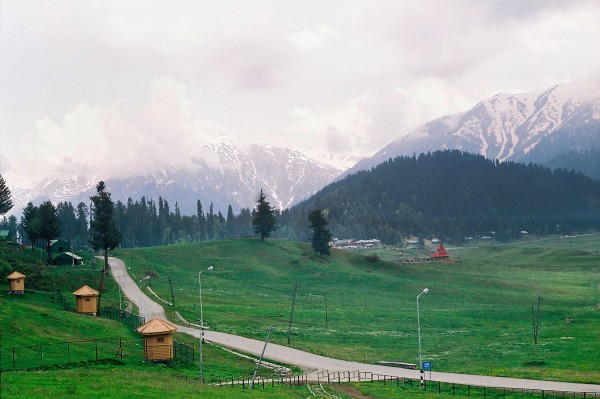
- High-Altitude Meadows: The area around Patnitop, including the rolling meadows of Sanasar, is perfect for gentle hikes, paragliding in Jammu, and simply enjoying the high-altitude air.
The Kashmir Valley: Craftsmanship, Waterways, and Alpine Treks
The Kashmir Valley, famous for its lakes and gardens, holds a deeper cultural life rooted in centuries of sophisticated Sufi and Persian influences, reflected in its cuisine, crafts, and architecture.
The Living Art of the Valley
Kashmiri culture is preserved not just in museums but in the homes and workshops where exquisite crafts continue to thrive.
- Wazwan: The Royal Feast: Kashmiri cuisine is a rich legacy. The Wazwan is a multi-course, ceremonial meal, often described as an art form, that highlights the region's unique Kashmiri culinary traditions. Key dishes like Rogan Josh and Yakhni reflect centuries of culinary influence, offering a unique South Asian gourmet experience.
- The Magic of Hands: Explore the narrow lanes of downtown Srinagar to witness the creation of world-renowned crafts.
- Pashmina Shawls: The delicate, intricate embroidery (Sozni) on authentic Pashmina shawls is a testament to the skill passed down through generations.
- Walnut Wood Carving: The detailed Kashmiri walnut wood carving is another unique art form, used to create everything from intricate furniture to small decorative items.
- Pinjirakari: Look for the exquisite Pinjirakari latticework complex geometric screens made of wooden strips without using any glue or nails, showcasing incredible architectural precision and traditional Kashmiri architecture.
- Vernacular Architecture: Observe the traditional houses along the Jhelum River, utilizing construction techniques like Taq and Dhajji Dewari. These styles blend timber bands with brick masonry, designed centuries ago to withstand the cold and offer high seismic-proof building methods, a crucial part of Kashmiri architectural heritage.
The Unexplored Alpine Vistas
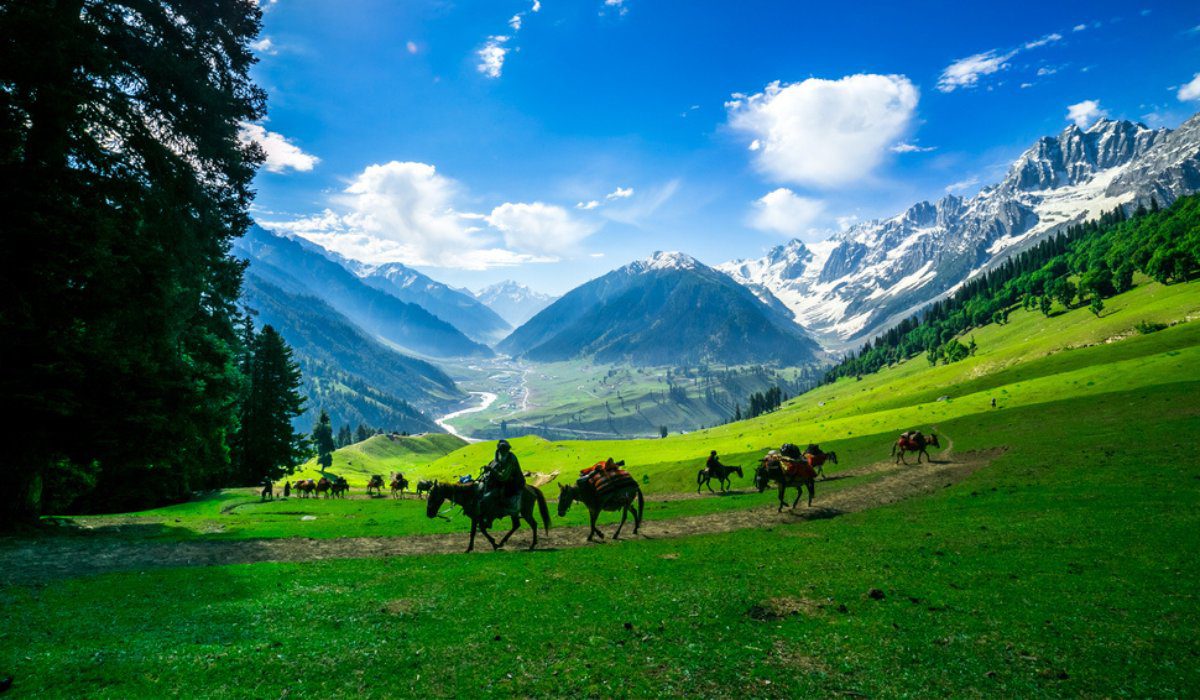
Move beyond the main thoroughfares of Gulmarg and Pahalgam to find Kashmir’s true trekking solitude among its alpine meadows and high-altitude lakes.
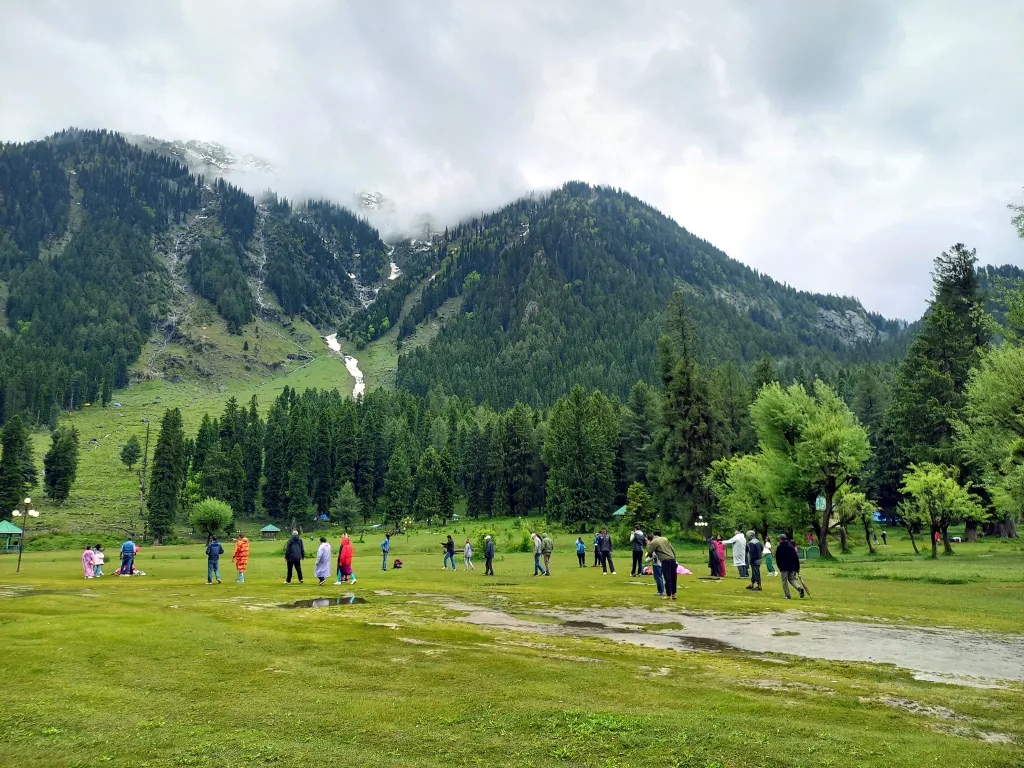
- The Shepherd’s Valley: Visit Doodhpathri, the "Valley of Milk," a vast expanse of rolling green meadows with crystal-clear streams, offering stunning Kashmir offbeat nature trails. This peaceful spot is perfect for solitude hiking and camping far from the tourist rush.
- Hidden Waterways: Explore the Gurez Valley, a hidden paradise near the Line of Control with stunning landscapes framed by the Habba Khatoon Peak. Once a gateway on the ancient Silk Route, Gurez offers a glimpse into a distinct, preserved Dardic culture.
- The Great Lakes Trek Alternatives: While the Great Lakes Trek is famous, explore quieter alternatives like the Gangbal Lake Trek (starting from Naranag) or the Tulian Lake Trek near Pahalgam. These routes lead through lush pine forests and alpine pastures to pristine bodies of water, providing incredible Himalayan trekking opportunities for the serious adventurer.
- Lolab Valley's Serenity: Visit the Lolab Valley in Kupwara district, known for its lush green pastures, dense forests, and the Lalkul stream. It's often frequented by local poets and philosophers, confirming its reputation as a place of profound natural serenity.
The Enduring Spirit: A Lesson in Resilience
The deepest appeal of Jammu and Kashmir lies in the warmth and resilience of its people. Despite the challenges presented by its extreme geography, the culture thrives through its deep-rooted hospitality, artistry, and spirituality. To visit is to participate in the preservation of one of the world's most beautiful and complicated destinations, a true jewel of Indian cultural heritage.
How to Reach Jammu and Kashmir
The Union Territory relies on a combination of air, rail, and road links, primarily centered around its two capitals: Srinagar (Kashmir Valley) and Jammu (Dogra Heartland).
By Air: Soaring Above the Spires
For speed and convenience, flying is the top choice for reaching the core Kashmir Valley. The Srinagar International Airport (SXR), officially known as Sheikh ul-Alam International Airport, is the main aerial gateway. It efficiently handles direct flights from major Indian cities such as Delhi, Mumbai, and Bengaluru, making it the preferred arrival point for travelers heading to destinations like Gulmarg, Pahalgam, or simply for a relaxing Houseboat stay on Dal Lake.
The second crucial air hub is the Jammu Airport (IXJ). This serves as the primary entry point for pilgrims and visitors focusing on the temples and historical sites of the Jammu region, as well as the nearby hill stations like Patnitop.
By Rail: The Southern Anchor
While the rail network is constantly expanding into the mountains, the definitive hub remains the Jammu Tawi Railway Station (JAT). This station is the main and most crucial railhead for the entire region, offering connections to almost every major city across India. It is the logical end-point for those traveling long distances by train. From JAT, travelers typically transition to road transport hiring taxis or taking public buses for the final leg of the journey north toward Srinagar.
The journey from Jammu Tawi to the Valley itself highlights the challenging yet beautiful topography. Travelers must drive the scenic National Highway 44 (NH-44), passing through numerous tunnels and mountainous terrain, a drive that typically takes around 8 to 10 hours to reach Srinagar.
By Road: The Scenic Vein
The National Highway 44 (NH-44) is the primary highway connecting Srinagar to Jammu and the rest of the country. This road is the lifeline of the region and offers some of the most dramatic mountain scenery imaginable. Both private and government (JKSRTC) buses operate along this route. However, due to its high-altitude nature, this route demands flexibility, as it can be subject to temporary closures, particularly during winter or heavy monsoon, due to landslides or heavy snowfall.
Timing Your Bliss: The Best Time to Visit Kashmir
Jammu and Kashmir is a chameleon destination; it changes its colors completely with the calendar, offering unique experiences in every season. The best time to visit Kashmir depends entirely on the atmosphere you seek.
The Peak Beauty: Spring and Early Summer (March to June)
This is the Peak Tourist Season and, arguably, the most visually stunning time. As the snow melts, the land bursts into life. The highlight is the Mughal gardens in bloom during April, specifically the stunning Tulip Garden in Srinagar, which rivals the best floral displays in the world. Temperatures are perfectly mild, ranging from 15°C to 30°C, making it ideal for sightseeing, comfortable Himalayan trekking, and all manner of outdoor activities like golfing and boat rides.
The Quiet Greenery: Monsoon/Lush Season (July to August)
While labeled monsoon, the Kashmir Valley often receives less continuous, heavy rain than other parts of India, remaining relatively pleasant. This period sees lighter crowds, making it excellent for budget travel deals. The meadows are at their lushest, and it's an ideal time for dedicated Kashmir offbeat nature trails and trekking and camping away from the main circuits.
The Golden Glory: Autumn (September to November)
This is the choice for photographers and couples seeking high-contrast beauty. Autumn is the Golden Chinar Season, when the famous Chinar trees turn brilliant shades of gold, amber, and crimson. The skies are exceptionally clear, and the air is crisp. The mild temperatures (8°C–23°C) and the stunning colors make it the best time for Photography tours and experiencing the Chinar foliage at its peak before the winter sets in.
The White Dream: Winter (December to February)
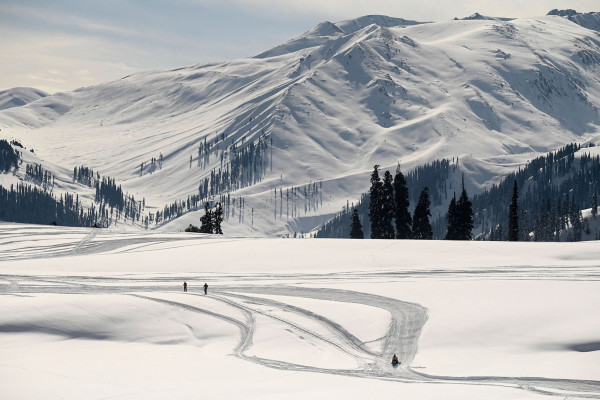
For those who dream of a pristine, silent white landscape, winter is the time. The Valley is blanketed in snow, and the temperatures drop below freezing. This season is synonymous with Snow sports and skiing in Gulmarg, which transforms into a world-class winter resort. It offers a cozy, romantic atmosphere perfect for winter wonderland photography and experiencing the famed local heating system (Bukhari) inside a Houseboat stay.
Frequently Asked Questions
When is the best time to visit Jammu and Kashmir?
March to June and September to November for pleasant weather; December to February for snow and skiing.
Is Jammu and Kashmir safe for tourists?
Yes, major tourist areas are generally safe. Follow local guidance.
How many days are ideal to explore Jammu and Kashmir?
7–10 days cover Srinagar, Gulmarg, Pahalgam, Jammu, and Sonamarg.
Do I need special permits to visit?
Indian citizens do not need special permits; foreigners should check visa and local advisories.
What should I pack?
Layered clothing, jackets, trekking shoes, sun protection, and rain gear.
Can I experience houseboats?
Yes, Srinagar Dal Lake houseboats are a popular experience.
Are there trekking opportunities?
Yes, Gulmarg, Pahalgam, and Sonamarg offer trekking trails for all levels.
Which local foods should I try?
Rogan Josh, Yakhni, Gushtaba, Kaak, Harissa, and Kahwa tea.
How to travel between valleys?
Private taxis or local drivers are recommended; buses are also available.
Top Things to Do & Activities in Jammu and Kashmir
Discover a world of unforgettable experiences and top activities at this destination! Whether you’re seeking adventure, cultural immersion, relaxation, or family fun, find the best things to do—from sightseeing and outdoor adventures to culinary delights, spiritual journeys, and local events. Enjoy every moment and make your trip truly memorable!
Popular City in Jammu and Kashmir
Explore our selection of popular packages in Jammu and Kashmir. Whether you're looking for a relaxing getaway, a family-friendly trip, or a solo adventure, we have the perfect package for you. Book now and experience the best of Jammu and Kashmir like never before!