Discover Amazing coorg
The distance from Bangalore to Coorg is around 250 km, taking 5 to 6 hours by road. The scenic journey passes through forests, hills, and plantations, making it a popular weekend getaway.
About This Destination
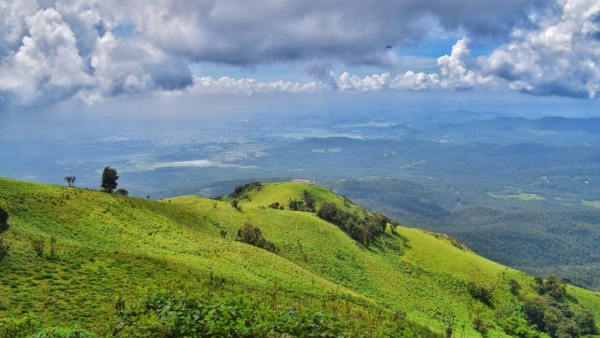
Coorg, officially known as Kodagu, is arguably the most celebrated hill station in Karnataka. Famed for its dense coffee plantations, misty mountains, cascading waterfalls, and the unique, martial culture of the Kodava people, Coorg lives up to its romantic moniker: "The Scotland of India." It offers a perfect blend of natural beauty, adventure, and profound cultural immersion, making it a staple on every South Indian travel itinerary.
This comprehensive guide is built to give you the most essential and helpful information, focusing on the crucial logistics, the best time for trekking and sightseeing, and an in-depth look at the experiences that define a memorable Coorg holiday package. We will ensure you have all the knowledge to plan a seamless trip without getting lost in this sprawling, picturesque district.

How to Reach Coorg (Kodagu)
For any traveller, the road journey is mandatory, but the starting point can be chosen for maximum convenience.
1. By Air (Nearest Airport)
Since Coorg lacks its own airport, travellers must fly into one of the well-connected nearby cities. Your choice depends on whether you prioritize the shortest possible drive or the best flight connectivity.
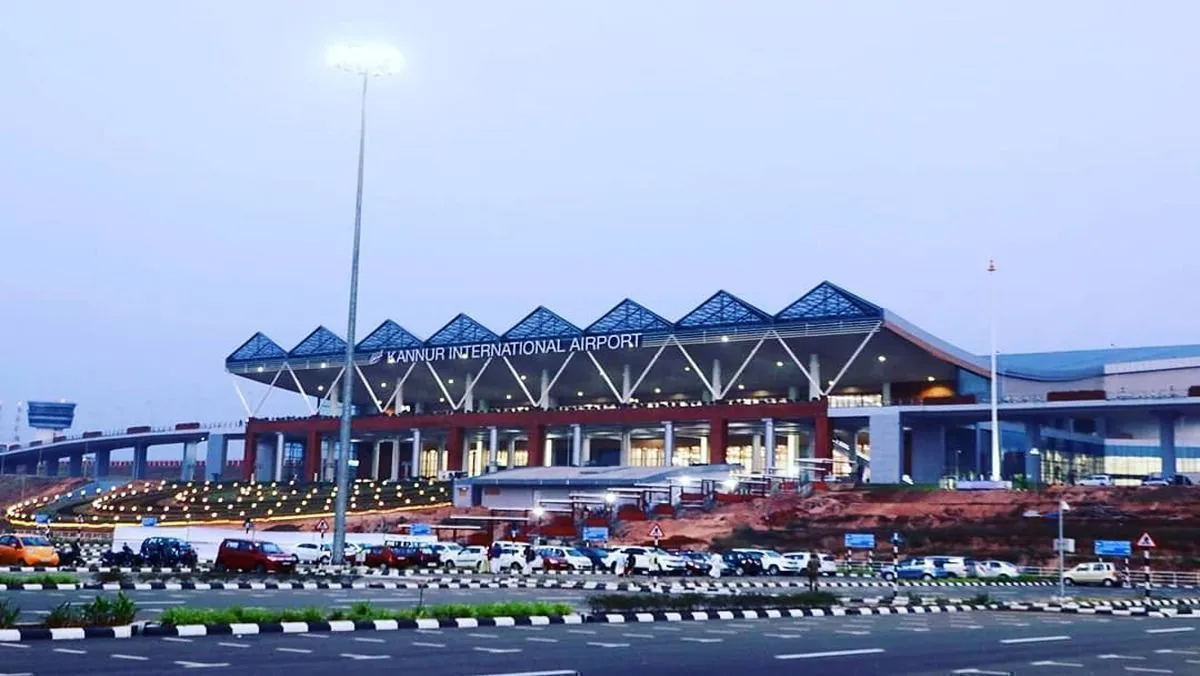
- Kannur International Airport (CNN), Kerala: Located approximately 95–110 km from Madikeri, this is often the nearest airport to Coorg and offers the shortest driving time (about 2.5 to 3 hours). It's an excellent option for those flying from within Southern India or the Middle East.
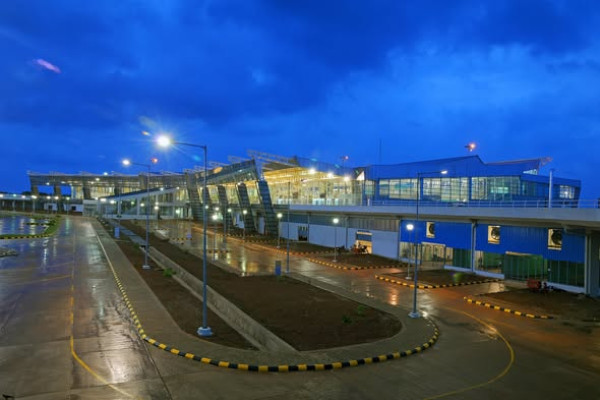
- Mangalore International Airport (IXE): Located about 140 km away, this is another highly preferred option with good domestic connectivity. The drive takes around 3.5 hours.
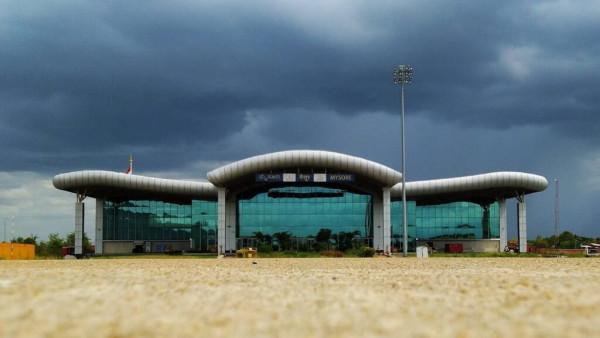
- Mysore Airport (MYQ): A domestic airport about 120 km from Madikeri, suitable for regional travellers but with limited flight options.
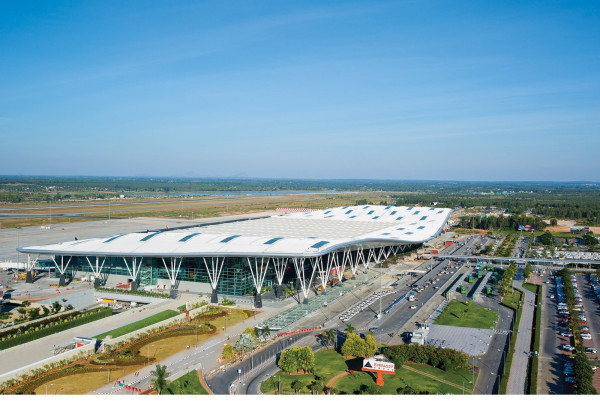
- Kempegowda International Airport (BLR), Bangalore: While the furthest at about 265–290 km, Bangalore offers the best and most extensive national and international flight connectivity. It is the best choice for travellers looking for the easiest way to fly to Coorg from North India or overseas.
2. By Rail (Nearest Railway Station)
Coorg does not have a railway station. The final leg of the journey must be covered by road (taxi or bus).
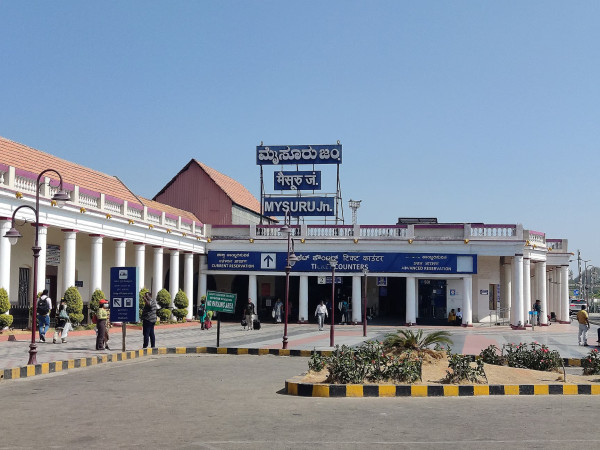
- Mysore Junction (MYS): This is the nearest railway station to Coorg at about 120 km away. It is excellently connected to major cities like Bangalore, Chennai, and Mumbai. From Mysore, you can hire a cab or take a KSRTC bus directly to Madikeri.
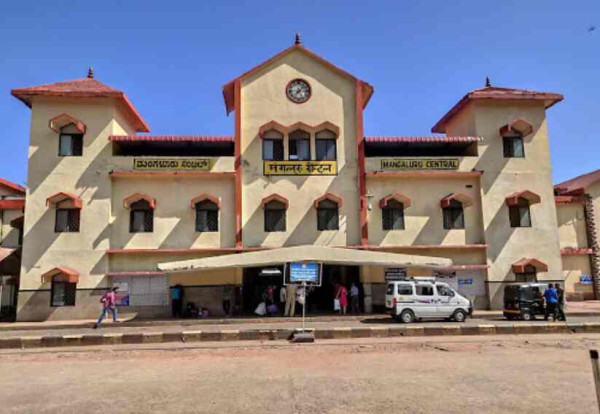
- Mangalore Central (MAQ): Another well-connected option, approximately 140 km away.
3. By Road (The Ideal Journey)
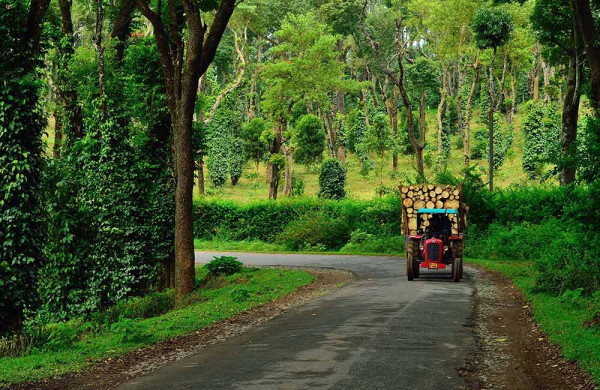
The road network to Coorg is superb, and driving is the most rewarding way to appreciate the transition from plains to the misty hills.
- From Bangalore to Coorg: The Bangalore to Coorg road trip is one of the most famous in South India. The journey is around 5 to 7 hours, depending on traffic, and the route via Mysore is highly recommended.
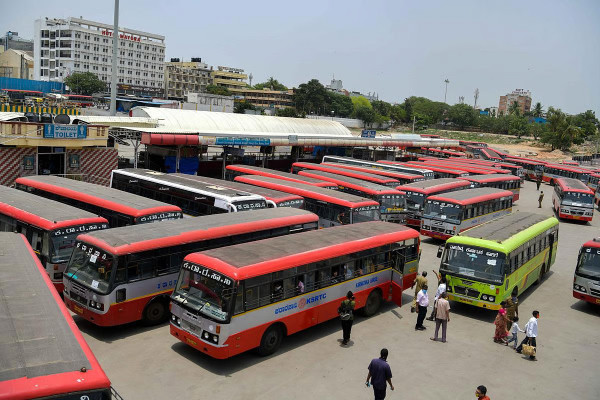
- Bus Services: The Karnataka State Road Transport Corporation (KSRTC) and numerous private operators run comfortable AC and non-AC sleeper and seater buses nightly from Bangalore, Mysore, and Mangalore to Madikeri. This is the best budget way to reach Coorg.
Best Time to Visit Coorg
Coorg is a year-round destination, but the experience changes dramatically with the seasons.
- Peak Season / Winter (October to March): This is the most popular time and the ideal weather to visit Coorg. The days are dry and pleasant, and the nights are cool and misty. The temperature is comfortably low (around 15°C to 25C), making it perfect for all outdoor activities, especially the long trekking to Tadiandamol peak. The post-monsoon period leaves the landscape lush and green, and the coffee berry blossoms begin around March-April.
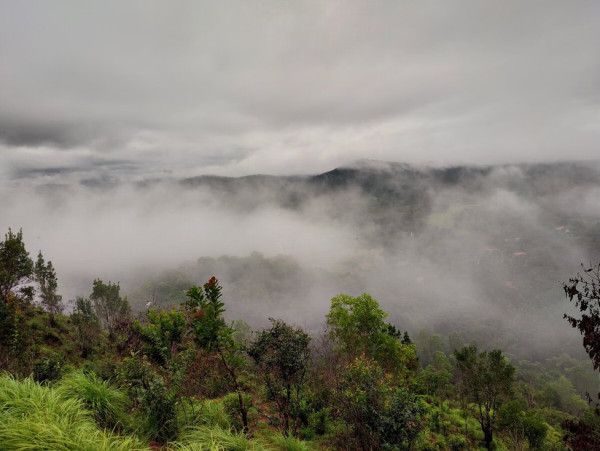
- Summer (April to June): While the plains heat up, Coorg remains relatively cool and fresh. Temperatures are manageable (around 22°C to 35°C). This is a great time to visit for families seeking an escape from the heat, though trekking may be slightly more strenuous during the day.
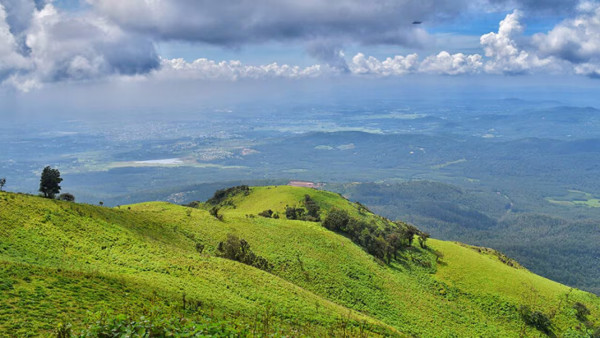
- Monsoon / Off-Season (July to September): Coorg receives heavy and consistent rainfall, transforming the hills into intense, emerald landscapes. While the greenery is stunning earning the region its nickname heavy rains can cause travel delays, make trekking slippery and dangerous, and lead to the closure of some sites like Abbey Falls due to excessive water flow. This season is best suited for nature lovers and those seeking cozy homestay experiences in Coorg for peace and solitude.
Festivals of the Kodava People
Visiting during a festival offers deep cultural insight into the local Kodava community.
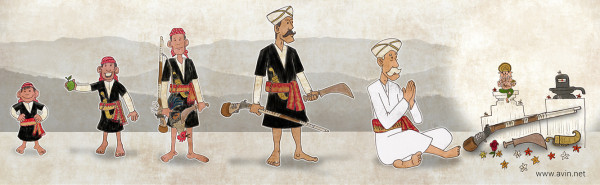
- Kailpodh (September): Celebrated at the end of the paddy transplanting season, this festival is dedicated to weapons and is a key display of the Kodava martial tradition.
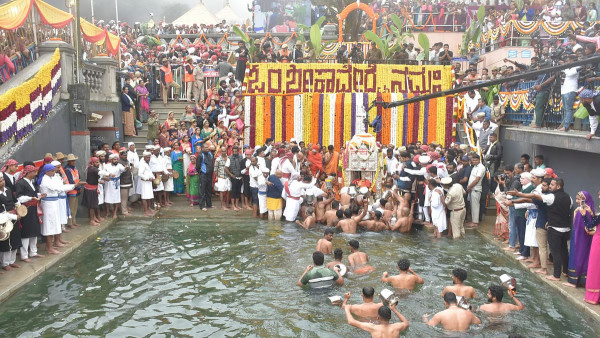
- Kaveri Sankramana (October): Celebrates the birth of the sacred River Kaveri at Talakaveri.
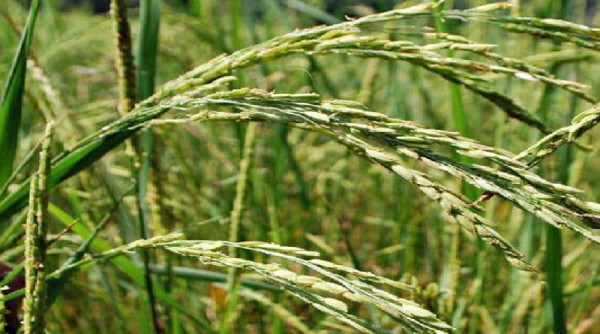
- Puthari (November/December): The harvest festival, marked by elaborate feasts, music, and traditional Kodava dance, signifying the culmination of the agricultural year.
The Soul of the Land – History and Kodava Culture
The history of Coorg, or Kodagu, is intrinsically linked to the fierce and independent nature of its indigenous people, the Kodavas.
History of Kodagu
The region has been ruled by various South Indian dynasties, including the Gangas, Cholas, and Hoysalas. However, the most defining period was the rule of the Haleri dynasty (a Lingayat line of Kodava Rajas) from the 17th century until the British annexation.
- The Haleri Dynasty: The Rajas of this dynasty established a strong, independent kingdom, often navigating conflicts with the powerful Mysore rulers, particularly Hyder Ali and Tipu Sultan, in the late 18th century. The Kodava warriors fiercely resisted invaders, establishing their reputation for bravery.
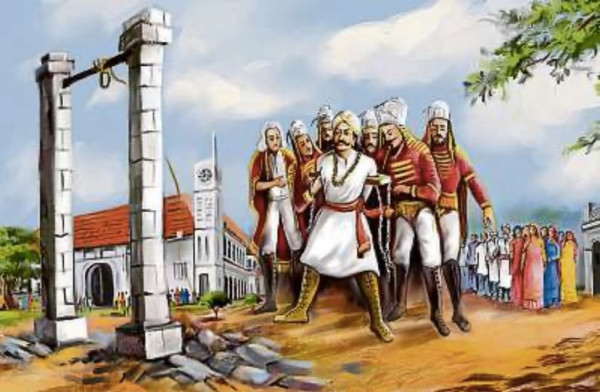
- British Rule (1834): Following a war, the British annexed the region in 1834, transforming Coorg into the smallest province of British India. The British, who recognized the martial skills of the Kodavas, exempted them from the general Disarming Act, allowing them to legally carry firearms without a license a unique privilege that continues to this day. They also pioneered large-scale coffee cultivation in Coorg.
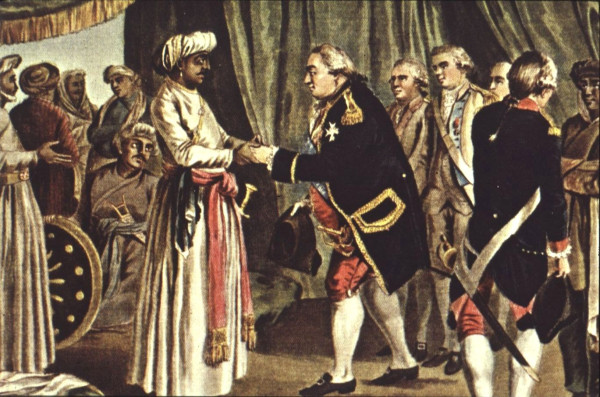
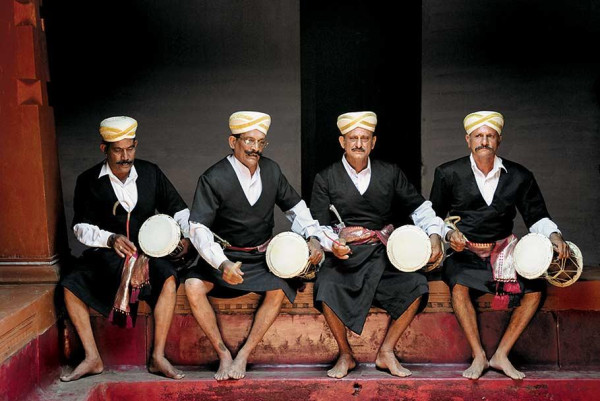
- The Kodava People: The Kodavas are a unique, patrilineal community known for their distinct language (Kodava Takk), dress (the back-pleated sari for women and the Kupya tunic for men), and martial tradition. Their culture is rooted in ancestral and nature worship, with a strong emphasis on hospitality, bravery, and reverence for the River Kaveri, which is considered their mother goddess. Their military legacy is undeniable, having produced some of India’s most respected military leaders, including Field Marshal K. M. Cariappa.
Things To Do in Coorg
Coorg’s landscape is a playground for nature lovers and adventurers. The main tourist activities revolve around nature trails, historical sites, and the region's famous plantations.
1. Natural Landmarks and Views
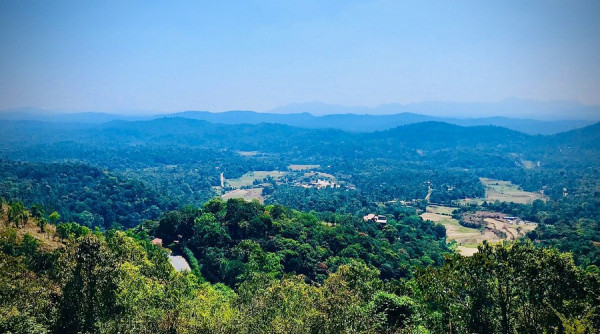
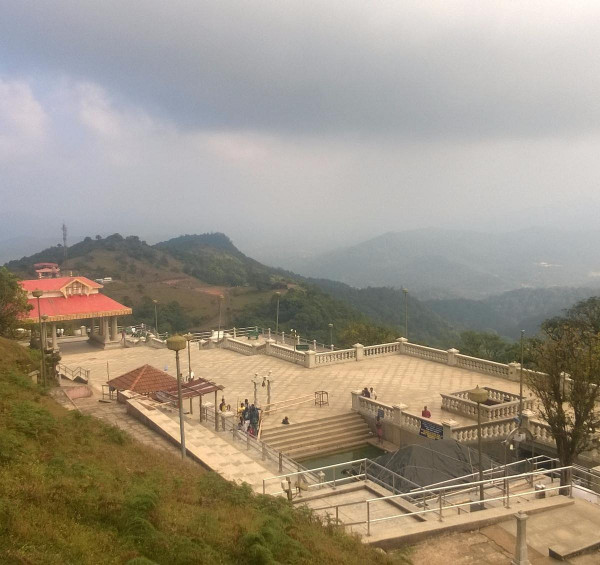
- Raja’s Seat, Madikeri: Literally meaning "Seat of the King," this beautiful public garden was once where the Kodagu kings enjoyed the scenic sunsets. It remains the most famous sunset point in Coorg, offering a mesmerizing panoramic view of the misty valleys and green hills.
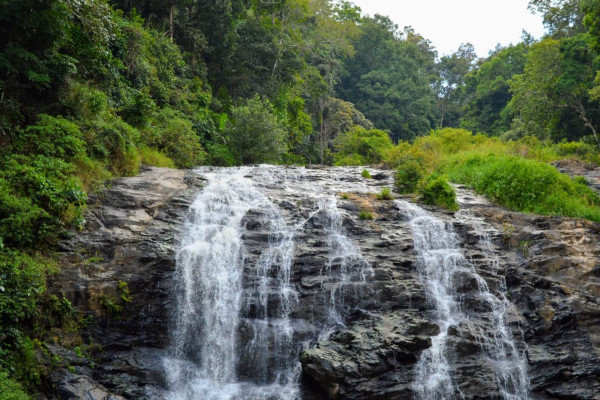
- Abbey Falls: Located about 10 km from Madikeri, this spectacular waterfall cascades down rocky slopes into a pool. The path to the falls takes you through lush coffee and spice plantations, and a hanging bridge offers a great view, making it a favorite for waterfall photography in Coorg.
- Talakaveri (Source of River Kaveri): Situated on the Brahmagiri Hill, this is the sacred source of the River Kaveri, one of South India’s most important rivers. It features a small tank where pilgrims take a holy dip and a temple dedicated to the goddess Kaveramma. A climb up the 407 steps of the hill offers a breathtaking 360-degree view of the surrounding hills, perfect for spiritual sojourns in Coorg.
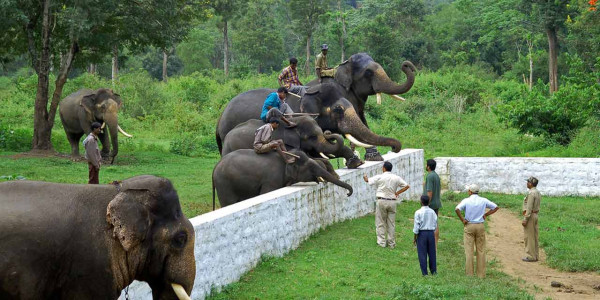
- Dubare Elephant Camp: Located on the banks of the River Kaveri, this camp offers an interactive experience where visitors can observe elephants being bathed, fed, and trained by mahouts. It's a great kid-friendly activity in Coorg and often includes river rafting nearby during the monsoon season.
2. Plantations and Agriculture
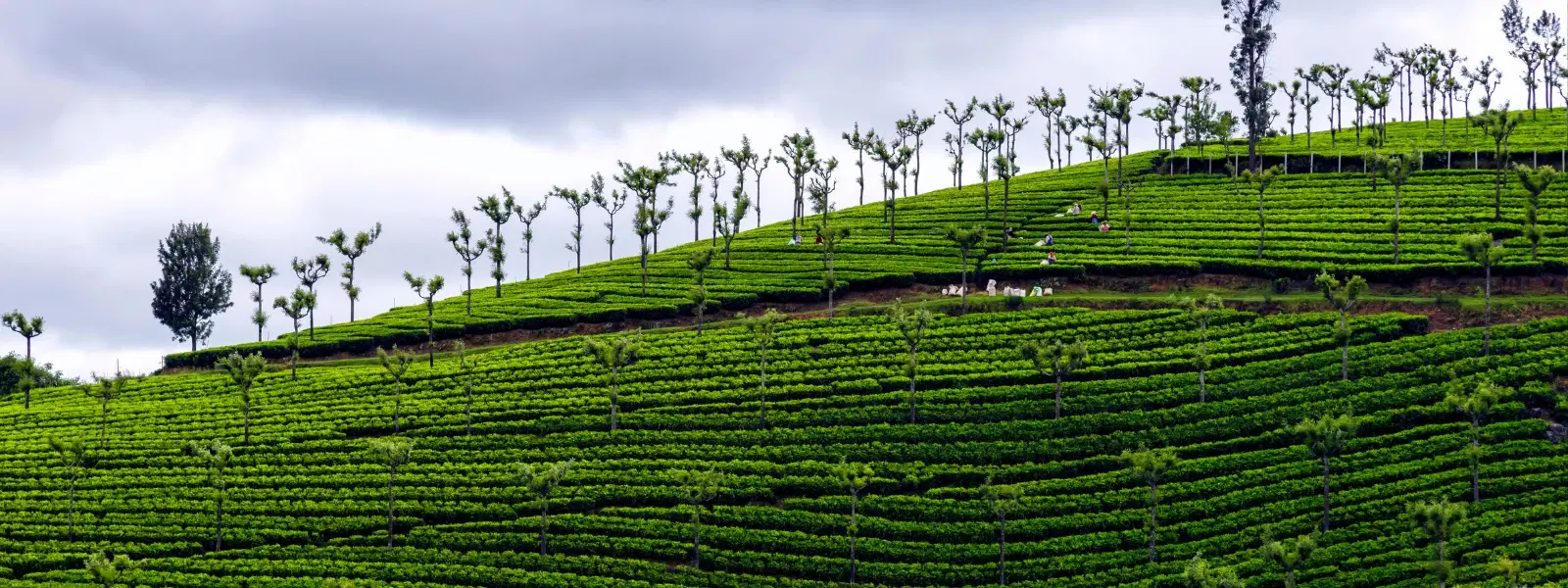
- Coffee Plantation Stays and Tours: Coorg is the largest producer of coffee in India, mainly of the Arabica and Robusta varieties. Taking a guided coffee plantation walk in Coorg is a highly recommended experience, where you learn about the journey of the bean from plant to cup, and the unique method of shade-grown coffee. Many resorts and homestays are located right amidst these aromatic estates.
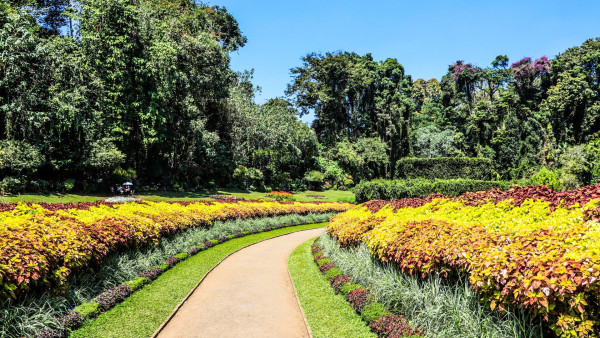
- Spice Gardens: The plantations are intercropped with spices like cardamom, pepper, and vanilla, providing a sensory feast of aroma and lush greenery. You can often purchase fresh, high-quality spices directly from the source.
3. Spiritual and Historical Sites
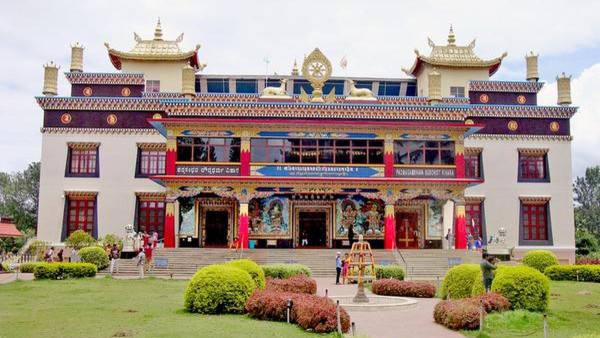
- Namdroling Monastery (Golden Temple), Bylakuppe: A short drive from Kushalnagar, this is one of the largest Tibetan settlements outside of Tibet and a magnificent cultural contrast to the rest of Coorg. The Golden Temple is the central prayer hall, featuring enormous golden Buddha statues and vibrant Tibetan murals, providing a uniquely peaceful experience. Visiting this temple is a staple on the Bangalore to Coorg itinerary.
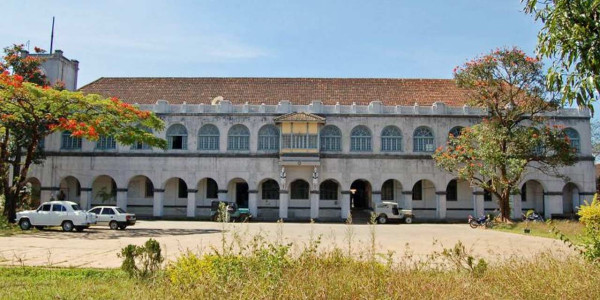
- Madikeri Fort: Originally built in the 17th century by the Haleri king Mudduraja, it was later rebuilt in stone by Tipu Sultan. Though much of the structure has been converted into government offices, the fort premises still house the palace, the Kote Ganapathi temple, and the Madikeri Fort Museum, which offers insight into the region's history.
4. Adventure and Trekking
Coorg is a trekking hub, with several peaks offering varying levels of challenge. Finding challenging trekking trails in Coorg is popular among young travellers.
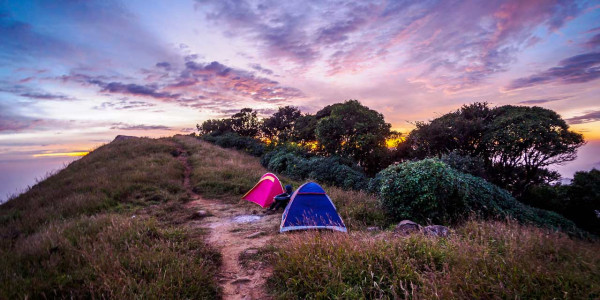
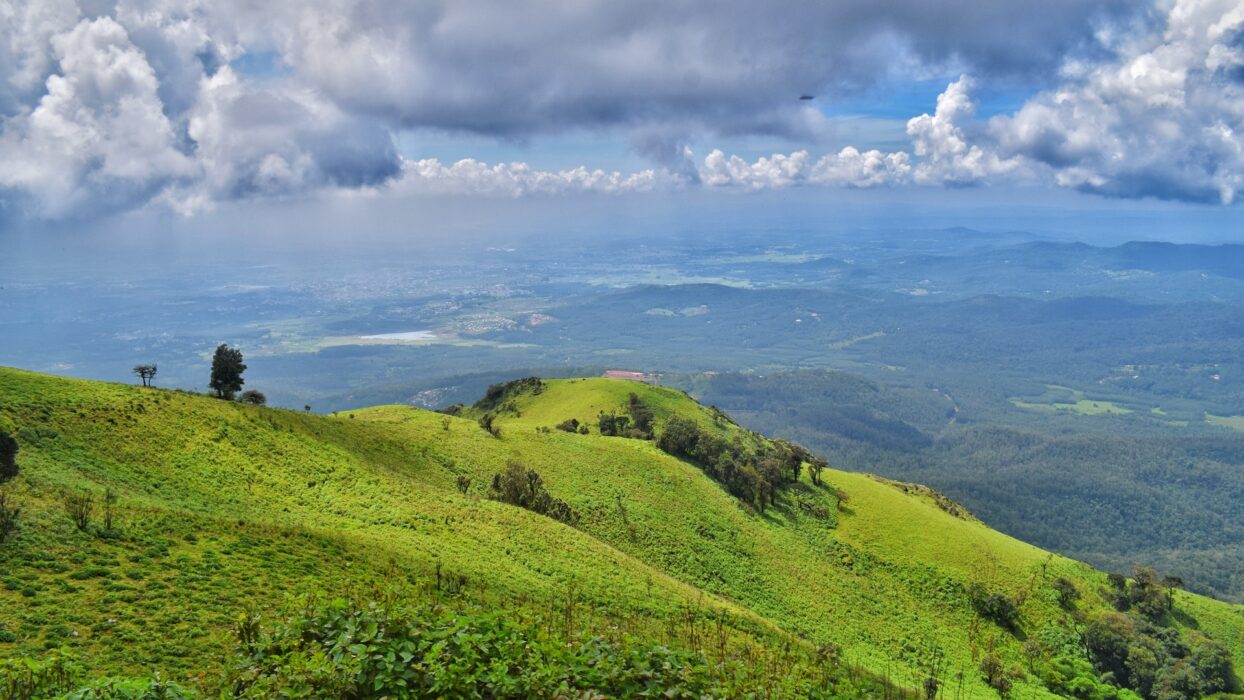
- Tadiandamol Peak: Standing at 1,748 meters, this is the highest peak in Coorg. The trek is of moderate difficulty, involving a full-day hike through Shola forests and rolling grasslands. It is the single most sought-after adventure activity in Kodagu.
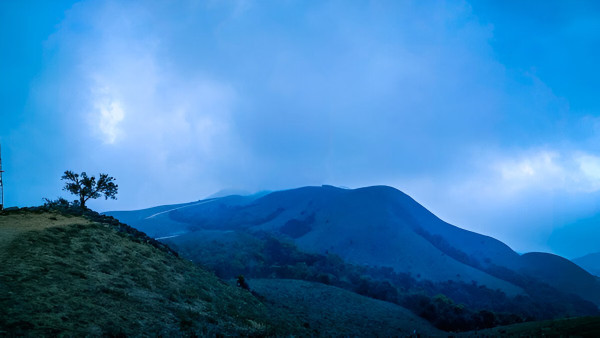
- Mandalpatti Peak: Located near Abbey Falls, this viewpoint offers stunning vistas, especially during the misty early morning hours. It requires a jeep safari or a short, rewarding hike to reach the top.
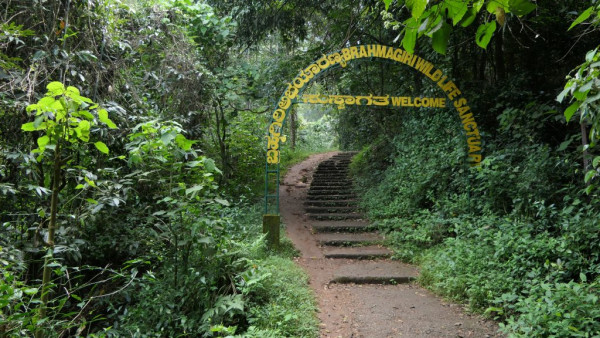
- Brahmagiri Wildlife Sanctuary: This area offers opportunities for guided wildlife safaris and nature walks, though permits are required, and the best sightings often occur in the transition areas near the forests.
Key Planning Considerations
- Homestays: Coorg is famous for its hospitality. Opting for a homestay on a plantation provides a more authentic and intimate cultural experience than a standard hotel, often including delicious traditional Kodava cuisine like the famous Pandi Curry (pork curry).
- Transportation within Coorg: Taxis and private cabs are the most convenient but costly way to cover the scattered attractions. Renting a self-drive car or hiring a driver for the entire duration is often the most economical choice for families.
Top Things to Do & Activities in coorg
Discover a world of unforgettable experiences and top activities at this destination! Whether you’re seeking adventure, cultural immersion, relaxation, or family fun, find the best things to do—from sightseeing and outdoor adventures to culinary delights, spiritual journeys, and local events. Enjoy every moment and make your trip truly memorable!