Discover Amazing Karnataka
Karnataka, located in southern India, is known for its diverse landscapes, rich heritage, and modern cities. From Bengaluru’s tech culture to Hampi’s ancient ruins and the serene Western Ghats, the state offers beaches, wildlife, temples, and cuisine that attract travelers year-round.
About This Destination
Karnataka, often celebrated as the single state that encapsulates the entire diversity of South India, offers a traveler everything from cosmopolitan city life and ancient imperial ruins to misty hill stations and pristine coastline. This state is a geographical, cultural, and historical kaleidoscope, earning it the popular nickname, the "One State, Many Worlds" destination.
This in-depth guide is structured to provide the most helpful and actionable information, anticipating your travel needs, ensuring seamless planning, and helping you navigate the state's vast expanse effectively. We will delve into its rich history, distinct geographic regions, crucial travel logistics (including how to reach Karnataka by air, rail, and road), and the best times for your visit.
History and Formation of Karnataka
The history of Karnataka stretches back over two millennia, featuring some of India's most powerful and culturally significant empires. Indigenous dynasties like the Kadambas of Banavasi (who are often cited as the first kingdom to rule over the region) and the Gangas laid early foundations. However, the region’s golden age is marked by three successive periods of extraordinary architectural and cultural output:
- The Chalukyas (Badami, Aihole, Pattadakal): From the 6th to 8th centuries, the Chalukyas of Badami pioneered rock-cut architecture, leaving behind a legacy of majestic cave temples and early structural temples in their capital region of Badami, Aihole (the cradle of Indian temple architecture), and the UNESCO World Heritage Site of Pattadakal. It is believed that the Chalukyas were instrumental in coining the name 'Karnataka'.
- The Hoysalas (Belur, Halebidu, Somanathapura): From the 10th to 14th centuries, the Hoysala Empire, with its distinct star-shaped temples, defined a unique, intricate style of sculpture. The carvings at Belur and Halebidu, featuring countless mythological narratives carved into soapstone, are considered the most ornate anywhere in India.
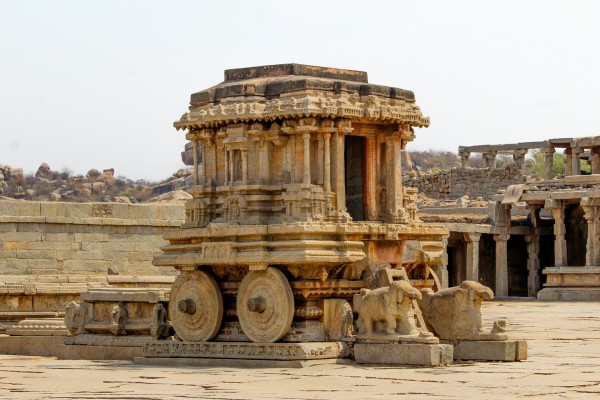
- The Vijayanagara Empire (Hampi): From the 14th to 16th centuries, the Vijayanagara Empire, centered at Hampi, became one of the world's largest cities and one of the last great Hindu kingdoms in India. The spectacular ruins of this UNESCO World Heritage site Hampi stand today as a monumental testament to its military and architectural genius.
Formation of the Modern State
Following British rule, Kannada-speaking regions were fragmented across multiple administrative units, including the princely state of Mysore, and parts of the Bombay, Madras, and Hyderabad presidencies. The Unification of Karnataka (Ekikarana) movement gained momentum based on linguistic identity.
The States Reorganization Act of 1956 brought all these Kannada-speaking areas together to form the Mysore State. Finally, on November 1, 1973, the state was officially renamed Karnataka, embracing the name that reflected its deep historical and geographical identity. November 1st is celebrated annually as Karnataka Rajyotsava (State Festival Day).
The Districts of Karnataka
Karnataka is geographically and culturally diverse. For ease of travel planning, it is best understood through its four distinct tourist regions. This breakdown is key to planning a Karnataka multi-region tour.
1. Bengaluru and Southern Karnataka (Old Mysore Region)
- Key Districts: Bengaluru Urban & Rural, Mysuru, Mandya, Kodagu (Coorg), Chikkamagaluru.
- Vibe: Cosmopolitan, cultural, and hilly. The area is defined by the capital, Bengaluru (Bangalore), the Silicon Valley of India, and the regal charm of Mysuru (Mysore), the cultural capital.
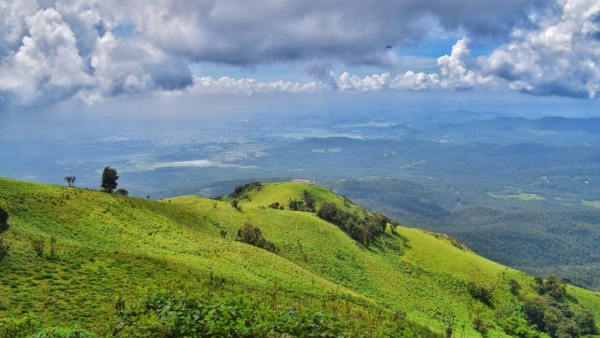
- Must-See Attractions: Mysore Palace (a marvel of Indo-Saracenic architecture), the majestic Mysore Dasara festival (a huge search query), the coffee estates and misty peaks of Coorg (Kodagu), and the trekking trails of Chikmagalur and Baba Budangiri. This region is vital for anyone planning a Karnataka hill station trip.
2. Coastal Karnataka (Karavali)
- Key Districts: Dakshina Kannada (Mangaluru), Udupi, Uttara Kannada (Karwar, Gokarna).
- Vibe: Beaches, temples, and the lush Western Ghats. This region is a narrow strip bordering the Arabian Sea.
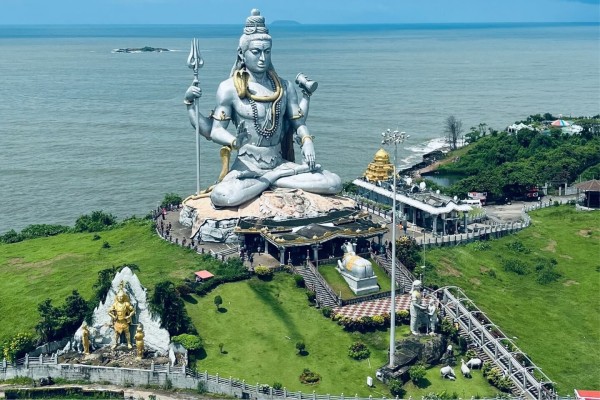
- Must-See Attractions: The iconic temples of Udupi Sri Krishna Matha and Gokarna Mahabaleshwar Temple, the serene beaches of Gokarna (Om, Kudle) and Murudeshwar (home to the world’s second tallest Shiva statue), and the adventure sports hub of Dandeli in the northern Ghats. Coastal Karnataka temples and beaches are a major travel focus.
3. Northern Karnataka (Hyderabad-Karnataka & Bombay-Karnataka)
- Key Districts: Vijayapura (Bijapur), Kalaburagi (Gulbarga), Bidar, Bagalkot (Badami, Pattadakal, Aihole).
- Vibe: History, Deccan Sultanate architecture, and ancient Chalukya heritage. This dry, rugged region is a treasure trove for history buffs.
- Must-See Attractions: The colossal Gol Gumbaz in Vijayapura, the ancient cave temples of Badami, the temple architecture school at Aihole, and the UNESCO site of Pattadakal. Exploring the Deccan Sultanate architecture in North Karnataka is a unique itinerary.
4. Central Karnataka (Western Ghats & Plateau)
- Key Districts: Shivamogga (Shimoga), Chitradurga, Ballari (Hampi).
- Vibe: Waterfalls, rich forests, and the Tungabhadra river plains.
- Must-See Attractions: The world-famous ruins of Hampi (covered extensively in its own right), the breathtaking Jog Falls (India's second-highest plunge waterfall, best viewed during the monsoon), and the wildlife sanctuary of Bhadra Tiger Reserve.
How to Reach Karnataka:
Karnataka is one of the most accessible states in India, thanks to its excellent transport infrastructure centered around its capital city, Bengaluru.
By Air (Nearest and Major Airports)
Karnataka is uniquely served by two international airports and several domestic airports, making it easy to fly to Karnataka from anywhere in the world.
- Kempegowda International Airport (BLR), Bengaluru: The primary and busiest gateway. It offers excellent international and domestic connectivity. If your destination is South or Central Karnataka (Mysore, Coorg, Chikmagalur), flying to BLR is your best bet.
- Mangaluru International Airport (IXE), Mangaluru: Serves the coastal and Western Ghats regions. It has strong links to the Gulf countries and major Indian metros. Ideal for travelers heading directly to Udupi, Gokarna, or Coorg.
- Domestic Airports: Smaller regional airports like Hubballi Airport (HBX) are crucial for reaching North Karnataka (Badami, Hampi) faster, while Mysuru Airport (MYQ) and Vidyanagar Airport (VDY) near Toranagallu (for Hampi) offer more localized access.
By Rail (Major Railway Stations)
The Indian Railways network offers an extensive and cost-effective way to travel across the state.
- Bengaluru City Railway Station (KSR/SBC) and Yesvantpur Junction (YPR): These are the major railway hubs in the state, connecting Karnataka to almost every major city in India, including Delhi, Mumbai, Chennai, and Kolkata.
- Hubballi Junction (UBL): A major junction for North and Central Karnataka, essential for travelers heading towards Hampi and the Chalukyan sites.
- Mysore Junction (MYS): The main terminal for the southern tourist circuit (Mysore, Coorg).
- Luxury Rail Travel: The Golden Chariot is a luxury train run by the Indian Railways, offering an opulent way to tour the state’s major attractions like Mysore and Hampi.
By Road (KSRTC and Highways)
Karnataka boasts one of the best road networks in South India, perfect for a South India road trip.
- KSRTC (Karnataka State Road Transport Corporation): State-run buses (including comfortable Air-Conditioned Sleeper and Volvo services) run frequently, connecting all districts and neighboring states like Kerala, Tamil Nadu, and Maharashtra. This is the most affordable way to travel within Karnataka.
- National Highways: Major highways link the state seamlessly. For example, NH 48 connects Bengaluru to Mumbai, and NH 66 runs along the scenic Konkan coast, linking coastal Karnataka with Goa and Kerala.
Best Time to Visit Karnataka
The sheer geographical diversity of Karnataka means there is no single "best time" for the entire state. The ideal period depends entirely on which region you plan to visit.
- Best Time Overall (Winter): October to March.
- Vibe: Cool, pleasant, and perfect for sightseeing across the plains, heritage sites (Hampi, Mysore), and wildlife safaris (Bandipur, Kabini). Temperatures are mild, ranging from 15°C to 30°C.
- Highlight: This season includes the grand Mysore Dasara festival (Oct/Nov) and the pleasant climate for exploring Hampi's ruins.
- Monsoon Season (Lush Greenery): July to September.
- Vibe: This season transforms the Western Ghats hill stations in Karnataka (Coorg, Chikmagalur, Agumbe) into a vibrant emerald paradise. Waterfalls like Jog Falls are at their spectacular maximum flow, which is a major draw for tourists seeking a monsoon holiday in Karnataka.
- Caution: Coastal areas receive heavy rainfall, and visibility for beach activities is low.
- Summer Season (Avoid the Plains): April to June.
- Vibe: The plains and heritage sites (Hampi, Badami) experience intense heat, often exceeding 35°C, making midday sightseeing very difficult.
- The Exception: This is the best time to escape the heat in Karnataka's hill stations. Destinations like Coorg and Chikmagalur remain pleasant and are a cool respite from the city heat.

Top Things to Do & Activities in Karnataka
Discover a world of unforgettable experiences and top activities at this destination! Whether you’re seeking adventure, cultural immersion, relaxation, or family fun, find the best things to do—from sightseeing and outdoor adventures to culinary delights, spiritual journeys, and local events. Enjoy every moment and make your trip truly memorable!