Discover Amazing Hampi
Hampi, a UNESCO World Heritage Site in Karnataka, India, is known for its stunning ancient temples, ruined palaces, and boulder-strewn landscapes. It’s a historical treasure trove and scenic wonder.
About This Destination

Hampi, a magnificent UNESCO World Heritage Site in the heart of Karnataka, is much more than a collection of ruins; it is the breathtakingly dramatic setting of the former Vijayanagara Empire, the "City of Victory." Spread across a surreal, boulder-strewn landscape flanking the holy Tungabhadra River, Hampi offers a profound journey back in time, allowing travelers to walk the paths of kings and poets.
This comprehensive guide is designed as the ultimate companion for the discerning traveler. It focuses on providing detailed, actionable information the kind of content that ensures a deep appreciation of the history and helps you navigate the vast, scattered site without getting lost, prioritizing your most frequently asked questions.
History and Mythology of Hampi

Hampi's historical significance is immense. It served as the capital of the Vijayanagara Empire from 1336 to 1565 AD, ruling over much of South India. At its peak, particularly under the reign of King Krishna Deva Raya (1509–1529 CE), Hampi was an international trading hub, considered the second-largest city in the world after Beijing, with markets famously selling diamonds and rubies openly. Chronicles of foreign travelers, especially the Portuguese, speak of the city's unparalleled wealth, military might, and stunning architecture.
The Rise and the Fall
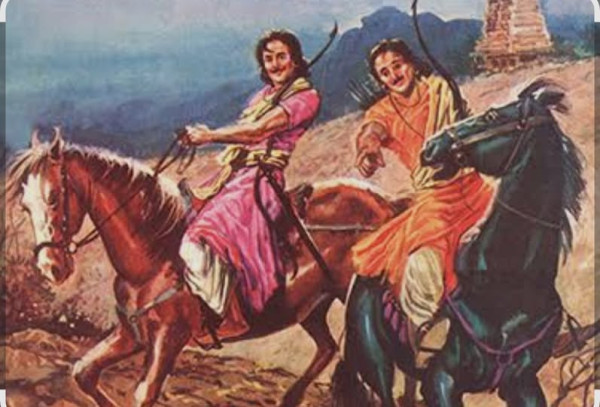
The empire was founded by the brothers Harihara and Bukka Raya. Their architectural style a blend of Dravidian grandeur and minute artistry redefined temple building. They pioneered massive structures, elaborate pillared halls (mandapas), and stunning monolithic sculptures.
The golden age concluded tragically in 1565 AD with the Battle of Talikota, where the Deccan Sultanates united and defeated the Vijayanagara army. The city was systematically plundered and destroyed for six months, leading to its eventual abandonment. The surviving ruins are a poignant testament to this destruction, earning Hampi the moniker, the "Lost City" a term frequently searched for by visitors.
Mythological Significance
Long before the empire, Hampi was known in Hindu mythology as Pampa Kshetra and Kishkindha Kshetra.
- Pampa Kshetra: Named after Pampa, an incarnation of the Goddess Parvati, who performed intense penance on Hemakuta Hill (a must-see sunrise spot today) to win the ascetic Lord Shiva. Shiva eventually married her, earning him the title Pampapati.
- Kishkindha Kshetra: In the epic Ramayana, this area is identified as Kishkindha, the ancient kingdom of the Vanara (monkey) army, ruled by the brothers Vali and Sugriva. It is here that Lord Rama met his devout follower, Hanuman. The towering Anjanadri Hill, across the river, is widely believed to be the birthplace of Lord Hanuman, making it a powerful pilgrimage site.

How To Reach Hampi
Hampi is not a major metropolitan hub, which adds to its charm but requires careful planning for access. The single most important transportation keyword to remember is Hospet.
By Air: The Best Connection Points
Hampi does not have its own major airport. Your travel strategy should involve flying to a major city and then connecting via road or rail.
- Jindal Vijaynagar Airport (VDY): This is the nearest airport to Hampi, located about 40 km away near Toranagallu. It operates limited flights, primarily connecting to Bangalore and Hyderabad. This is the quickest but often more expensive option. A pre-booked taxi is essential for the final leg to Hampi.

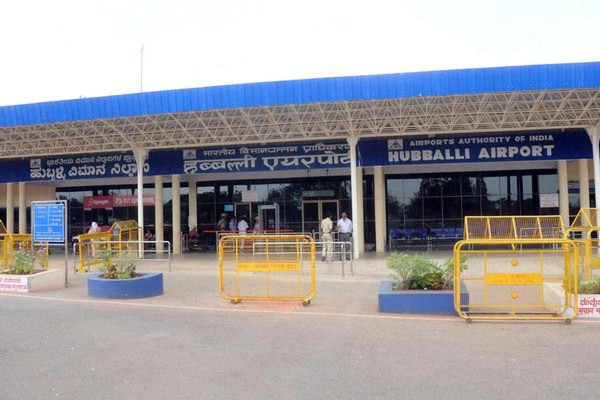
- Hubli Airport (HBX): Approximately 160 km away. Offers slightly better connectivity to various Indian cities than VDY, but still requires a 3-4 hour taxi ride.
- Kempegowda International Airport (BLR), Bangalore: At about 350 km, this is the most practical choice for international or long-distance domestic travelers, offering the best flight frequency and lower costs. From Bangalore, you can opt for an overnight train or bus to Hospet.

By Train: The Most Popular Route
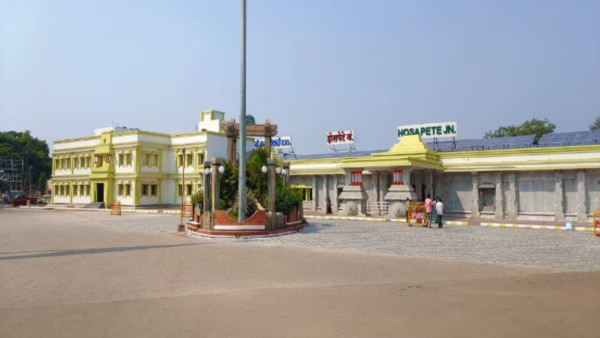
The most reliable and popular way to reach Hampi is by train.
- Nearest Railway Station: Hosapete Junction (HPT), also commonly known as Hospet.
- Distance to Hampi: Just 13 km.
- Connectivity: Hospet is a well-connected station. The Hampi Express is a famous overnight train that connects Bangalore (BLR) to Hospet (HPT). There are also good connections from Hyderabad, Goa, and Mysore.
- Hospet to Hampi: The 15-20 minute final leg is easy. You can find state-run local buses (the cheapest option) or shared/private auto-rickshaws. Always confirm the auto fare before starting the journey.
By Road: The Overland Approach
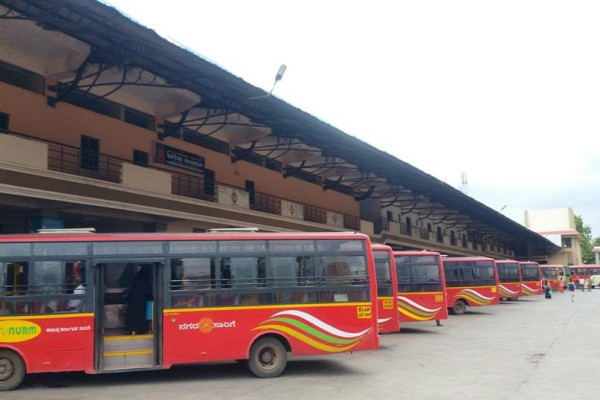
- Bus: Overnight AC sleeper and non-AC buses from Bangalore, Hyderabad, and Goa run directly to the Hospet Bus Stand. From there, follow the instructions above. This is the preferred method for many budget and solo travelers.
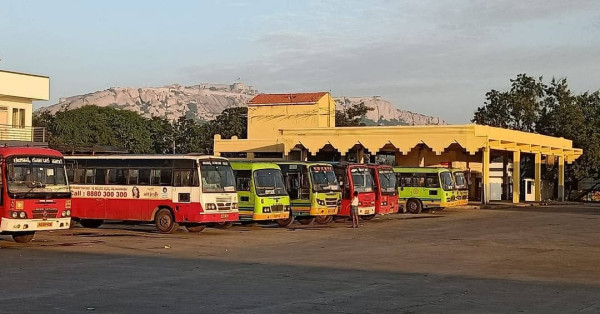
- Self-Drive: A Hampi road trip from Bangalore takes about 6-7 hours. The roads are generally good, but always check local conditions. Having your own vehicle offers maximum flexibility for exploring the spread-out monuments, though parking is restricted in the core area.
Best Time To Visit Hampi
Hampi is situated in a semi-arid zone, which means the weather can be extreme. Choosing the right season is crucial for an enjoyable sightseeing experience.
- Peak Season (The Ideal Time): October to February.
- The weather is moderately cool, dry, and ideal for long days of walking and hiking. Temperatures range from 15°C in the early mornings to 30°C in the afternoon. This is the perfect climate for catching the iconic sunrises and sunsets.
- Travel Tip: This is the busiest time. Book trains and accommodation at least three months in advance, especially around the New Year and the Hampi Utsav cultural festival (usually held in November or January/February).
- Shoulder Season (Monsoon): July to September.
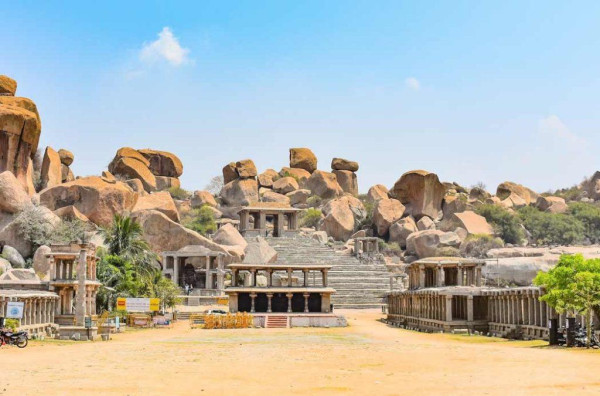
- The rains are generally moderate and brief. The biggest reward is the dramatically transformed landscape: the ancient stone ruins are set against vibrant green paddy fields and groves, offering spectacular photographic contrast. Exploration can be interrupted by sudden downpours.
- Off-Season (Summer - Avoid): March to June.
- Temperatures regularly exceed 40°C. Sightseeing during the day becomes grueling and even hazardous. Unless you are extremely heat-tolerant, it is best to avoid these months, or limit activity to the very early mornings and late evenings only.
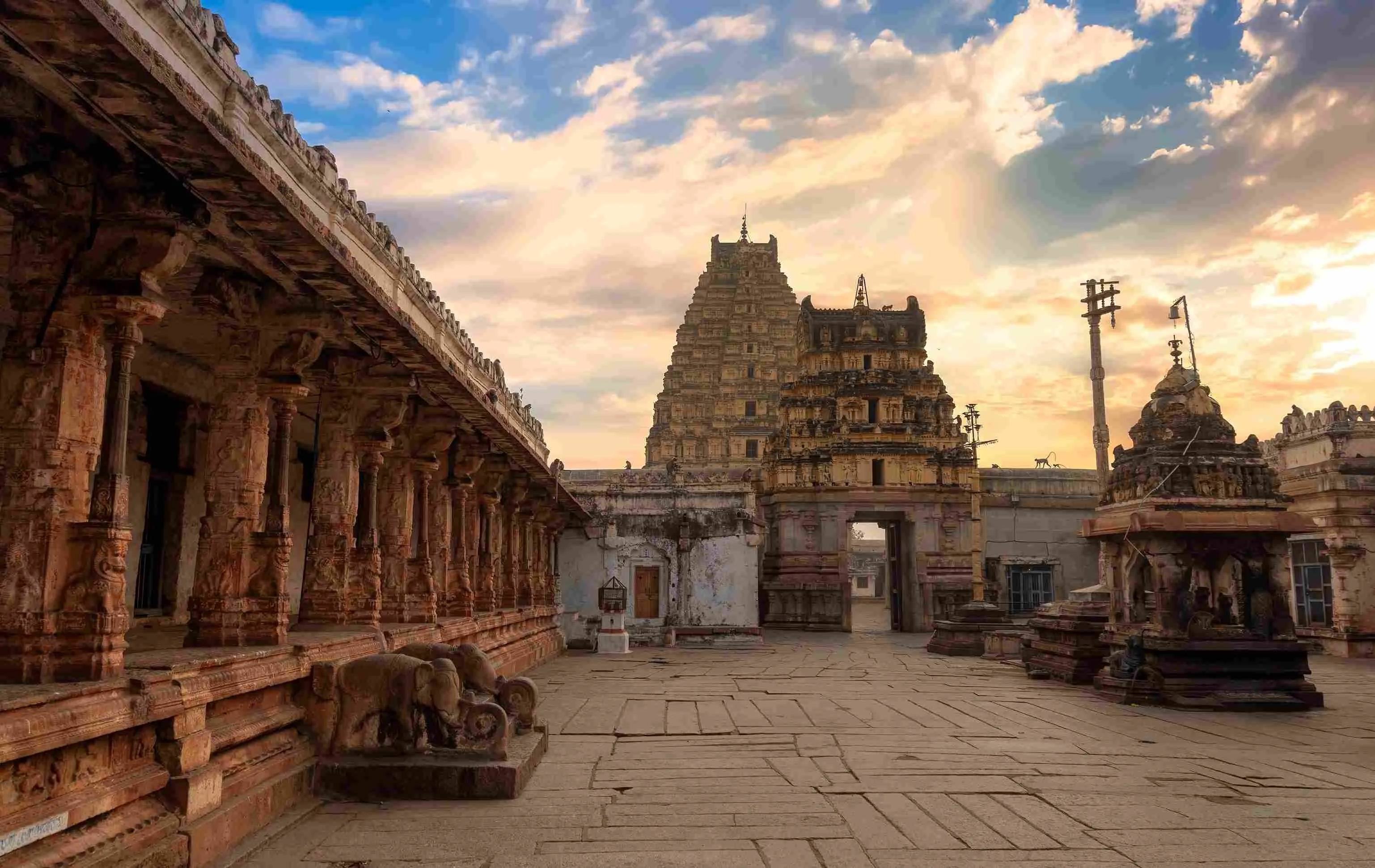
Things To Do In Hampi
Hampi's ruins are vast, spread across an area of approximately 25 square kilometers, broadly divided by the Tungabhadra River into two distinct zones. Understanding this division is the single most helpful piece of information for navigating.
The Sacred & Royal Centre (South Bank)
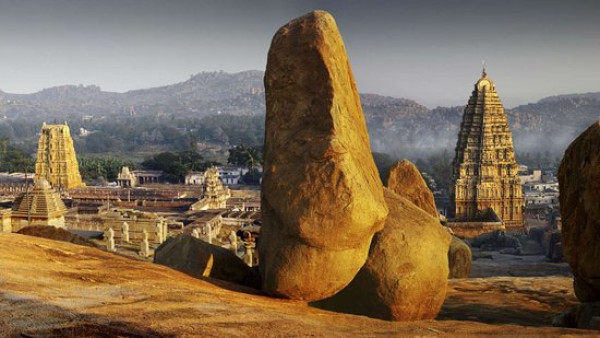
This side contains the main Hampi village, the active temple, the most iconic sights, and the Royal Enclosure.
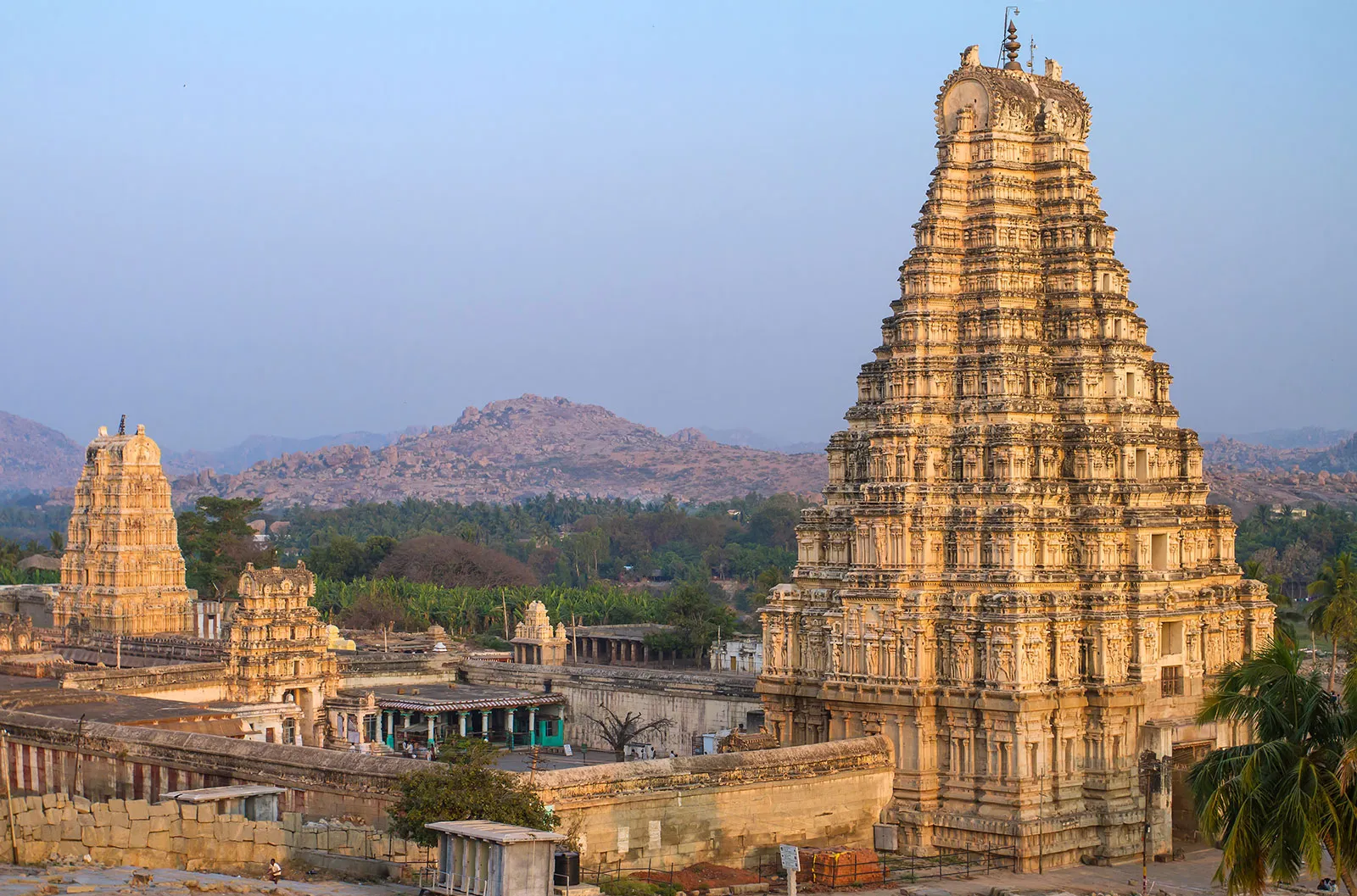
- The Sacred Centre (Walkable): This cluster is near the Hampi Bus Stand and is best covered on foot. It includes the magnificent Virupaksha Temple (the only active shrine in Hampi), Hampi Bazaar, and the temples on Hemakuta Hill.
- The Royal Centre (Cycling/Auto): This area is further south and includes the Lotus Mahal, Elephant Stables, Queen's Bath, and the Mahanavami Dibba. It is too far to walk from the Sacred Centre.
- Recommended Transport: Rent a bicycle (cheap and fun) or hire an auto-rickshaw for a half or full day. Auto-rickshaw drivers know the fixed routes and are essential for covering the scattered sites efficiently.
The Mythological & Bohemian Side (North Bank)
This side, often called the "Hippie Side" (Virupapura Gaddi) or Anegundi village, is famous for its paddy fields, laid-back guesthouses, and mythological sites.

- Crossing the River: The iconic method is the Coracle Boat (a traditional, circular boat). The ferry point is near the Virupaksha Temple. This ride is quick and atmospheric.
- Crucial Warning: Coracles stop running at sunset (around 5:30 PM to 6:00 PM). If you miss the last boat, the only alternative is a long, expensive 40+ km road detour via the bridge at Hospet, which is a common mistake first-time visitors make.
- Transport on the North Bank: This side is best explored by renting a moped or scooter, as the sites like Sanapur Lake and Anjanadri Hill are very spread out across quiet, scenic roads.
Expert Navigation Strategy
To truly avoid getting lost and to fully appreciate the sites:
- Prioritize: Group your sights geographically (e.g., Day 1: Sacred Center and Riverside Trail; Day 2: Vittala Temple and Royal Center; Day 3: Island Side).
- Use Licensed Guides: For the two major complexes Virupaksha Temple and Vittala Temple hire a licensed guide. Their deep historical knowledge and understanding of the layout will bring the cold stone to life and prevent aimless wandering.
- Battery Buggies: Note that the Vijaya Vittala Temple Complex and some other core areas are protected. You must park and take an authorized battery-operated buggy or walk to the main entrance.
- Stay Hydrated & Start Early: The biggest enemy in Hampi is the sun. Start your days at sunrise (around 6:00 AM) to utilize the cool hours and climb the viewpoints before the midday heat hits.
Hampi's Architectural Masterpieces
Every stone here tells a story, but certain structures represent the peak of Vijayanagara's genius.
The Sacred Heart
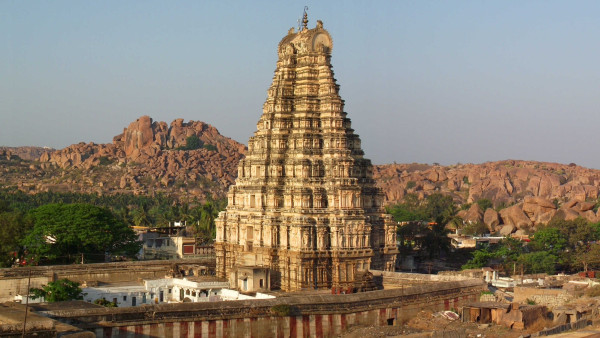
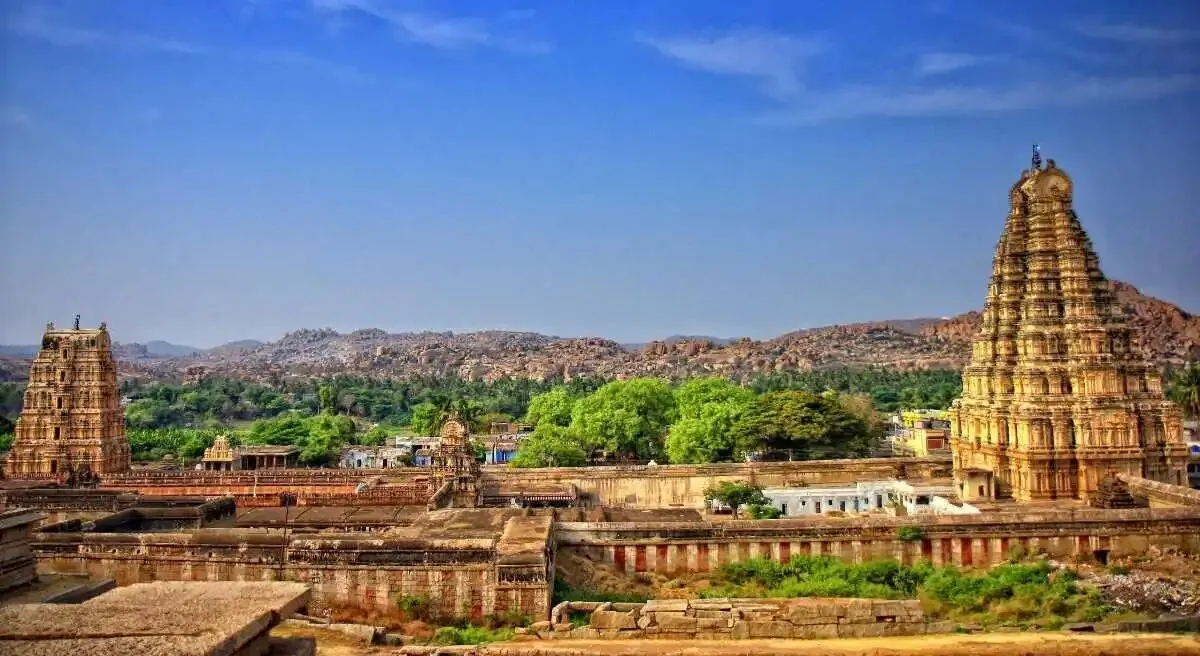
- Virupaksha Temple: The spiritual anchor of Hampi and the only temple that has been in continuous worship since its inception. Its massive 9-tiered eastern gopuram (entrance tower) stands over 50 meters tall. Look for the pinhole camera effect inside one of the temple chambers, where the inverted shadow of the main gopuram falls on a wall.
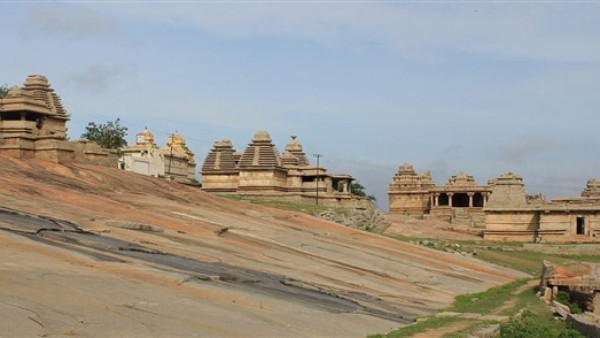
- Hemakuta Hill: The first stop for any visitor. It offers the best panoramic sunrise views and is dotted with dozens of smaller, pre-Vijayanagara era temples and shrines.
The Architectural Zenith
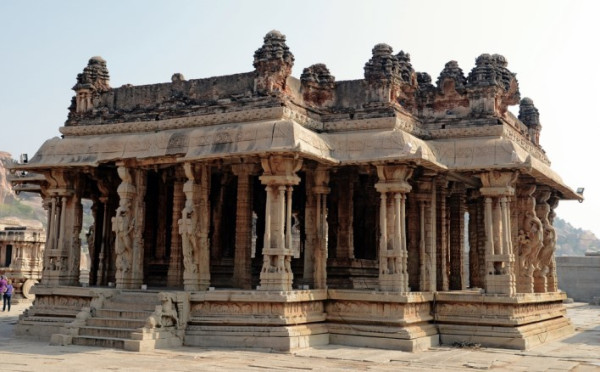
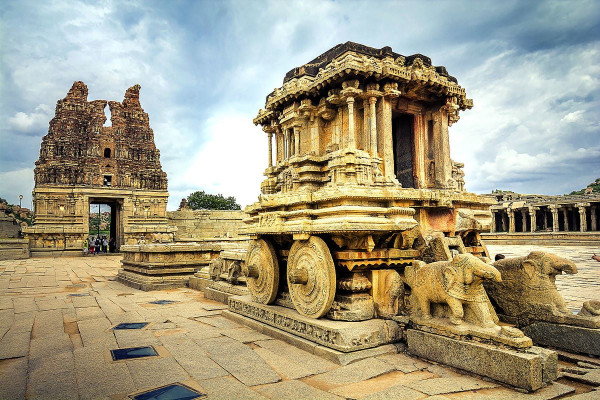
- Vijaya Vittala Temple: Considered the architectural crown jewel of Hampi. It is a testament to the empire's artistry.
- The Stone Chariot: The undisputed emblem of Hampi, often featured on the Indian ₹50 note. This exquisite shrine dedicated to Garuda (Lord Vishnu's mount) is carved entirely out of stone and resembles a massive procession chariot.
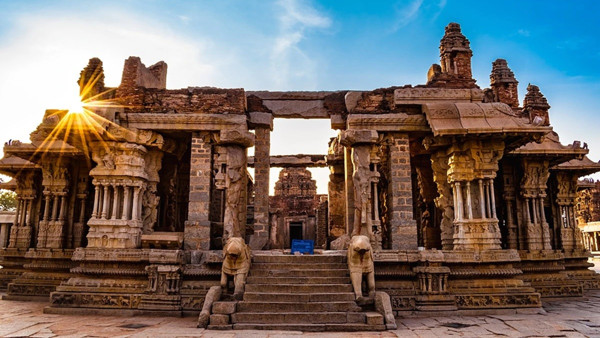
- The Musical Pillars (Ranga Mandapa): The main hall features 56 beautifully carved musical pillars that resonate with different musical notes when gently tapped. This engineering feat highlights the advanced acoustic knowledge of the builders.
The Royal Remnants
- Lotus Mahal: A beautiful example of Indo-Islamic architecture, blending Hindu temple-style multi-layered roofs with Islamic-style arched windows. It was likely a palace for the royal ladies within the Zenana Enclosure.
- Elephant Stables: A grand, symmetrical structure with 11 domes, used to house the royal elephants. Its scale reflects the importance of these animals to the empire's military and ceremonial might.
- Mahanavami Dibba: A massive ceremonial platform where the King watched army parades, music performances, and the grand Mahanavami (Dussehra) festival. Look for the intricate carvings on its base depicting royal life.

The Mythological Marvels
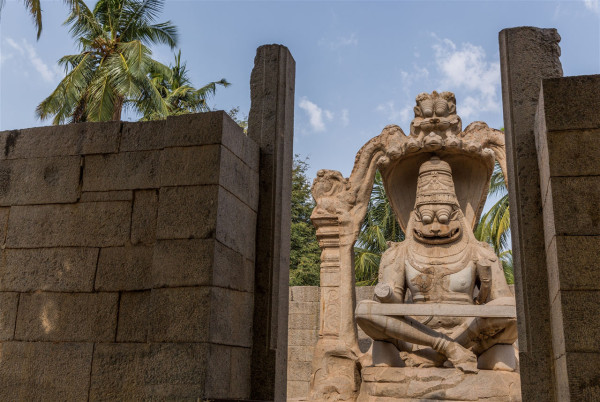
- Lakshmi Narasimha Monolith: The largest monolithic statue in Hampi, depicting Lord Vishnu in his fierce man-lion avatar, Narasimha, seated on the coils of Adishesha, the seven-headed serpent.
- Badavilinga: A large monolithic Shiva Linga, perpetually kept submerged in water, located right next to the Narasimha statue.
Essential Travel Tips: Solo, Safety, and Budget
- Accommodation Split:
- Hampi Village/Hospet: Best for families, couples, and those seeking comfort or direct access to the major ruins. More organized hotels and guesthouses.
- Island Side (Anegundi): Ideal for backpackers and those seeking a rustic, "hippie" vibe with views of the river and paddy fields. Note that facilities are generally more basic here.
- Dress Code & Respect: Hampi is a religious site. When entering the Virupaksha Temple or other active shrines, dress respectfully by covering your shoulders and knees. Remove your shoes before entering any temple complex.
- Solo Traveler Safety: Hampi is generally considered very safe, including for solo female travelers in Hampi. Local people are helpful, and touts are minimal. However, always exercise caution at night and avoid trekking alone on the hills at odd hours.
- Money Matters: ATMs are limited in Hampi village (better found in Hospet). Carry enough cash for guides, coracle rides, and auto-rickshaws, as small vendors rarely accept digital payments.
- Best Time for Photography: Sunrise from Hemakuta Hill or Anjanadri Hill and sunset from Matanga Hill offer the most spectacular light for the boulder-strewn landscape.

Top Things to Do & Activities in Hampi
Discover a world of unforgettable experiences and top activities at this destination! Whether you’re seeking adventure, cultural immersion, relaxation, or family fun, find the best things to do—from sightseeing and outdoor adventures to culinary delights, spiritual journeys, and local events. Enjoy every moment and make your trip truly memorable!