Discover Amazing Wayanad
Discover Wayanad, Kerala's enchanting hill station offering lush forests, wildlife sanctuaries, spice plantations, and breathtaking waterfalls. Perfect for adventure seekers and nature lovers seeking tranquility in the Western Ghats with rich tribal heritage.
About This Destination
Let me tell you, Wayanad is not just a destination; it’s an experience that climbs into your soul like the mist curling around its greenest peaks. This isn’t the laid-back backwater charm of Alleppey or the crowded spice hustle of Munnar. Wayanad, nestled high in the Western Ghats of North Kerala, is wild, raw, and fundamentally green.
The name itself, derived from Vayal Nadu (Land of Paddy Fields), hints at the lush, agricultural abundance that defines the region. Here, you'll trade the coastal humidity for cool, crisp mountain air, and traffic jams for winding roads flanked by coffee, tea, pepper, and cardamom plantations. It’s a place for the active traveller, the nature lover, and anyone seeking the kind of peace that only comes from standing above the clouds.
I’ll walk you through how to get there, when to go, and why the sheer variety of things to do in Wayanad makes it one of the most rewarding spots in all of South India.
Wayanad Logistics: Reaching the High Country
Wayanad is a district, not a single town. Its main administrative and tourist hubs are Kalpetta, Vythiri, and Sulthan Bathery. Its location, bordering both Karnataka and Tamil Nadu, makes it a popular getaway from Bangalore and Mysore, even more so than from the heart of Kerala.
How to Reach Wayanad
By Air (The Nearest Link):
-
- The closest airport is Calicut International Airport (CCJ), also known as Kozhikode Airport. It is approximately 90–100 km from the main towns of Wayanad.
- From the airport, you must hire a taxi or take a pre-booked cab. The drive up the winding ghat roads takes roughly 3 to 4 hours.
- Alternative: Kannur International Airport (CNN) is also relatively close (around 65 km to Mananthavady/North Wayanad) and offers a good alternative, particularly for those flying from the Gulf or Bangalore.
By Train (The Railhead):
-
- Wayanad itself does not have a railway station, being a high-altitude district.
- The nearest major railhead is Kozhikode Railway Station (CLT), approximately 70–85 km away. Kozhikode is well-connected to all major South Indian cities (Chennai, Bangalore, Mumbai, Kochi).
- From Kozhikode, the journey to Wayanad is completed by taxi or bus (the scenic journey takes about 2.5–3 hours).
By Road (The Scenic Drive):
-
- This is the preferred mode of transport for many, especially those coming from neighbouring states.
- From Bangalore: The drive is spectacular, often passing through the Bandipur and Muthanga Wildlife Sanctuaries. It takes about 6–7 hours.
- From Mysore: A shorter drive, taking about 3–4 hours.
- The drive is mountainous and stunning, particularly the Thamarassery Ghat Pass near Lakkidi, which offers incredible valley views.
Best Season to Visit
Wayanad's elevation ensures a pleasant climate most of the year, but the seasons drastically change the activities available.
The Trekker's Delight: Winter (October to March)
This is the peak season and the absolute best time for outdoor adventure.
- Weather: Cool, dry, and crisp. Temperatures range from a perfect 15°C to 25°C. Nights can be quite chilly.
- Activity Focus: Trekking, Wildlife Safaris, and Viewpoints. The trails are dry, making climbing safe, and the cool weather is ideal for long hikes. This is also the best time for spotting wildlife, as animals gather near remaining water sources.
The Green Magic: Monsoon (June to September)
- Weather: Heavy, intense rainfall, high humidity, and perpetually misty mountains. The entire district turns an impossibly deep emerald green.
- Why Visit? Nature photography and Ayurvedic Treatments. If you prioritize lush, rain-washed landscapes, full-flowing waterfalls (like Soochipara), and off-season solitude, the monsoon is rewarding. Many resorts offer special packages for Ayurvedic rejuvenation, as the climate is considered perfect for skin absorption.
- A Word of Caution: Trekking trails (like Chembra Peak) and some attractions (like Kuruva Island) may be closed or partially inaccessible due to heavy rain and slippery conditions.
The Off-Peak Period: Summer (April to May)
- Weather: Daytime temperatures are warm, reaching up to 35°C, but mornings and evenings remain relatively pleasant due to the altitude.
- Why Visit? Fewer crowds and better hotel deals. This is a good time to visit lakes, dams, and lower-altitude attractions, reserving the afternoons for indoor time or relaxing at your resort pool.
Things to Do in Wayanad
The sheer diversity of experiences here is what truly sets Wayanad apart. The activities fall into three main categories: Adventure, History, and Nature.
The Adrenaline & History Rush
Trek to Chembra Peak:
-
- This is the highest peak in Wayanad, offering breathtaking views of the entire valley and the border of Tamil Nadu.
- The main attraction on the way up is 'Hridayathadakam,' a natural, heart-shaped lake that is famously said never to dry up. The trek is moderately challenging (it usually takes half a day) and requires prior permission from the Forest Department.
Explore the Edakkal Caves:
-
- A must-visit. These are not technically 'caves' but a deep fissure or rock shelter high up on Ambukuthi Hill.
- The draw: Inside, you find stunning prehistoric petroglyphs and rock carvings dating back to the Neolithic age (over 8,000 years old). The short but steep climb up offers a phenomenal glimpse into ancient human history and a fantastic view.
Hike to Soochipara Falls (Sentinel Rock Falls):
-
- A spectacular three-tiered waterfall cascading down sheer rock. You need to trek a couple of kilometers down a well-maintained path to reach the pool at the bottom. The monsoon and post-monsoon periods see the falls at their most powerful.
The Water & Wildlife Wonders
Banasura Sagar Dam:
-
- Visit the largest earth dam in India and the second-largest in Asia. Built across the Karamanathodu tributary of the Kabini River, it creates an impressive reservoir studded with small islands.
- The Experience: Ideal for photography, speed boating, and the small adjacent park. You can also hike or take a jeep ride up to the nearby Banasura Hill.
Wayanad Wildlife Sanctuary (Muthanga & Tholpetty):
-
- Part of the vast Nilgiri Biosphere Reserve, this sanctuary is home to a significant population of elephants, deer, wild dogs, and occasionally, tigers and leopards.
- The Experience: Book a Jeep Safari (available twice daily) at the Muthanga or Tholpetty ranges. Early morning is the best time for animal sightings.
Kuruva Island (Kuruvadweep):
-
- A dense, protected delta of uninhabited islands on the Kabini River.
- The Experience: Reachable by bamboo rafts operated by the forest department, this ecological hotspot is perfect for nature walks, bamboo rafting, and birdwatching. Access is restricted to control visitor numbers, and it often closes during heavy rains, so check ahead.
Culture, Views, and Relaxation
Pookode Lake:
-
- A serene, freshwater lake shaped almost like the map of India, set amidst evergreen forests.
- The Experience: Ideal for a relaxed morning. You can enjoy pedal boating, a freshwater aquarium, and local handicraft stalls. It’s an easy stop for families.
Thirunelli Temple:
-
- A sacred ancient temple dedicated to Lord Vishnu, dramatically set in a valley surrounded by Brahmagiri hills. Often called the 'Kashi of the South,' its architecture and forested location evoke deep spiritual peace.
Plantation Stays and Tours:
-
- Wayanad is all about its produce. Stay in a colonial-era bungalow or a homestay nestled within a working coffee, tea, or spice plantation. Many offer guided walks where you can learn about the cultivation of cardamom, pepper, vanilla, and ginger a true immersion into the local economy and culture.
Lakkidi View Point:
-
- Located at the top of the Thamarassery Ghat Pass, this viewpoint offers a stunning bird's-eye view of the winding roads and the valleys below. It's often misty, adding to the dramatic effect, and is an excellent spot to catch a sunrise.
Wayanad Travel Tips
- Accommodation Base: Kalpetta and Vythiri are the most central areas with the widest range of resorts, homestays, and dining options. Sulthan Bathery is best if you plan to focus on the eastern side (Muthanga, Edakkal Caves).
- Getting Around: Since attractions are quite spread out, hiring a local taxi for the day or keeping a self-driven car is essential for sightseeing. Auto-rickshaws are useful only for shorter, local distances around the towns.
- Permit Check: Always check the status of places like Chembra Peak and Kuruva Island, as they are managed by the Forest Department and can be closed without warning for safety or conservation reasons.
Wayanad is where you truly connect with the raw beauty of the Western Ghats. Pack your hiking shoes, bring a light rain jacket (just in case), and prepare to breathe in the freshest, spiciest air South India has to offer.
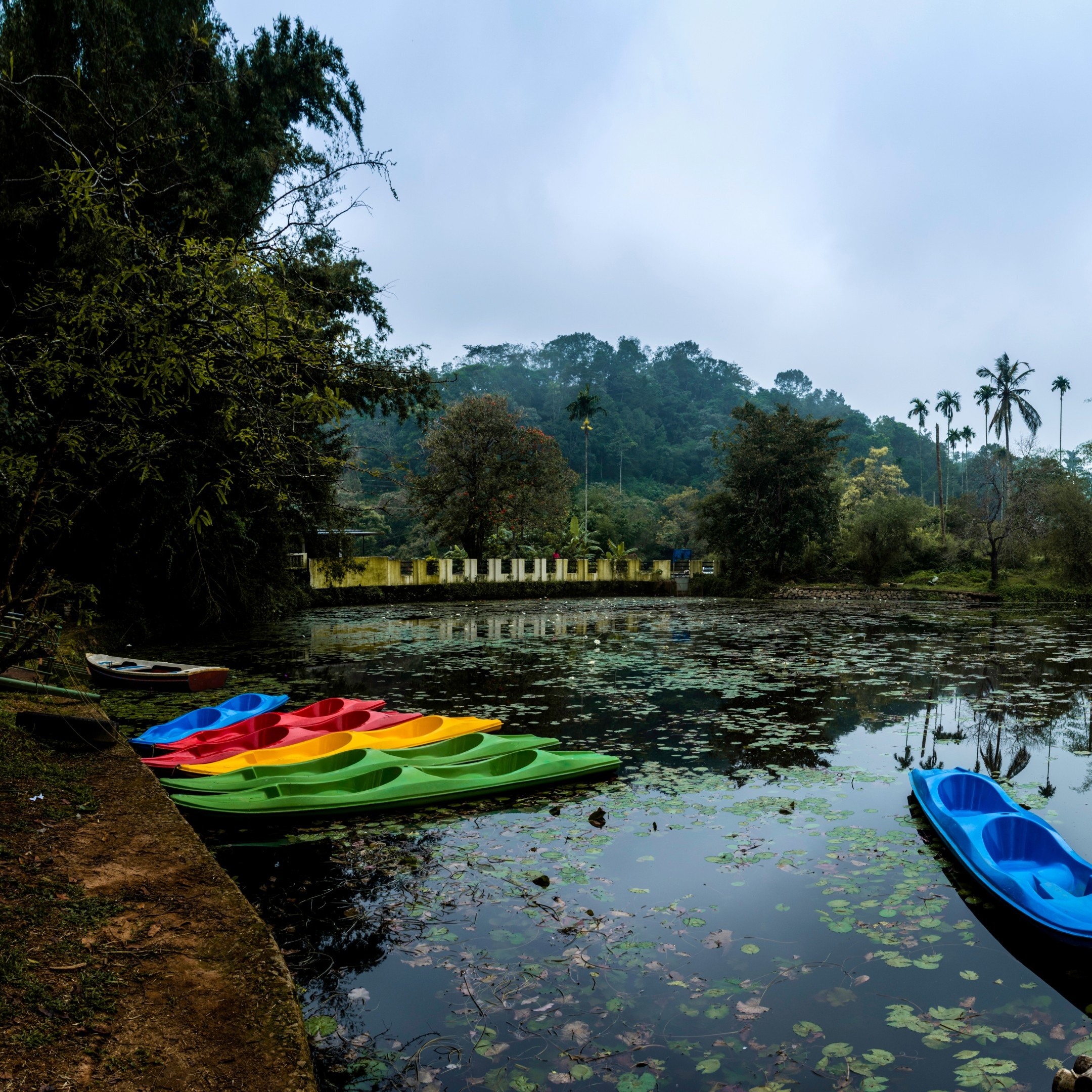
Top Things to Do & Activities in Wayanad
Discover a world of unforgettable experiences and top activities at this destination! Whether you’re seeking adventure, cultural immersion, relaxation, or family fun, find the best things to do—from sightseeing and outdoor adventures to culinary delights, spiritual journeys, and local events. Enjoy every moment and make your trip truly memorable!