Discover Amazing Madhya Pradesh
Madhya Pradesh offers a mix of wildlife, temples, waterfalls, caves, and heritage cities. Top spots include Khajuraho, Bhopal, Indore, Gwalior, Pachmarhi, Kanha, Bandhavgarh, and Orchha.
About This Destination
Welcome to Madhya Pradesh (MP), truly the Heart of India. Located centrally, this vast state is a crucible of rich history, home to magnificent ancient temples, powerful colonial legacies, and a natural abundance that boasts the highest density of tigers in the world. Often searched by travelers looking for the best wildlife safari in Central India or a comprehensive heritage tour of Madhya Pradesh, this guide is crafted to offer the clear, actionable information you need, blended with the inspiration that makes MP a truly unforgettable destination. We focus on content that is consistently liked and found helpful, ensuring you navigate the logistics and explore the diverse regions without getting lost.
How To Reach Madhya Pradesh
Madhya Pradesh is exceptionally well-connected, making it accessible from all corners of India, whether you're heading for the ancient caves, the bustling cities, or the serene national parks.
By Air: Major Airports
MP has several operational domestic airports providing excellent air access to its major cities and tourist hubs.
- Devi Ahilya Bai Holkar Airport (IDR), Indore: The busiest airport, serving the commercial capital and providing the gateway to the historical sites of Mandu and the spiritual city of Omkareshwar. Travelers often search for flights to Indore for Mandu trip.
- Raja Bhoj Airport (BHO), Bhopal: Serving the state capital, Bhopal is ideal for accessing the Sanchi Stupa, Bhimbetka Rock Shelters, and the nearby wildlife park of Satpura.
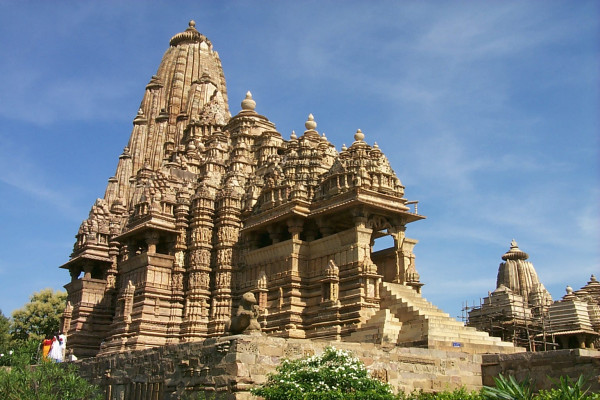
- Khajuraho Airport (HJR), Khajuraho: Crucial for international tourists, this airport offers limited direct flights from major cities like Delhi and Varanasi, providing direct access to the UNESCO World Heritage Khajuraho temples.
- Jabalpur Airport (JLR): The most strategic hub for wildlife lovers, JLR is the nearest airport to Kanha National Park and Bandhavgarh National Park, two of the best places to see the Bengal Tiger.
- Gwalior Airport (GWL): Serves the northern heritage circuit, providing access to the majestic Gwalior Fort and the historical town of Orchha.
By Rail: A Network Across the Nation
Madhya Pradesh sits astride major railway lines connecting North, West, and South India, making train travel a comfortable and cost-effective option.
- Bhopal Junction (BPL) and Habibganj (HBJ/Rani Kamalapati): Major stations in the capital region, well-connected by express and superfast trains, including the Vande Bharat Express, linking the state to Delhi, Mumbai, and Chennai.
- Jabalpur Junction (JBP): A primary rail hub for Eastern MP and the wildlife circuit, with excellent connectivity to Kolkata and cities in Maharashtra.
- Indore Junction (INDB): Connects Western MP to Gujarat and Maharashtra.
- Satna Junction (STA): Located on the main Mumbai-Howrah line, Satna is often used as the rail entry point for travelers heading to Khajuraho (120 km away).
- Itarsi Junction (ET): One of the largest and busiest railway junctions in Central India, providing crucial connections to trains travelling south.
By Road: National Highways and Scenic Routes
The state has an impressive network of National Highways (NHs) and State Highways (SHs). The popular road journey Indore to Mandu is known for being comfortable and scenic. Buses (MP state transport and private) offer economical connections between districts, and hiring private taxis for long-distance travel is common, especially for reaching the national parks.
Best Time to Visit: Balancing Wildlife and Weather
Madhya Pradesh experiences an extreme climate, making the timing of your visit critical for enjoyment. Travelers frequently search for the best season for tiger safari in Bandhavgarh or ideal weather for visiting Khajuraho temples.
- Winter (October to March): The Peak Season
- What to Expect: This is the most popular and comfortable time to visit. The weather is cool and pleasant, ideal for sightseeing the temples, forts, and city tours. Daytime temperatures generally range from 15°C to 28°C.
- Wildlife Note: Early winter is best for enjoying the natural beauty, while the transition to summer (March to April) is often considered the best time for tiger sightings as the dense foliage thins and animals congregate around limited water sources.
- Summer (April to June): Heat and Tiger Sightings
- What to Expect: Summers are intensely hot, with temperatures soaring above 40°C. Outdoor exploration can be challenging during the day.
- Wildlife Note: Despite the heat, the extreme conditions force the wildlife out of cover, making it the prime time for tiger photography and sightings, though travelers must be prepared for the heat.
- Monsoon (July to September): Lush Scenery
- What to Expect: The state receives moderate to heavy rainfall, transforming the landscape into a beautiful green expanse. Historical sites like Mandu are particularly magical under the monsoon mist.
- Wildlife Note: Most national parks, including Bandhavgarh and Kanha, are partially or fully closed during the monsoon months (July to mid-October) due to road conditions, though some buffer zones may remain open.
A Historical Tapestry: From Empires to Independence
Madhya Pradesh's history is as diverse as its geography, with its central location making it a prize for successive empires and dynasties. Understanding this past enriches the experience of visiting its ancient sites.
- Ancient Roots: The Bhimbetka Rock Shelters near Bhopal provide evidence of prehistoric human life, dating back to the Paleolithic age, holding some of the oldest rock paintings in India. Later, the Mauryan Empire established a significant presence, most notably seen in the Buddhist stupas at Sanchi, constructed by Emperor Ashoka in the 3rd century BCE.
- The Golden Age: During the Gupta Empire (4th to 6th centuries CE), MP was a major center for Hindu art and science. This was followed by the rise of regional powers, including the Paramaras who left the majestic city of Mandu (Dhar District) and the Chandelas who built the iconic Khajuraho temples (Chhatarpur District) between 950 and 1050 CE, creating the greatest collection of medieval temple art in the world.
- Mughal and Maratha Influence: The medieval period saw the region divided, with parts falling under the Delhi Sultanate and later the mighty Mughal Empire, whose influence is evident in the architecture of Mandu. By the 18th century, the Marathas, particularly the Holkar dynasty in Indore and the Scindias in Gwalior, gained prominence, building grand palaces and forts that still dominate the cityscape.
- Post-Independence: The modern state of Madhya Pradesh, which means "Central Province," was created in 1956 after the reorganization of states. Today, its legacy is one of conservation, culture, and a burgeoning modern economy.
Places to Visit: The Districts and Their Gems
Madhya Pradesh is divided into 52 administrative districts. For a traveler, these districts cluster into four distinct geographical and cultural regions, each offering unique experiences.
1. Wildlife Heartland (East & Southeast MP)
This region is the globally recognized center for wildlife tourism, home to major tiger reserves.
- Umaria District (Bandhavgarh): Home to Bandhavgarh National Park, which boasts the highest density of the Royal Bengal Tiger in India. Searching for Bandhavgarh Tiger Safari booking tips is a common traveler query.
- Mandla & Balaghat Districts (Kanha): Home to Kanha National Park, the landscape that inspired Rudyard Kipling’s The Jungle Book. Known for its beautiful sal forests and the conservation of the endangered Barasingha (Swamp Deer).
- Hoshangabad District (Satpura): Satpura National Park is famed for being a beautiful, rugged landscape and is one of the few places in India that offers walking safaris and canoe safaris.
2. Heritage and Temple Trails (Central & North MP)
Focusing on the architectural and religious legacies of the Chandelas and Mauryans.
- Raisen District (Sanchi & Bhimbetka): Houses the Sanchi Stupa, a UNESCO site and one of India’s oldest stone structures, and the Bhimbetka Rock Shelters, another UNESCO site with paleolithic rock art.
- Chhatarpur District (Khajuraho): The global hub for medieval Indian art, famous for the UNESCO-listed Khajuraho Group of Temples and their exquisite sculptures.
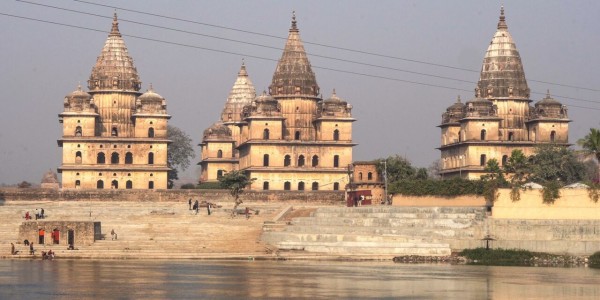
- Tikamgarh & Niwari Districts (Orchha): The small, tranquil town of Orchha on the Betwa River is renowned for its stunning 16th-century palaces and temples built by the Bundela rulers, including the Jehangir Mahal and Ram Raja Temple.
- Gwalior District: Home to the massive and historically significant Gwalior Fort, hailed as "the pearl in the necklace of the castles of Hind."
3. Commercial and Cultural Cities (West MP)
The hub of the Holkar legacy and Western Madhya Pradesh's economic activity.
- Indore District: The commercial capital, famous for its vibrant street food (Sarafa Bazaar) and the historical Rajwada Palace (Holkar Palace).
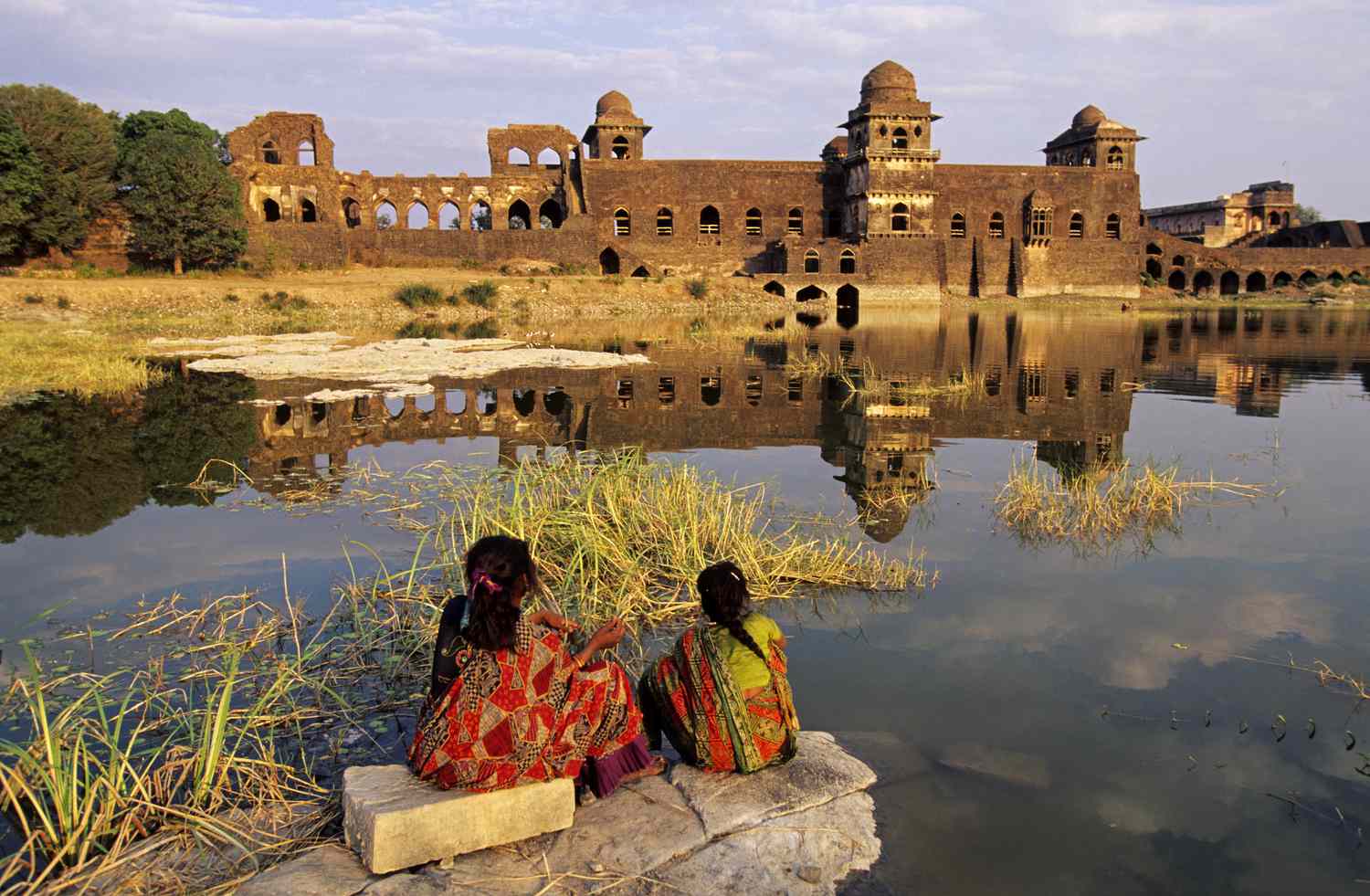
- Dhar District (Mandu): The "City of Joy" (Mandu or Mandavgad), famous for its Afghan architecture, including the romantic Rupmati's Pavilion and the vast Jahaz Mahal (Ship Palace), often listed as a romantic historical destination in Madhya Pradesh.
- Khandwa & Khargone Districts (Omkareshwar & Maheshwar): Home to the holy island city of Omkareshwar (one of the 12 Jyotirlinga shrines) and Maheshwar, a serene town known for its beautiful ghats, fort, and Maheshwari sarees on the banks of the Narmada River.
4. Natural Wonders (Jabalpur and surrounding)
The gateway to the wildlife parks and home to unique geological formations.
- Jabalpur District: Famous for the incredible Bhedaghat Marble Rocks on the Narmada River. Boating between the towering white and grey cliffs is a highly recommended and magical experience. Nearby is the dramatic Dhuandhar Falls (Smoky Falls).
Things To Do In Madhya Pradesh:
A traveler’s itinerary should be built around these essential experiences that define a trip to Madhya Pradesh.
- Tiger Safari: Embarking on a jeep safari in Bandhavgarh or Kanha to spot the Royal Bengal Tiger. This is the ultimate eco-adventure in Central India.
- Khajuraho Light and Sound Show: Witnessing the history and artistry of the Chandela dynasty projected onto the illuminated temples, providing a stunning historical context.
- Boating at Bhedaghat: Taking a serene boat ride through the shimmering white marble cliffs of Bhedaghat in Jabalpur, a unique geological marvel.
- Exploring Sanchi Stupa: Meditating or simply walking around the Great Stupa at Sanchi, soaking in the peace and the ancient Buddhist philosophy inscribed on the ornamental Toranas (gateways).
- Historical Walk through Mandu: Wandering through the ruins of the magnificent Jahaz Mahal and the romantic Rupmati's Pavilion, recalling the stories of Sultan Baz Bahadur and Rani Rupmati.
- Gwalior Fort Visit: Spending a day exploring the huge Gwalior Fort, its palaces, and the unique rock-cut Jain statues carved into the hillside below the fort walls.
- Street Food Crawl in Indore: Indulging in the legendary street food of Indore, particularly at Sarafa Bazaar (a jewelry market by day and food street by night) and Chappan Dukaan (56 Shops).
The Temples of Madhya Pradesh
Madhya Pradesh is deeply rooted in spirituality, housing temples and sites of immense religious significance for both Hindus and Buddhists.
- Jyotirlinga Shrines: MP is home to two of the 12 sacred Jyotirlinga (radiant signs of Lord Shiva):
- Mahakaleshwar Temple, Ujjain: Highly revered and known for its unique Bhasma Aarti (ash ritual).
- Omkareshwar Temple, Khandwa: Located on an island in the Narmada River, the island itself is shaped like the sacred Hindu symbol 'Om'.
- Ram Raja Temple, Orchha: Unique because Lord Rama is worshiped here not as a God but as a ruling king (Raja). It is the only place where Lord Rama is enshrined as a king.
- Chitrakoot: A significant pilgrimage site revered in the Ramayana, believed to be the place where Lord Rama, Sita, and Lakshmana spent eleven and a half years of their exile.
- Sanchi Stupa: While not a temple in the Hindu sense, the Great Stupa is the most important Buddhist monument in India, signifying the spread of Buddhism under Emperor Ashoka.
Madhya Pradesh offers a truly holistic experience, combining the majesty of wildlife with the grandeur of its historical and cultural sites. It is a destination that truly captures the essence of the Indian subcontinent.
Top Things to Do & Activities in Madhya Pradesh
Discover a world of unforgettable experiences and top activities at this destination! Whether you’re seeking adventure, cultural immersion, relaxation, or family fun, find the best things to do—from sightseeing and outdoor adventures to culinary delights, spiritual journeys, and local events. Enjoy every moment and make your trip truly memorable!
Popular City in Madhya Pradesh
Explore our selection of popular packages in Madhya Pradesh. Whether you're looking for a relaxing getaway, a family-friendly trip, or a solo adventure, we have the perfect package for you. Book now and experience the best of Madhya Pradesh like never before!