Discover Amazing Bharatpur
Bharatpur is home to Keoladeo National Park, a UNESCO World Heritage wetland sanctuary and top birdwatching spot in Asia, hosting 370+ bird species like the rare Siberian crane. Just 55 km from Agra, it offers peaceful cycling trails and rickshaw safaris amid Rajasthan's desert landscapes.
About This Destination
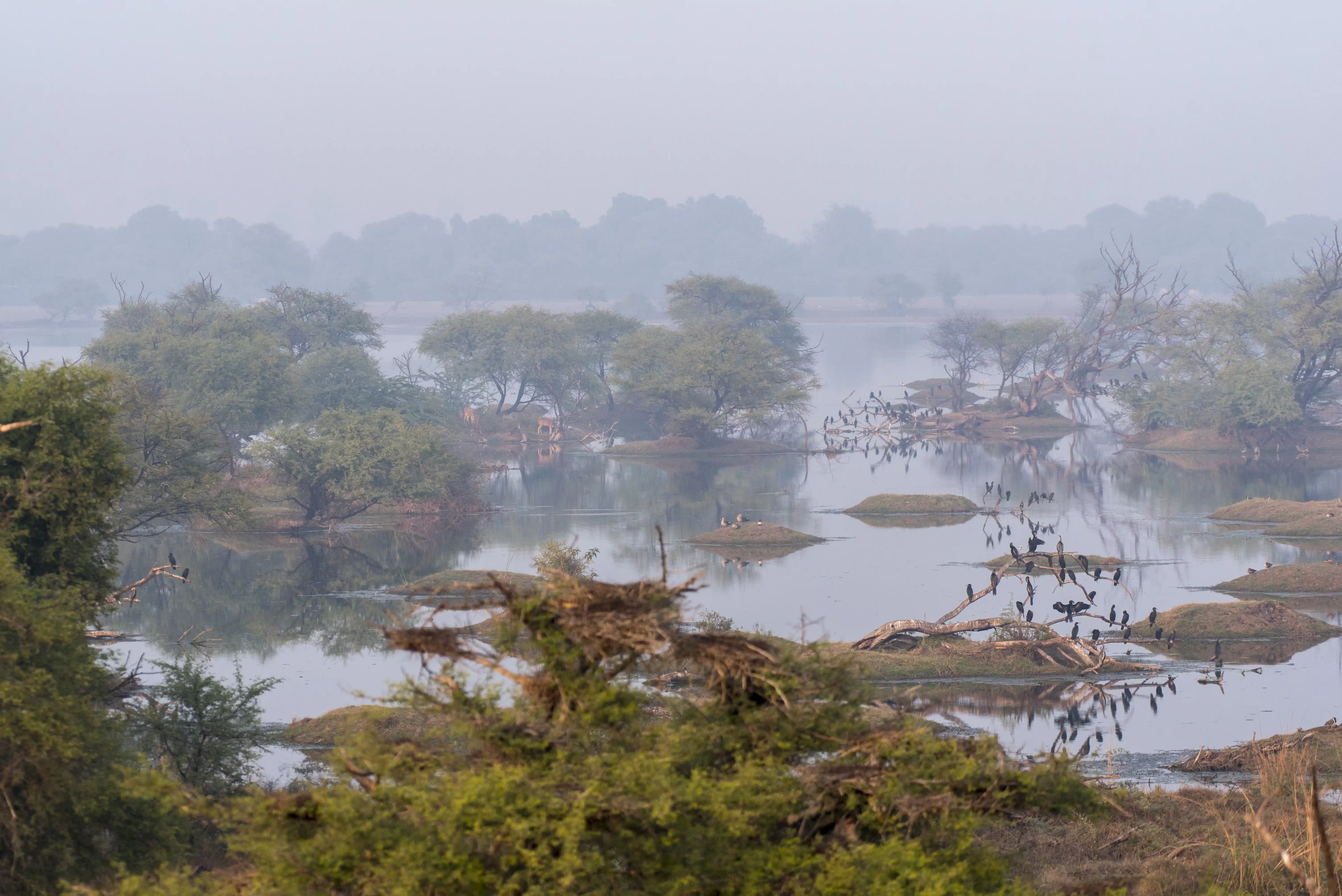
Bharatpur is not your typical Rajasthan stop of forts and palaces — it is a quiet wetland town in eastern Rajasthan best known for the Keoladeo National Park, a UNESCO World Heritage Site and one of the finest birdwatching destinations in Asia. Tucked between Agra and Jaipur on the Golden Triangle route, Bharatpur travel guide seekers will find a destination that rewards slow, unhurried exploration on foot, bicycle, or cycle-rickshaw.
When I plan a Rajasthan itinerary that includes the Taj Mahal, I almost always suggest breaking the Agra-to-Jaipur drive with a half-day or full-day stop in Bharatpur. It is an easy add-on for wildlife lovers and photographers, and unlike the desert cities further west, this is a green, watery landscape that feels like a different Rajasthan altogether.
How To Reach Bharatpur
Bharatpur's location on National Highway 21, between Agra and Jaipur, makes it one of the more convenient wildlife detours in North India.
Bharatpur Official Distance
- The Distance: Bharatpur is approximately 55 km from Agra, 175-185 km from Jaipur, and around 180 km from Delhi.
- Travel Time: From Agra it is roughly a 1.5-hour drive, while Jaipur to Bharatpur takes about 3 to 3.5 hours by road and a similar duration by train.
How to Get There
- By Air: The nearest airport is Agra Airport, about 55-56 km away, with regular flights connecting Delhi, Mumbai, and other major cities.
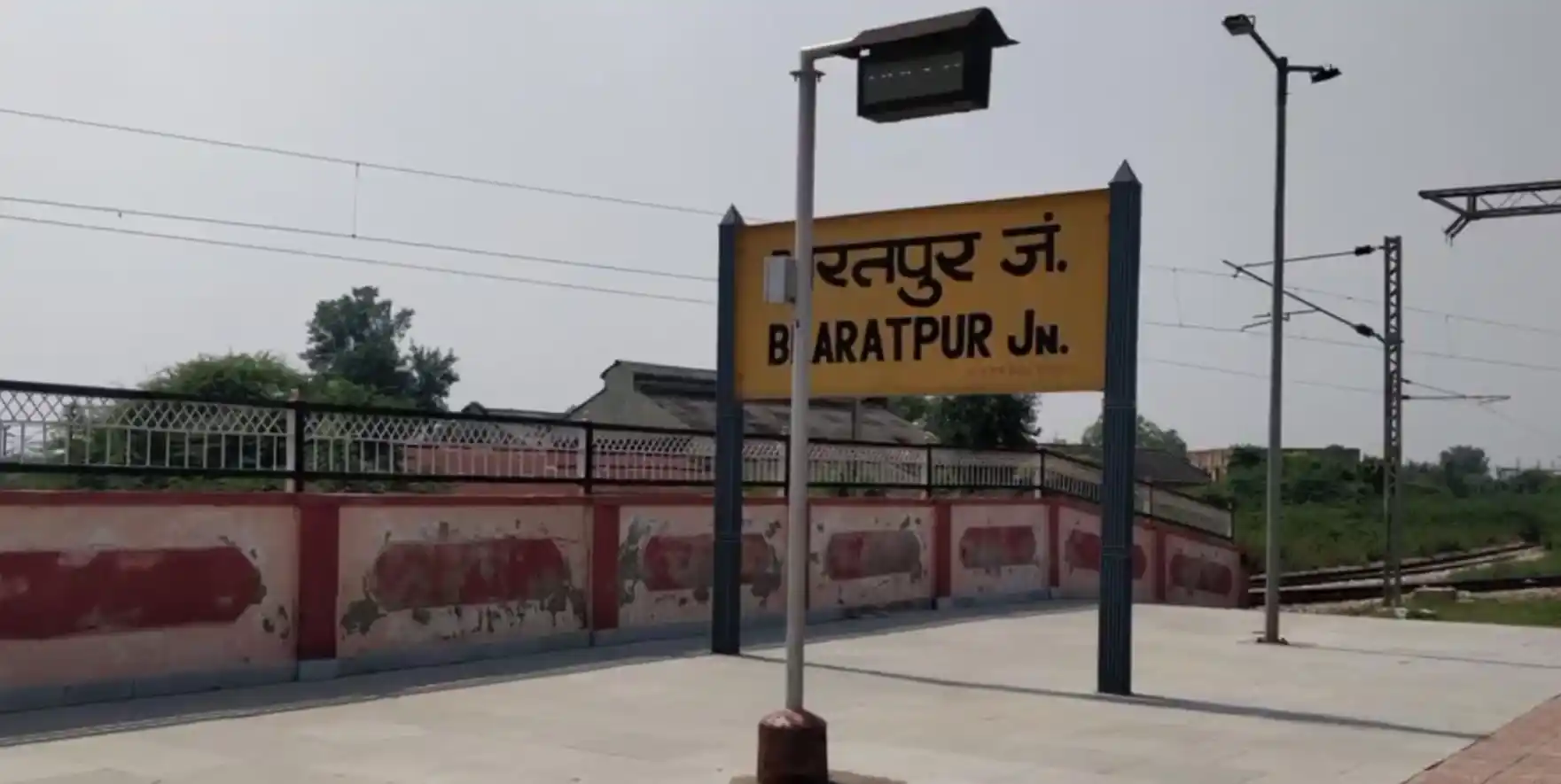
- By Rail: Bharatpur Junction sits just 5 km from the park entrance and is well connected to Delhi, Agra, Jaipur, and Mumbai on the main Delhi-Mumbai line.
- By Road: Regular buses and taxis run from Agra, Jaipur, and Delhi along NH-21 (the Agra-Jaipur highway), making a self-drive or hired-car trip straightforward.
Best Time To Visit Bharatpur
Winter (October to February)
- Vibe: This is peak season and the best time to visit Bharatpur, with cool, comfortable days between 10°C and 25°C and crisp early mornings ideal for birdwatching.
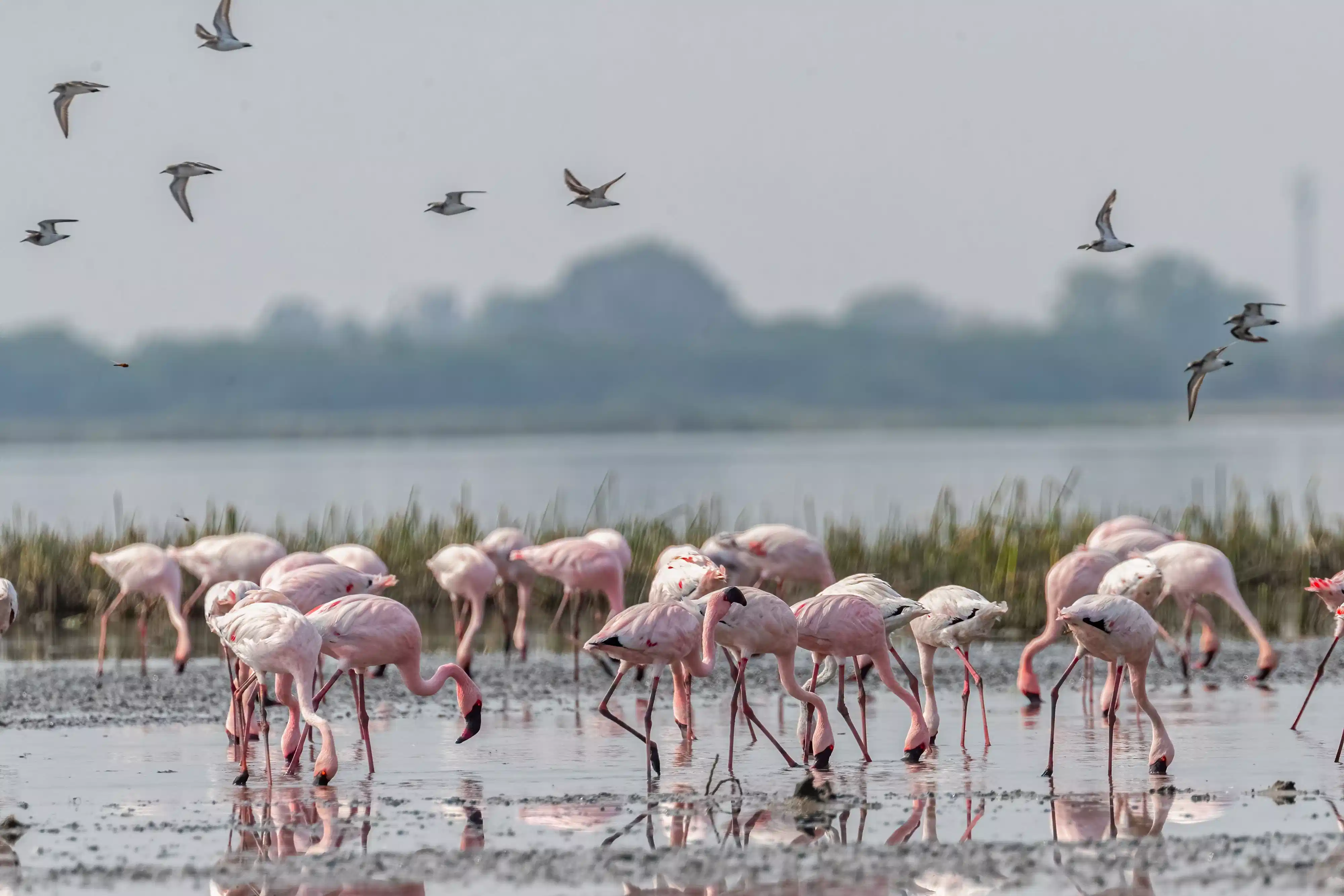
- Must-Do: Spot migratory Siberian cranes, bar-headed geese, and painted storks as they arrive for the winter breeding season.
- Tip: Carry a light jacket for the early morning safari, since temperatures can dip close to freezing at sunrise.
Spring (March)
- Vibe: The park stays lush and green as the peak season winds down, with pleasant daytime temperatures still favourable for long walks.
- Must-Do: Catch the tail end of the migratory bird season before many species begin their journey back north.
- Tip: Book accommodation early, as March weekends can still see decent crowds before the summer lull.
Summer (April to June)
- Vibe: Bharatpur turns brutally hot, with daytime temperatures often crossing 40°C, and much of the wetland dries out.
- Must-Do: If travelling during this period, focus visits on early morning hours only and explore the indoor exhibits at the park's interpretation centre.
- Tip: Avoid cycling through the park in the afternoon heat; a guided rickshaw ride with shade cover is a more comfortable option.
Monsoon (July to September)
- Vibe: The rains bring the wetlands back to life, flooding the marshes and turning the park green again ahead of the winter migration.
- Must-Do: Watch resident species like herons, egrets, and cormorants that stay active through the monsoon months.
- Tip: Roads can get slippery in heavy rain, so a road trip from Jaipur or Agra is best planned around forecasted dry spells.
Types of Birds in Bharatpur
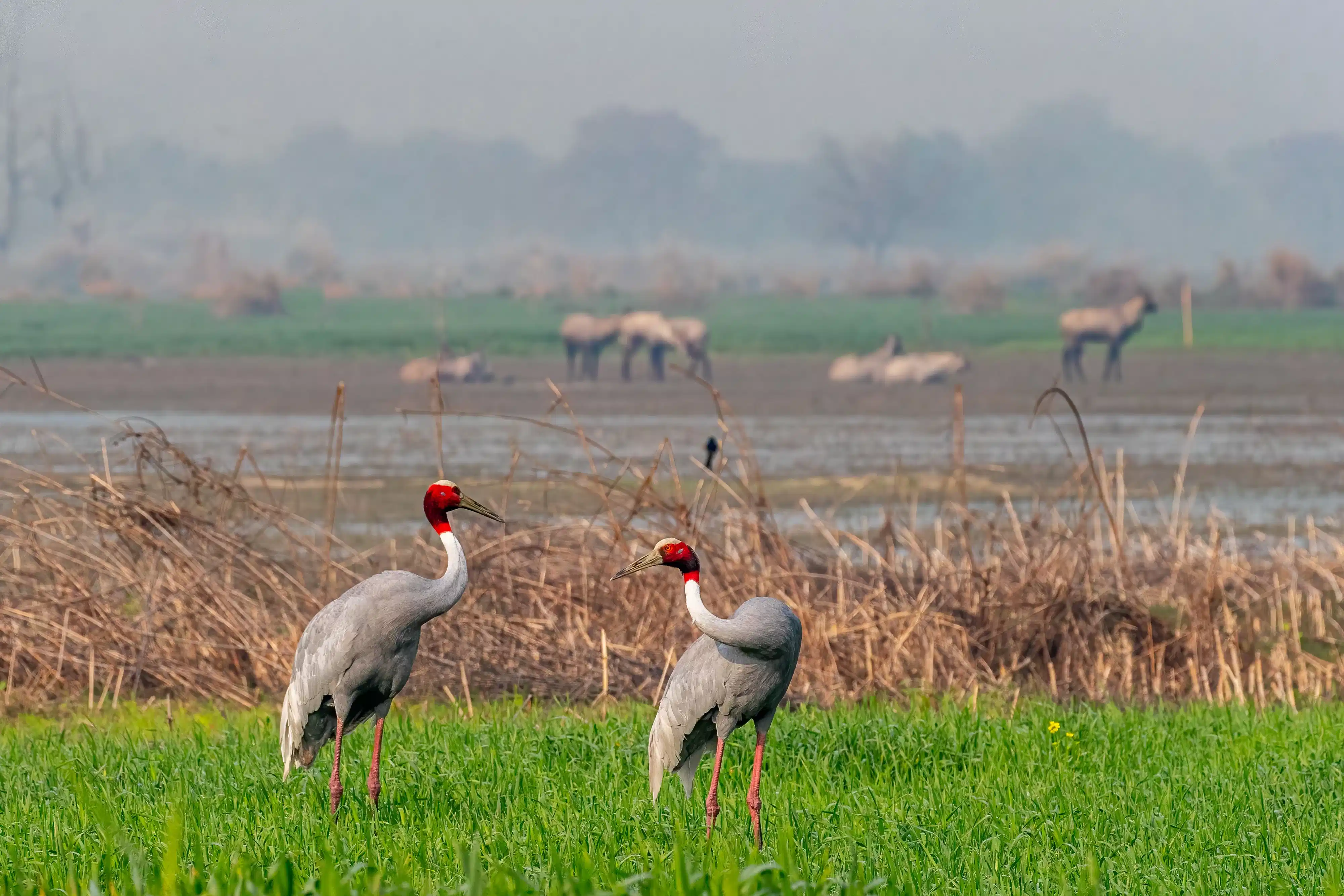
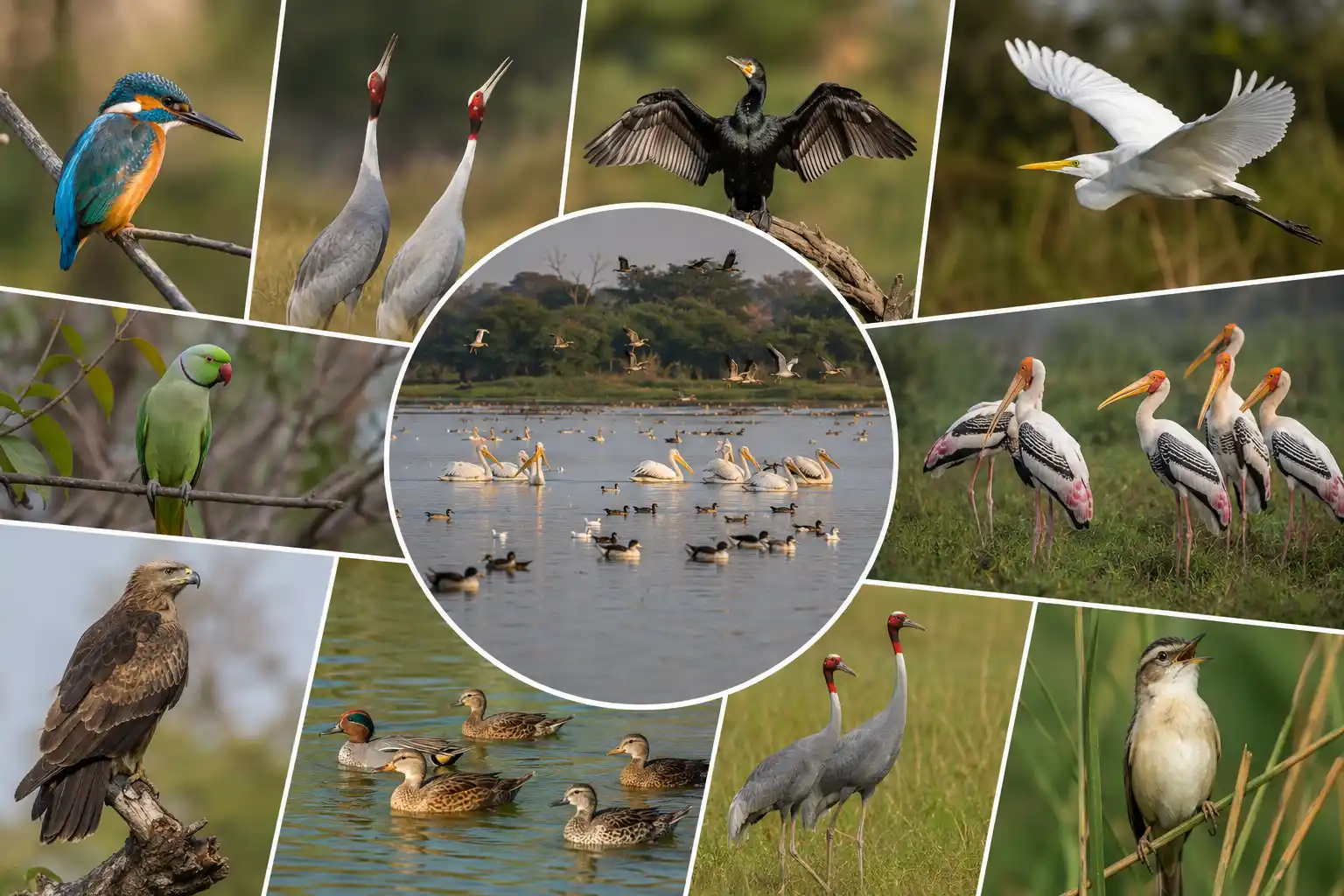
Keoladeo National Park is home to more than 370 species of birds, ranging from resident species like herons, egrets, cormorants, kingfishers, and parakeets to winter migrants such as the Siberian crane, bar-headed geese, painted storks, pelicans, and ducks that arrive from as far as Central Asia and Siberia. Birders can also spot Sarus cranes, Oriental ibis, imperial eagles, peregrine falcons, and a wide range of warblers and wagtails across the park's wetlands and grasslands, making it one of the richest birding sites in Asia.
Things To Do In Bharatpur
Birdwatching at Keoladeo National Park
- Guided Birding Tours: Hire a naturalist guide at the entrance to help spot and identify some of the 370-plus resident and migratory bird species recorded here.
- Cycle Rickshaw Safari: Yellow-plate authorised rickshaws come with drivers trained to point out birds and often carry binoculars for visitors.
Cycling and Nature Walks
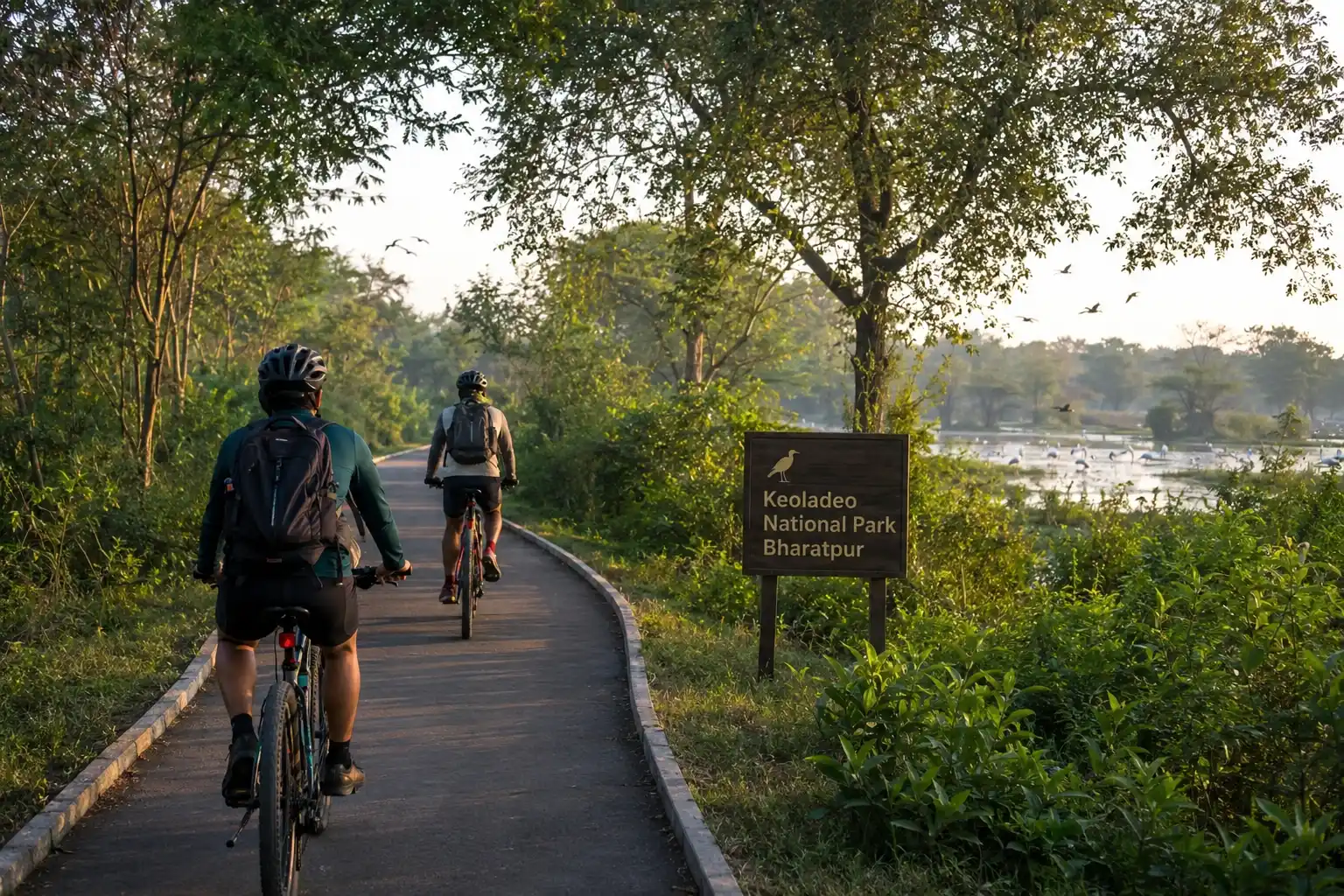
- Self-Guided Cycling: Rent a bicycle at the park entrance and explore the wide, paved main trail at your own pace, branching onto quieter side paths for closer wildlife encounters.
- Walking Trails: Slow, on-foot exploration near the watchtowers and open wetlands is ideal for serious photographers who want to wait patiently for the right shot.
Heritage and Local Culture
- Bharatpur Palace and Museum: Visit the former royal residence, now a museum showcasing armoury, sculptures, and artefacts from the Jat rulers of Bharatpur.
- Lohagarh Fort: Explore this Iron Fort, historically noted for repelling multiple British sieges, a short drive from the town centre.
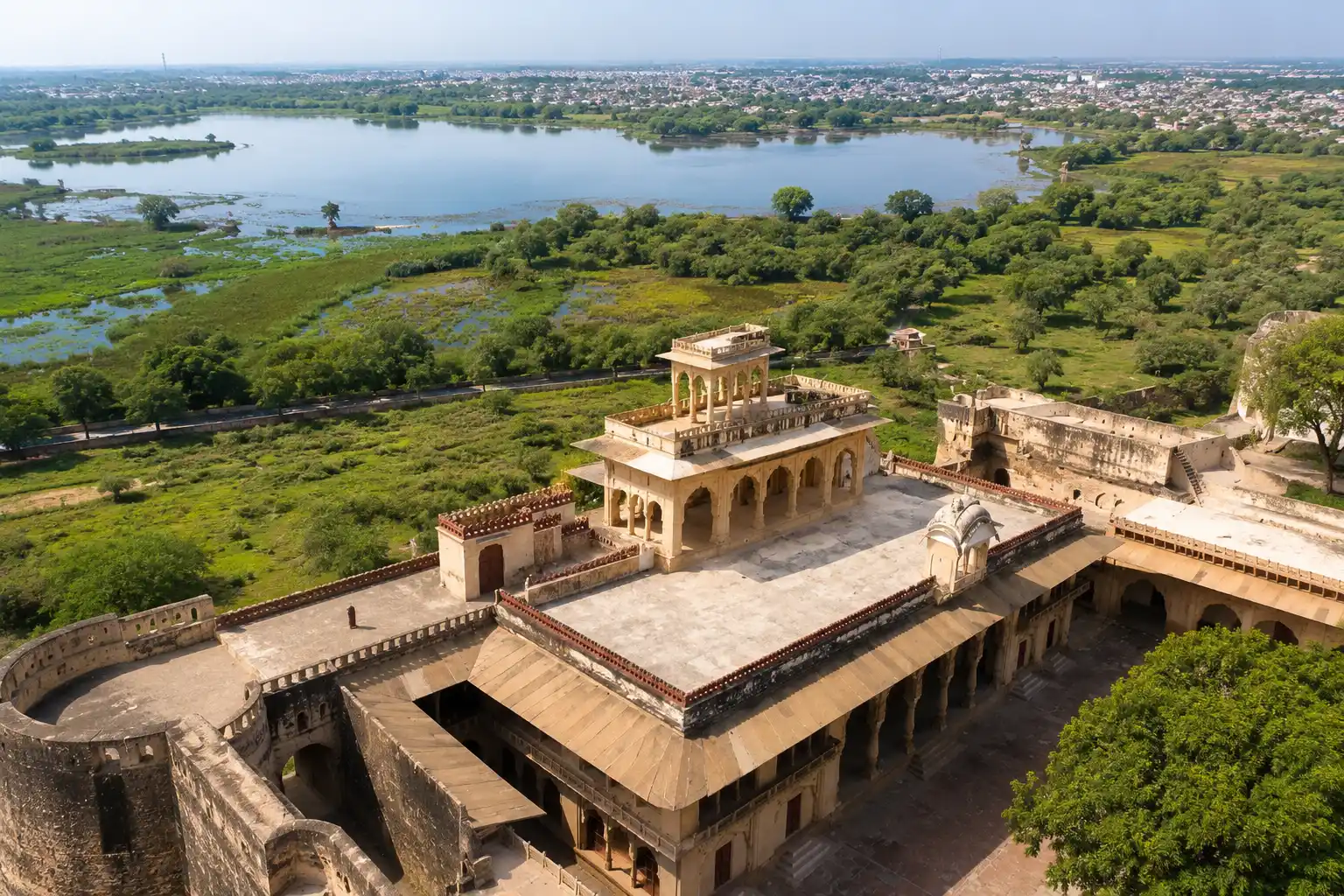
If you are combining Bharatpur with the rest of the Golden Triangle, it pairs naturally with a visit to Jaipur or a stopover en route to Agra, making it one of the easiest wildlife detours to add to an existing Rajasthan itinerary.
Top Things to Do & Activities in Bharatpur
Discover a world of unforgettable experiences and top activities at this destination! Whether you’re seeking adventure, cultural immersion, relaxation, or family fun, find the best things to do—from sightseeing and outdoor adventures to culinary delights, spiritual journeys, and local events. Enjoy every moment and make your trip truly memorable!