Discover Amazing Gangtok
Gangtok offers a perfect mix of culture, nature, and adventure. Explore monasteries, enjoy panoramic views on ropeways, visit lakes, shop at MG Road, and experience the serene beauty of Sikkim.
About This Destination
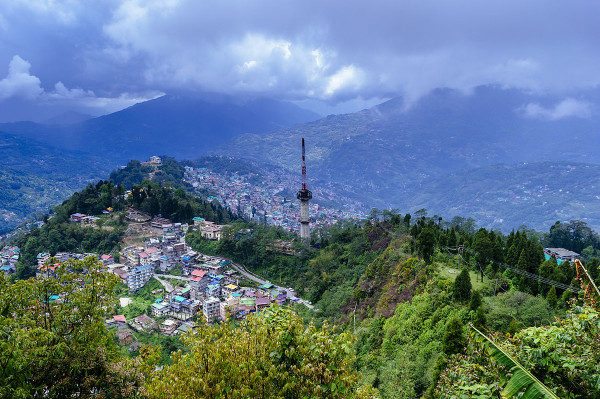
Gangtok, the capital and heart of Sikkim, is a city perched gracefully on a ridge at an altitude of approximately 5,500 feet (1,650 meters). It serves as the cultural, political, and primary tourist gateway to the entire Himalayan state. The city is famous for its harmonious blend of traditional Buddhist culture, vibrant modern city life, and the breathtakingly close vistas of the majestic Mount Kanchenjunga (Khangchendzonga), the world's third-highest peak.
This comprehensive guide is designed to be your indispensable companion, detailing all the practical travel logistics, the best times for sightseeing, the rich history that shapes the city, and a deep dive into the must-see sights and experiences, ensuring you plan a perfect Gangtok Tour package without getting lost in the mountains or the details.
How to Reach Gangtok
The final leg of any journey to Gangtok is a scenic, winding drive through the hills, typically following the picturesque Teesta River.
1. By Air (Nearest Airport)
For air travellers, there are two key options:
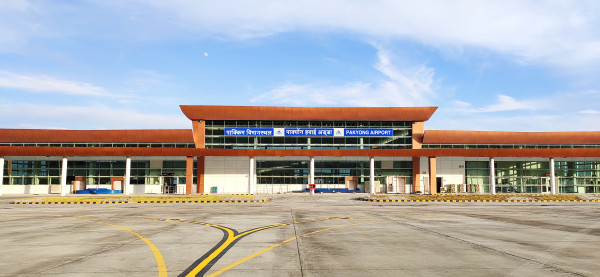
- Pakyong Airport (PYG): This is the nearest airport to Gangtok, located only about 35 km away. Pakyong is Sikkim’s own airport, offering direct domestic flights from cities like Kolkata and Delhi. The drive from Pakyong to Gangtok takes approximately 1.5 to 2 hours. However, due to its high altitude and challenging weather conditions, flight operations here can be erratic. Travelers often search for Pakyong Airport flight status and connectivity before booking.
- Bagdogra International Airport (IXB), West Bengal: This remains the most reliable and commonly used airport for Gangtok. Located about 125 km away, Bagdogra offers excellent flight connectivity to all major Indian cities (Delhi, Mumbai, Chennai, Kolkata, etc.).
- From Bagdogra to Gangtok: The road journey takes approximately 4 to 5 hours. Shared taxis (shared jeeps) and private cabs are readily available right outside the airport terminal, making this the easiest way to fly to Sikkim. Sikkim Tourism Development Corporation (STDC) also operates an occasional helicopter service from Bagdogra to Gangtok for a quick 20-minute journey, weather permitting.

2. By Rail (Nearest Railway Station)
Gangtok, and Sikkim as a whole, currently lacks a major railway station.
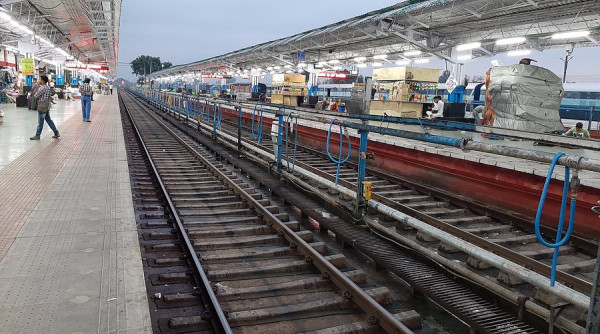
- New Jalpaiguri Railway Station (NJP), West Bengal: This is the nearest major railway station to Gangtok, situated about 120 km away in Siliguri. NJP is a principal railway hub, offering excellent and frequent train connections from all across the country.
- From NJP to Gangtok: Taxis (private and shared) and Sikkim Nationalised Transport (SNT) buses are the primary mode of transport. The scenic drive takes about 4 to 5 hours via the National Highway 10 (NH10).
3. By Road (The Mountain Lifeline)
- NH10: This highway connects Siliguri/NJP to Gangtok and is the state's main road artery. The road journey offers stunning views, especially as it winds alongside the Teesta River.
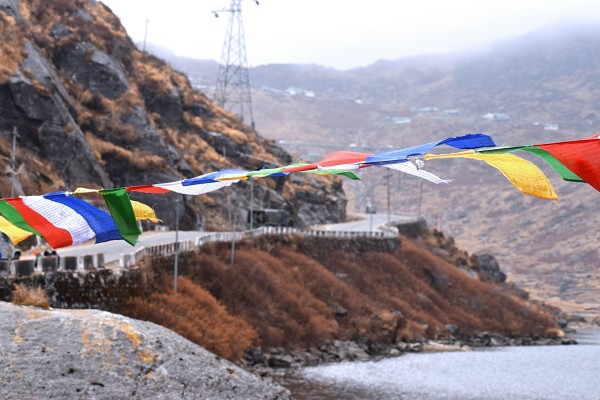
- Bus and Taxi Services: Regular SNT bus services and private taxis operate daily from Siliguri, Darjeeling, and Kalimpong to Gangtok. It is advisable to hire a Sikkim-registered taxi from the border town of Rangpo to ensure a smooth journey all the way to your hotel in Gangtok.
Best Time to Visit Gangtok
- Peak Season / Spring & Summer (March to June): This is the most popular and best time to visit Gangtok. The weather is pleasantly mild, with temperatures ranging from 15°C to 25°C. The clear skies offer mesmerizing views of Kanchenjunga, and the valleys are carpeted with vibrant blossoms, especially the famed rhododendrons and orchids. This period is ideal for outdoor activities like paragliding and trekking in Gangtok.
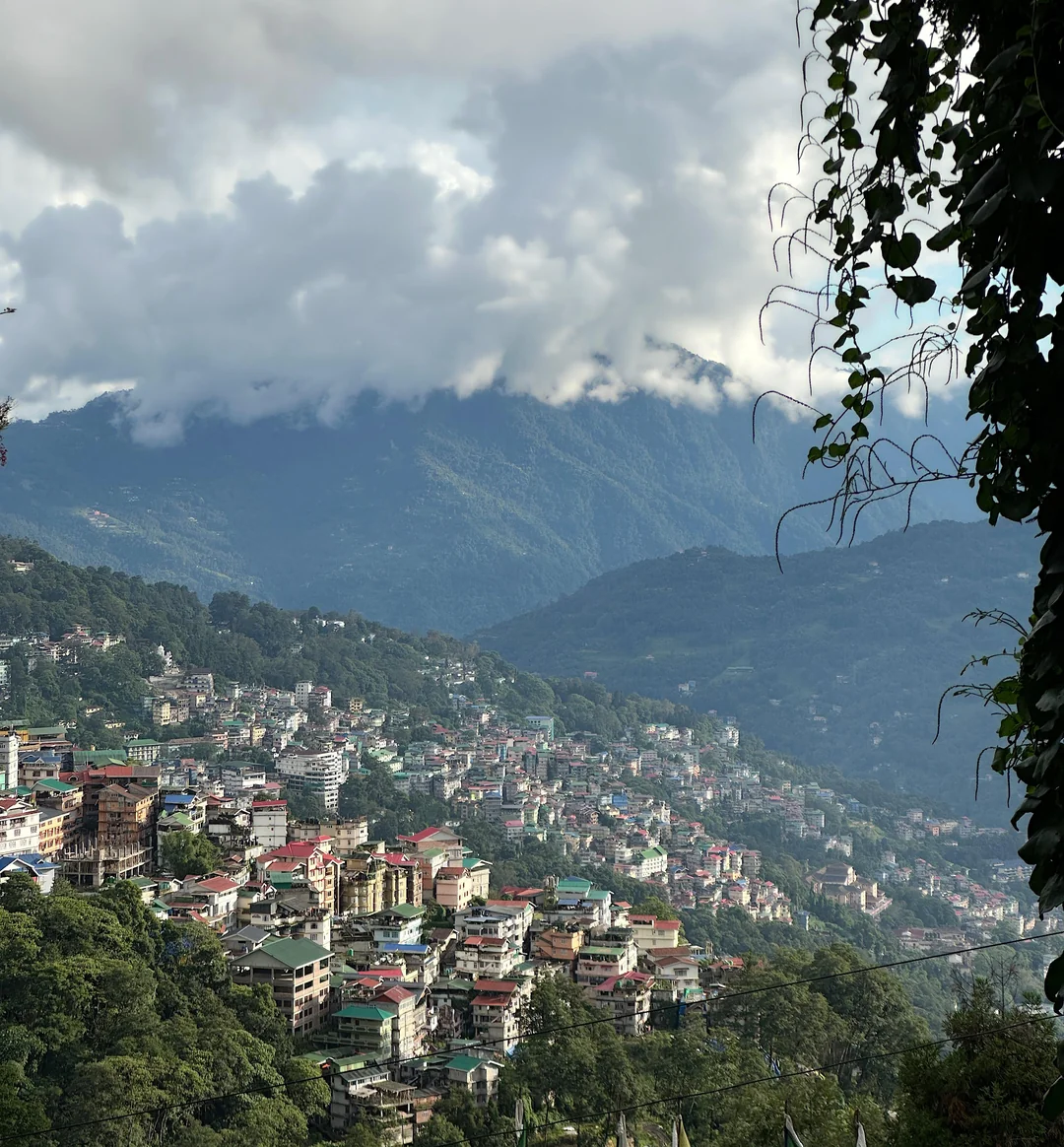
- Autumn (Late September to Mid-November): This is an equally excellent period, highly favored by photographers. The atmosphere is crisp and clean following the monsoon, ensuring the clearest, unobstructed views of the Kanchenjunga range. The temperature is cool, perfect for sightseeing and day trips to high-altitude areas.
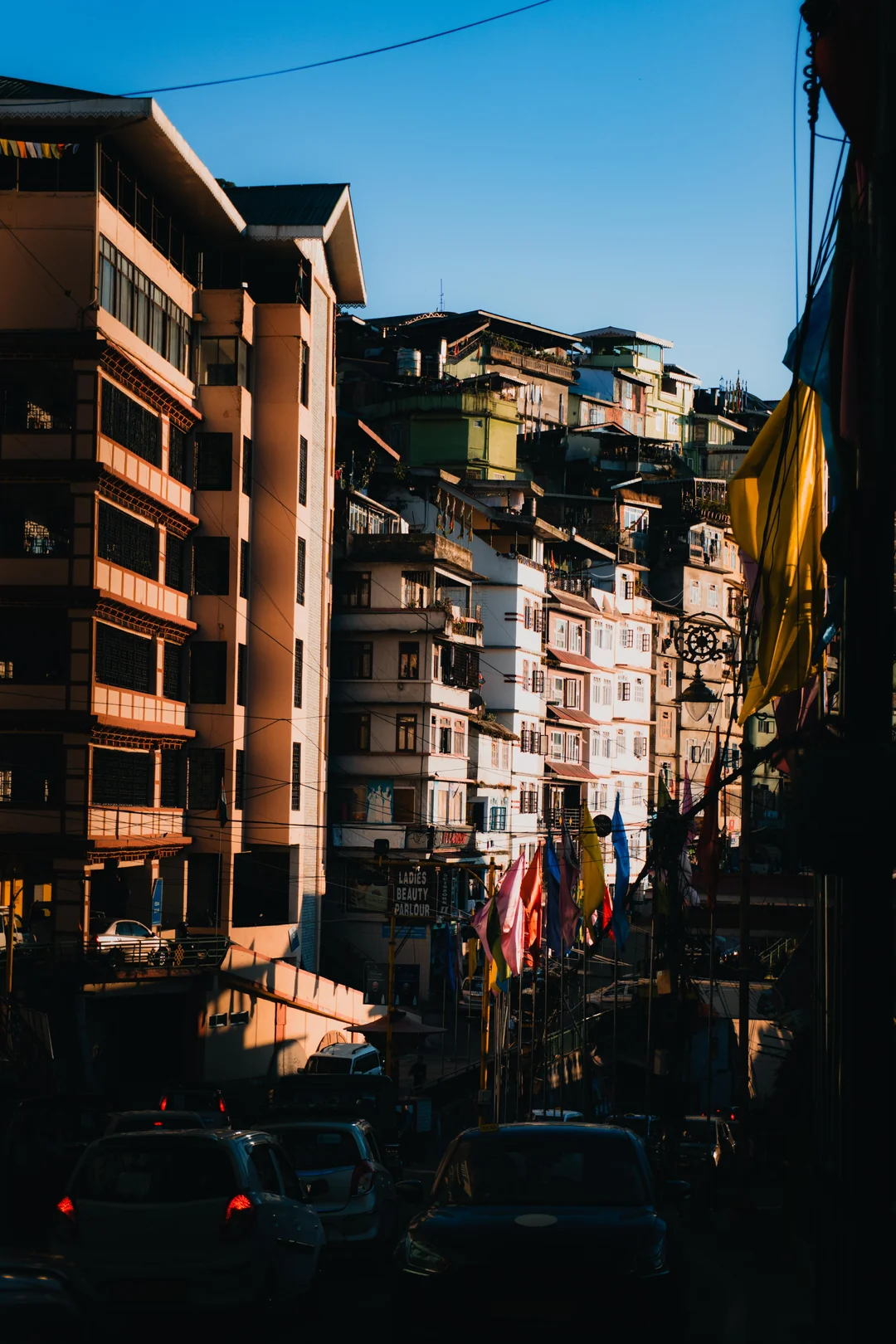
- Winter (December to February): The weather is intensely cold, with temperatures often dropping to single digits (4 ° C to 10°C). While snowfall is rare in Gangtok itself, the surrounding high-altitude areas like Tsomgo Lake and Nathula Pass receive heavy snow, making it the best time to visit Gangtok for snowfall experience in the nearby regions.
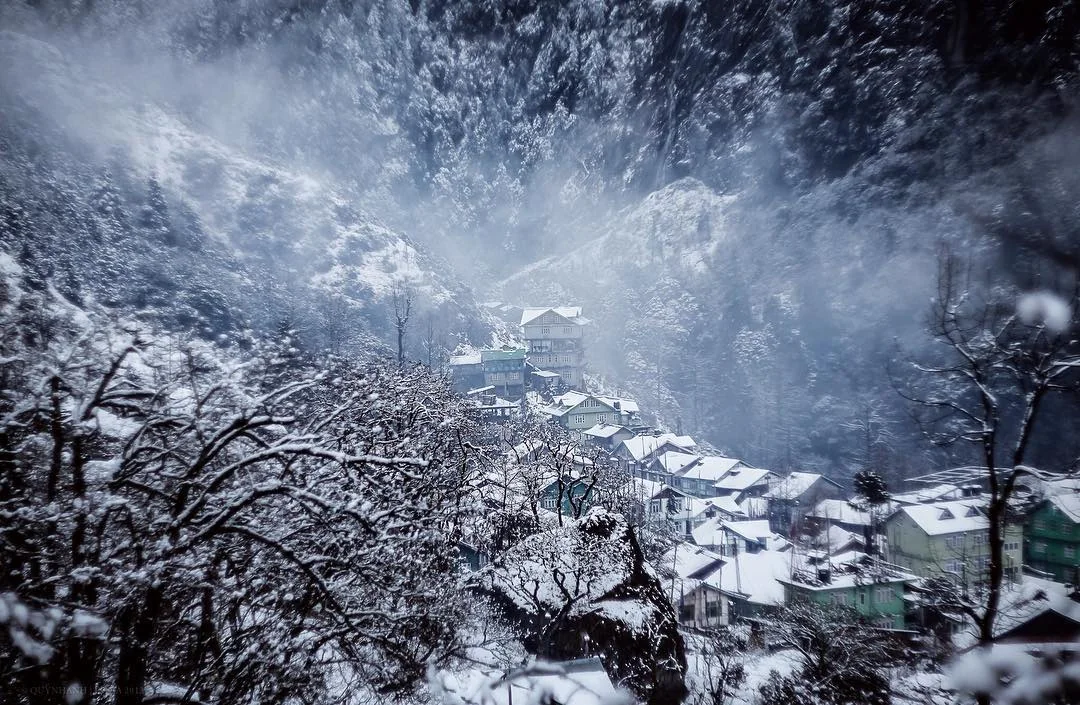
- Monsoon (July to September): This is the off-season. Heavy rainfall causes frequent landslides, travel delays, and often obscures mountain views. It is generally advisable to avoid the core monsoon months if you plan to rely on road travel.
History of Gangtok: From Monarchy to Modernity
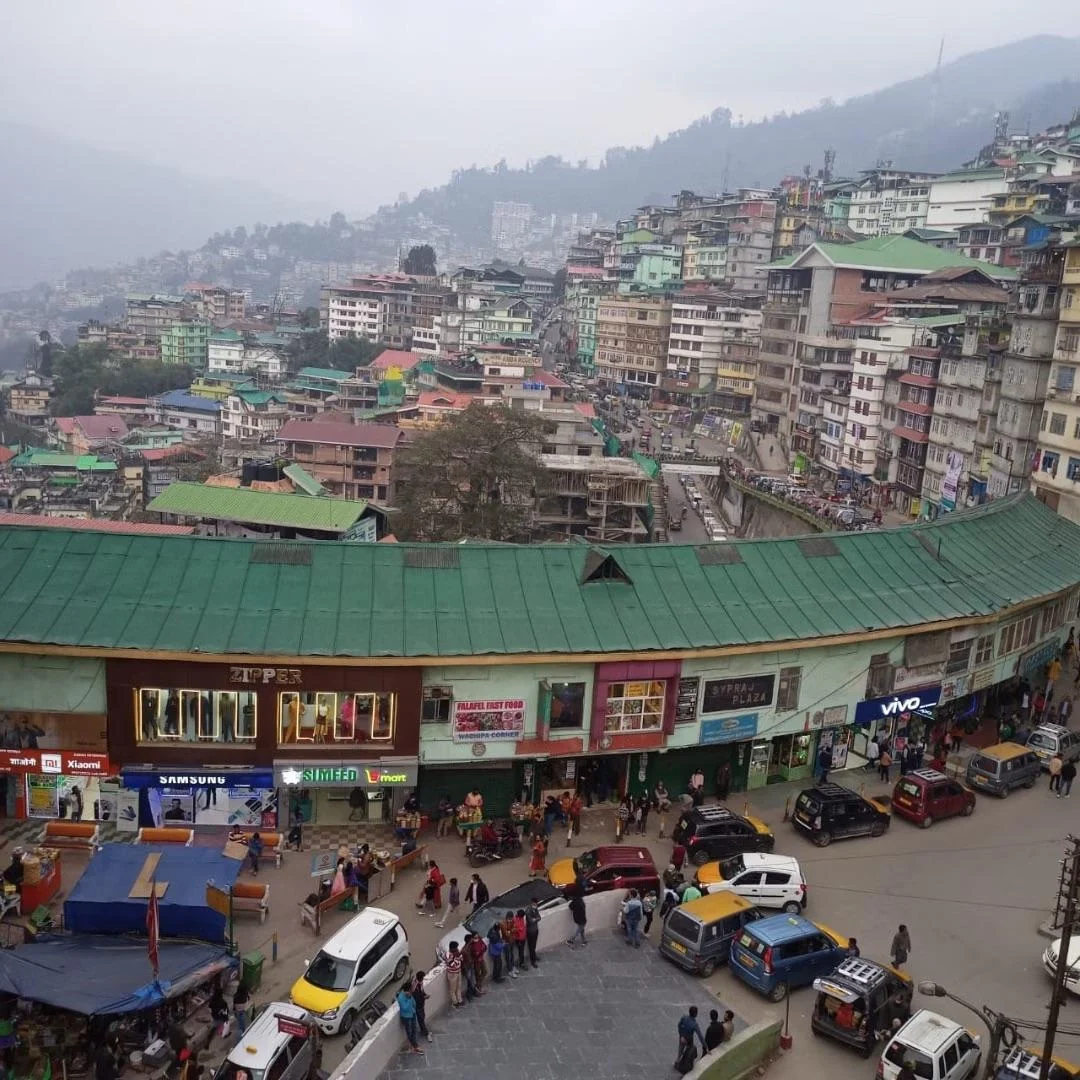
- The Royal Seat: Although Yuksom was the first capital of the Kingdom of Sikkim, Gangtok rose to prominence in the mid-19th century and was officially declared the capital of the Chogyal (Dharma King) monarchy in 1894. Its strategic location on the trade route between India and Tibet, via the Nathula Pass, cemented its importance.
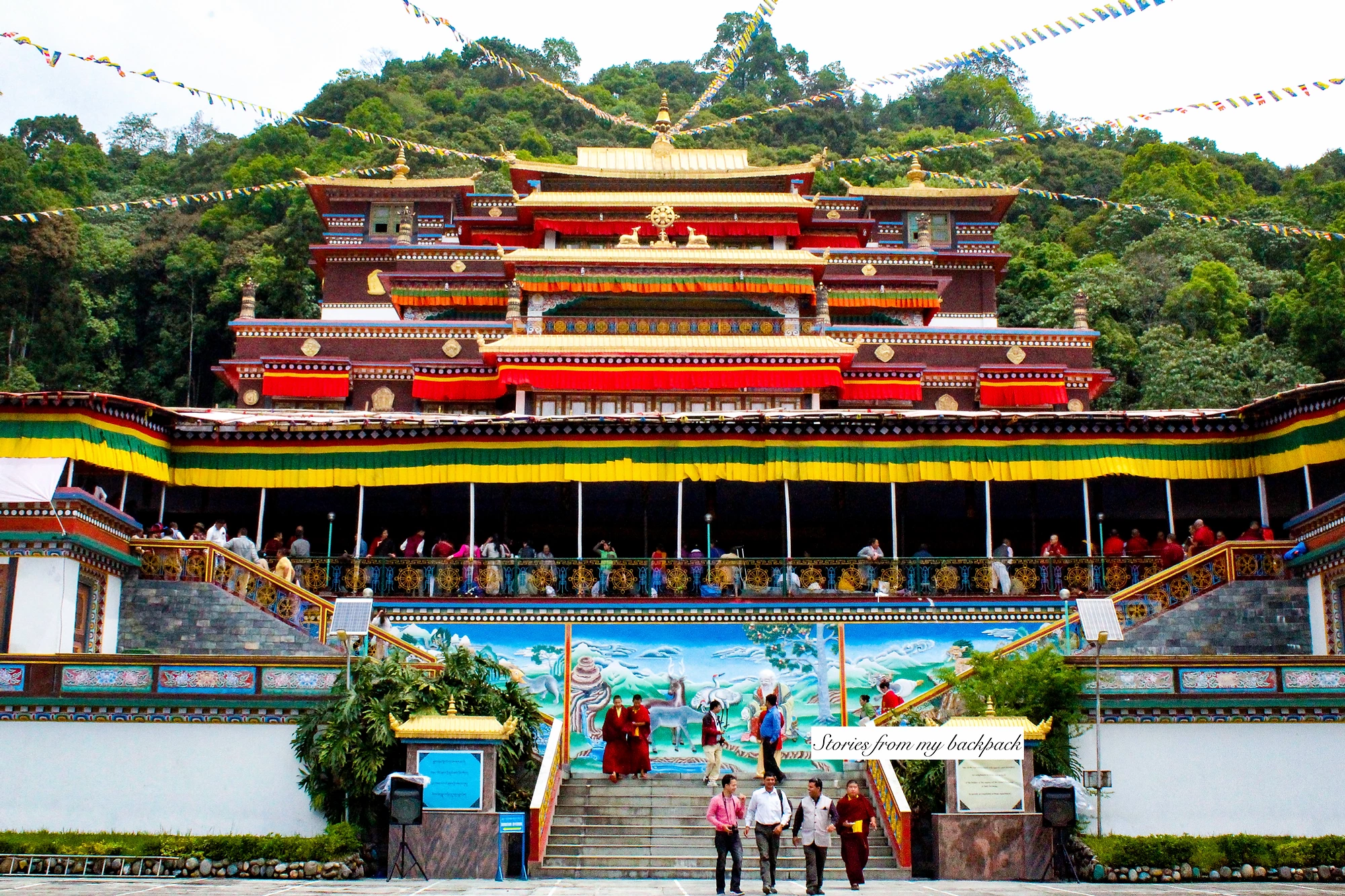
- Trade Hub: Before the Indo-China war of 1962, Gangtok was a thriving transit point on the historic Silk Route. Goods like wool, tea, and spices flowed through the city, fueling its development and giving it a cosmopolitan character.
- Modern Capital: After Sikkim's merger with the Indian Union in 1975, Gangtok became the capital of the 22nd Indian state. The city has since developed into a clean, modern, and highly organized urban center while carefully preserving its strong Tibetan Buddhist cultural roots, evidenced by the numerous monasteries and chortens dotting the landscape.
Things To Do and Places To Visit in Gangtok
MG Marg (Mahatma Gandhi Road)
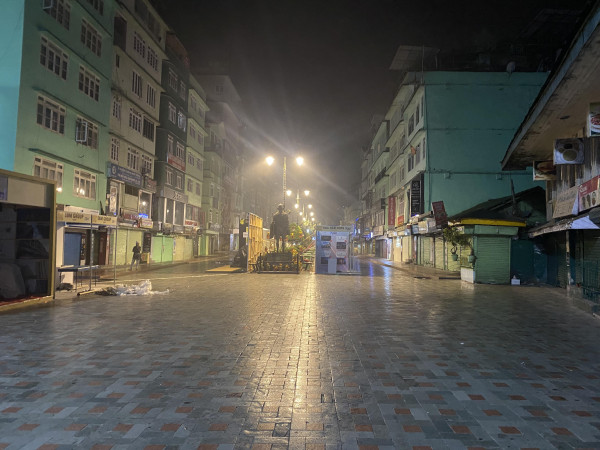
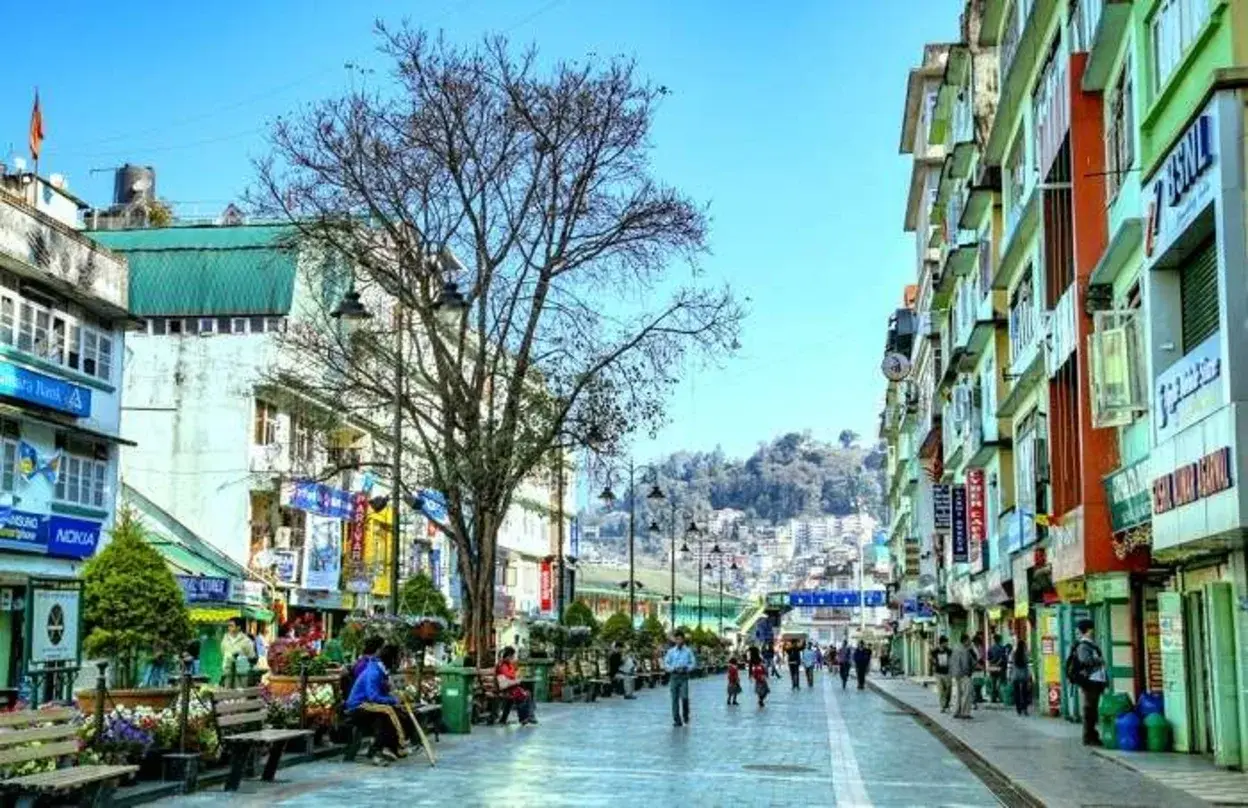
- Overview: The "Heart of Gangtok," this is a litter-free, smoke-free pedestrian plaza lined with vibrant shops and colorful benches.
- How to Reach: Located in the center of Gangtok; easily accessible by local taxis or on foot from most city hotels.
- Best Time to Visit: Evenings (5 PM – 8 PM) when the street lights up. Avoid Tuesdays as many shops are closed.
- Food to Explore: Baker’s Café (Pastries/Coffee), Roll House (Sikkimese Rolls), and authentic Momos at The Square.
- Activities: Evening strolls, shopping for prayer flags and woolens, and soaking in the "Gangtok Food & Culture Festival" in December.
Tashi View Point
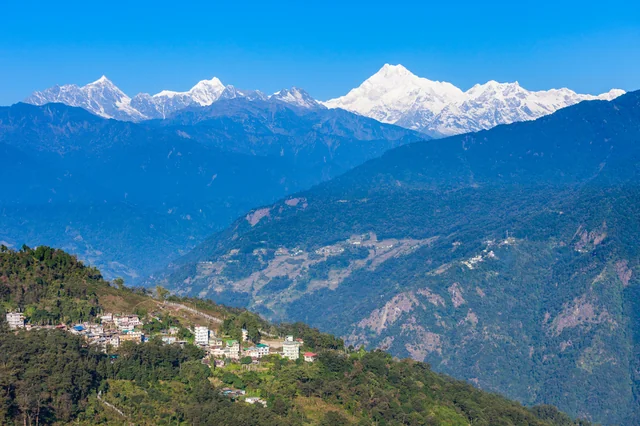
- Overview: Built by the late King Tashi Namgyal, it offers the most unobstructed sunrise views of Kanchenjunga.
- How to Reach: 8 km from Gangtok on the North Sikkim Highway; take a local taxi.
- Best Time to Visit: 5:00 AM (Sunrise) or 4:00 PM (Sunset). Clear skies are best in October–November.
- Food to Explore: A small cafeteria at the site serves hot tea, coffee, and instant noodles.
- Activities: Photography of snow-capped peaks and birdwatching.
Ganesh Tok & Hanuman Tok
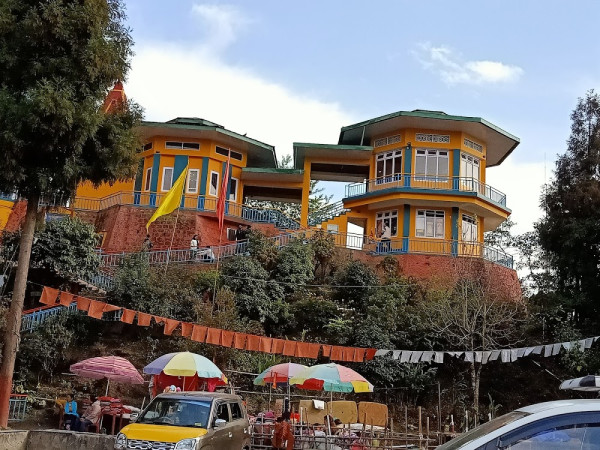
- Overview: Two hilltop temples dedicated to Lord Ganesh and Lord Hanuman, respectively. Hanuman Tok is maintained by the Indian Army.
- How to Reach: Ganesh Tok is 6 km from the city; Hanuman Tok is 11 km. They are usually covered together in a half-day tour.
- Best Time to Visit: Early morning for clear views.
- Food to Explore: Local stalls near Ganesh Tok serve "Sel Roti" (traditional sweet bread).
- Activities: Ringing the giant bells for blessings and viewing the panoramic city skyline.
Gangtok Ropeway (Cable Car)
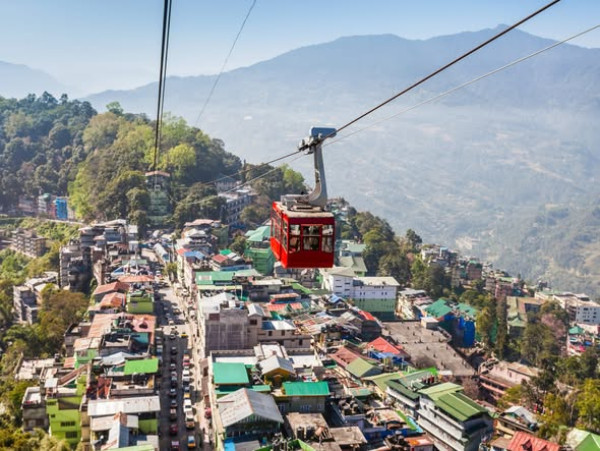
- Overview: A double-cable zig-back ropeway that offers a bird’s-eye view of the city and the valleys below.
- How to Reach: Starts at Deorali (near the Namgyal Institute of Tibetology).
- Best Time to Visit: Daytime (9 AM – 4 PM).
- Food to Explore: Deorali market at the base has many small Tibetan eateries.
- Activities: A 1 km thrill ride; perfect for aerial photography of the Teesta River.
Flower Exhibition Centre & Ridge Park
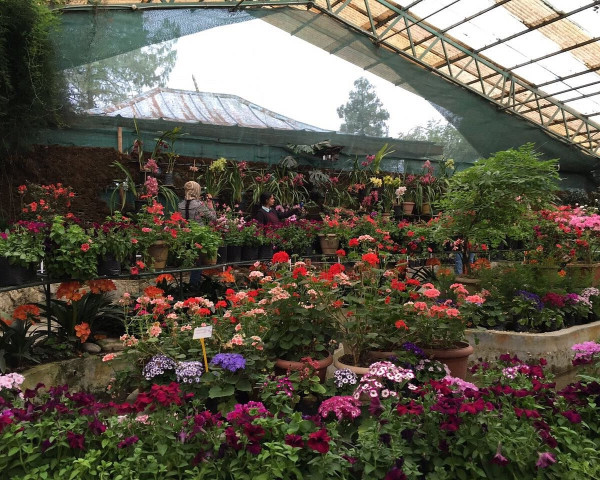
- Overview: A lush botanical conservatory showcasing Sikkim's world-famous orchids and seasonal blooms.
- How to Reach: Walking distance from MG Marg, located just below the Chief Minister’s bungalow.
- Best Time to Visit: March to June (Peak flowering season).
- Food to Explore: Cafes along the Ridge area serving tea and light snacks.
- Activities: Exploring the Orchid show and a quiet walk in Ridge Park.
Rumtek Monastery
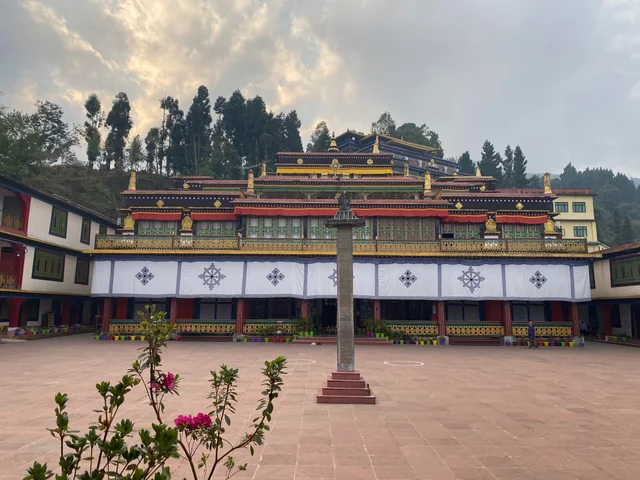
- Overview: The largest monastery in Sikkim and the seat of the Karmapa Lama. It is an architectural masterpiece of the Karma Kagyu lineage.
- How to Reach: 23 km from Gangtok. Shared Jeeps are available from the Hotel Hungry Jack taxi stand.
- Best Time to Visit: March to June; October to December.
- Food to Explore: Small dhabas outside the gate serve "Thukpa" (noodle soup) and butter tea.
- Activities: Seeing the Golden Stupa, observing monk debates, and visiting the Nalanda Institute nearby.
Do Drul Chorten & Namgyal Institute of Tibetology
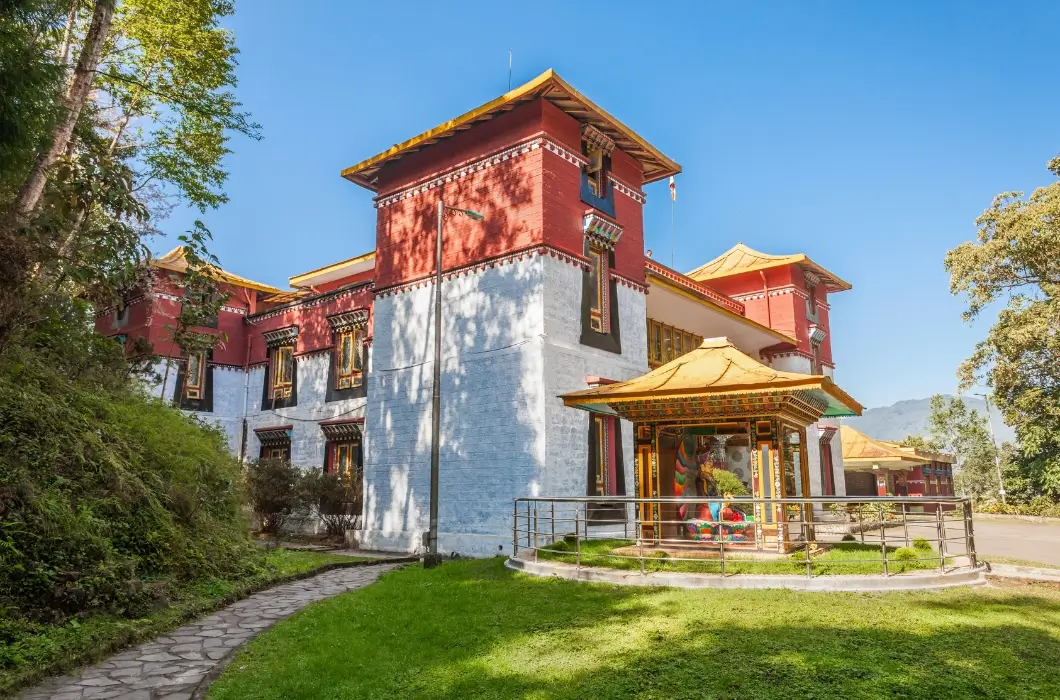
- Overview: A massive stupa with 108 prayer wheels located next to one of the world's leading centers for Tibetan research.
- How to Reach: 2 km from the city center in Deorali.
- Best Time to Visit: Year-round; mornings are quieter.
- Food to Explore: Try the "Sha Phaley" (deep-fried meat bread) at local stalls nearby.
- Activities: Rotating the prayer wheels, visiting the museum of ancient manuscripts, and viewing thangkas (scroll paintings).
Enchey Monastery
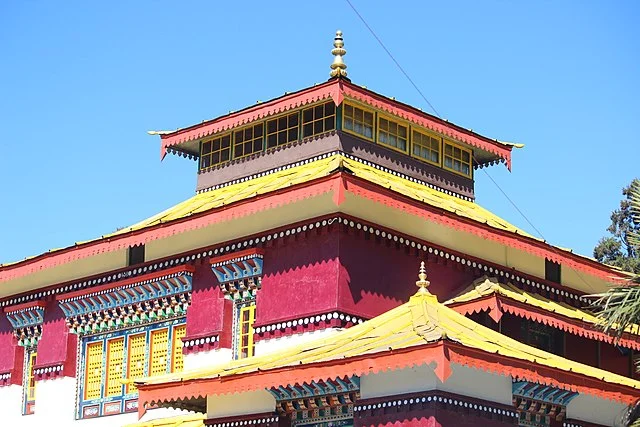
- Overview: Meaning "The Solitary Temple," this 200-year-old monastery is built on a site blessed by Lama Drupthob Karpo.
- How to Reach: 3 km from the city center, perched on a hill above the TV tower.
- Best Time to Visit: January (during the "Cham" or masked dance festival).
- Activities: Watching the sunset through the pine trees and exploring the mural-covered interiors.
Lingdum (Ranka) & Tsuklakhang Palace Monastery
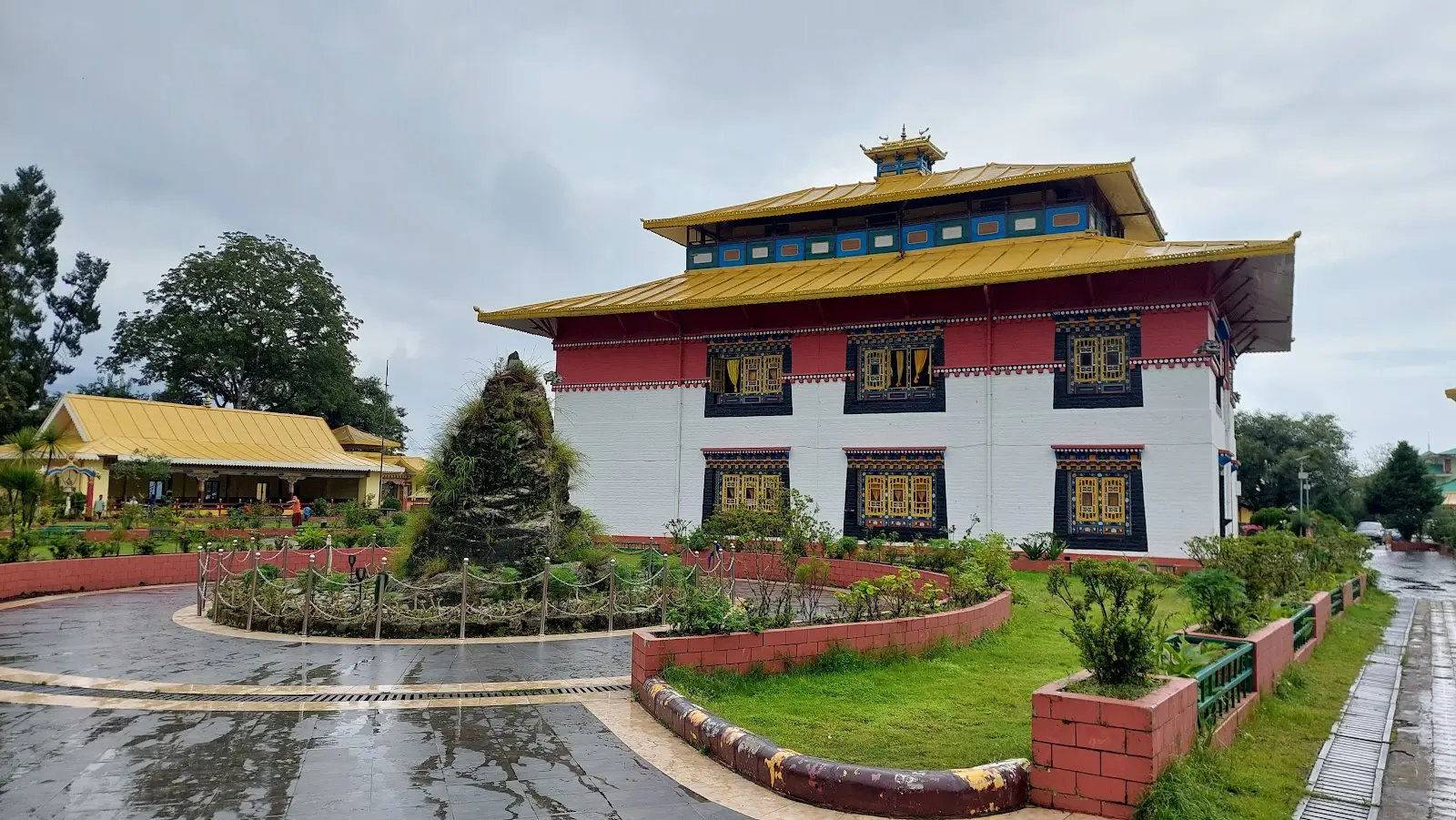
- Overview: Ranka is a vast, modern monastery often used in Bollywood films; Tsuklakhang is the royal chapel of the Chogyals.
- How to Reach: Ranka is 20 km from Gangtok; Tsuklakhang is in the Royal Palace complex in the city.
- Best Time to Visit: Daytime.
- Food to Explore: Ranka has a beautiful courtyard café serving organic Sikkimese tea.
- Activities: Exploring the sprawling courtyard and clicking photos in traditional Sikkimese attire (available for rent).
Banjhakri Falls & Energy Park
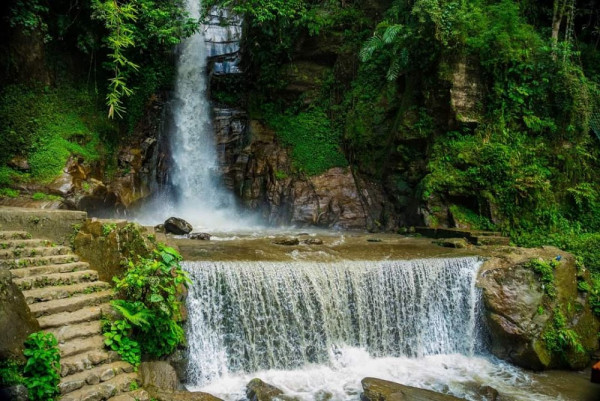
- Overview: A 100-foot waterfall set in a theme park depicting Shamanic (Banjhakri) culture.
- How to Reach: 7 km from Gangtok.
- Best Time to Visit: July to September for the fullest water flow.
- Activities: Ziplining, visiting the Shamanic statues, and paddle boating in the small pond.
Bakthang Waterfall & Seven Sisters Waterfall
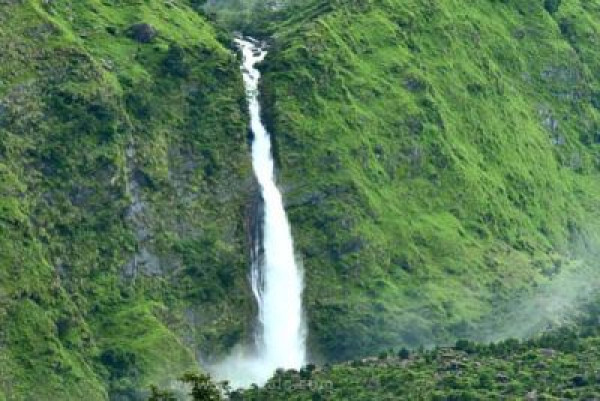
- Overview: Bakthang is a wide, scenic fall right on the highway; Seven Sisters is a series of seven falls further north.
- How to Reach: Bakthang is 3 km away; Seven Sisters is 32 km away on the North Sikkim Highway.
- Best Time to Visit: Monsoon and post-monsoon.
- Food to Explore: Roadside stalls at Seven Sisters serve spicy "Aloo Dum" and tea.
- Activities: Taking photos under the falls and stopping for a picnic.
Fambong Lho Wildlife Sanctuary
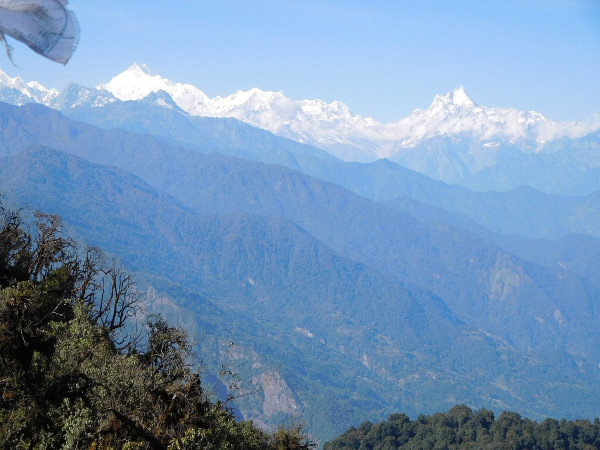
- Overview: A haven for Red Pandas, Barking Deer, and rare birds like the Laughingthrush.
- How to Reach: 20 km from Gangtok.
- Best Time to Visit: March to May for Rhododendrons.
- Activities: Trekking to Tinjurey (the highest point) and birdwatching.
Tsomgo (Changu) Lake
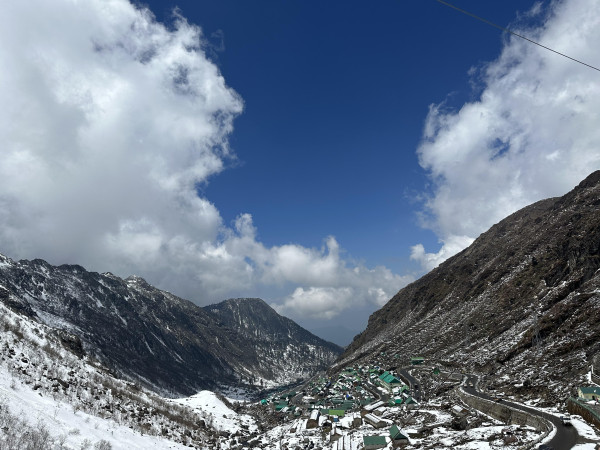
- Overview: A glacial lake at 12,310 ft that stays frozen in winter and reflects the sky in summer.
- How to Reach: 40 km from Gangtok. You must book a taxi through a registered travel agent to get a Permit.
- Best Time to Visit: Jan to March (for snow) or Oct to Dec (clear blue water).
- Food to Explore: Maggi and "Gundruk" (fermented leafy green) soup at the lake-side stalls.
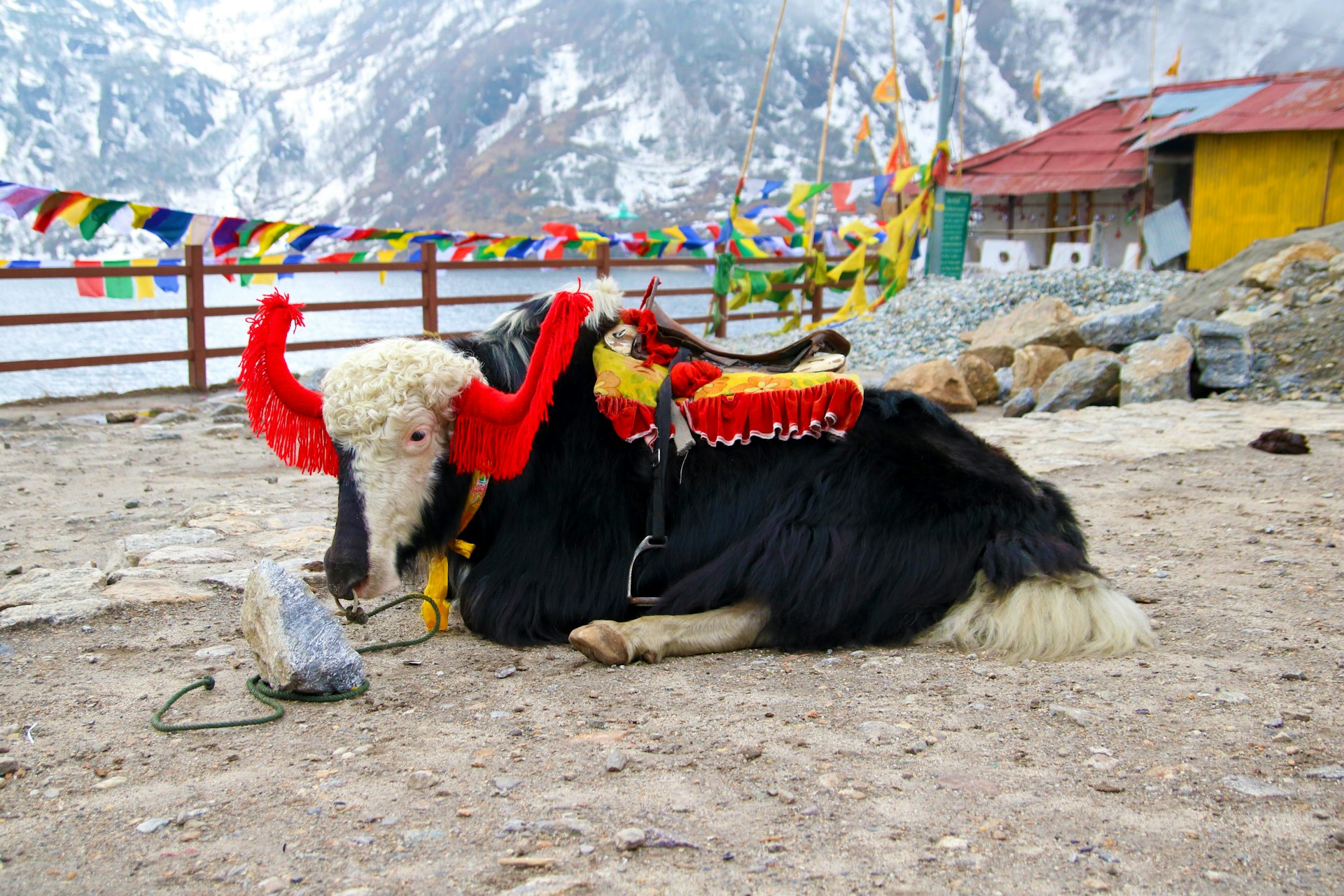
- Activities: Yak Rides around the lake and photography of the Brahminy Ducks.
Nathula Pass & Baba Harbhajan Singh Temple
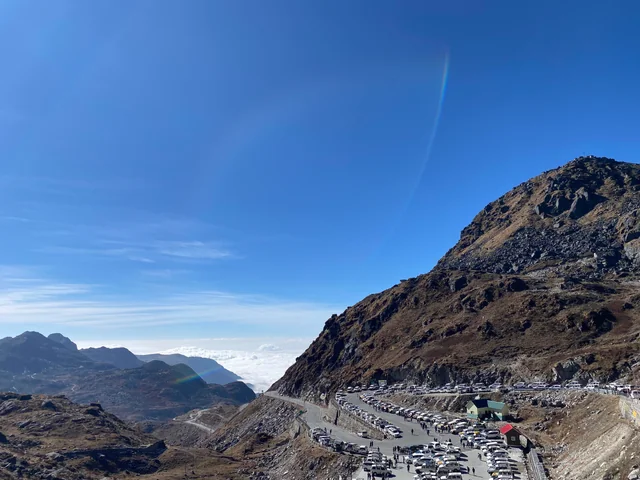
- Overview: The ancient Silk Route border between India and China. Nearby is the shrine of the legendary soldier Baba Harbhajan Singh.
- How to Reach: 56 km from Gangtok. Permits are mandatory and must be applied for a day in advance. (Closed on Mondays/Tuesdays).
- Best Time to Visit: May to June; October to November.
- Activities: Shaking hands with Chinese soldiers (if permitted), visiting the "Baba Mandir," and seeing the Kupup Valley.
Menmecho Lake & Kyongnosla Sanctuary
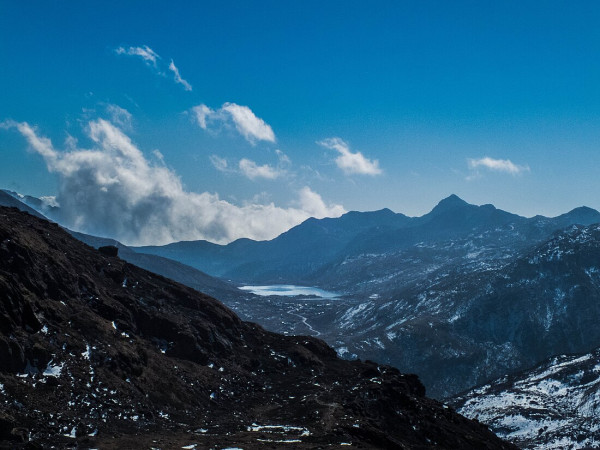
- Overview: A hidden lake famous for trout and a sanctuary rich in alpine flora.
- How to Reach: On the way to Nathula; 20 km past Tsomgo Lake.
- Best Time to Visit: Summer for flowers; early winter for clear views.
- Food to Explore: Freshly caught trout (permission required for fishing).
- Activities: High-altitude trekking and exploring the medicinal plant gardens.
Lachen & Gurudongmar Lake
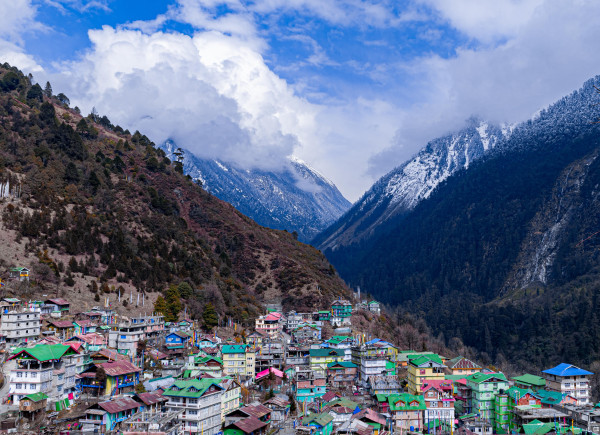
- Overview: Lachen is a remote village; Gurudongmar is one of the highest lakes in the world (17,800 ft), sacred to both Buddhists and Sikhs.
- How to Reach: 120 km from Gangtok (requires a 2-day trip).
- Best Time to Visit: November to June. (Oxygen levels are low; consult a doctor before visiting).
- Food to Explore: Tibetan bread and butter tea in Lachen.
- Activities: Watching the sunrise over the frozen lake and visiting the Lachen Monastery.
Lachung, Yumthang Valley & Zero Point
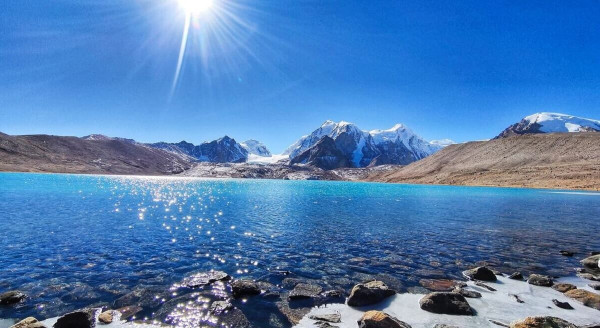
- Overview: Lachung is a picturesque hamlet; Yumthang is the "Valley of Flowers," and Zero Point is where the road ends at the Indo-China border.
- How to Reach: 103 km from Gangtok (usually paired with Lachen).
- Best Time to Visit: April–May (for the Rhododendron festival).
- Food to Explore: Local cheese made from Yak milk (Chhurpi).
- Activities: Bathing in the Yumthang Hot Springs and playing in the perennial snow at Zero Point.
The Old Silk Route (Zuluk & Aritar)
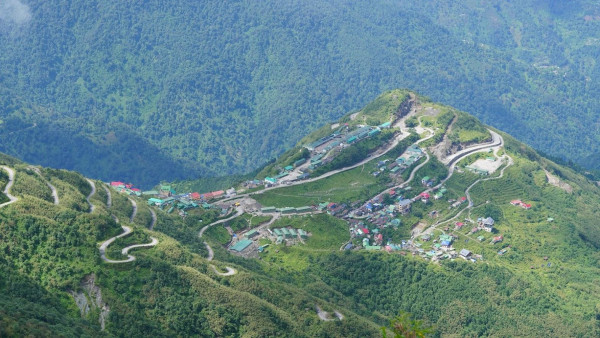
- Overview: A zig-zag road with 32 hair-pin bends once used by traders; Aritar is famous for the lamp-shaped Lampokhari Lake.
- How to Reach: 90 km from Gangtok via Rongli.
- Best Time to Visit: August to September (wildflowers) or Jan to Feb (snow).
- Activities: Viewing the "Thumb Point" and boating in Lampokhari Lake.
Top Things to Do & Activities in Gangtok
Discover a world of unforgettable experiences and top activities at this destination! Whether you’re seeking adventure, cultural immersion, relaxation, or family fun, find the best things to do—from sightseeing and outdoor adventures to culinary delights, spiritual journeys, and local events. Enjoy every moment and make your trip truly memorable!