Discover Amazing Chakrata
Delhi to Chakrata (Uttarakhand) is roughly 330–353 km by road, depending on the route — the usual drive takes around 7 hours.
About This Destination
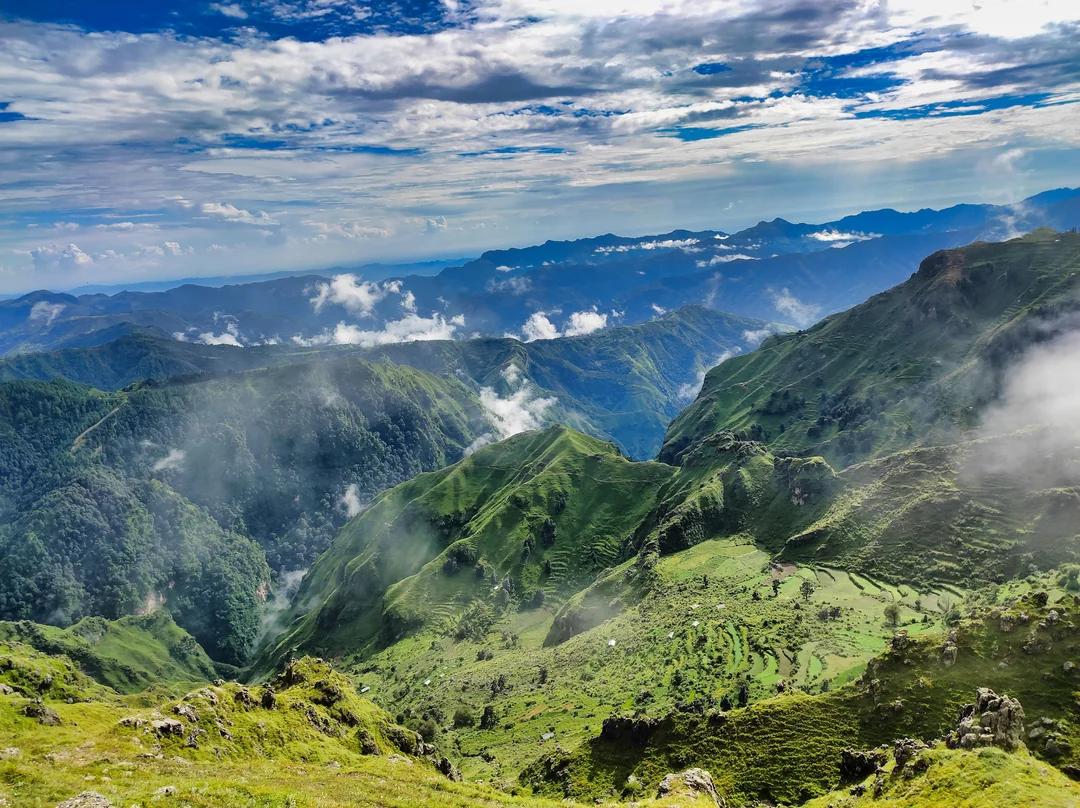
Chakrata is a small, pristine cantonment town in the Dehradun district of Uttarakhand, perched at an elevation of approximately 2,118 meters (7,000 feet). It occupies a prominent ridge above the Yamuna Valley, offering sweeping, majestic views of the Bandarpunch and Swargarohini peaks of the Greater Himalayas.
Historically, Chakrata was established by the British Indian Army in 1869 as a summer retreat for high officials and a permanent cantonment, which it remains today, serving as the training base for the elite Special Frontier Force (SFF). This military presence is the primary reason the town has retained its almost pristine, untouched character; commercialization has been strictly limited, preserving the natural forest cover and clean atmosphere.
The essence of Chakrata lies in its dual identity:
- Military Discipline and Serenity: The well-maintained roads, the precise lines of the deodar trees, and the overall order contribute to a sense of calm and safety that is instantly relaxing. Certain areas remain restricted, which further enhances the feeling of stepping into a secret, protected world.
- Jaunsari Culture: Chakrata is the gateway to the Jaunsar-Bawar region, home to the Jaunsari tribe, who have a distinct culture, dialect, and traditions. Their temples and village architecture, particularly in the surrounding areas, offer a fascinating glimpse into a unique Himalayan way of life.

Chakrata is a destination for the traveler who values solitude, long walks, deep forest trails, and views that demand nothing less than awe.
How to Reach Chakrata
The journey to Chakrata is beautiful, characterized by a steady climb through twisting roads and increasingly dense foliage. Since it is a restricted cantonment, the nearest major transport hubs are Dehradun and Delhi.
By Air:
- The nearest airport is Jolly Grant Airport (DED) in Dehradun, approximately 115-120 km away.

- From the airport, you must hire a private taxi or take a pre-booked cab directly to Chakrata. The drive takes about 4 to 5 hours, offering a stunning passage from the plains to the high mountains.
By Train:
- The nearest major railway station is Dehradun Railway Station (DDN), about 90 km from Chakrata. Dehradun is exceptionally well-connected to major Indian cities.
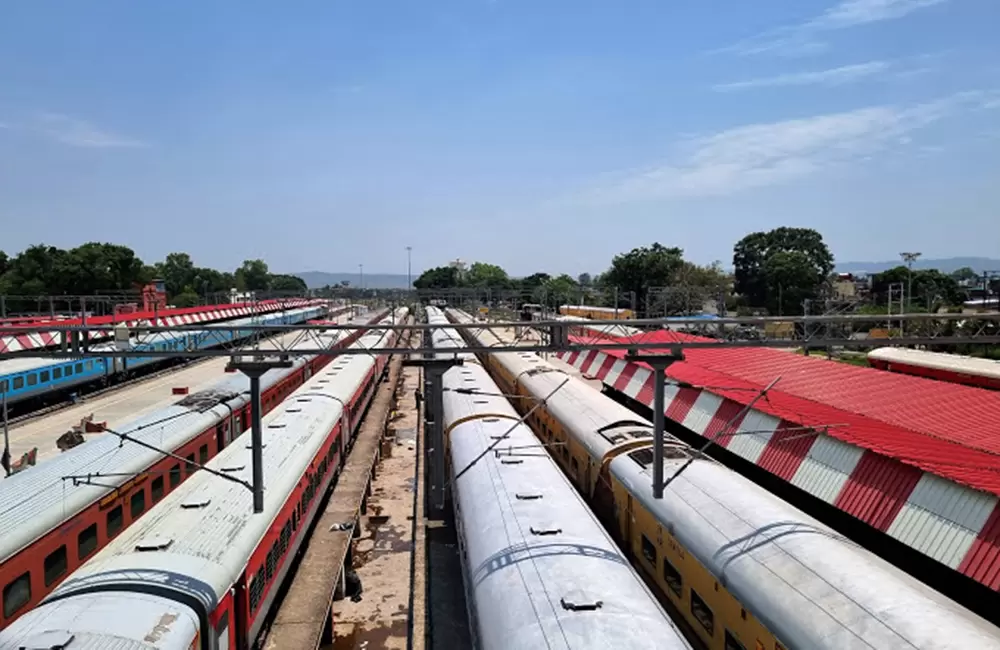
- From Dehradun, you can easily find taxis or use the local Uttarakhand Roadways buses that ply this route. While direct buses might be infrequent, you can take a bus or shared taxi to Vikas Nagar or Kalsi and then switch to another shared taxi or bus for the final leg to Chakrata.
By Road: The True Path
- Chakrata is connected by well-maintained but winding state highways. The most common route from Delhi is Delhi – Saharanpur – Dehradun – Kalsi – Chakrata.

- The final stretch from Kalsi (where the road starts ascending in earnest) is particularly scenic, passing through the historic town of Kalsi, which houses an Ashokan Rock Edict.
- The roads are generally good but become challenging during heavy monsoon or winter snowfall. The drive from Dehradun takes about 3 to 4 hours, depending on traffic and road conditions. Self-driving is popular, but caution is advised on the sharp mountain turns.
Best Time to Visit
Chakrata changes its appeal entirely with the seasons, each period offering a unique reason to visit.
Spring and Summer: (April to June)
- Vibe: Clear blue skies, comfortable temperatures, and vibrant forest bloom (especially the red rhododendrons). This is the time when all trekking trails are fully accessible and safe.
- Weather: Days are pleasant, ranging from 15 °C to 25 °C. Nights are cool but comfortable.
- Why Visit: This is the most popular time for outdoor activities like trekking to Tiger Falls and camping. It’s also the perfect escape from the heat of the northern plains.
Monsoon: (July to Mid-September)
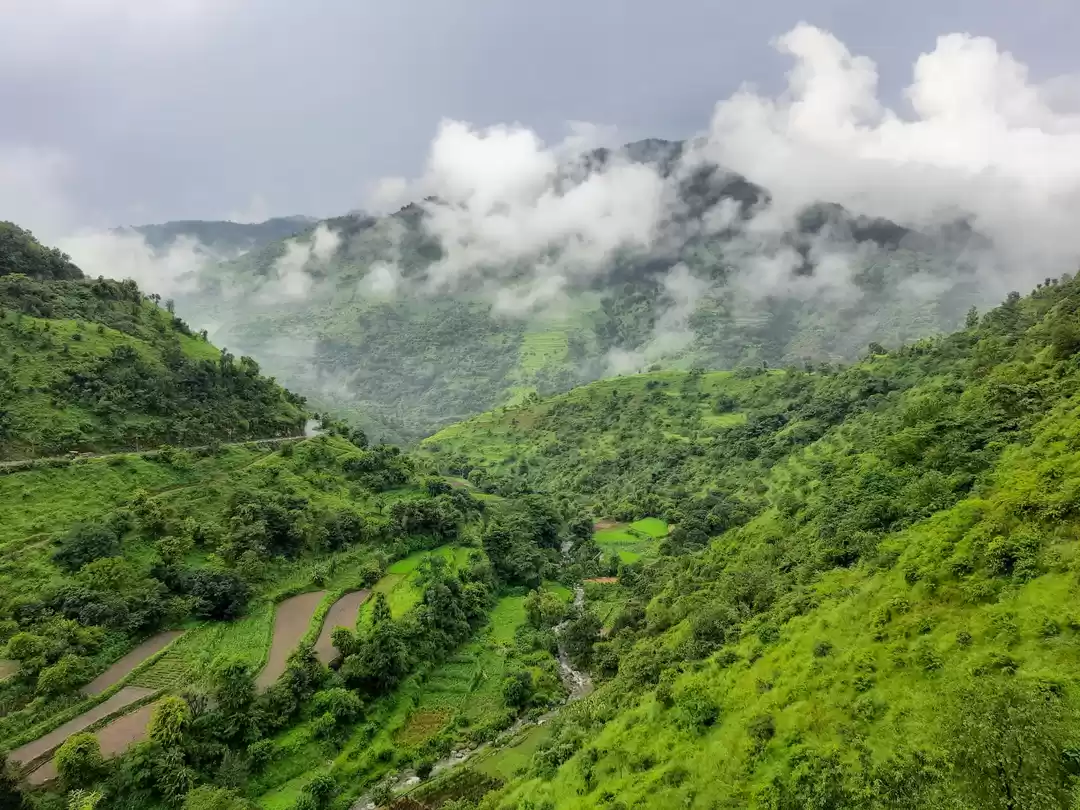
Vibe: Intense, lush greenery, the smell of damp earth and pine, and a misty, introspective atmosphere. The waterfalls, like Tiger Falls, are at their absolute peak flow.
- Weather: Mild, but with high rainfall. Temperatures hover between 15 °C and 22 °C.
- Why Visit: For those who love the dramatic beauty of rain-washed mountains and don't mind the occasional travel disruption due to landslides. The hillsides are truly spectacular in their verdant glory.
Autumn: (Mid-September to November)
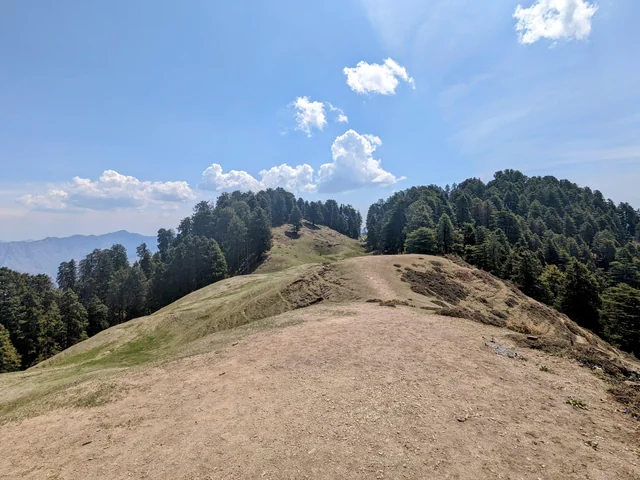
- Vibe: Post-monsoon air clarity results in the most spectacular, uninterrupted views of the Himalayan range (Bandarpunch, Swargarohini, etc.). The forest colors begin to shift to autumnal golds and browns.
- Weather: Crisp, sunny days (10 °C to 20 °C) transition to very cold nights, often dropping close to freezing.
- Why Visit: The perfect balance of clear views, stable weather, and comfortable trekking conditions. It’s ideal for photography and long, undisturbed nature walks.
Winter: The Snow Retreat (December to March)

Vibe: A serene, hushed landscape blanketed in snow. Chakrata transforms into a white winter wonderland, especially in the higher reaches like Deoban and Mundali.
- Weather: Extremely cold, with daytime temperatures often near 0 °C and dipping well into the negatives at night. Heavy woolens are essential.
- Why Visit: For the authentic snow experience. The higher slopes near Mundali are even known for occasional amateur skiing opportunities. Be prepared for very cold temperatures and ensure your accommodation has adequate heating.
Activities to Do
Chakrata offers a blend of soft adventure, spiritual exploration, and deep nature immersion.
The Call of the Tiger Falls Trek

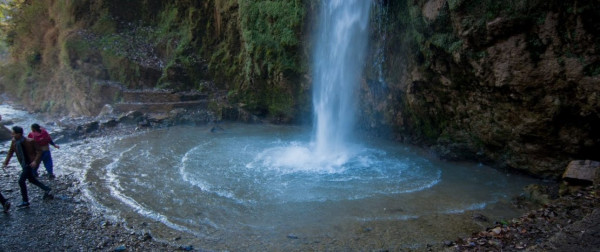
This is the undisputed highlight of any Chakrata visit. Tiger Falls, or Vyomkesh as it's locally known, is one of the highest direct waterfalls in Uttarakhand, cascading from a height of over 312 feet (around 95 meters) into a deep, chilly pool.
- The Experience: You drive about 20 km from Chakrata to a small base point, from where it’s an approximately 5-6 km moderate downhill trek to the falls. The trail winds through deep rhododendron, oak, and deodar forests.
- The Reward: The roar of the water is intense. The pool at the base is a natural swimming spot (though the water is icy) and a perfect picnic location. The return journey is uphill and requires good stamina. It’s an immersion experience that truly earns its reward.
High Altitude Views and Deodar Forests
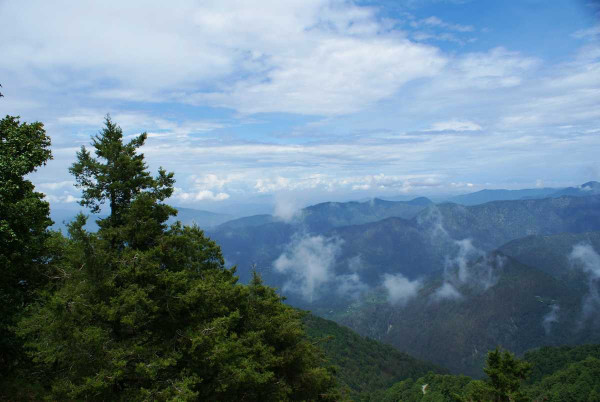
- Deoban (Devban): Located about 13 km from the main town, Deoban translates to "God's Own Forest" and is exactly that. Situated at a higher altitude (around 2,200 to 3,000 meters), it is known for its towering, ancient deodar trees and uninterrupted panoramic views.
- Vyas Shikhar: This is the highest point in the Deoban range, offering the most spectacular views of the Himalayan peaks, including Nanda Devi, Trishul, and the Bandarpoonch Massif. It is a fantastic spot for birdwatching, home to various Himalayan species like the Cinereous Vulture.
- Chilmiri Neck: Just a short drive (about 4 km) from the main market, Chilmiri Neck is the highest point accessible by vehicle in Chakrata. It is famed as a sunset viewpoint, offering a sweeping, 360-degree view of the valley and the setting sun painting the distant peaks gold and red.
Spiritual and Historical Journeys
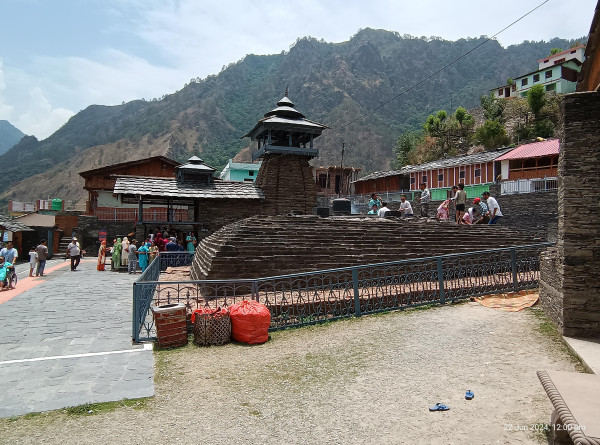
- Lakhamandal Temple: Located about 30 km from Chakrata, this site holds immense spiritual and historical importance. The ancient Shiva Temple, believed to date back to the 12th century, is famous for its graphite Lingam, which reflects light when water is poured over it.
- Mythological Link: Local legends strongly link Lakhamandal to the Mahabharata epic, suggesting it is the site where the Kauravas attempted to burn the Pandavas in the Lakshagriha (house of lac). The drive to Lakhamandal is a beautiful journey along the Yamuna River.
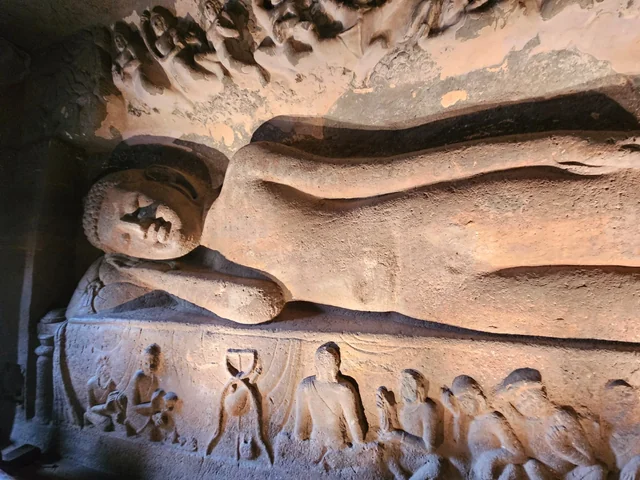
- Budher Caves (Miola Caves): Located about 30 km from Chakrata towards Tiuni, these ancient limestone caves are a thrill for the adventurous. They are named after the demon Budher, who is said to have lived here, or according to some myths, were dug by the Pandavas during their exile. Exploring the narrow stalactite and stalagmite formations is a challenging, rewarding experience, often requiring a local guide.
Unconventional Adventure and Local Culture
- Yamuna Adventure Park (Near Yamuna Bridge): For those seeking adrenaline, the banks of the Yamuna River offer a hub for water sports like river rafting, swimming, and river crossing activities, particularly during the summer months when the water level is stable.
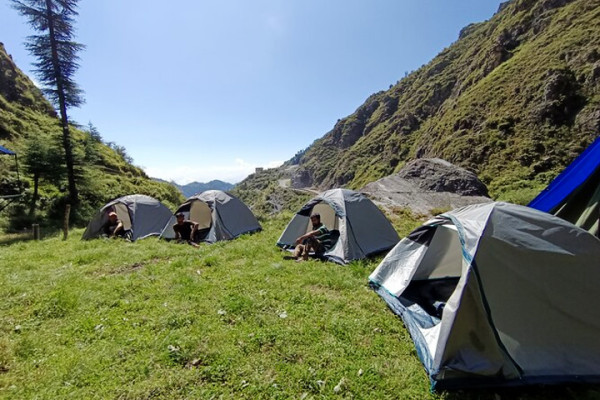
- Mundali Meadow: Located about 36 km from Chakrata, Mundali is famous for its vast, open meadows. During winter, its gentle slopes turn into a prime spot for skiing and sledding, making it a seasonal winter adventure spot.
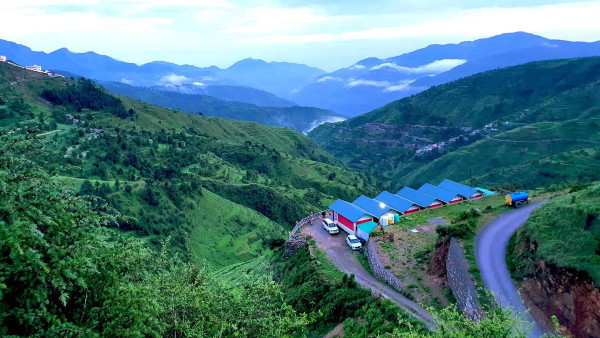
- Jaunsari Village Experience (Kanasar): Kanasar, known for its majestic, ancient deodar trees (some of the oldest and largest in Asia), is a great place to set up a camp or simply absorb the forest energy. Spending time in a Jaunsari village near Chakrata, perhaps tasting local foods like Chainsoo (a lentil dish) or Mandua ki Roti, provides the most genuine cultural insight.
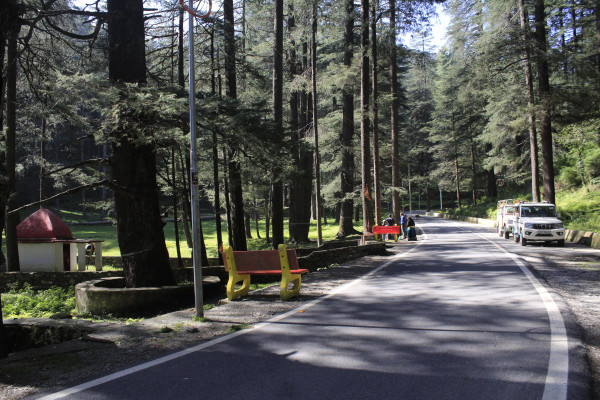
Chakrata is a place that respects those who seek it out. It doesn't offer easy entertainment, but profound, lasting memories forged in the silent majesty of the Garhwal mountains and the deep culture of the Jaunsar-Bawar people.
Frequently Asked Questions
Q1: Where is Chakrata located?
A: Chakrata is located in the Dehradun district of Uttarakhand, around 90 kilometers from Dehradun city.
Q2: What is Chakrata famous for?
A: Chakrata is known for its scenic beauty, Tiger Falls, Deoban forests, and peaceful hill views.
Q3: How can I reach Chakrata from Delhi?
A: You can take a train or flight to Dehradun and then hire a taxi to Chakrata, about 3 hours away.
Q4: When is the best time to visit Chakrata?
A: March to June and September to November are the best months for pleasant weather.
Q5: Are there hotels in Chakrata?
A: Yes, there are several hotels, homestays, and eco-resorts offering comfortable stays.
Q6: Is snow available in Chakrata?
A: Yes, Chakrata receives snowfall during December and January, making it a winter paradise.
Q7: What are the top attractions near Chakrata?
A: Tiger Falls, Deoban, Budher Caves, and Chilmiri Neck are major attractions.
Q8: Is Chakrata suitable for family trips?
A: Yes, it’s an excellent destination for families and couples who prefer calm environments.
Q9: Are there any trekking routes in Chakrata?
A: Yes, Tiger Falls Trek and Deoban Trek are popular among adventure enthusiasts.
Q10: Can I visit Chakrata during monsoon?
A: It’s better to avoid monsoon months due to heavy rainfall and possible landslides.
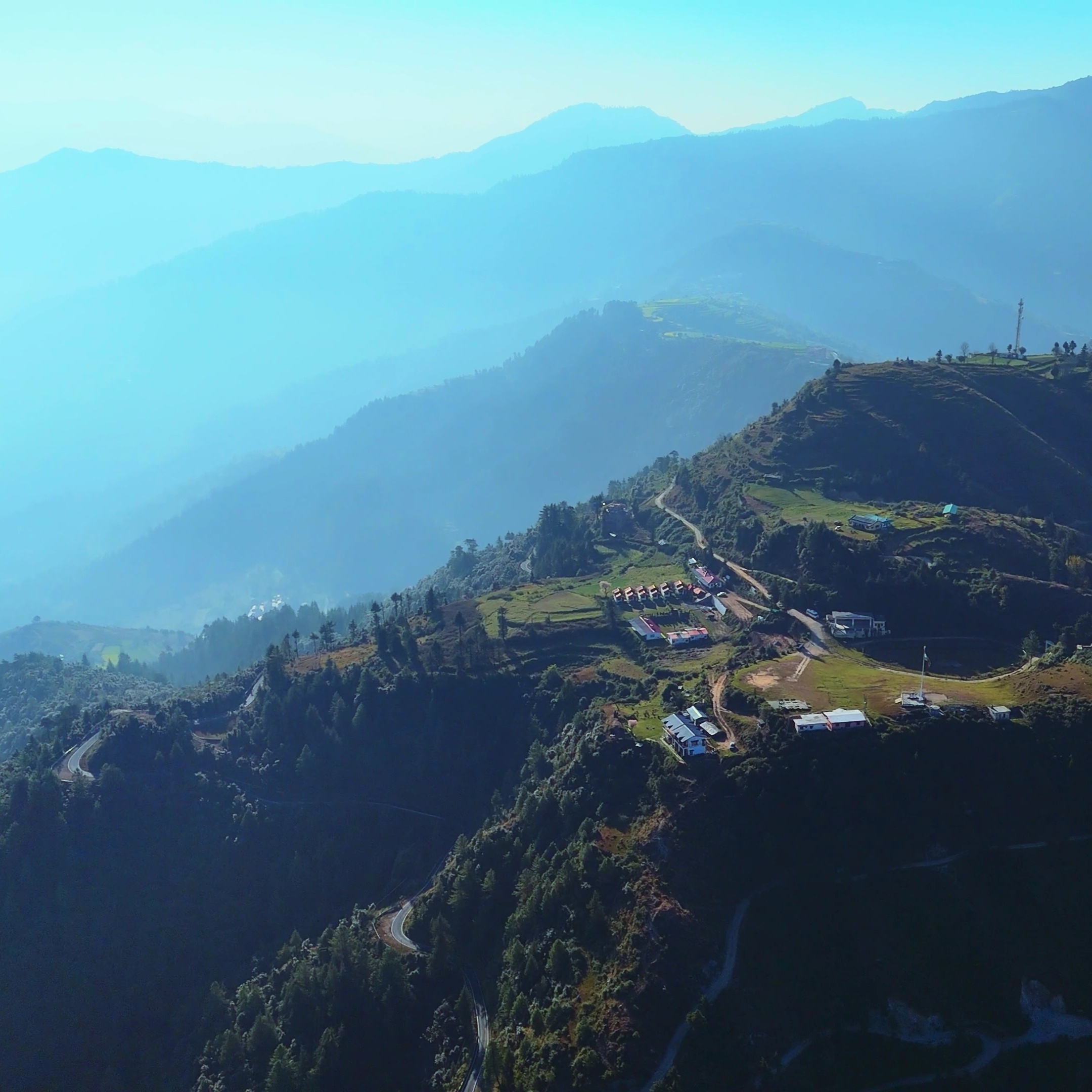
Top Things to Do & Activities in Chakrata
Discover a world of unforgettable experiences and top activities at this destination! Whether you’re seeking adventure, cultural immersion, relaxation, or family fun, find the best things to do—from sightseeing and outdoor adventures to culinary delights, spiritual journeys, and local events. Enjoy every moment and make your trip truly memorable!