Discover Amazing Dehradun
Vibrant city in Uttarakhand, known for its pleasant climate, green valleys, educational institutions, and as a gateway to the hills.
About This Destination
Dehradun, the winter capital of Uttarakhand, is often perceived merely as a transit point to Mussoorie or the Char Dham yatra. However, this ancient city, nestled gracefully in the Doon Valley between the Shivalik and Himalayan ranges, is a rich and complex destination in its own right. It is a harmonious blend of profound educational heritage, subtle colonial Garhwali architecture, and the vibrant yet grounded culture of the Garhwali and Jaunsari people.
The city’s allure lies not in hurried sightseeing, but in slow, deep discovery from tracing the footsteps of the Mahabharata to exploring world-class research institutions. This guide bypasses the generic tourist traps to uncover the genuine, evolving identity of Dehradun, a place loved equally by its residents and savvy global travelers.
The Intellectual Nexus: Dehradun's Educational Heritage
Dehradun's identity is inextricably linked to its reputation as the Education Hub of India. This legacy, started under the British Raj, continues today with institutions that are foundational to India's defense, forestry, and scientific research.
Greco-Roman Grandeur and Forest Wisdom
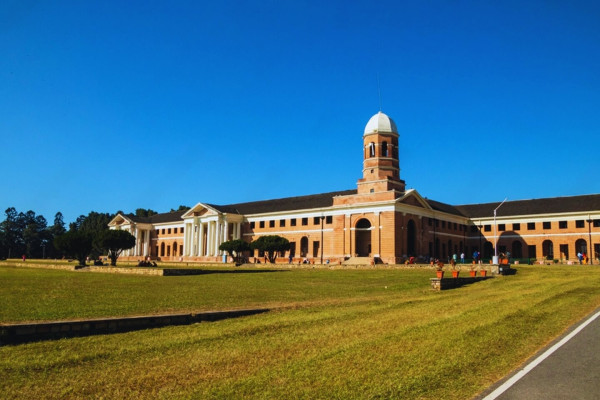
The Forest Research Institute (FRI) is perhaps the most iconic architectural masterpiece in the city. Designed by C.G. Blomfield and completed in 1929, its sprawling campus and imposing Greco-Roman architecture complete with massive columns and a colonnaded central building make it a powerful symbol of colonial architectural legacy.
- Beyond the Facade: FRI is not just a film set; it’s a world-renowned center for forestry research. Exploring its six museums offers a fascinating look at India's forestry history, scientific advances, and the biodiversity of the Himalayas, making it a crucial stop for academic and eco-tourism.
The Pillars of Discipline
The city’s disciplined atmosphere is reinforced by its military institutions, which lend Dehradun a unique historical gravity:
- Indian Military Academy (IMA): Established in 1932, the IMA’s impressive campus and heritage architecture represent the ethos of India’s defense history. While entry is restricted, observing the grand Chetwode Hall from the outside gives a sense of the institutional pride and rigor that permeates the city.
- The Doon School: Modeled after the British public school system, this institution is another architectural masterpiece that symbolizes Dehradun's long-standing tradition of academic excellence and holistic development. The campus itself is a landmark of mid-century design and history.

Hidden Trails and Natural Wonders
Dehradun is ringed by the Shivaliks, offering easy access to nature trails and geological wonders that remain largely outside the primary tourist circuit, appealing to seekers of solitude travel.
Exploring the Riverine Secrets
The city and its immediate surroundings are blessed with unique riverine ecology and stunning geological formations.
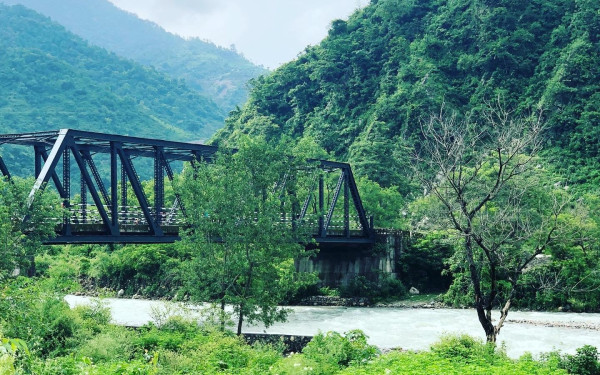
- Maldevta and Kalsi Riverside: For an offbeat travel experience, head to Maldevta, a quaint, unexplored area in the Raipur region known for its riverine landscape and tranquil Sal forests. Similarly, Kalsi, situated on the banks of the Yamuna River, is famous for its Ashokan Edict, a significant historical inscription dating back to 250 BCE, offering a potent blend of nature and ancient history.
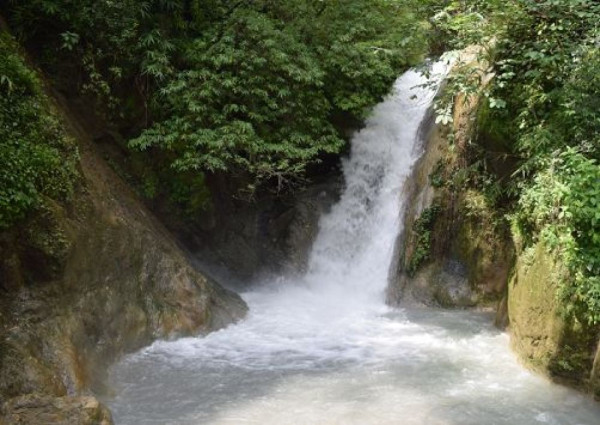
- Shikhar Falls and Lachhiwala: While Robber's Cave is popular, seek out Shikhar Falls, which requires a short, rewarding trek through the forest to reach a 15-meter waterfall a perfect spot for a rejuvenating experience during the post-monsoon months. Alternatively, Lachhiwala Nature Park offers shaded trails and pools formed by the Susma River, providing a quiet space for eco-tourism and birdwatching.
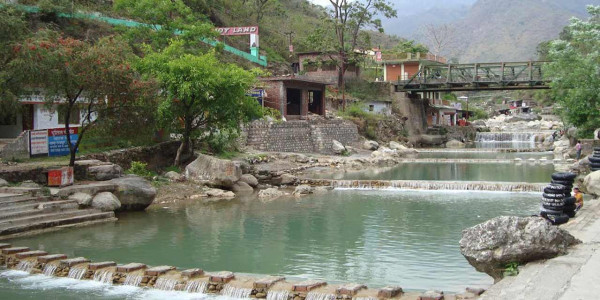
- Sahastradhara's Therapeutic Springs: Literally meaning "thousand-fold spring," Sahastradhara is famous for its mineral-rich sulphur springs. Though busy, it’s a noteworthy geological site believed to possess therapeutic properties, particularly during the monsoon when the stream is a gushing torrent.
Beyond the Valley: Chakrata and Dhanaulti
Dehradun serves as the base for exploring less-discovered hill stations that offer true Himalayan tranquility:
- Chakrata: Located about 88 km away, this serene hill station is a backpacker's paradise known for its dense coniferous forests and the spectacular Tiger Falls. It’s a prime spot for mountain climbing and camping.
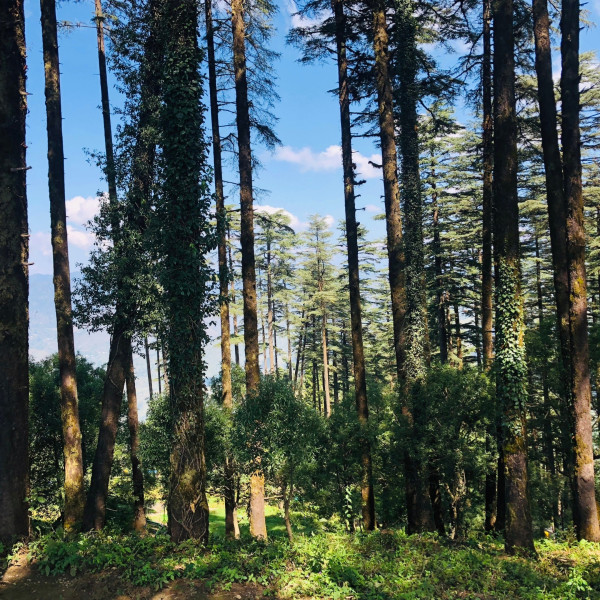
- Dhanaulti: An increasingly popular but still quieter alternative to Mussoorie, Dhanaulti is known for its wide meadows and deep cedar forests, making it a fantastic getaway for offbeat photography tours.
The Taste of the Hills: Garhwali and Jaunsari Gastronomy
Dehradun's local cuisine is a flavorful blend of indigenous Garhwali, Kumaoni, and Jaunsari flavors, emphasizing rustic simplicity, nutrition, and the use of high-altitude pulses and millets. Moving beyond the street food and Punjabi restaurants reveals a rich, distinct regional food culture.
Rustic Staples of the Mountain Kitchen
The authentic food of the Doon Valley is characterized by dishes built for the cold climate and high energy requirements of mountain life. Look for genuine Pahadi Thalis at local eateries to sample:
- Kafuli and Phanu: Kafuli is a dense, nutritious curry made from a slow-cooked mix of leafy greens (spinach, mustard greens, and sometimes stinging nettle, or kandali). Phanu is a slow-cooked preparation of mixed lentils (like kulath or horse gram), showcasing Bihari rustic cuisine principles adapted to the hills.
- Mandua ki Roti and Bhatt ki Churdkani: The Mandua Roti (Finger Millet flatbread) is a staple, often served with a smear of local ghee. The accompanying Bhatt ki Churdkani is a rich, satisfying black soybean curry.
- Aloo ke Gutke: Spiced potato pieces, fried with coriander seeds and local spices, are a ubiquitous, flavorful snack that perfectly accompanies tea or the local red rice (bhaat).
- The Jaunsari Snack: Try Seede, a traditional snack from the neighboring Jaunsar region. These steamed dumplings, filled with sweet jaggery or savory spiced dal, are a fascinating example of indigenous mountain gastronomy.
Spiritual Threads and Modern Consciousness
Dehradun also serves as a convergence point for spiritual traditions, both ancient and relatively recent, reflecting its status as a cosmopolitan hub.
Buddhist and Sikh Convergence
- Mindrolling Monastery (Tibetan Buddhist Architecture): This massive monastery is one of the largest Buddhist centers in India, representing the Tibetan Buddhist heritage that found refuge in the Doon Valley. The imposing architecture, vibrant murals, and the magnificent Great Stupa are striking, offering a profound sense of spiritual retreat and contemplation.
- Guru Ram Rai Darbar Sahib: This 17th-century Gurudwara, built by Guru Ram Rai (son of Guru Har Rai), is a unique architectural marvel. Its blend of Indo-Islamic architectural styles with Sikh traditions makes it a significant historical and Sikh pilgrimage site, reflecting the region's diverse multi-faith heritage.
Sustainable Mountain Tourism
The city’s surrounding hills are seeing a growth in eco-luxury resorts and sustainable retreats, offering a chance for deep connection with nature without compromising environmental values. Places like The Sylvan Retreat or Pristine Woods Resort near the foothills prioritize local sourcing, minimal environmental impact, and educational luxury tourism, aligning with the rising demand for sustainable tourism practices.
How to Reach Dehradun
Dehradun's location at the confluence of the Shivalik and Himalayan ranges makes it a critical transport hub, well-served by air, rail, and road from across India.
By Air
Flying is the fastest way to reach Dehradun and is often the preferred choice for long-distance travelers.
- Jolly Grant Airport (DED): This airport, also known as Dehradun Airport, is the only operational commercial airport serving the Garhwal region, strategically located approximately 25-35 kilometers from the city center. It has excellent, modern facilities following recent expansions.
- Connectivity: Jolly Grant Airport handles frequent domestic flights from all major metropolitan cities, including Delhi, Mumbai, Bengaluru, and Hyderabad, providing a crucial link for both tourists and the academic community.
- Onward Journey: Upon arrival, you can easily find prepaid taxis, app-based cabs, and even budget-friendly electric bus services that connect the airport to the city center, as well as to Rishikesh and Haridwar. The road trip from the airport to the city takes about 45 minutes to an hour, depending on traffic.
By Rail
The Indian Railway network provides a reliable and popular means of reaching the city center.
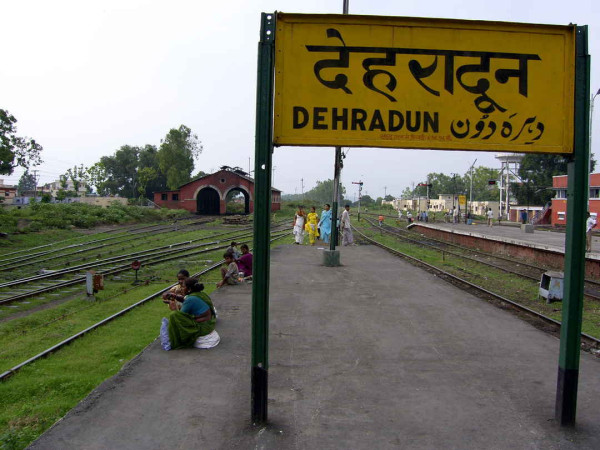
- Dehradun Railway Station (DDN): This station, located conveniently close to the heart of the city, is the terminating point for major trains from across the country. It is excellently connected to cities like Delhi, Mumbai, Kolkata, Lucknow, and Varanasi.
- Key Services: Travelers frequently utilize popular overnight trains, such as the Dehradun Shatabdi Express and the Mussoorie Express, which offer comfortable, efficient travel, allowing for an early morning arrival ideal for immediate sightseeing or checking into a hotel.
- City Access: From the railway station, local auto-rickshaws, city buses, and taxis are instantly available to take you to any part of Dehradun, making it a very accessible transport point.
By Road
The road network provides a strong connection, making Dehradun a favorite destination for self-driven trips and bus travel from Northern India.
- National Highways: Dehradun is well-linked via National Highways, with the drive from Delhi taking roughly 5 to 7 hours, depending on traffic conditions. The route is well-maintained and provides a pleasant drive through the plains before the scenic approach to the Doon Valley.
- Bus Services: The Inter State Bus Terminal (ISBT) near Clement Town sees regular services from Uttarakhand State Transport and private operators, offering a mix of luxury Volvo, Deluxe, and standard buses connecting the city to Delhi, Haridwar, Rishikesh, and other regional centers.
- Local Exploration: The road is also key for day trips, as local buses and shared taxis frequently operate from the city to nearby destinations like Mussoorie, Dhanaulti, and Rishikesh, allowing for easy exploration of the Himalayan tranquility beyond the city limits.
The Best Time for Dehradun's Seasonal Soul
Dehradun enjoys a generally moderate climate, but the city reveals different facets of its charm across its distinct seasons. Your ideal travel time depends on your preference for pleasant weather, lush green surroundings, or the crisp chill of winter.
Spring and Summer (March to June)
This is considered the best time to visit for general sightseeing, outdoor activities, and pleasant weather.
- Climate: The weather is mild to pleasantly warm, with comfortable daytime temperatures perfect for exploring the Forest Research Institute (FRI) architecture, visiting waterfalls like Shikhar Falls, and indulging in eco-tourism and birdwatching.
- Activity Focus: This period is ideal for hiking, trekking, and camping in the surrounding areas. The long days and clear skies maximize your time for sightseeing and day trips to nearby hill stations. This season draws the largest crowds, so it's wise to book accommodation well in advance.
Monsoon (July to September)
The arrival of the monsoon turns the Doon Valley
- Natural Beauty: Frequent rain showers refresh the landscapes, making the waterfalls flow with full vigor and the surrounding forests incredibly dense and beautiful. This time offers a unique spiritual retreat and contemplation with fewer crowds.
- Budget Travel: Accommodations are often available at lower rates during the off-peak monsoon season, making it a good time for budget travel seeking solitude travel.
- Caution Advised: Though Dehradun itself is relatively safe, travelers should exercise caution on the hilly roads to Mussoorie and other high-altitude areas, as the risk of landslides increases during heavy rain.
Autumn and Winter (October to February)
This extended period brings cool, crisp air, clear skies, and a perfect ambiance for a quiet holiday.
- Autumn (October & November): The humidity vanishes, and the air becomes clean and crisp, offering stunningly clear views of the Himalayas and the surrounding ranges. This is an excellent time for offbeat photography tours and enjoying local cultural events like Diwali and Dussehra.
- Winter (December to February): The weather turns chilly, with daytime temperatures remaining cool and nights dropping significantly. While the city rarely sees heavy snowfall itself, it creates a cozy, romantic atmosphere. This season is perfect for leisurely walks and enjoying the city's famous bakery culture and regional food culture in a calm setting. This is also the ideal base camp for those intending to visit Mussoorie to witness snowfall.
Frequently Asked Questions
- Where is Dehradun located? Dehradun is in the Doon Valley, nestled between the Ganga and Yamuna rivers in Uttarakhand.
- What is the best time to visit Dehradun? March to June and September to November are ideal for pleasant weather and sightseeing.
- How can I reach Dehradun? Dehradun is accessible by air via Jolly Grant Airport, by train through Dehradun Railway Station, and by road from Delhi and nearby cities.
- What are the top attractions in Dehradun? Key attractions include Robber’s Cave, FRI, Sahastradhara, and Mindrolling Monastery.
- Is Dehradun good for shopping? Yes, local markets like Paltan Bazaar and Rajpur Road are great for souvenirs and woolens.
- Does Dehradun receive snowfall? No, but nearby hill stations like Mussoorie and Dhanaulti do.
- Is Dehradun suitable for family vacations? Absolutely, it’s a safe and peaceful destination for all age groups.
- Are there trekking trails near Dehradun? Yes, trails like George Everest and Nag Tibba are nearby options.
- Which airport serves Dehradun? Jolly Grant Airport, around 25 km from the city center, serves Dehradun.
- Why is Dehradun famous? Dehradun is known for its educational institutions, natural beauty, and proximity to popular hill stations.
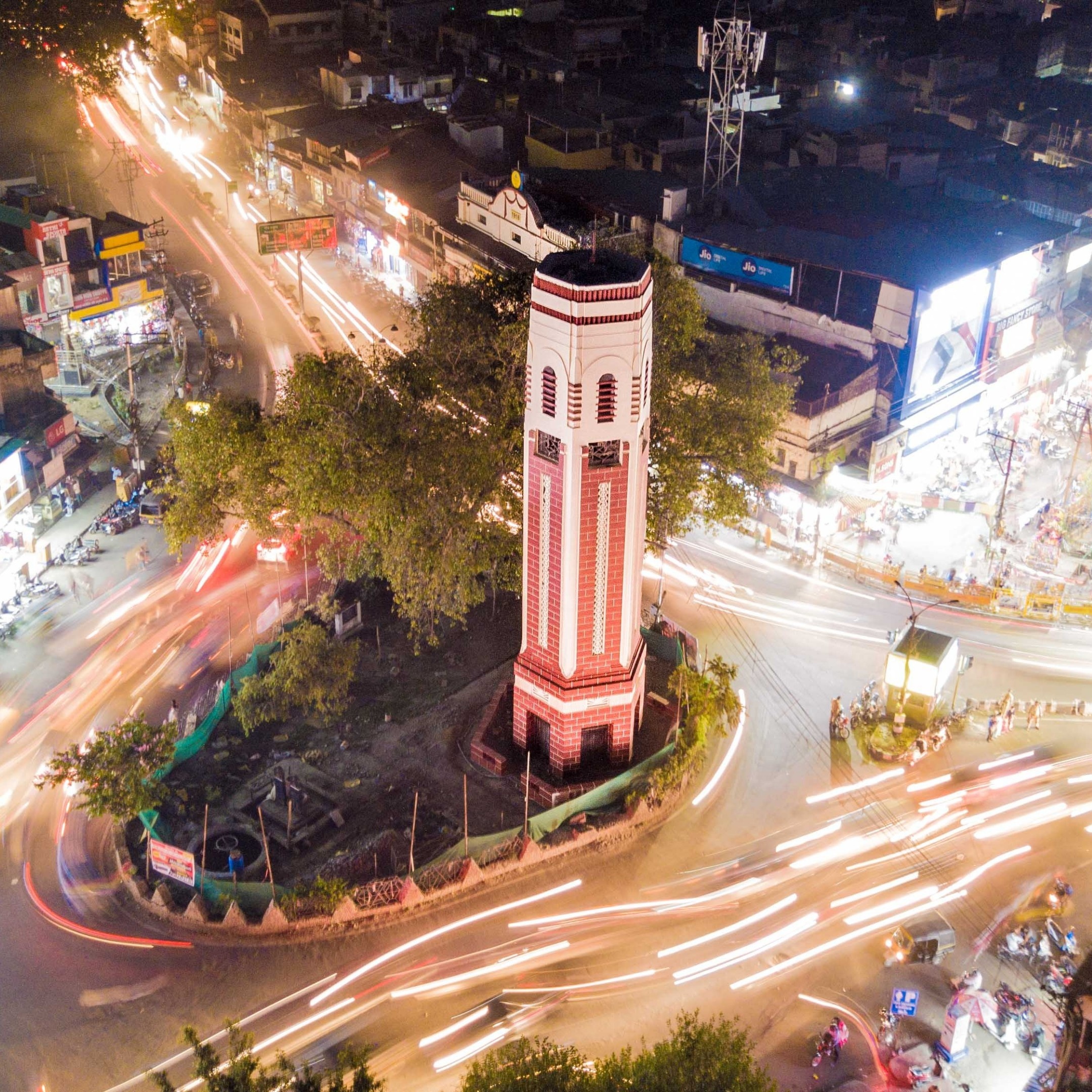
Top Things to Do & Activities in Dehradun
Discover a world of unforgettable experiences and top activities at this destination! Whether you’re seeking adventure, cultural immersion, relaxation, or family fun, find the best things to do—from sightseeing and outdoor adventures to culinary delights, spiritual journeys, and local events. Enjoy every moment and make your trip truly memorable!