Discover Amazing Champawat
Champawat in Uttarakhand is a serene town known for its ancient temples, lush hills, and historic significance. It offers a peaceful atmosphere, scenic views, and cultural heritage perfect for nature lovers.
About This Destination
Champawat. When you utter the name, you are invoking history. This unassuming town, nestled deep in the Kumaon Himalayas, was not always a quiet district headquarters; it was the powerful, centuries-old capital of the Chand Dynasty before they moved their base to Almora. This heritage is evident in the exquisite stone temples that dot the town and the profound sense of cultural legacy that permeates the air.
Unlike the more heavily commercialized destinations in Uttarakhand, Champawat, and the wider Kali Kumaon region it anchors, offers an experience of genuine antiquity and Himalayan tranquility. It is the place where mythology feels real, where you can follow the footsteps of famous hunters like Jim Corbett (the infamous 'Champawat Man-Eater' tiger operated here), and where the hustle and bustle of modern life seems a thousand miles away.
For the traveler seeking unspoiled beauty, architectural marvels, and a peaceful base for exploring the region right up to the Nepal border, Champawat Uttarakhand is a destination that rewards curiosity and patience. Come here to witness the Kumaoni soul preserved in stone and silence.
How to Reach Champawat
Champawat’s eastern location in the Kumaon region means the journey involves a beautiful, winding mountain drive after reaching the plains railhead.
By Air
- Pantnagar Airport (PGH): This is the nearest airport, located approximately 170 km from Champawat. Taxis and buses are available for the scenic 5 to 6-hour road journey.
By Rail (The Kumaon Gateway)
- Tanakpur Railway Station (TPU): This is the closest major railhead, located about 75 km from Champawat town. Tanakpur is well-connected by trains from major cities like Delhi, though the frequency is lower than at Kathgodam.
- Kathgodam Railway Station (KGM): Located approximately 175 km away, Kathgodam is often preferred for its superior connectivity to major cities (Delhi, Kolkata) and more comfortable travel options.
- Final Leg: From Tanakpur or Kathgodam, shared taxis, private cabs, and state buses (KSRTC) are available to complete the journey to Champawat.
By Road
- Champawat is well-connected by motorable roads. The journey from Delhi is long (around 450 km), taking 10-12 hours.
- The Route: The most common route is Delhi → Moradabad → Rudrapur → Tanakpur → Champawat. This route is known for its winding roads through the Shivalik foothills and provides a true sense of journey into the mountains.
Best Time To Visit Champawat
Champawat experiences a pleasant summer and a very cold winter. The best time to visit is largely defined by the visibility of the Himalayan peaks and ease of travel.
The Best Time: Summer & Post-Monsoon (March to June & September to November)
- March to June: The weather is very pleasant, with temperatures ranging from 15°C to 30°C. This is ideal for sightseeing, trekking, and exploring the surrounding nature.
- September to November: This is arguably the best time for photography. The monsoon has washed the mountains clean, providing crystal-clear, panoramic views of the Himalayan range. The climate is cool and crisp.
Winter (December to February)
- What to Expect: Cold days and freezing nights, with temperatures often dropping to near 0°C.
- The Draw: The chance of experiencing light snowfall and witnessing the peaks under a blanket of white. However, travel and local exploration can be challenging.
Monsoon (July to August)
- Heavy rainfall makes the mountain roads prone to landslides and commuting difficult. It is generally advisable to avoid travel during the peak monsoon months.
The Champawat Explorer's Checklist: History, Faith, and Nature
Champawat and its neighboring areas are rich in temples, historical sites, and untouched nature, offering a peaceful 3-4 day exploration.
Ancient Temples and Architecture (The Core of Champawat)
Baleshwar Temple Complex:
-
- The Masterpiece: Located right in the heart of the town, this 12th-century temple complex, built by the early Chand rulers, is dedicated to Lord Shiva. It is a stunning example of intricate Kumaoni stone carving and architecture. The complex also houses temples dedicated to Ratneshwar and Champawati Durga.
Kranteshwar Mahadev Temple (Kurmapad):
-
- Perched atop a hill on the eastern side of the town, this Shiva temple offers commanding, panoramic views of the entire Champawat valley. It is associated with the legend of Lord Vishnu's Kurma (tortoise) incarnation.
- Must-Do: The short trek up to the temple is highly rewarding, especially at sunrise or sunset.
Ek Hathiya Ka Naula:
-
- The Wonder: About 5 km from Champawat, this is a beautifully carved stone water reservoir (a Naula) with a unique legend it is believed to have been sculpted by a single one-handed artisan in a single night. Its intricate detailing is a testament to the region's lost craft.
Spiritual Retreats and Legends
Advaita Ashrama, Mayawati:
-
- Located about 9 km from the neighboring town of Lohaghat, this serene ashram is one of the most famous branches of the Ramakrishna Mission. Established by Swami Vivekananda, it is a place of absolute peace and spiritual study, focusing on Advaita Vedanta (non-duality). Its library and calm surroundings are perfect for meditation.
Shri Reetha Sahib Gurudwara:
-
- Situated at the confluence of the Lodhiya and Ratiya rivers (about 72 km from Champawat), this Gurudwara holds immense significance for the Sikh community. It is believed to have been visited by Guru Nanak Dev Ji, who offered a bitter reetha (soapnut) fruit to the local yogis, which miraculously became sweet.
Pancheshwar:
-
- Located about 40 km from Champawat, this sacred site is at the confluence of the Kali and Saryu rivers, forming the border with Nepal. It is famous for the Chaumu Temple, dedicated to Lord Shiva, and is a major spot for angling and religious rituals.
History, Views, and Nature
Abbott Mount:
-
- The Hidden Gem: Just 16 km away, Abbott Mount is a quaint, secluded hill station perched at 6,400 feet. It was established by the Britisher John Harold Abbott. The area features charming, century-old colonial bungalows, a quiet church, and the clearest views of the Great Himalayas. It is the perfect place for a peaceful, secluded overnight stay.
Banasur Ka Kila (Fort):
-
- Located near Lohaghat (about 20 km from Champawat), this medieval fort is steeped in mythology, believed to be the residence of the demon king Banasura, who was killed by Lord Krishna. The ruins offer a great spot for light trekking and breathtaking panoramic views of the valley and the Lohawati River.
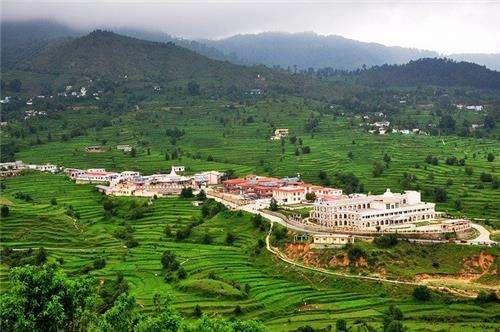
Top Things to Do & Activities in Champawat
Discover a world of unforgettable experiences and top activities at this destination! Whether you’re seeking adventure, cultural immersion, relaxation, or family fun, find the best things to do—from sightseeing and outdoor adventures to culinary delights, spiritual journeys, and local events. Enjoy every moment and make your trip truly memorable!