Discover Amazing Sattal (Seven Lakes)
Sattal in Uttarakhand is a serene destination with seven connected lakes, dense forests, birdwatching, boating, and nature walks. Ideal for peaceful retreats, photography, and nature lovers.
About This Destination
Sattal, literally translating to "Seven Lakes," is a breathtaking cluster of mysteriously interconnected freshwater lakes nestled in the Lower Himalayan range of the Kumaon region in Uttarakhand. Unlike the commercially developed and often crowded shores of Nainital, Sattal offers a profound sense of tranquility, retaining its status as one of the few genuinely unspoiled and unpolluted freshwater biomes in India.
This serene destination is highly liked by travelers seeking an eco-tourism experience, especially bird watchers and nature photographers. Its dense forests of oak and pine, and the unique hydrological system of the seven lakes, create a perfect habitat for a staggering array of flora and fauna. This guide is curated to be an extremely helpful resource for planning your retreat, focusing on seamless travel and showcasing the hidden gems that make Sattal a world-class natural sanctuary.
How to Reach Sattal
Sattal’s slightly off-the-main-road location is part of its charm, ensuring peace, but the final access is easy via the transport hub of Kathgodam.
Nearest Railway Station: Kathgodam (KGM)
- Kathgodam Railway Station (KGM): This is the closest major railhead to Sattal, situated approximately 30 to 35 kilometers away. Kathgodam is the final broad-gauge terminal and is considered the main gateway to the Kumaon Himalayas.
- Connectivity: Kathgodam is excellently linked to major cities like New Delhi, Lucknow, and Kolkata. Key express trains such as the Kathgodam Shatabdi Express provide a fast, efficient service from Delhi, with a journey time of around 5.5 to 7 hours. This makes Sattal an ideal spot for a relaxing long weekend from Delhi NCR.
- Transfer to Sattal: From Kathgodam, Sattal is reached via a scenic drive that takes about an hour. Prepaid taxis, shared cabs, and local buses are easily available. Sattal is closer to Kathgodam than Nainital and is located a short distance (about 7 km) from the town of Bhimtal.
- Lalkuan (LKU): Another nearby station, sometimes used by travelers, but Kathgodam offers superior transport options for the onward journey.
Nearest Airport: Pantnagar (PGH)
- Pantnagar Airport (PGH): This is the nearest domestic air terminal, located approximately 60 kilometers from Sattal.
- Connectivity: Pantnagar offers limited but crucial flight connectivity, primarily to and from New Delhi. Taxis can be hired at the airport for the road journey to Sattal, which takes around 1.5 to 2 hours.
By Road: The Tranquil Forest Drive
Sattal is well-connected by motorable roads, offering a picturesque drive through the foothills.
- Route: The total road distance from Delhi to Sattal is around 300 kilometers. The self-drive is popular, taking approximately 6 to 7 hours, depending on traffic conditions on the plains.
- Bus Services: Direct buses often go up to Bhimtal or Nainital. From there, local transport (taxis or shared autos) must be taken for the short distance to the cluster of lakes, making it a very accessible and affordable Uttarakhand trip.
Best Time to Visit:
Sattal is a year-round destination, but specific seasons are optimal for its main draw: bird watching.
Birding and Spring/Autumn (March to May & September to November): The Prime Seasons
- What to Expect: These two periods are the best time to visit Sattal for bird watching. The weather is cool and pleasant, ideal for outdoor activities, with temperatures ranging from 15°C to 28°C.
- Spring (March-May): Marks the arrival of many migratory birds and the resident species are active in their breeding plumage, making it excellent for photography.
- Autumn (September-November): The skies are crystal clear, offering spectacular views, and another wave of migratory birds arrives to escape the harsh winter of the high Himalayas.
- Best For: Himalayan bird watching tours, photography, trekking, and camping, when the weather is stable and the forests are vibrant.
Summer (June to July): Family Leisure
- What to Expect: The weather remains pleasant, but with higher daytime temperatures than spring. It is the busiest season as families seek respite from the plains.
- Best For: Boating and kayaking on Sattal Lake, and enjoying various water-based activities.
Winter (December to February): The Peaceful Retreat
- What to Expect: Cold temperatures, dipping close to freezing point, especially at night. Snowfall is uncommon in the main Sattal area but possible on the surrounding higher ridges. The crisp air offers exceptional visibility of distant mountain peaks.
- Best For: Travelers seeking a peaceful winter escape, enjoying cozy stays with bonfires, and focusing on spotting hardy winter migratory birds that descend from higher altitudes.
History and Mythology: The Cluster of Seven
The identity of Sattal is intrinsically linked to its unique geography and the ancient legends surrounding it.
The Mythological Lore
The name Sattal itself is rooted in Hindu mythology, with the seven lakes often associated with characters from India's great epics. The most prominent lakes in the cluster include:
- Nal-Damyanti Tal: Believed to be the spot where the legendary King Nala and his Queen Damyanti of the Mahabharata drowned during their exile, giving the lake a sacred, tragic history.
- Garud Tal (or Panna Tal): Named after the mythical eagle, Garuda, the vehicle of Lord Vishnu.
- Ram Tal, Sita Tal, and Laxman Tal: Named after the revered figures of the Ramayana.
The very concept of a cluster of seven interconnected sacred lakes makes Sattal a unique Hindu pilgrimage and nature site revered for centuries.
The Colonial Tea Plantation
During the British Raj, the tranquil environment and climate of the Kumaon region were recognized for their agricultural potential. Sattal was once home to a significant tea plantation area, one of the four major tea estates in the Kumaon region at that time. While the tea plantations are mostly gone, the influence of the British era remains in some of the older estates and forest rest houses (FRH).
A Pristine Biome
The most critical aspect of Sattal’s history is its ecological heritage. It remains an ecologically fragile mesotrophic group of lakes. The dense, surrounding forests, primarily composed of oak and pine trees, have helped maintain a pristine environment, attracting a colossal variety of wildlife. The commitment to maintaining this pristine state is what attracts modern eco-tourists and makes it a leading unspoiled destination in Uttarakhand.
Places to Visit: The Seven Jewels and Avian Wonders
Sattal is less about grand monuments and more about the interconnected nature spots that form its unique landscape.
1. The Interconnected Lakes
Sattal is comprised of three primary lake groups, which, through hydrological connections, represent the original seven. These are:
- Panna Tal or Garud Tal: Known for its clear waters, it is often the first lake visitors encounter.
- Nal Damyanti Tal: Sacred due to its mythological association and generally quieter, perfect for reflection.
- Sita Tal, Ram Tal, and Laxman Tal: These three lakes often appear as one large lake due to high water levels, forming the main cluster where most of the boating activities take place.
- Sukha Tal (or Bharat Tal): This lake is often dry or swampy during non-monsoon periods, hence the name Sukha (dry).
The true magic of Sattal lies in walking the trails that connect these individual water bodies, allowing you to observe the subtle differences in their ecosystems.
2. The Butterfly and Fauna Centers
- Butterfly Research Centre (Butterfly Museum): Located within the Sattal Christian Ashram complex, this fascinating private museum was founded by the renowned entomologist, the late Frederick Smetacek. It houses an impressive collection of over 2,500 species of butterflies and moths found in the region. This museum is a must-visit for nature and science enthusiasts and is a unique attraction in the Kumaon region.
- Birding Hides and Trails: The entire region, especially the trails leading through the Oak and Pine forests away from the main road, is a natural sanctuary. Local birding camps have set up strategic 'hides' and 'studios' near natural water streams, offering photographers and birders the chance to spot rare Himalayan birds up close, such as the Kingfishers, Brown Fish Owl, and various species of Flycatchers and Barbets.
3. Spiritual and Historical Sites
- Sattal Christian Ashram (St. John's Church): Established by E. Stanley Jones, this ashram is a peaceful retreat and a historical landmark. Its beautiful, simple architecture and serene surroundings are a testament to the area’s tranquil charm.
- Subhash Dhara: A secluded, beautiful freshwater spring feeding the lakes. Its clean, cool water is a natural attraction and a great spot for a short, invigorating walk.
Things To Do: A Blend of Ecology and Adventure
Sattal offers a perfect blend of high-octane adventure and slow, mindful exploration of nature.
- World-Class Bird Watching: This is the primary reason people visit Sattal. The rich biodiversity supports over 500 species of resident and migratory birds. The best time to engage in Himalayan Birding is early morning or late afternoon on the forest trails. Hiring a local, experienced naturalist is highly recommended for spotting unique species and understanding the complex ecosystem.
- Camping and Ecotourism: Many properties, including specialized birding camps, offer comfortable tented accommodations right on the lakeside or deep within the surrounding forests. Lakeside camping in Sattal is a popular activity, often complemented by bonfires and stargazing due to the minimal light pollution.
- Water Adventure Sports: While quieter than its neighboring lakes, Sattal offers engaging activities like kayaking and simple boating on the calmer waters of the lakes. River crossing and rappelling are also often organized by local adventure camps using the natural terrain and streams.
- Trekking and Nature Walks: The forest trails are perfect for easy to moderate treks. The walking trails in Sattal are exceptionally beautiful, leading through dense Deodar and Pine cover, perfect for those seeking peaceful forest bathing or identifying local flora and fauna.
- Angling and Fishing: Fishing is a popular, leisurely activity here. After obtaining the necessary permits from the forest department, travelers can relax by the bank of Nal Damyanti Tal and engage in freshwater angling in the Kumaon region, though it's often practiced on a catch-and-release basis to protect the aquatic life.
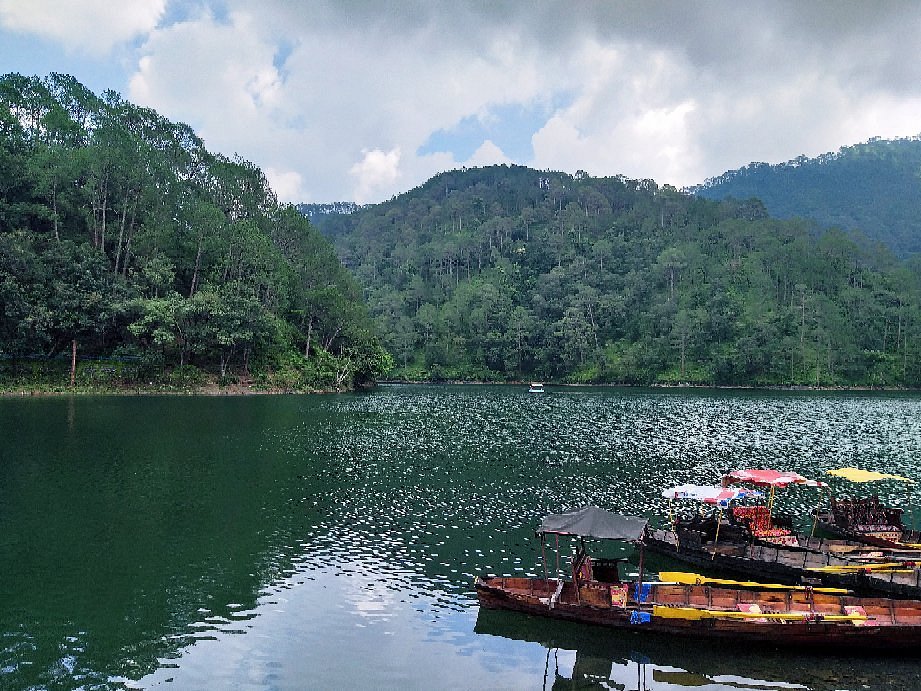
Top Things to Do & Activities in Sattal (Seven Lakes)
Discover a world of unforgettable experiences and top activities at this destination! Whether you’re seeking adventure, cultural immersion, relaxation, or family fun, find the best things to do—from sightseeing and outdoor adventures to culinary delights, spiritual journeys, and local events. Enjoy every moment and make your trip truly memorable!