Discover Amazing West Bangal
West Bengal offers a blend of culture, history, nature, and food. Top places include Kolkata, Darjeeling, Sundarbans, Digha, Kalimpong, Shantiniketan, and Bishnupur, making it a diverse travel destination.
About This Destination
Welcome to West Bengal, a land that stretches from the majestic heights of the Eastern Himalayas to the vibrant shores of the Bay of Bengal, offering an unparalleled tapestry of history, culture, and natural beauty. This guide is crafted to be your essential companion, focusing on the content that seasoned travelers and first-time visitors consistently find most liked and helpful clear, practical information blended with the inspirational depth of its destinations, ensuring you won't get lost in the logistics. For those searching for the ultimate West Bengal travel guide for a first-time visitor, or trying to plan the best 7-day itinerary for Kolkata and Darjeeling, this is the place to start your adventure.
How to Reach West Bengal
West Bengal is exceptionally well-connected, making access smooth whether you're arriving from within India or internationally.
- By Air: The Nearest Airports
- Netaji Subhas Chandra Bose International Airport (CCU), Kolkata: This is the primary gateway, a major international and domestic hub. It's the best option if your itinerary begins in the southern plains or the cultural heart of Kolkata. From here, you can easily access places like the Sunderbans or the coastal towns of Digha and Mandarmani.
- Bagdogra International Airport (IXB), Siliguri: Located in North Bengal, this airport is the essential entry point for the popular hill stations of Darjeeling, Kalimpong, and Kurseong, as well as the Dooars region (Jalpaiguri, Alipurduar).
- Kazi Nazrul Islam Airport (RDP), Durgapur: India's first private aerotropolis, serving the western plateau region and industrial belts of Purulia and Bankura, offering a convenient alternative for travelers exploring the terracotta heritage of Bishnupur.
- By Rail: Major Railway Stations
- Howrah Junction (HWH) and Sealdah (SDAH), Kolkata: These two stations are among the busiest in India, linking Kolkata to virtually every major city nationwide. They are the hub for reaching the central and southern districts.
- New Jalpaiguri (NJP): Situated near Siliguri, NJP is the most critical railway station for accessing North Bengal. It's the point where you board the famous Darjeeling Himalayan Railway, the UNESCO World Heritage 'Toy Train', or hire taxis/buses for the hill stations.
- Other important stations include Asansol, Bardhaman, and Malda Town, serving as key entry points to the industrial, historical, and cultural hubs.
- By Road: A network of National and State Highways, including NH12 (previously NH34) connecting Kolkata to North Bengal, makes road travel a viable and scenic option. State-run and private buses connect major cities, and rental cars/taxis are readily available, especially for the popular Kolkata to Mandarmani road trip.
Best Time to Visit: Embracing the Seasons
The most comfortable time to travel in West Bengal is from October to March. This is the peak tourist season, as the weather across the state is pleasant and cool.
- Winter (November to February): This is arguably the best overall season. The plains (Kolkata, Murshidabad) enjoy mild, sunny days (around 15°C to 25°C, ideal for sightseeing and visiting the Sunderbans. The hills (Darjeeling, Kalimpong) are chilly and can experience snow in higher reaches, offering spectacular, clear views of the Kanchenjunga peak, a must-do for those seeking a clear view of Kanchenjunga in Darjeeling.
- Autumn (October): A truly special time, as it coincides with the grand celebration of Durga Puja, a UNESCO Intangible Cultural Heritage event, which transforms Kolkata into the "City of Joy."
- Summer (March to June): Summers are hot and humid, especially in the southern plains, with temperatures often soaring above 40°C. Hill stations remain pleasant but tend to be crowded. It is generally advisable to avoid West Bengal during the scorching summer months.
- Monsoon (July to September): The state receives heavy rainfall. While the landscape is lush, travel can be interrupted by heavy showers, particularly to the coastal areas and Sunderbans, though this is the low season for budget-conscious travelers.
The History of Bengal
The content most appreciated by visitors is the historical context that explains the state's vibrant cultural DNA. The history of West Bengal is a compelling narrative of ancient dynasties, a spiritual and intellectual renaissance, and the pivotal role it played in colonial India.
The region, anciently known as Vanga or Banga, finds mention in Vedic texts. It was part of the Mauryan and Gupta empires before local dynasties like the Pala and Sena kings established regional power, fostering a distinct school of art and literature.
The advent of Muslim rule in the 13th century marked the beginning of the Sultanate and subsequent Mughal periods, leaving behind stunning architectural legacies in places like Gaur and Pandua in the Malda district.
The modern history, crucial for any traveler to understand, begins with the British East India Company's decisive victory at the Battle of Plassey in 1757. The establishment of Calcutta (now Kolkata) as the capital of British India in 1772 catapulted Bengal into the center of global power and trade. This era, lasting until 1911 when the capital shifted to Delhi, left behind the grand colonial architecture that defines much of Kolkata's landscape. The 19th and early 20th centuries witnessed the Bengal Renaissance, a period of intense socio-cultural and intellectual awakening led by giants like Raja Ram Mohan Roy, Ishwar Chandra Vidyasagar, and the Nobel Laureate Rabindranath Tagore. This legacy is beautifully preserved in Tagore’s serene university town of Shantiniketan.
The state as we know it today was created by the tumultuous partition of India in 1947, which divided the historical Bengal province into West Bengal (India) and East Pakistan (now Bangladesh). This event fundamentally shaped the state's demographics and resilient culture.
The Diversity of West Bengal: Major Districts and Key Destinations
West Bengal’s geography is its greatest strength, divided into the Himalayan North, the fertile Ganges Delta plains, and the western plateau, each represented by a district with unique offerings. A practical list of must-visit districts in West Bengal helps in planning.
North Bengal: The Himalayan Heartland
The northern districts are the playground for those who love mountains, tea, and wildlife.
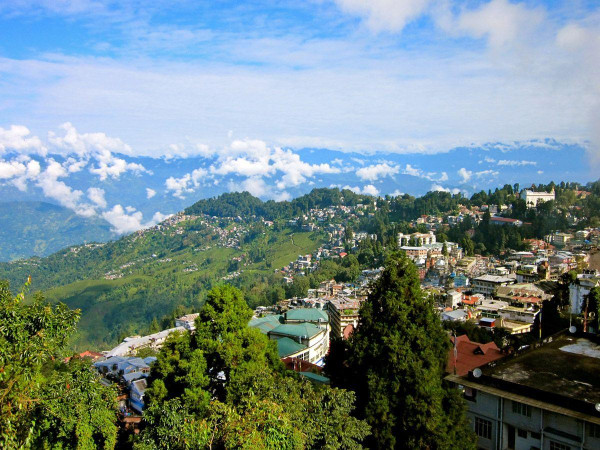
- Darjeeling: Home to the 'Queen of the Hills,' famous for its panoramic view of Mount Kanchenjunga, the UNESCO heritage Toy Train, and the world-renowned Darjeeling Tea Gardens.
- Kalimpong: A quieter alternative to Darjeeling, known for its Buddhist monasteries, flower nurseries, and the stunning views from Durpin Dara Hill.
- Alipurduar & Jalpaiguri (The Dooars): Known as the 'Gateway to the Himalayas', this region features dense forests, lush tea estates, and national parks like Jaldapara and Buxa Tiger Reserve, excellent for finding affordable Dooars jungle safari packages.
South and Central Bengal: Culture, History, and Delta
This is the cultural, historical, and administrative core of the state.
- Kolkata (formerly Calcutta): The capital and cultural epicenter, famous for the Howrah Bridge, Victoria Memorial, Durga Puja, and an undeniable intellectual heritage. Searching for Kolkata's best street food and heritage walks is a popular query.
- South 24 Parganas: Contains the Sunderbans National Park, a UNESCO World Heritage Site and the world’s largest mangrove forest, home to the elusive Royal Bengal Tiger. A cruise on the labyrinthine creeks is a thrilling experience.
- Birbhum: Home to Shantiniketan, Tagore’s experimental university, and the sacred Tarapith Temple.
- Murshidabad: A historical gem that was the capital of Bengal during the Nawabi period, famous for the magnificent Hazarduari Palace (Palace of a Thousand Doors).
- Purba Medinipur: Contains the popular sea beaches of Digha and Mandarmani, ideal for a relaxing weekend getaway from Kolkata to the beach.
Western Plateau: Heritage and Hills
The western districts, bordering Bihar and Jharkhand, showcase a different, rugged beauty.
- Bankura: Home to the magnificent terracotta temples of Bishnupur, a testament to the distinct Malla dynasty architecture, highly sought after by history and art enthusiasts.
- Purulia: Known for its raw, natural beauty, rolling hills, and the vibrant Chhau dance (a UNESCO Intangible Cultural Heritage), offering fantastic spots for offbeat trekking in West Bengal.
Things To Do In West Bangal:
A traveler’s itinerary is defined by the experiences they can collect. These activities are consistently rated as the top things to do in West Bengal.
- Sunrise at Tiger Hill, Darjeeling: Wake up before dawn to witness the first rays of the sun paint the massive Kanchenjunga and its surrounding peaks in brilliant shades of gold and orange. This is a quintessential North Bengal experience.
- Ride the Darjeeling Himalayan Railway (Toy Train): Board this narrow-gauge railway from New Jalpaiguri to Darjeeling, a slow, winding, and magical journey through the hills and tea gardens, an absolute must-do for heritage train lovers.
- Explore Kolkata's Colonial and Cultural Heart: Visit the Victoria Memorial Hall, stroll across the Howrah Bridge at dawn, wander through the historic lanes of Kumartuli (the idol makers' colony), and spend an evening at Prinsep Ghat on the Hooghly River.
- Sunderbans Boat Safari: Take a thrilling boat ride through the mangrove creeks to spot wildlife. While the Royal Bengal Tiger is the biggest draw, the sight of saltwater crocodiles, spotted deer, and diverse birdlife makes the journey unforgettable.
- Terracotta Temple Trail in Bishnupur: Explore the unique brick temples adorned with intricate terracotta art depicting scenes from the Hindu epics, a truly unique cultural activity for those interested in Indian temple architecture.
- Visit Shantiniketan: Absorb the intellectual and artistic tranquility of Rabindranath Tagore's ashram and university, especially during the Poush Mela (winter fair) or Basanta Utsav (spring festival).
The Temples of West Bengal
The state is a major pilgrimage center, renowned for its Shakti Peethas and syncretic religious sites. For those searching for famous Kali temples in Kolkata or major Shakti Peethas in West Bengal, these are the highlights:
- Dakshineswar Kali Temple, Kolkata: A magnificent nine-spired temple on the banks of the Hooghly River, dedicated to Goddess Kali, and closely associated with the 19th-century mystic Ramakrishna Paramhansa.
- Kalighat Kali Temple, Kolkata: Considered one of the 51 Shakti Peethas, this is a supremely revered and ancient temple in the heart of the city, attracting millions of devotees annually.
- Belur Math, Howrah: The headquarters of the Ramakrishna Math and Mission. Its architecture beautifully blends Hindu, Christian, and Islamic elements, symbolizing the unity of all religions a serene and visually stunning spiritual center.
- Mayapur ISKCON Temple, Nadia: The global spiritual headquarters of the International Society for Krishna Consciousness (ISKCON), known for its grand temple complex and devotional fervor, attracting pilgrims from around the globe.
- Tarapith Temple, Birbhum: Another powerful Shakti Peetha and a major pilgrimage center known for its tantric significance, drawing a different kind of spiritual seeker.
- Bishnupur Terracotta Temples, Bankura: While not primarily active pilgrimage centers today, the temples like the Jor-Bangla Temple and the Rasmancha are essential religious-architectural sites, telling religious stories through their stunning terracotta panels.
Planning Your Ultimate West Bengal Experience
The key to a rewarding trip lies in balancing the hills, the plains, and the delta. For a comprehensive experience, travelers should plan for distinct geographical zones. The information provided here gives a solid foundation for those looking for practical West Bengal travel tips and avoiding common tourist pitfalls. Whether you are seeking the tranquility of a Dooars wildlife safari, the cultural richness of Kolkata heritage walks, or the breathtaking mountain views of a Darjeeling holiday package, West Bengal promises a journey as diverse and profound as its history.
Top Things to Do & Activities in West Bangal
Discover a world of unforgettable experiences and top activities at this destination! Whether you’re seeking adventure, cultural immersion, relaxation, or family fun, find the best things to do—from sightseeing and outdoor adventures to culinary delights, spiritual journeys, and local events. Enjoy every moment and make your trip truly memorable!
Popular City in West Bangal
Explore our selection of popular packages in West Bangal. Whether you're looking for a relaxing getaway, a family-friendly trip, or a solo adventure, we have the perfect package for you. Book now and experience the best of West Bangal like never before!