Discover Amazing Darjeeling
Darjeeling offers scenic experiences like the Himalayan toy train, Tiger Hill sunrise, tea garden tours, monasteries, viewpoints, and nature walks, making it a perfect hill station getaway.
About This Destination
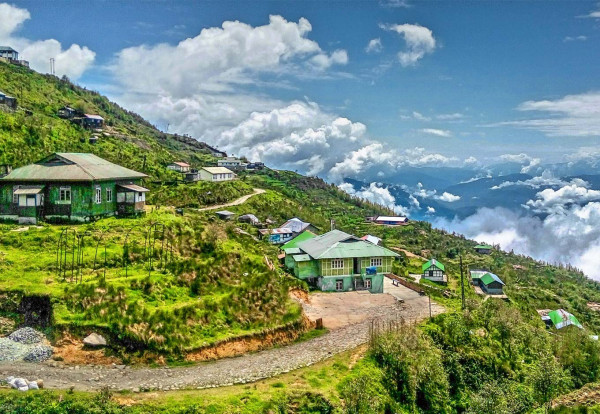
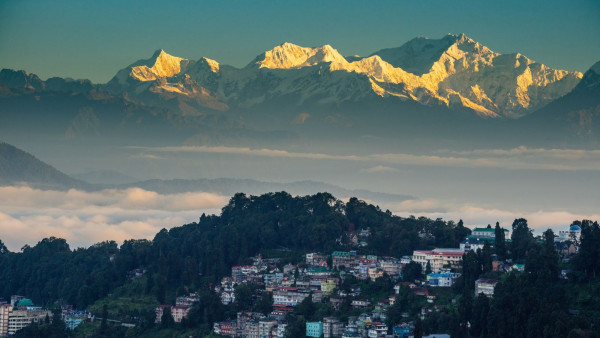
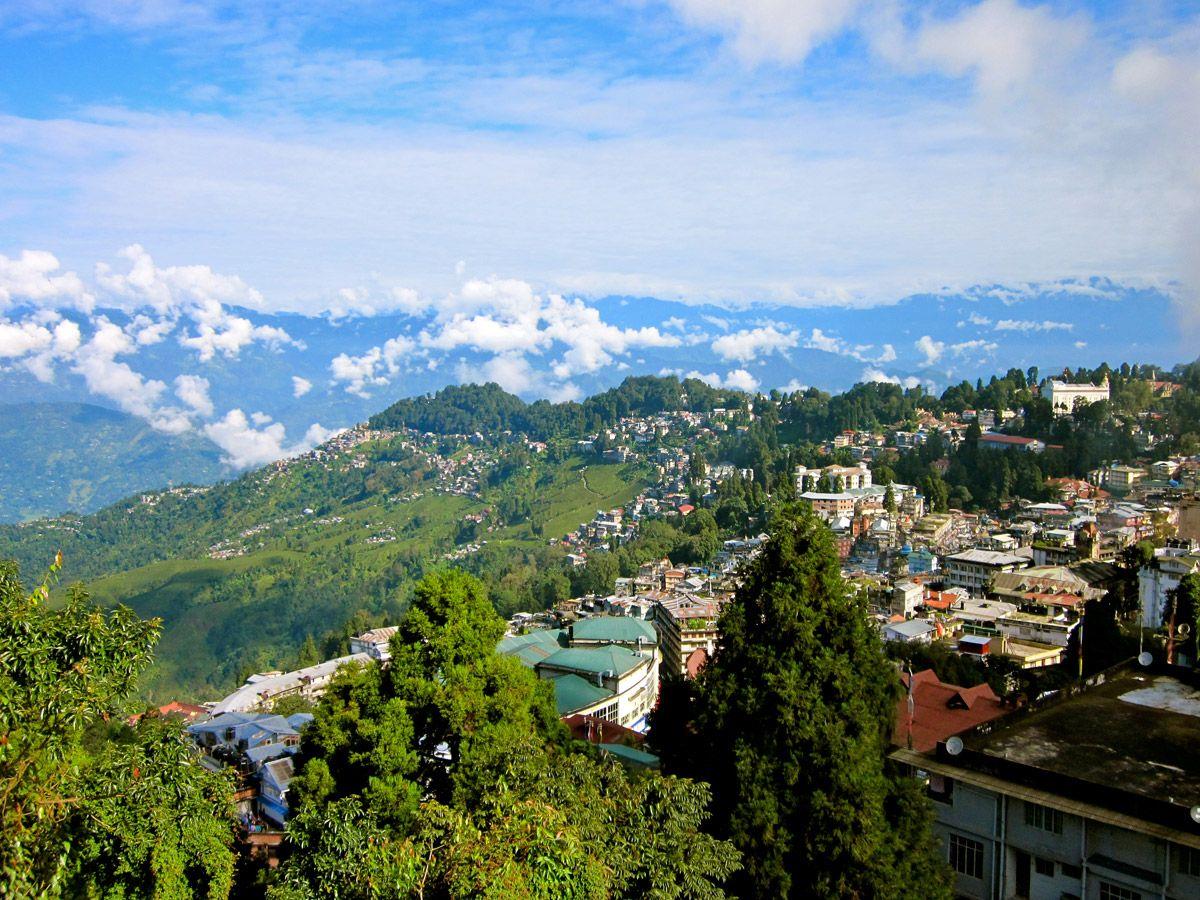
Darjeeling, affectionately crowned the "Queen of the Hills," is one of India's most celebrated hill stations. Nestled in the Himalayan foothills of West Bengal, this town is globally renowned for its colonial charm, its status as the starting point for magnificent views of Mount Kanchenjunga, and, most famously, for producing the world’s most exquisite, aromatic tea the Darjeeling Tea. A Darjeeling holiday offers a perfect blend of natural beauty, cultural history, and nostalgic mountain railway journeys.
This guide is tailored to provide clarity and valuable tips for planning your trip, covering the essential logistics, the best experiences for any traveller, and an in-depth look at the culture and history that makes Darjeeling unique.
How to Reach Darjeeling
The hill station lacks its own major airport or railway station within the town limits. All travel must connect through the nearby transport hubs in the plains.
1. By Air (Nearest Airport)

- Bagdogra International Airport (IXB), West Bengal: This is the nearest airport to Darjeeling, located approximately 95 km away. Bagdogra is a major hub with excellent flight connectivity to cities like Kolkata, Delhi, Mumbai, and Bengaluru.
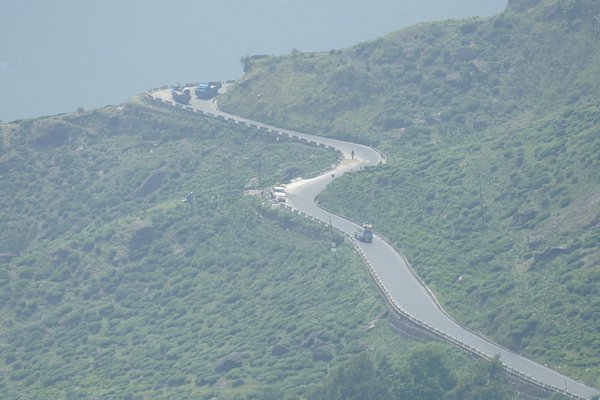
- From Bagdogra to Darjeeling: The road journey takes about 3.5 to 4 hours. Taxis (private and shared) are the most common and convenient way to complete the journey. The drive itself is beautiful, traversing the steep, winding mountain roads known as the Darjeeling Himalayan Railway (DHR) Road.
2. By Rail (Nearest Railway Station)

- New Jalpaiguri Railway Station (NJP), West Bengal: This is the nearest major railway station to Darjeeling, situated about 88 km away. NJP is a principal junction, offering frequent and reliable train services from major Indian cities, making it the best way to reach Darjeeling from Kolkata by train. Trains like the Padatik Express and Vande Bharat Express connect NJP to Kolkata (Sealdah/Howrah).
- From NJP to Darjeeling: You can hire a private taxi, a shared cab, or take the famous Darjeeling Himalayan Railway Toy Train. The toy train journey is slow (taking about 7-8 hours for the full route), but it is a UNESCO World Heritage Site experience and highly recommended for its nostalgic charm and scenic views.
3. By Road (The Mountain Drive)

- Bus Services: State and private buses operate from Siliguri’s Tenzing Norgay Bus Terminus to Darjeeling, offering a budget-friendly option.
- The Hill Cart Road (NH110): This historic road, stretching about 62 km from Siliguri to Darjeeling, winds through scenic hills and runs parallel to the iconic Toy Train tracks for much of the journey. It remains the most popular and frequently used route for the final ascent to the Queen of Hills.
Best Time to Visit Darjeeling
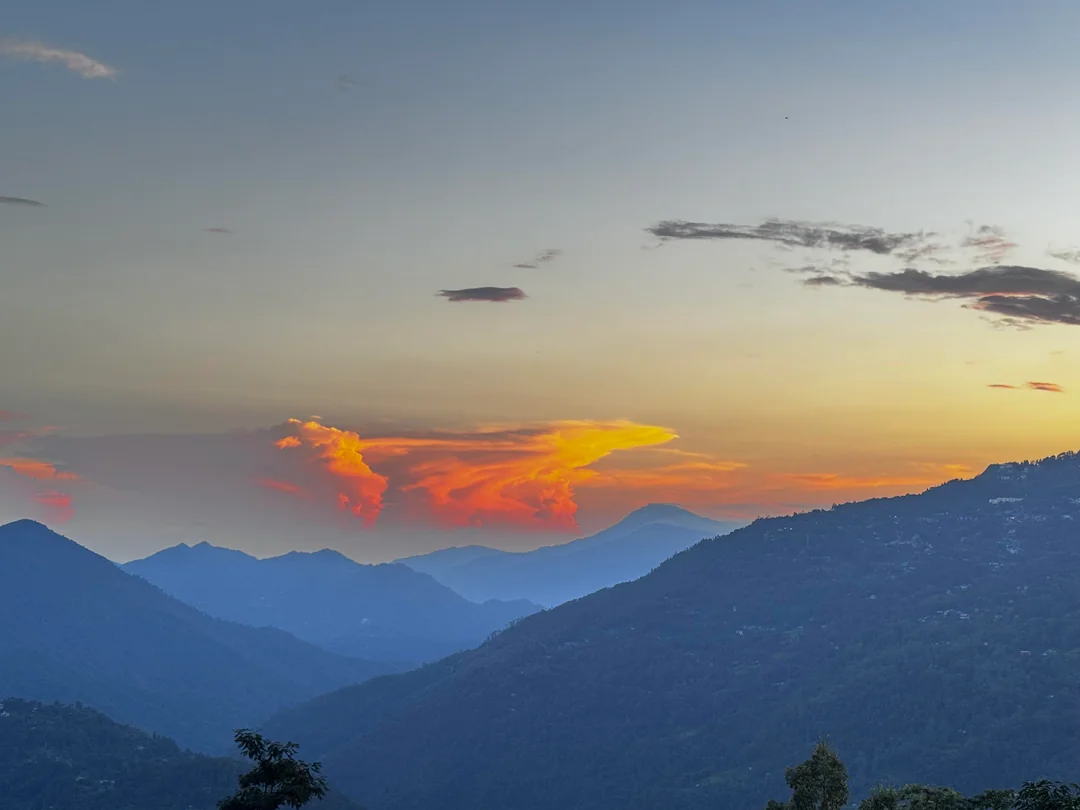
- Peak Season / Autumn (October to November): This is arguably the best time to visit Darjeeling for crystal-clear Kanchenjunga views. The air is crisp and clean after the monsoon, guaranteeing spectacular, unobstructed sunrises and sunsets over the Himalayas. The weather is perfectly cool and dry (temperatures around 6°C to 18°C.
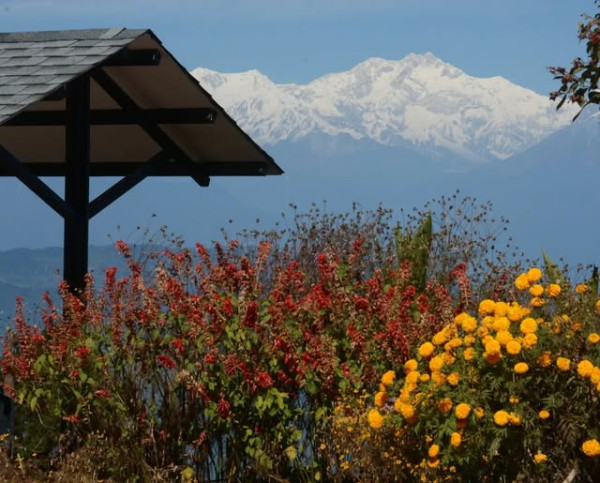
- Summer (March to June): This is the second peak season, perfect for escaping the heat of the plains. The weather is very pleasant and mild (around 11°C to 25° C), ideal for sightseeing, trekking, and enjoying the lush tea gardens of Darjeeling.

- Winter (December to February): This is the time for travellers seeking a cozy, chilly retreat. Temperatures range from 2°C to 9°C, often dropping below freezing at night.
- Best time to visit Darjeeling for snow: Snowfall in Darjeeling town itself is rare, but the highest chances are between late December and February. For assured snow, travellers must take a day trip to higher reaches like Sandakphu or Tumling (via jeep safari).
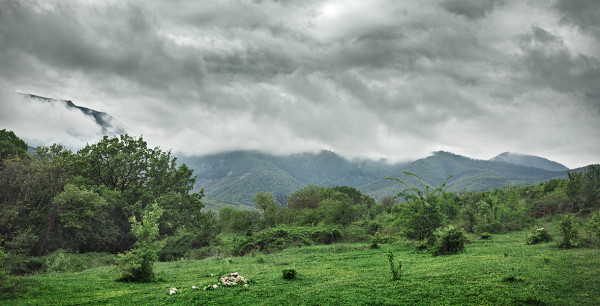
- Monsoon (July to September): The heavy rainfall results in stunningly green landscapes, but constant mist often obscures mountain views. Landslides can occasionally cause road closures and travel disruptions. This period is best for budget travellers seeking solitude and discounted rates.
History of Darjeeling: From Kingdom to Hill Station
- Early History: The area was historically part of the Kingdom of Sikkim. Following the Anglo-Nepalese War in 1814-1816, the British eventually acquired the narrow ridge in 1835 from the Raja of Sikkim. It was initially acquired as a sanatorium (a health resort) for the British officials escaping the heat of the plains.
- The Tea Revolution (1840s): The most significant historical development was the experimental introduction of tea cultivation. The highly successful cultivation of China tea varieties transformed Darjeeling into a global centre for fine tea.

- Immigration and Gorkha Identity: The burgeoning tea industry required a massive workforce. The British encouraged immigration from neighbouring Nepal, Sikkim, and Bhutan. Over time, the Nepali-speaking community, collectively referred to as Gorkhas, became the dominant cultural and ethnic group, shaping the distinct identity, language (Nepali/Gorkhali), and vibrant culture of the region. The Gorkha community's history is integral to the story of Darjeeling's modern development.
Things To Do and Places To Visit in Darjeeling
A 3-day Darjeeling itinerary is usually sufficient to cover the main attractions, which are primarily centered around the town, tea estates, and high-altitude viewpoints.
1. The Iconic Sunrise and Toy Train
- Tiger Hill: Located 11 km from the town, this is the most famous spot and is mandatory for any Darjeeling sightseeing trip. Travellers start before dawn (around 4:00 AM) to witness the spectacular sunrise over the Kanchenjunga massif. On extremely clear days, the tip of Mount Everest can also be sighted.

- Batasia Loop and War Memorial: Located on the way back from Tiger Hill, this unique railway engineering marvel is a spiral loop where the Toy Train takes a 360-degree turn. In the centre is the Gorkha War Memorial, offering a beautiful panoramic view of Darjeeling town and the surrounding mountains.
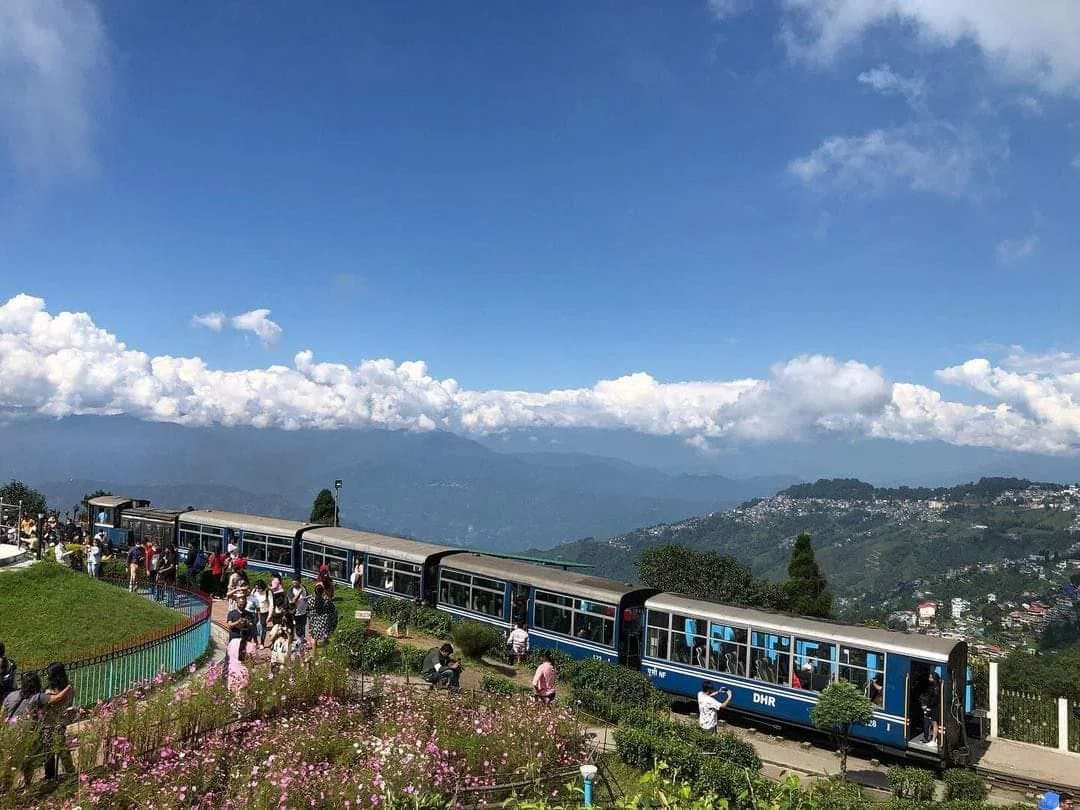
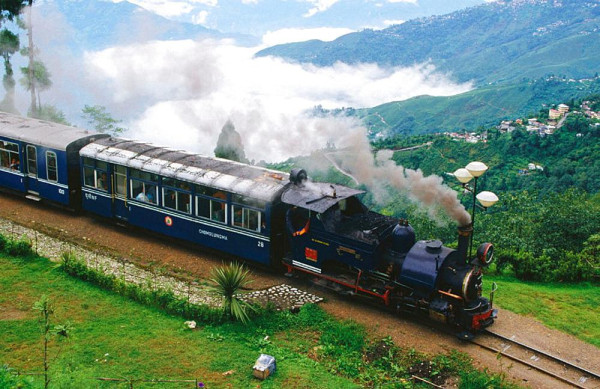
- Darjeeling Himalayan Railway (DHR) Toy Train: A ride on this narrow-gauge steam train is a must-do. The most popular short-haul route is the Joy Ride from Darjeeling to Ghoom and back, allowing you to experience the Batasia Loop and the scenic mountain track.
2. Culture, Spirituality, and Education
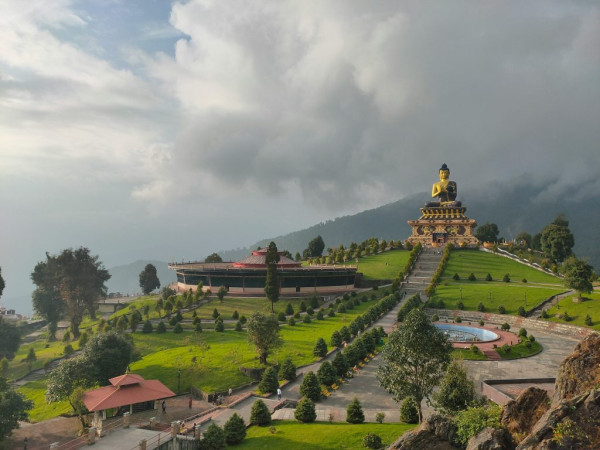
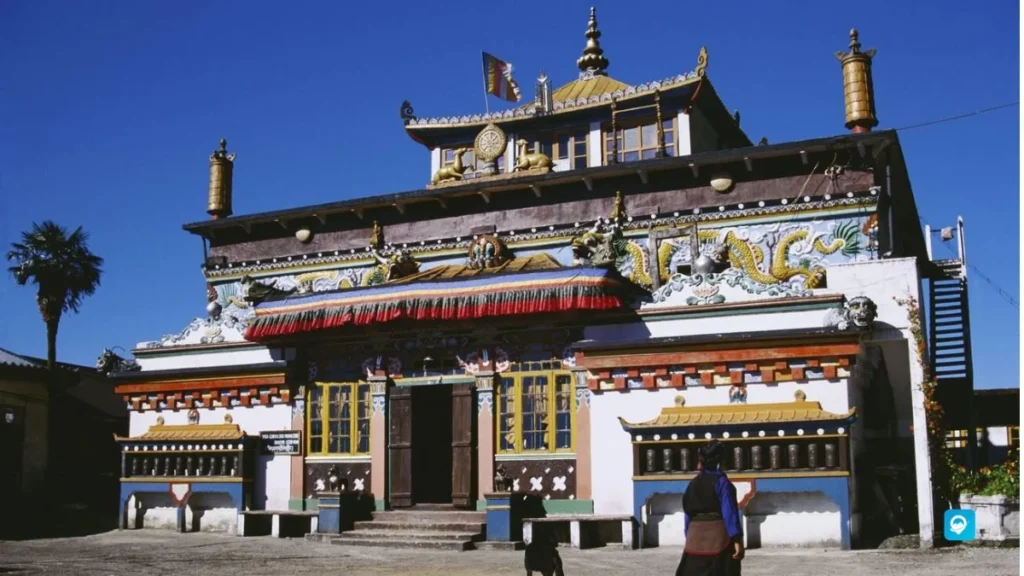
- Ghoom Monastery (Yiga Choeling Monastery): Located near Ghoom, this is one of the oldest and largest Tibetan Buddhist monasteries in Darjeeling, established in 1850. It houses a magnificent 15-foot statue of the Maitreya Buddha (Future Buddha).
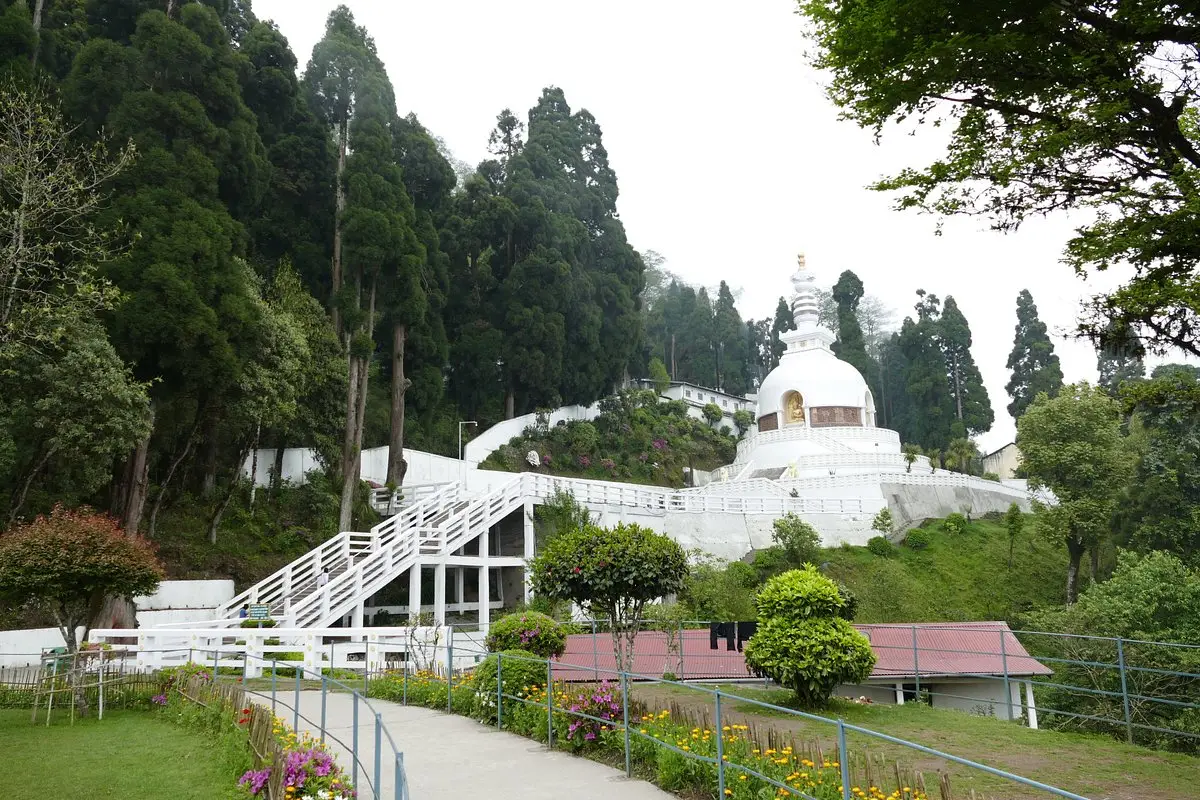
- Japanese Peace Pagoda: Situated on Jalapahar Hill, this large white pagoda is a symbol of peace and harmony. It offers stunning views of Darjeeling town and the Kanchenjunga range and is part of the Nipponzan-Myōhōji Buddhist Temple complex.
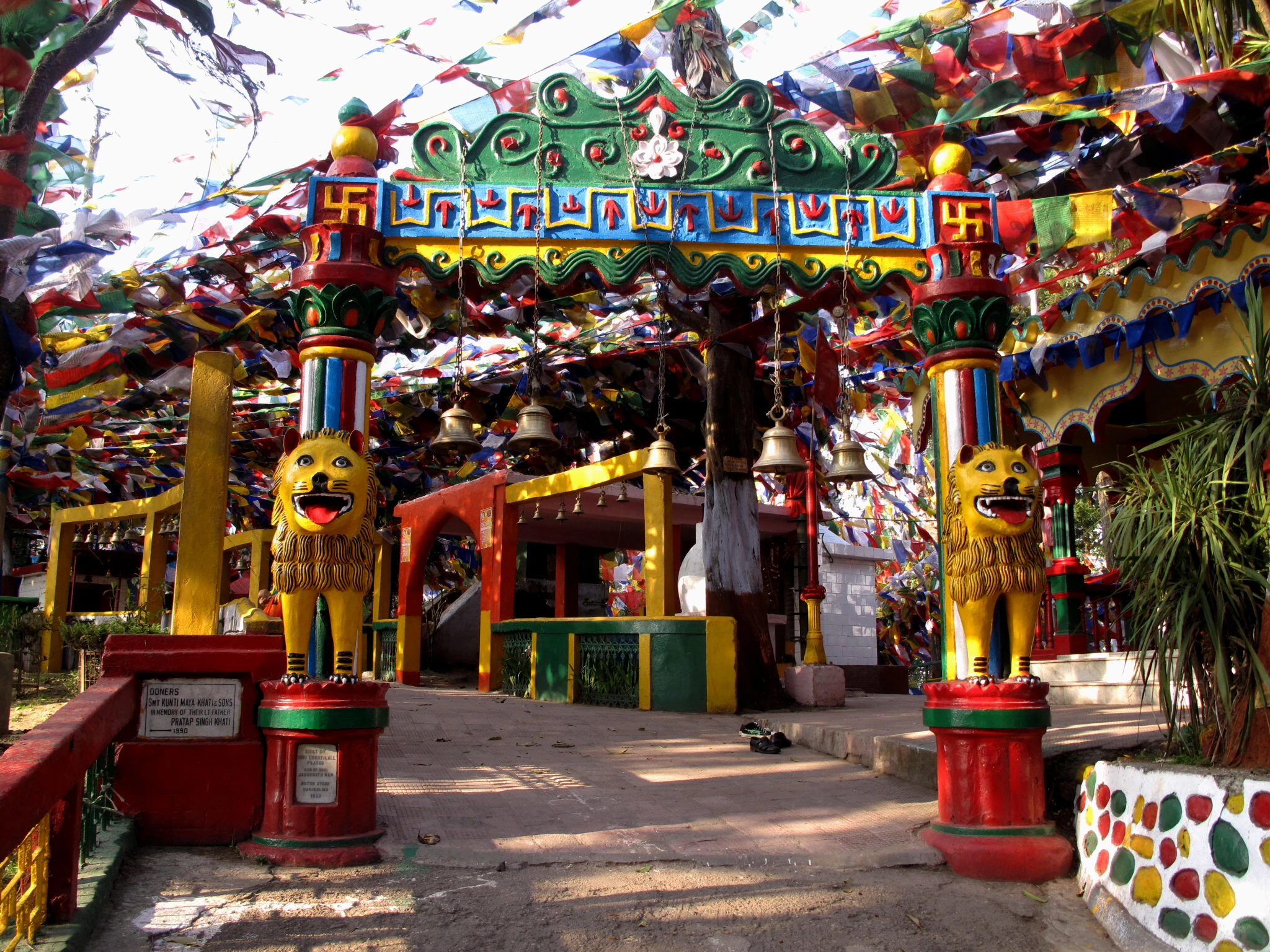
- Mahakal Temple on Observatory Hill: Located atop Chowrasta (The Mall), this sacred spot is revered by both Hindus and Buddhists. Originally a Buddhist monastery, it is now a unique confluence of both faiths and offers excellent views of the surrounding area.
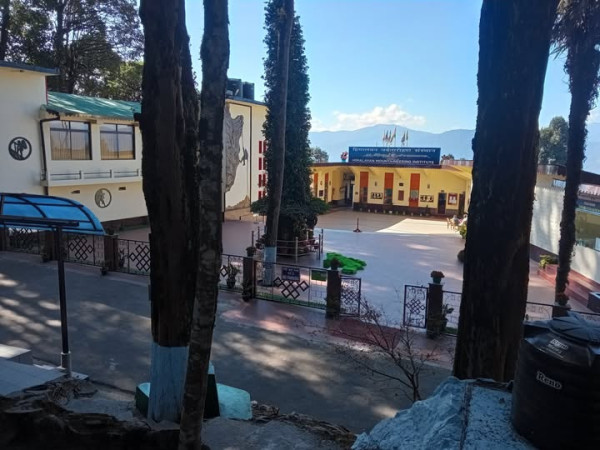
- Himalayan Mountaineering Institute (HMI) and Zoo: HMI was established in 1954 to promote mountaineering, honoring legends like Tenzing Norgay. Its museum houses rare mountaineering artifacts. Adjacent is the Padmaja Naidu Himalayan Zoological Park, India's highest-altitude zoo, famous for its conservation breeding programs for endangered species like the Red Panda and Snow Leopard.
3. Tea Gardens and Valley Views
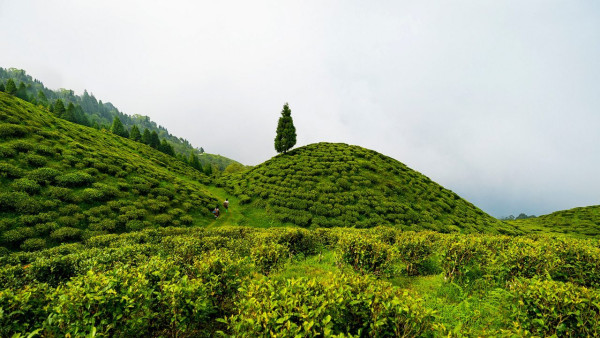
- Happy Valley Tea Estate: This is one of the most accessible and oldest tea estates in Darjeeling. You can take a guided tour to learn about the entire Darjeeling tea-making process, from plucking the leaves to the final product, and sample some of the finest blends.
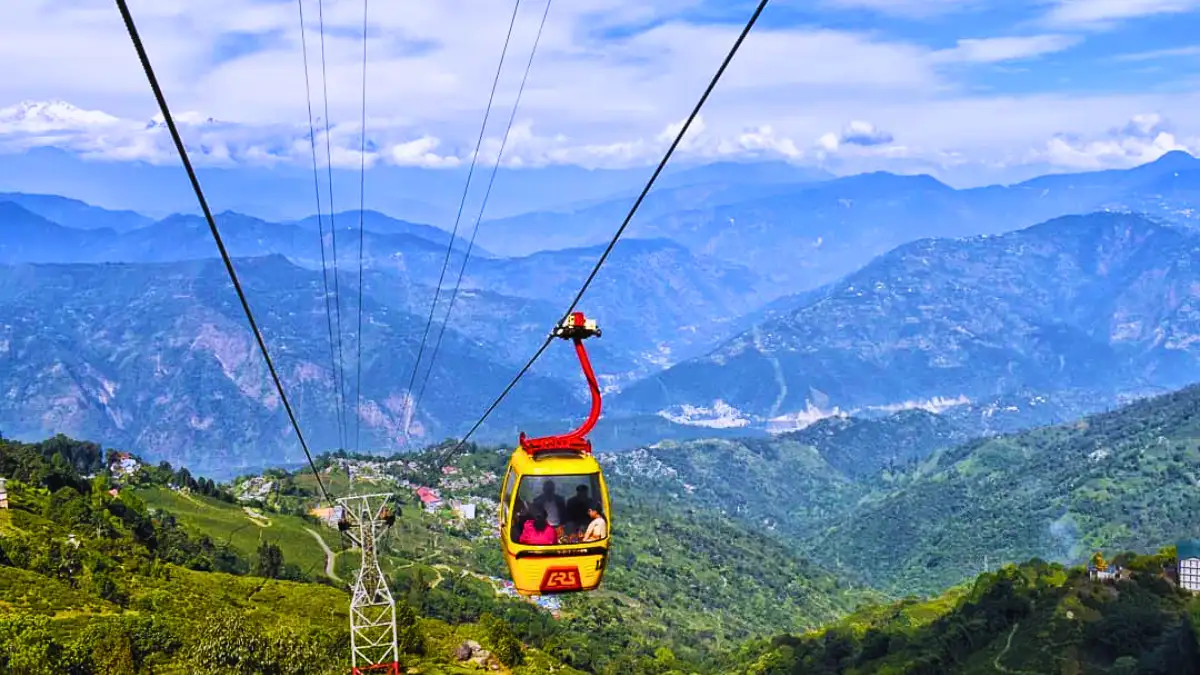
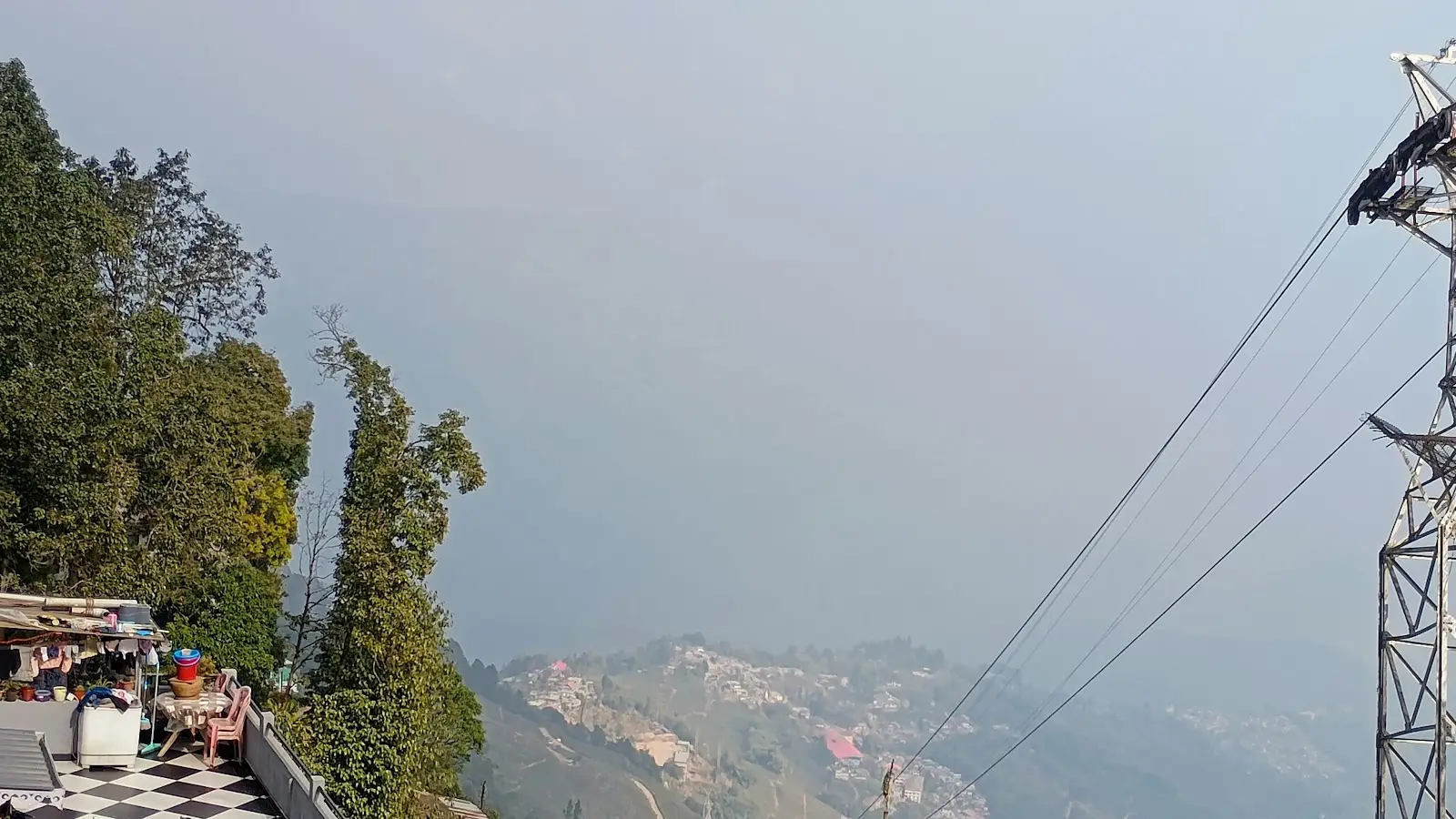
- Darjeeling Ropeway (Rangeet Valley Cable Car): Starting from Singamari, this cable car offers one of the best aerial views of the Darjeeling valley, the tea gardens, and the flowing Rangeet River below. It is a thrilling way to appreciate the steep terrain.
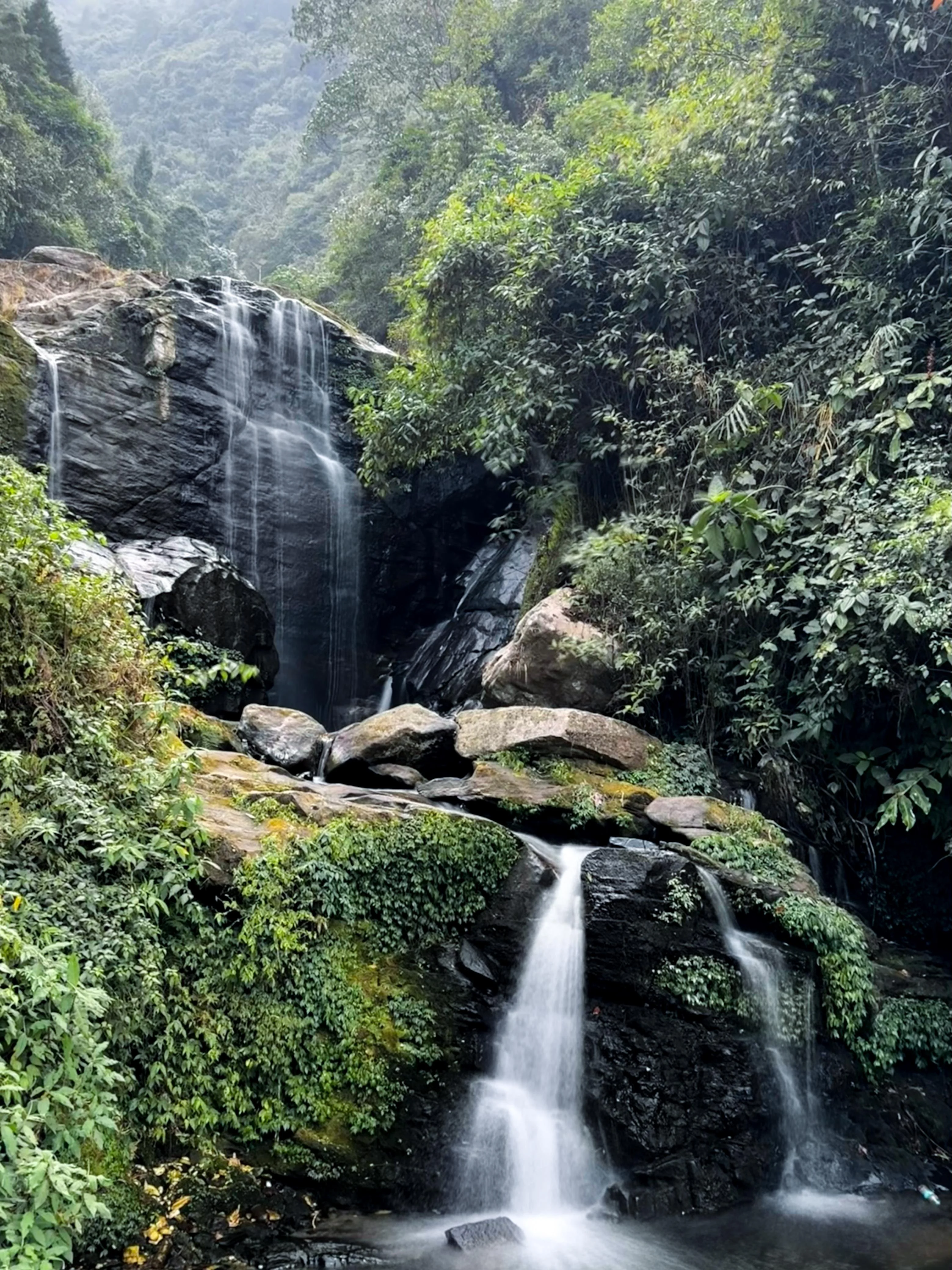
- Rock Garden (Barbotey Rock Garden) and Ganga Maya Park: These terraced gardens feature cascades, seating areas, and flowerbeds, offering a lovely, peaceful retreat in the lower parts of the hill station.
4. The Town Centre and Shopping
- Chowrasta (The Mall): The central public square and promenade of Darjeeling. It is the social and commercial heart of the town, perfect for a leisurely evening stroll, horse riding, or simply enjoying a cup of authentic Darjeeling tea. This is the best place for shopping in Darjeeling for woollens, local handicrafts, and tea.

- Tibetan Refugee Self-Help Centre: Established in 1959, this center is run by Tibetan refugees and is dedicated to preserving their traditions. Visitors can purchase high-quality hand-woven carpets, woollen crafts, and leatherwork, supporting the community directly.
Beyond Darjeeling Town – Offbeat Destinations
For travellers with an extended itinerary, several charming small settlements near Darjeeling offer peaceful getaways and intense nature experiences.
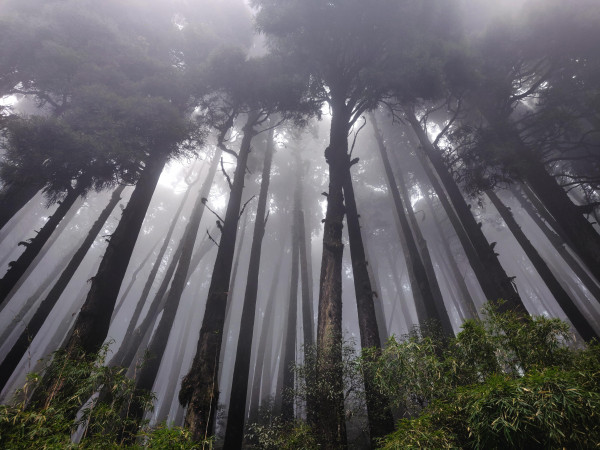
- Lepchajagat: A tranquil hamlet known for its dense forests of pine, rhododendron, and oak, offering fantastic, quiet views of Kanchenjunga ideal for those searching for offbeat homestays near Darjeeling.
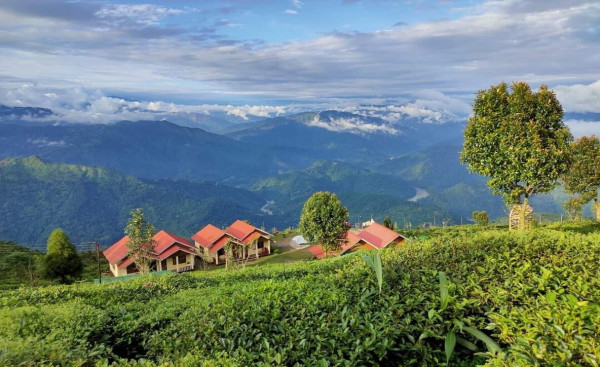
- Mirik: Located about 50 km away, Mirik is famous for its serene Sumendu Lake surrounded by a beautiful garden and pine trees, perfect for a day trip.
- Kalimpong: A larger, less crowded hill station about two hours away, known for its flower nurseries, Buddhist monasteries, and the Deolo Hill viewpoint. Often included in Darjeeling-Kalimpong tour packages.
Top Things to Do & Activities in Darjeeling
Discover a world of unforgettable experiences and top activities at this destination! Whether you’re seeking adventure, cultural immersion, relaxation, or family fun, find the best things to do—from sightseeing and outdoor adventures to culinary delights, spiritual journeys, and local events. Enjoy every moment and make your trip truly memorable!