Discover Amazing Kheeganga
The Kheerganga Trek distance offers a scenic Himalayan route ideal for beginners and adventure seekers. Learn about the trail, route highlights, and tips to plan your perfect trekking experience.
About This Destination
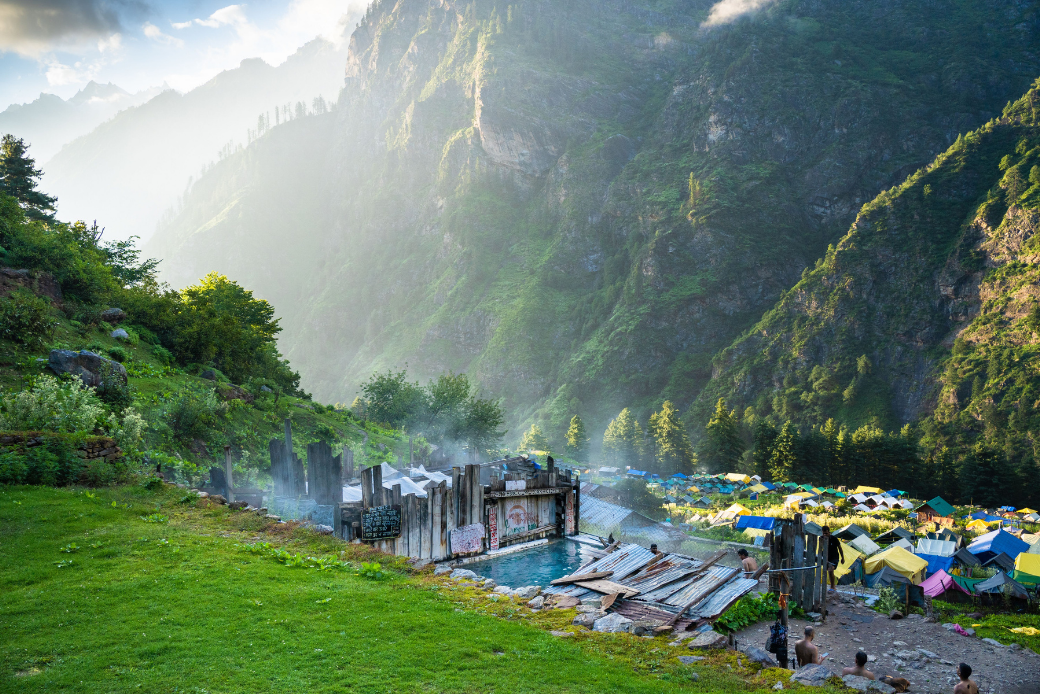
Kheerganga isn't just a destination; it's the reward. After hours of climbing through the emerald green forests of the Parvati Valley, you step out onto a high-altitude meadow and are instantly confronted with two glorious sights: the snow-capped Himalayan peaks towering all around you, and a therapeutic natural hot spring.
The name itself, Kheerganga, literally translates to "Milky Ganga," stemming from a local legend that Goddess Parvati once created rice pudding (Kheer) here, making the water milky white for her son, Kartikeya. While the water is crystal clear now, the myth perfectly captures the place's magical, nurturing energy.
This trek is the perfect blend of adventure and relaxation. It's challenging enough to make you feel like you've truly earned the view, but not so strenuous that it deters beginners. For me, the moment you shed your heavy backpack and sink into that sulfurous warm water, with the cold mountain air on your face, is one of the most sublime feelings the Himalayas can offer. This is the heart of the Parvati Valley experience.
How To Reach Kheerganga
The Kheerganga trek begins from the small village of Barshaini (or Barsheni), which is the road-head for several important Parvati Valley destinations like Tosh and Kalga.
By Air
- Nearest Airport: The nearest major airport is Kullu-Manali Airport in Bhuntar (KUU), approximately 40-50 km from Barshaini.
- Bhuntar to Barshaini: From Bhuntar, you can easily hire a pre-paid taxi or take a local bus. Buses are frequent and very cheap, connecting Bhuntar to Barshaini via Kasol and Manikaran. The road journey from Bhuntar to Barshaini takes about 2 to 3 hours, depending on traffic and road conditions.
By Road (The Bus Journey)
- Delhi to Bhuntar/Kasol: The most common way to start is by taking an overnight Volvo or HRTC (state-run) bus from Delhi (ISBT Kashmiri Gate) to Bhuntar or Kasol. The journey takes around 12–15 hours.
- Kasol to Barshaini: Kasol serves as the central tourist hub of the valley. From Kasol, frequent shared taxis (cabs) or local buses are available to Barshaini, a journey of approximately 16 km, which takes around 45 minutes to an hour.
The Trek Details: Distance and Routes
The Kheerganga trek is famous for its multiple, slightly varied, and scenic routes, all leading to the same glorious hot springs.
The Kheerganga Trek Distance
The trekking distance from Barshaini to Kheerganga is generally cited as 12 to 13 km one way, depending on the route you choose.
- Trek Duration: It typically takes 4 to 6 hours to complete the ascent, depending heavily on your fitness level and how often you stop to soak in the incredible scenery.
- Difficulty Level: The trek is strenuous for first-time trekkers or those without moderate fitness. considered Easy to Moderate. The path is well-marked and popular, with plenty of rest points, but it involves a continuous, sometimes steep, ascent that can be
The Three Main Routes from Barshaini
- Via Nakthan Village (The Quickest):
- Route: Cross the Barshaini bridge and take the left turn. This is the most popular route and the one with the most shops and dhabas (eateries).
- Landmark: You'll pass through the traditional village of Nakthan and then reach the Rudra-Nag waterfall, a striking cascade where the water flows in a shape resembling a serpent.
- Via Kalga Village (The Scenic Forest Trail):
- Route: From the Barshaini bridge, take the path going right, which leads you to the picturesque village of Kalga.
- Vibe: This route is slightly longer and passes through denser forests, making it feel more secluded and adventurous. It is less steep in the initial stages but can be trickier to navigate, though the routes eventually merge after the halfway point.
- Via Tosh Village:
- Route: Some trekkers choose to stay in the highly popular village of Tosh and start their trek from there, which is a different route altogether but eventually merges with the main Barshaini/Nakthan trail near the top. This route adds an extra 3-4 km to the total kheerganga trek distance.
My Recommendation: Trek up via the Nakthan/Rudra-Nag route (it’s well-marked and safer) and, if you have time and feel adventurous, return via the Kalga side to experience the quieter forest environment.
Best Time To Visit Kheerganga
Choosing the right time for your trek is essential for a comfortable and safe experience.
Ideal Trekking Season: April to June & September to October
- Spring/Early Summer (April–June): The weather is pleasant, with daytime temperatures ranging comfortably from 15°C to 25°C. The path is clear, the snow has melted, and the valley is vibrant green. This is the peak time.
- Autumn (September–October): Post-monsoon, the skies are generally crystal clear, offering the most spectacular views of the Himalayan peaks. The weather is cool and crisp perfect for hiking.
Winter (November to March)
- What to Expect: Extremely cold. Snowfall starts in November/December, and the trail can be entirely covered in deep snow from January to March.
- Warning: While stunning, the trek becomes much more difficult and potentially dangerous during heavy snow. Most temporary accommodations at the top may shut down, and the hot springs themselves might be difficult to access due to freezing temperatures. This is only recommended for experienced trekkers who are well-equipped.
Monsoon (July to August)
- Warning: Heavy rainfall makes the trekking path very slippery, muddy, and prone to landslides. While the valley is lush, it's generally advised to avoid trekking during peak monsoon months for safety reasons.
Things to Do at the Kheerganga
Reaching Kheerganga is just the first half of the adventure. The real joy lies in the time you spend at the summit (altitude around 2,960 meters or 9,700 feet).
Soak in the Hot Springs (The Highlight):
-
- The legendary natural hot water kunds (pools) are the primary draw. After a long trek, there is simply no better feeling than sinking into the naturally heated water, believed to have medicinal properties due to its sulfur content, while gazing at the mighty mountains. Separate bathing areas are usually designated for men and women.
Visit the Lord Shiva Temple:
-
- Located near the hot springs, this small temple is dedicated to Lord Shiva and Kartikeya, reinforcing the spiritual significance of the site. It’s a place for quiet reflection and paying respects to the mountain deity.
Stargazing and Camping:
-
- Due to the lack of light pollution, Kheerganga offers some of the best night skies you’ll ever witness. Overnight stays are typically in small guesthouses or rental tents, allowing you to experience the magic of the Himalayas under a blanket of a billion stars.
Hike to the Viewpoints:
-
- Take a short, gentle hike along the ridge above the campsite in the early morning for a spectacular sunrise view over the Pin Parvati Pass range. The soft golden light on the snow peaks is unforgettable.
Dhaba Culture:
-
- Enjoy simple but delicious meals Maggi, parathas, dal chawal, and hot chai at the small, rustic cafes and dhabas that have sprung up near the campsite. These spots often serve as cozy gathering places for fellow trekkers.
Top Things to Do & Activities in Kheeganga
Discover a world of unforgettable experiences and top activities at this destination! Whether you’re seeking adventure, cultural immersion, relaxation, or family fun, find the best things to do—from sightseeing and outdoor adventures to culinary delights, spiritual journeys, and local events. Enjoy every moment and make your trip truly memorable!