Discover Amazing Varkala
Experience Varkala's stunning red cliffs, pristine beaches, ancient temples, and serene Ayurvedic wellness retreats along Kerala's breathtaking coastline. A perfect blend of natural beauty, spirituality, and relaxation awaits at this coastal paradise.
About This Destination
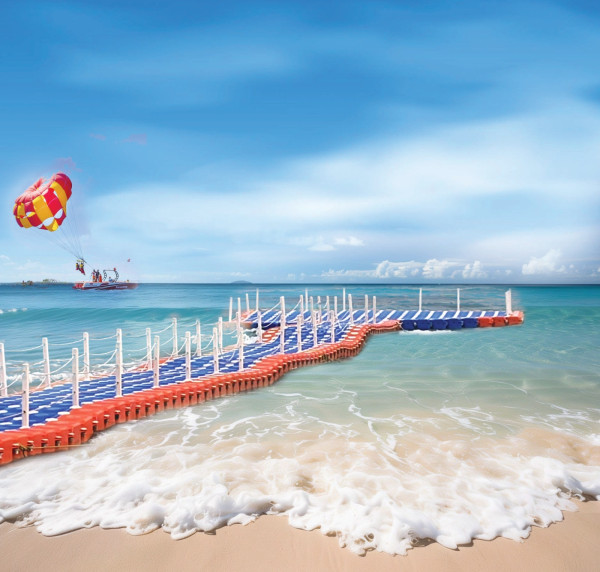
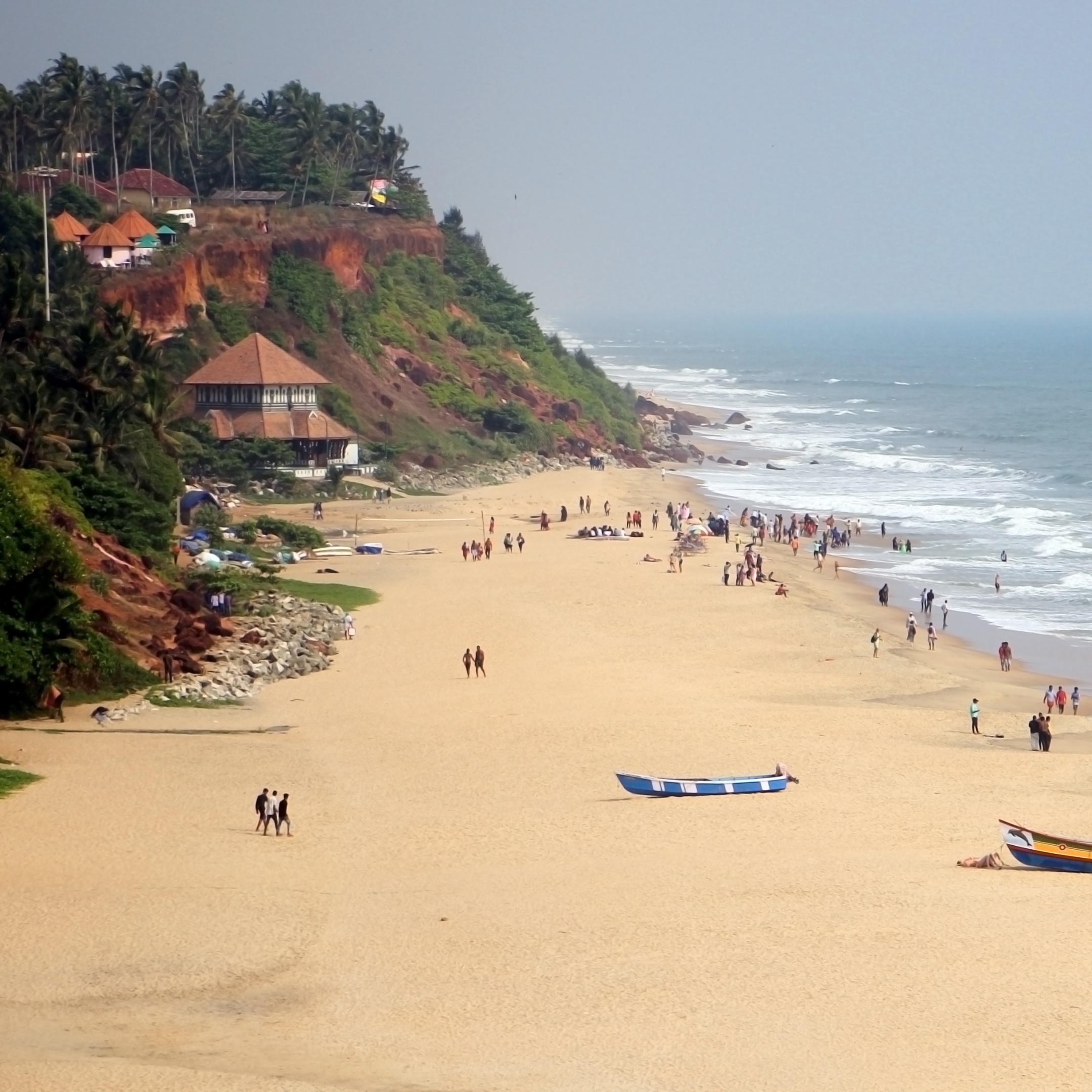
Kerala Tour Package: There are coastal towns, and then there is Varkala. This place defies the typical flat, sandy Kerala beach stereotype. Imagine a dramatic, 100-foot-tall red laterite cliff face plunging straight down to the Arabian Sea this is the backdrop to every moment you spend here. Varkala is equal parts spiritual retreat, bohemian paradise, and geological marvel.
It’s where you can start your day with a yoga class overlooking the ocean, spend the afternoon swimming in the purportedly 'sin-washing' waters of the Papanasam Beach, and end it with a spectacular seafood dinner as the sun melts into the sea, all without leaving the cliff path. This unique geography creates a laid-back, almost Mediterranean atmosphere that feels distinct from the rest of South India.
As your personal guide to this coastal gem, let’s explore how to get there, when to time your visit, and the absolute must-do experiences that make Varkala so utterly captivating.
Logistics: Reaching the Red Cliffs
Varkala is located in the southern part of Kerala, in the Thiruvananthapuram (Trivandrum) district, making it highly accessible yet retaining its secluded charm.
How to Reach Varkala
By Air (The Closest Hub):
-
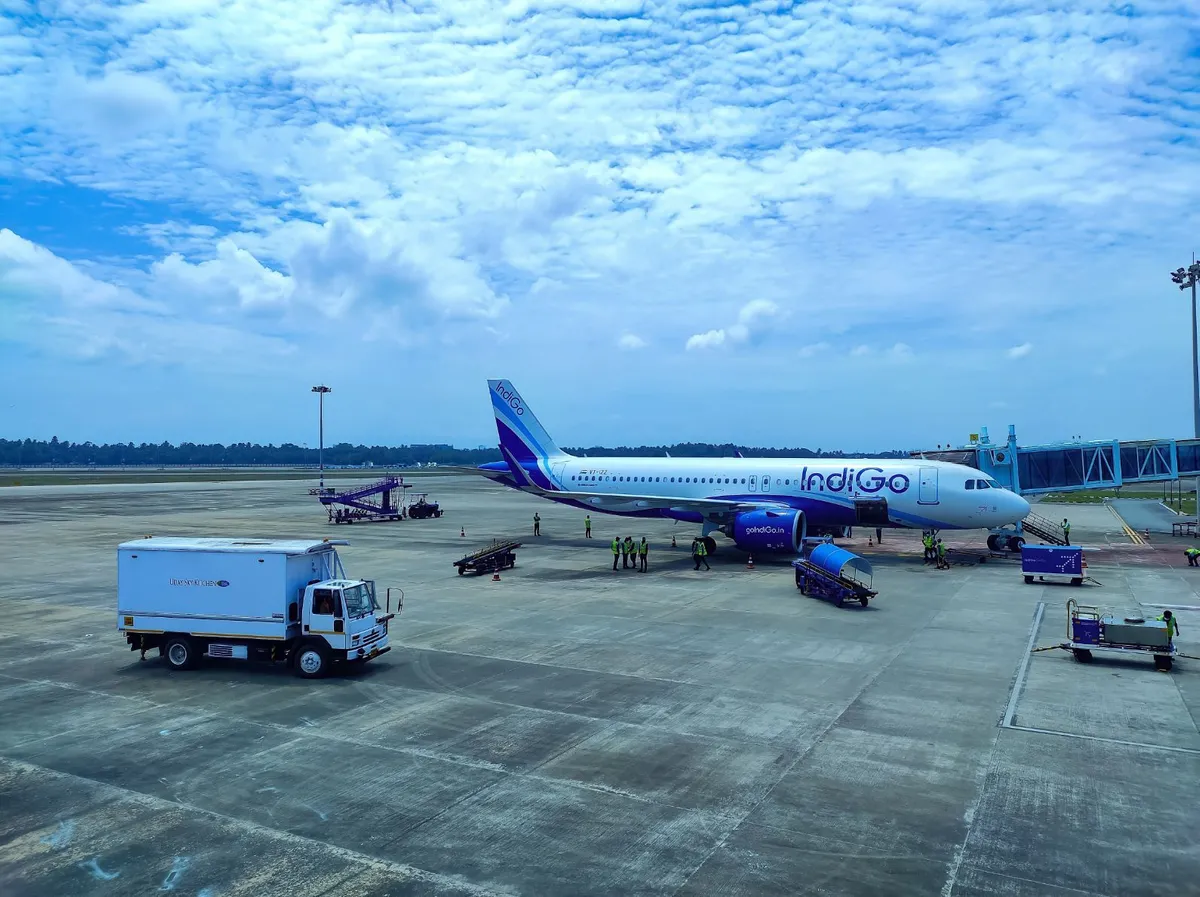
- The nearest airport is Trivandrum International Airport (TRV).
-
- Varkala is approximately 40–55 km away from TRV. The drive takes around 1.5 to 2 hours, depending on traffic. Taxis (pre-paid or online app-based) are readily available for a hassle-free transfer.
By Train (The Most Convenient):
-
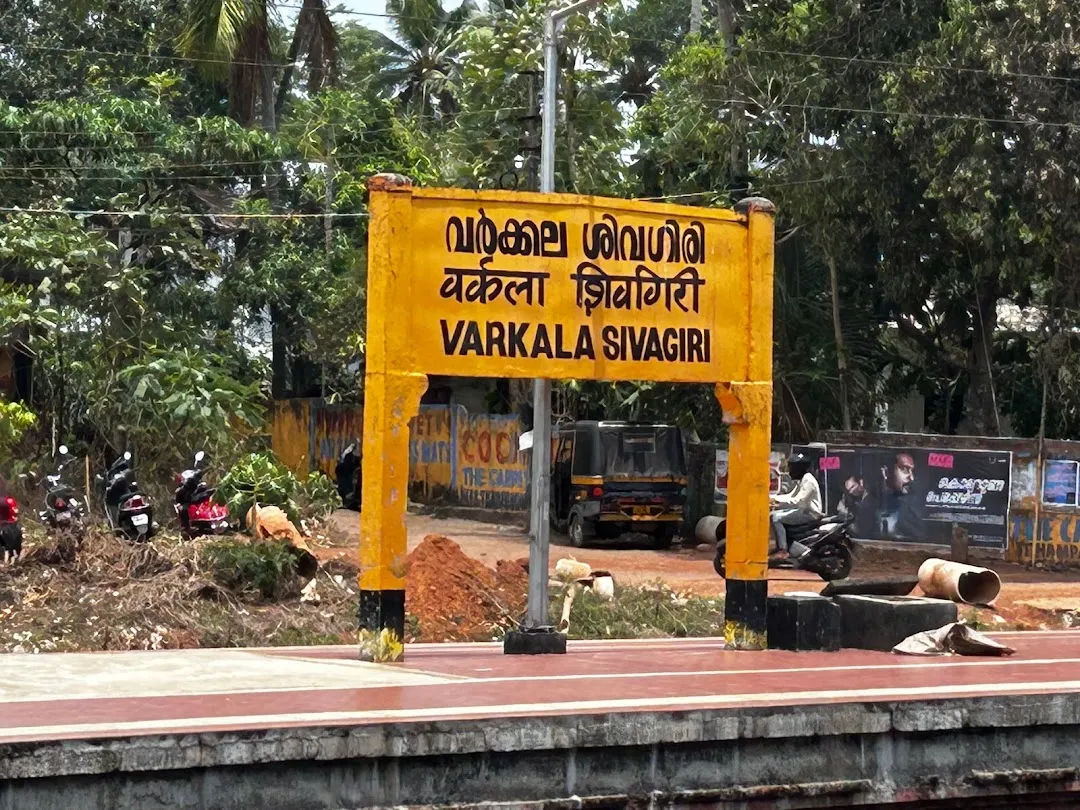
- Varkala has its own railway station: Varkala Sivagiri Railway Station (VAK).
-
- This station is excellently connected, with frequent express and local trains running from major Kerala cities like Kochi (Ernakulam), Kollam, and the state capital, Trivandrum.
- Tip: The railway station is just a short 10-15 minute auto-rickshaw ride from the North Cliff area, which is the heart of the tourist activity.
By Road:
-
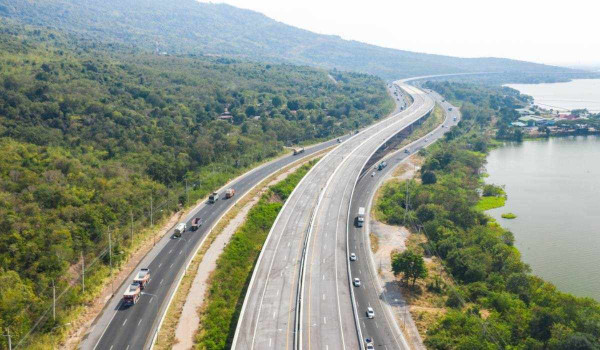
- Varkala is well-connected by NH66. State-run (KSRTC) and private buses operate regularly from surrounding towns. However, for sheer comfort and ease, taking the train or a taxi is generally preferred.
Timing Your Visit: The Sun, the Rain, and the Crowd
The climate in Varkala, like the rest of coastal Kerala, is tropical. Your timing should align with your priorities: beach time or solitude.
The Best Time to Visit: Peak Season (October to March)
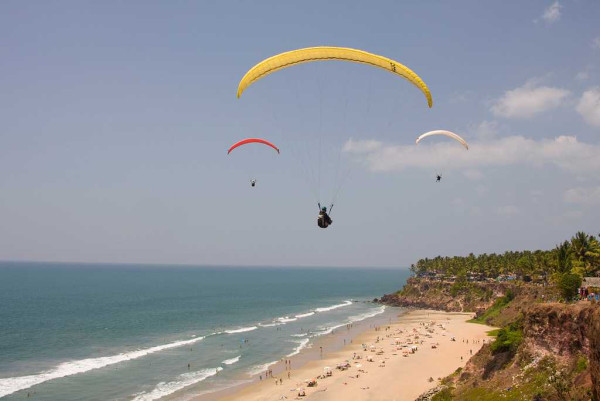
This is the sweet spot for perfect beach weather and activity.
- What to Expect: Dry, pleasant days with clear skies. Temperatures range from 21°C to 32°C. The humidity is lower, making long walks and sunbathing enjoyable.
- Activity Focus: This is prime time for water sports (paragliding, surfing), yoga/wellness retreats, and evening cliffside dining. Be warned: this is the busiest time, so book accommodation well in advance, especially for December and January.
Monsoon (June to September)
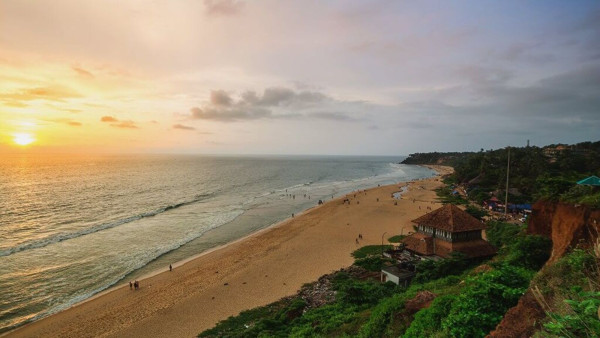
- What to Expect: Heavy, frequent rainfall and lush, rain-washed greenery. The cliffs look dramatic with rainwater streams running down.
- Why Visit? Ayurveda and Solitude. The monsoon season is traditionally considered the best time for deep Ayurvedic treatments due to the climate. It’s also the quietest season, offering huge discounts on resorts and a genuinely serene atmosphere for reading and introspection. Beach activity, however, will be severely limited.
Shoulder Season (April and May)
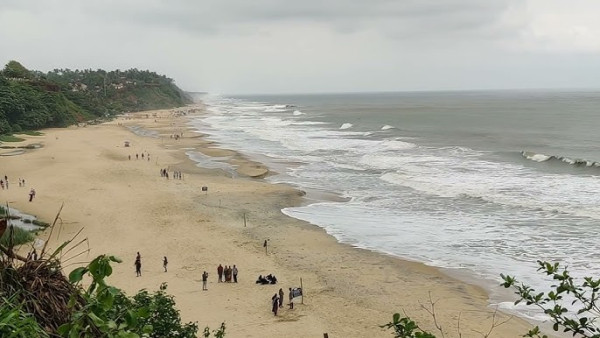
- What to Expect: Hot and humid weather, with temperatures starting to climb, sometimes reaching over 35°C.
- Why Visit? If you don't mind the heat, this offers a balance: fewer crowds than peak season, lower prices, and all major attractions and restaurants remain open. Stick to the shade midday and enjoy the beautiful sunrises and sunsets.
Things to Do in Varkala
Varkala's magic is concentrated on the North Cliff, a long stretch of paved walkway lined with resorts, cafes, yoga studios, and shops, all overlooking the main beach.
The Varkala Cliff Walk and Cafe Hopping (The Essential Vibe)
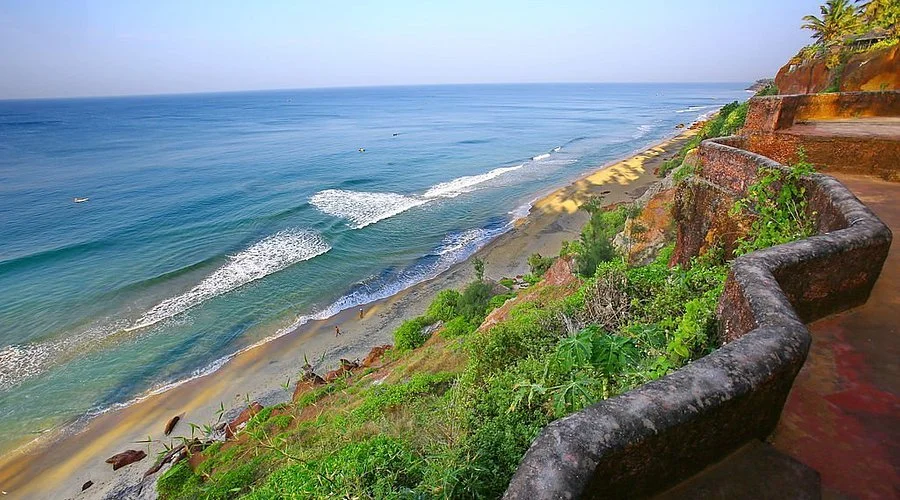
- Experience: This is the social and scenic heart of Varkala. Spend hours strolling the cliff path, browsing the Tibetan and Kashmiri stalls selling jewelry, clothing, and handicrafts.
- Must-Do: Find a spot at a cliffside café (like the renowned Darjeeling Cafe or Clafouti) just before sunset. Order a fresh seafood platter often, you can pick your fish or prawn directly from the ice and watch the sky explode in colour as the sun dips below the horizon. The cliff is famous for its chill, bohemian nightlife with acoustic music and soft lighting.
Papanasam Beach: The Holy Dip
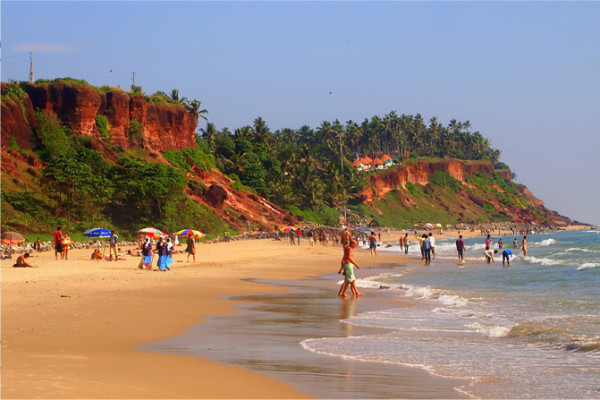
- Significance: Also known as Varkala Beach, Papanasam literally translates to 'destruction of sins.' It is a deeply sacred place for Hindus who believe a dip in these waters washes away sins. It is also an important site for pitrkarma (rituals for ancestors).
- Experience: The beach is located right at the foot of the cliff (accessible by steps). It’s perfect for sunbathing, swimming (though be mindful of the currents, especially near the main prayer area), and watching the local fishermen and pilgrims.
Spiritual and Wellness Immersion
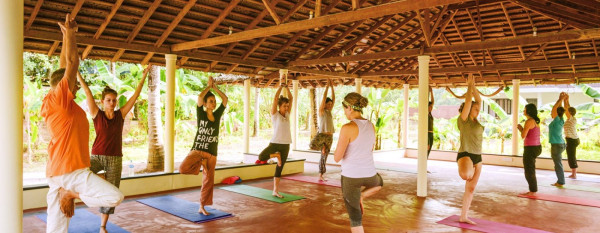
- Yoga and Meditation: Varkala is one of India's foremost wellness hubs. Drop-in yoga classes, intensive week-long courses, and meditation sessions are abundant, often held in studios overlooking the sea. Morning yoga on the cliff is a quintessential Varkala experience.
- Ayurveda: You will find countless centres offering traditional Ayurvedic massages (Abhyanga) and consultations for full Panchakarma detoxification treatments. Ensure you choose a reputable, established centre for quality care.
Coastal Exploration and Water Sports
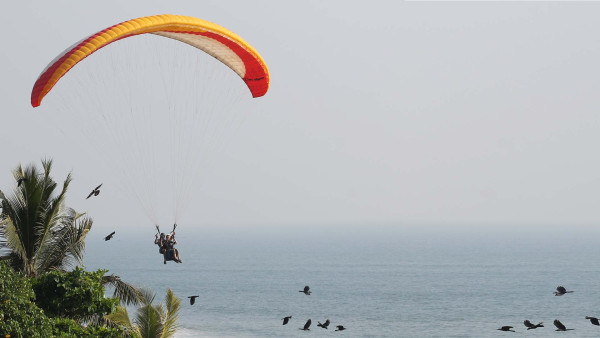
- Paragliding: For the adrenaline junkies, Varkala offers one of the most scenic paragliding launch spots in India, taking off directly from the cliff and offering a stunning aerial view of the coastline.
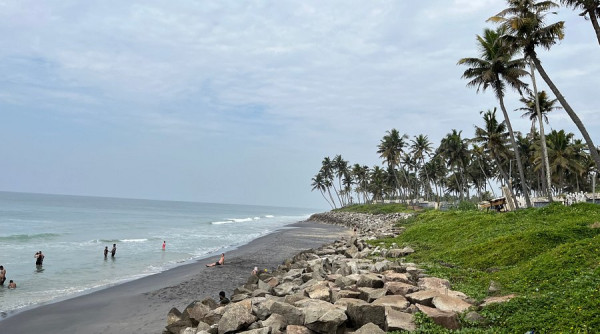
- Black Sand Beach (Thiruvambadi): Just north of the main cliff, this smaller, quieter beach is known for its unique black sand, created by heavy mineral deposits. It's perfect for a secluded morning walk.
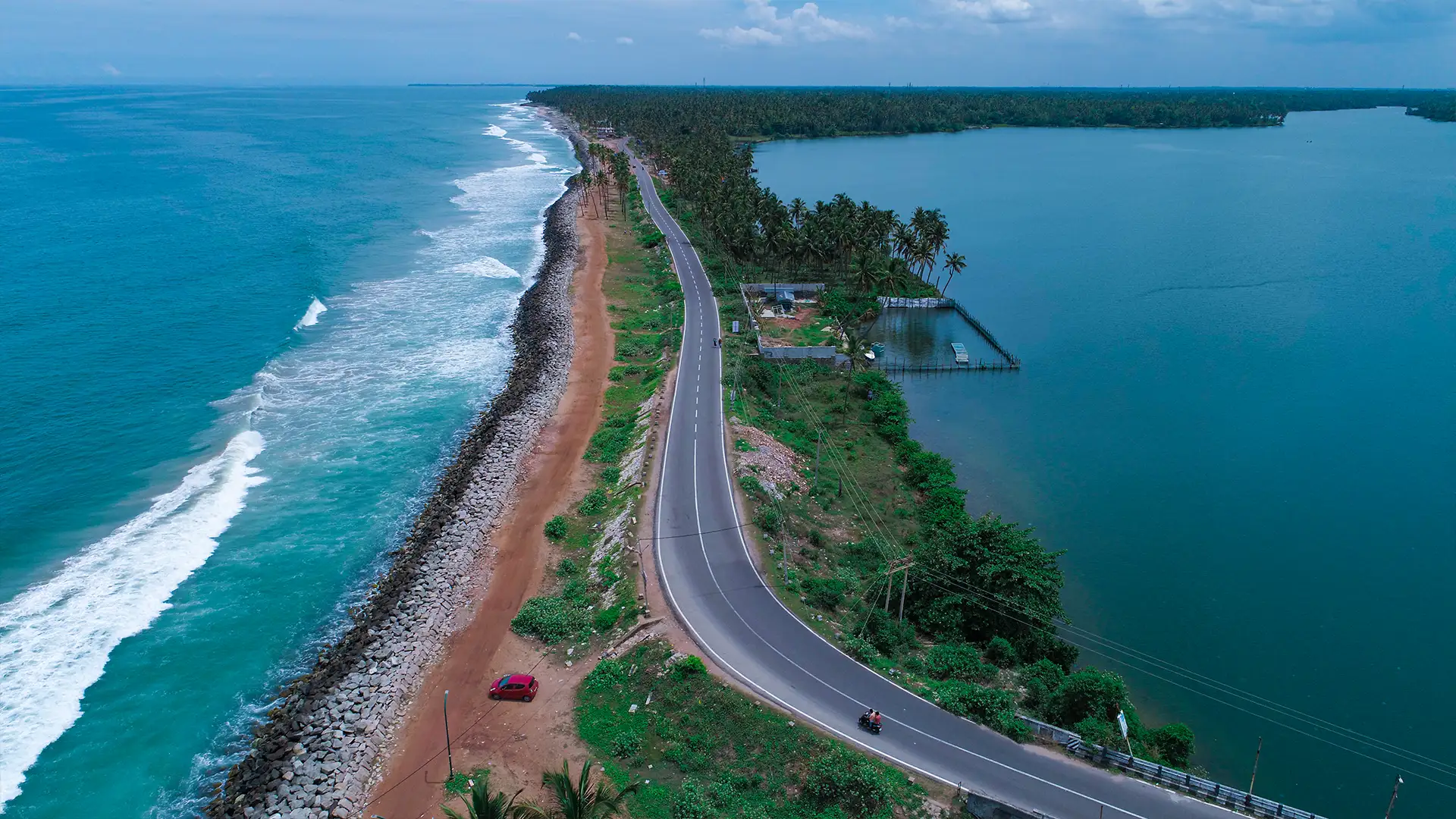
- Kappil Beach and Backwaters: Head 7 km north for a truly beautiful sight where the Kappil Lake meets the Arabian Sea. You can cross the scenic bridge, take a boat ride through the tranquil backwaters surrounded by coconut groves, or simply relax on the quiet beach where the estuary opens.
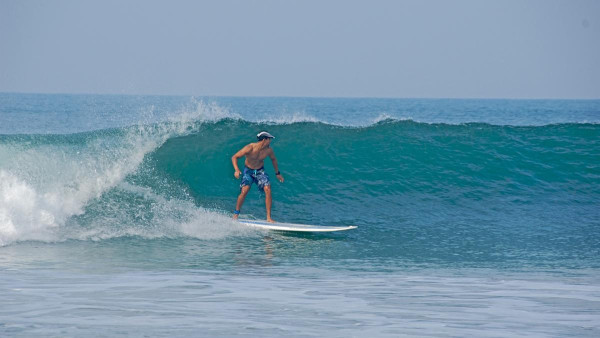
- Surfing: The waves here are often excellent for beginner to intermediate surfers. Surf schools offer board rentals and lessons near the main beaches.
Historical and Religious Sites
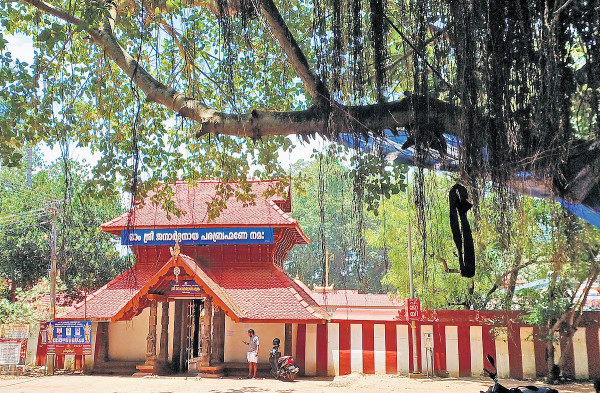
- Janardhana Swamy Temple: Located near Papanasam Beach, this 2,000-year-old temple is a major Vaishnavite shrine, often called 'Dakshin Kashi' (Benares of the South). The temple’s architecture and rituals offer a profound cultural contrast to the bohemian cliff. (Note: Non-Hindus may not be permitted inside the inner sanctum).
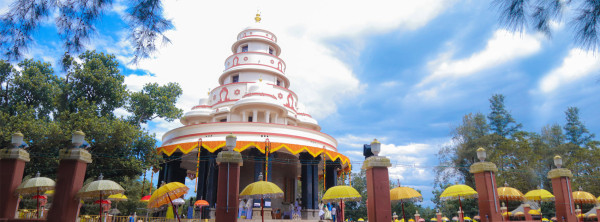
- Sivagiri Mutt: Just 5 km inland, this is the final resting place (Samadhi) of Sree Narayana Guru, Kerala's most revered social reformer and spiritual leader. The ashram is a major pilgrimage center, particularly during the Sivagiri Pilgrimage in December/January.
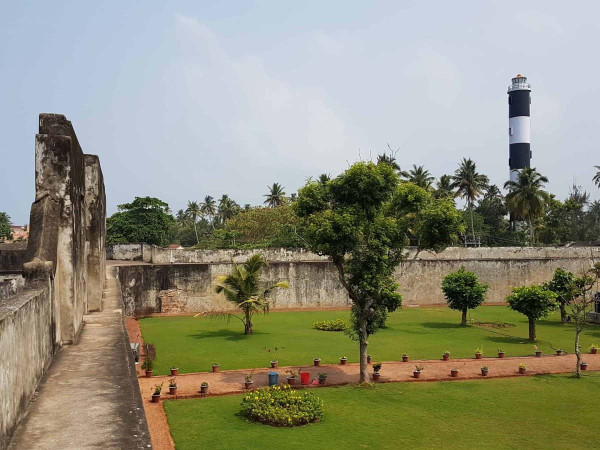
- Anjengo Fort and Lighthouse: Located south of Varkala, this 17th-century fort was one of the earliest British East India Company settlements in Kerala. Climb the adjacent lighthouse for incredible coastal views and explore the historic ruins.
Frequently Asked Questions
- What is Varkala famous for? Varkala is famous for its cliffside beaches, spirituality, and laid-back vibe.
- Which airport is nearest to Varkala? Trivandrum International Airport is the nearest, about 45 km away.
- What is the best time to visit? October to March offers pleasant weather for sightseeing.
- Is Varkala good for honeymooners? Yes, the peaceful beaches and cozy cliff resorts make it perfect for couples.
- Can I swim at Varkala Beach? Yes, but always follow lifeguard instructions for safety.
- Are Ayurvedic treatments available? Yes, Varkala has many authentic Ayurvedic centers offering rejuvenating therapies.
- How many days are ideal for Varkala? 2–3 days are enough to explore the beach, cliff, and nearby attractions.
- Is Varkala safe for solo travelers? Absolutely, it’s known for being a friendly and safe destination.
- What are popular places to eat? Café del Mar, Darjeeling Café, and Clafouti are popular cliffside eateries.
Top Things to Do & Activities in Varkala
Discover a world of unforgettable experiences and top activities at this destination! Whether you’re seeking adventure, cultural immersion, relaxation, or family fun, find the best things to do—from sightseeing and outdoor adventures to culinary delights, spiritual journeys, and local events. Enjoy every moment and make your trip truly memorable!