Discover Amazing Meghalaya
Explore Meghalaya, the "Abode of Clouds" with living root bridges, crystal-clear rivers, and lush landscapes. Discover Cherrapunji's waterfalls, Shillong's charm, and unique Khasi culture. Experience cave explorations, trekking adventures, and Scotland-like scenery in this northeastern paradise.
About This Destination
Meghalaya, the "Abode of Clouds," is the jewel of Northeast India a land where the monsoon reigns supreme, sculpting landscapes of unparalleled beauty, from the deepest gorges to the crystal-clear rivers. It is a destination defined not just by its breathtaking waterfalls and ancient caves, but by its distinct matrilineal Khasi, Jaintia, and Garo societies and a profound, community-led commitment to sustainable eco-tourism.
Unlike hurried mountain escapes, a trip to Meghalaya is a patient journey into the interconnectedness of culture and nature. It is here that one encounters the Living Root Bridges (Jingkieng Diengjri), a powerful testament to bio-engineering that encapsulates the state’s philosophy of living with nature, not against it. This guide uncovers the fresh energy of Meghalaya's rapidly developing tourism scene, focusing on its deep cultural roots and exhilarating adventure potential.
Overview: The Land of Three Peoples
Meghalaya is geologically unique, being a part of the ancient Deccan Plateau separated from the main Indian peninsula. It is essentially a high plateau rising dramatically from the plains of Bangladesh to the south. The state is divided into three distinct geographical and cultural sections, mirroring its primary tribes:
- The Khasi Hills (Central): Home to the Khasi people, this area includes the capital Shillong and the regions of Cherrapunjee (Sohra) and Mawsynram, famously the wettest places on Earth. This is the highest part of the state.
- The Jaintia Hills (Eastern): Home to the Jaintia people, this region is known for its mystical waterfalls (Krang Suri), extensive cave systems, and a vibrant cultural heritage centered around Jowai.
- The Garo Hills (Western): Home to the Garo people, this region is characterized by lower hills and warmer temperatures, bordering Bangladesh. It is a hub for wildlife, including the Nokrek National Park and the stunning river gorge of Wari Chora.
The Administrative Framework: Meghalaya’s Districts
Meghalaya is composed of twelve administrative districts, which are typically grouped based on the three major hill divisions:
- East Khasi Hills (Shillong)
- West Khasi Hills (Nongstoin)
- South West Khasi Hills (Mawkyrwat)
- Eastern West Khasi Hills (Mairang)
- East Jaintia Hills (Khliehriat)
- West Jaintia Hills (Jowai)
- Ri Bhoi (Nongpoh)
- East Garo Hills (Williamnagar)
- West Garo Hills (Tura)
- South Garo Hills (Baghmara)
- North Garo Hills (Resubelpara)
- South West Garo Hills (Ampati)
The Meghalaya Mountains: Peaks of the Plateau
Meghalaya’s mountains are not part of the main Himalayan chain but form the ancient Shillong Plateau.
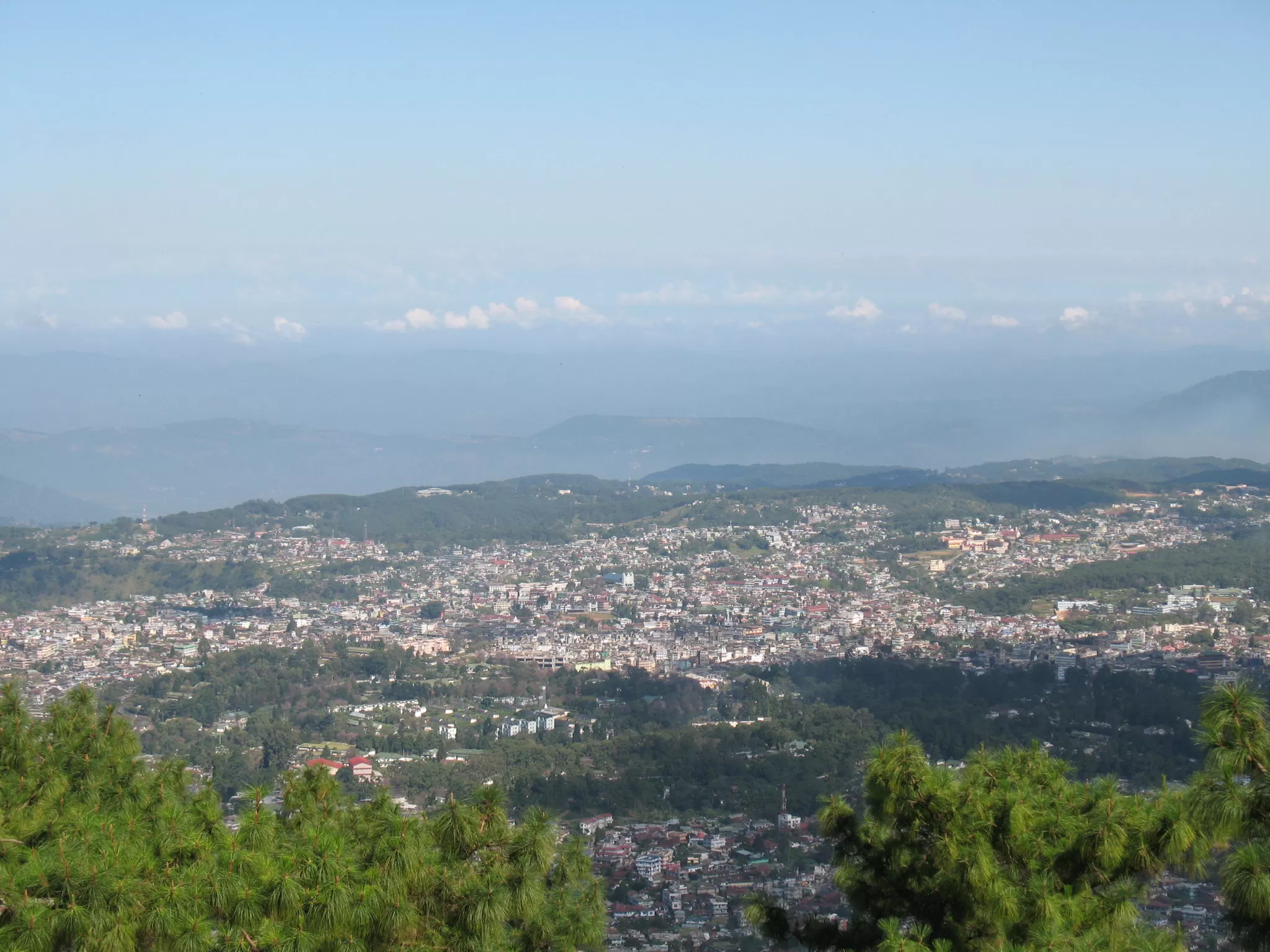
- Shillong Peak: This is the highest point in Meghalaya, standing at 1,965 meters (6,449 feet) in the East Khasi Hills. It offers a commanding panoramic view of the capital city and the surrounding valleys.
- Nokrek Peak: The second-highest peak, located in the West Garo Hills at 1,412 meters (4,632 feet). It is the heart of the Nokrek National Park, a UNESCO Biosphere Reserve famous for its populations of red panda and various citrus species.
Trekking into the Living Heritage
Meghalaya is a hiker’s paradise, where trails lead to natural wonders and, crucially, to the engineering marvels built by the indigenous Khasi people. Recent government initiatives have focused on mapping and developing over 30 new trekking trails, guided by local youth, enhancing safety and authenticity.
The Living Root Bridges: Bio-Engineering Marvels
These bridges, woven and trained over decades from the aerial roots of the Ficus elastica (Indian rubber tree), are the ultimate symbol of Khasi indigenous knowledge.
- Double Decker Root Bridge (Nongriat): The most famous trek, involving descending over 3,000 steps into the valley. This challenging, highly rewarding trek through dense jungle and across clear streams is a must for adventure tourism.
- Less-Known Routes: Explore quieter bridges near villages like Riwai (near Mawlynnong) or treks in the Pynursla region that access smaller, equally beautiful root bridges, perfect for offbeat trekking meghalaya.
The Canyon and Bamboo Ladder Trek
- Laitlum Canyon: Meaning "The End of Hills," this canyon offers spectacular cliffside views. The descent to the bottom of the valley is a dramatic, challenging hike, famed for its breathtaking views, making it ideal for offbeat photography tours.
- Mawryngkhang Bamboo Trek: Located in the East Khasi Hills, this is described as one of India's most thrilling treks. It involves walking along a dizzying path of bamboo scaffolding attached to the vertical cliff face over the Umrew River, providing an intense dose of high-altitude adventure tourism.
Historical Trails and Sacred Forests
- David Scott Trail (Mawphlang): A famous historical trekking route spanning nearly 16 kilometers, named after the British officer who pioneered it as a trade route. It is a stunning walk through rolling hills and forests near the ancient Mawphlang Sacred Grove, offering a mix of history and Himalayan nature walks.
Water, Caves, and Community: Activities & Offbeat Gems
Meghalaya is famous for its hydrological wonders its clean rivers, massive waterfalls, and deep cave systems, all sustained by the heaviest rainfall on Earth.
The Cleanest Rivers and Hidden Waterfalls
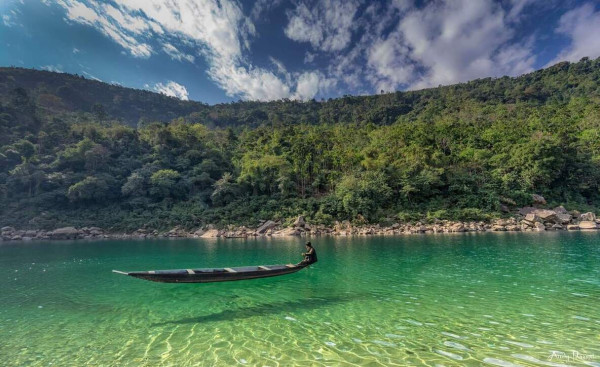
- Dawki & Umngot River: Located in the Jaintia Hills near the Bangladesh border, the Umngot River at Dawki is legendary for its crystal-clear water, where boats appear to float in the air. This spot is now a hub for kayaking and boating activities.
- Krang Suri Falls (Jowai): An incredibly picturesque waterfall in the West Jaintia Hills known for its astonishingly azure blue pool at the base a geological marvel and a favourite for swimming and photography.
- Wari Chora (South Garo Hills): A newly emerging destination, this area is known for its spectacular river canyon surrounded by dense jungle, offering a serene river streamside experience and deep solitude travel.
The Subterranean World: Caving (Spelunking)
Meghalaya holds some of the longest and deepest cave systems in the world, formed in its limestone and sandstone geology.
- Krem Liat Prah: Reputed to be the longest cave in India (over 34 km), located in the Jaintia Hills.
- Mawsmai Cave (Sohra): The most accessible cave for tourists, featuring impressive stalactite and stalagmite formations. Exploring these subterranean worlds offers a unique and thrilling perspective on the state's geology.
Community-Led Offbeat Villages
The state is leading a successful Homestay Mission, providing subsidies to locals to develop quality, community-run accommodations, enhancing the authentic travel experience.
- Kongthong (The Whistling Village): A remarkable village where residents communicate through unique whistling tunes (Jingrwai Iawbei) instead of names a powerful symbol of indigenous mountain culture and connection to nature.
- Mawlynnong: Famed as "Asia's Cleanest Village," this community-led model of cleanliness and eco-tourism offers simple yet meaningful village life and delicious Khasi regional food.
How to Reach Meghalaya
Meghalaya’s connectivity relies heavily on its neighbour, Assam, making the road journey from Guwahati a classic North East India travel experience.
- By Air: The most common approach is flying into Lokpriya Gopinath Bordoloi International Airport (GAU) in Guwahati, Assam, which has excellent domestic connectivity. From GAU, Shillong is a scenic 3–4 hour drive (about 120 km) via NH6, easily done by prepaid taxi, shared cab, or MTC bus. The local Shillong Airport (Umroi) has limited connectivity, usually only from Kolkata.
- By Rail: Meghalaya has no railway lines. The nearest major railway station is Guwahati (GHY), which is well-connected across India. From GHY, the journey to Shillong is completed by road.
- By Road: The Guwahati-Shillong route (NH6) is well-maintained and provides a smooth entry into the state. Once inside, travel is primarily by private/shared taxi (Tata Sumos are ubiquitous) or state-run buses between districts.
Best Time to Visit Meghalaya
Choosing the right time depends entirely on whether you prioritize waterfalls at their peak or clear skies for trekking.
- The Golden Window (October to March): This is generally considered the best time to visit. Post-monsoon, the sky is clear, offering maximum visibility for panoramic views at Laitlum and Shillong Peak. The weather is cool and dry (average 4°C to 16°C), ideal for trekking to root bridges and exploring caves.
- The Peak Waterfalls (June to September - Monsoon): Meghalaya receives heavy, torrential rainfall during this time, but the reward is seeing the waterfalls (Nohkalikai, Seven Sisters) at their most majestic and powerful. The landscapes are a breathtaking, vivid green. This season is only recommended for travelers who embrace rain and mud and seek the ultimate waterfall hopping experience. Trekking is difficult due to slippery trails.
- The Pleasant Transition (April to May - Summer): The weather is pleasant and mild (average 15°C to 25°C), great for sightseeing and outdoor activities before the heavy rains begin.

Top Things to Do & Activities in Meghalaya
Discover a world of unforgettable experiences and top activities at this destination! Whether you’re seeking adventure, cultural immersion, relaxation, or family fun, find the best things to do—from sightseeing and outdoor adventures to culinary delights, spiritual journeys, and local events. Enjoy every moment and make your trip truly memorable!
Popular City in Meghalaya
Explore our selection of popular packages in Meghalaya. Whether you're looking for a relaxing getaway, a family-friendly trip, or a solo adventure, we have the perfect package for you. Book now and experience the best of Meghalaya like never before!