Discover Amazing Shilong
Shillong, the ‘Scotland of the East,’ offers scenic lakes, waterfalls, canyons, viewpoints, and local culture. Top attractions include Umiam Lake, Elephant Falls, Shillong Peak, Laitlum Canyons, and Ward’s Lake.
About This Destination
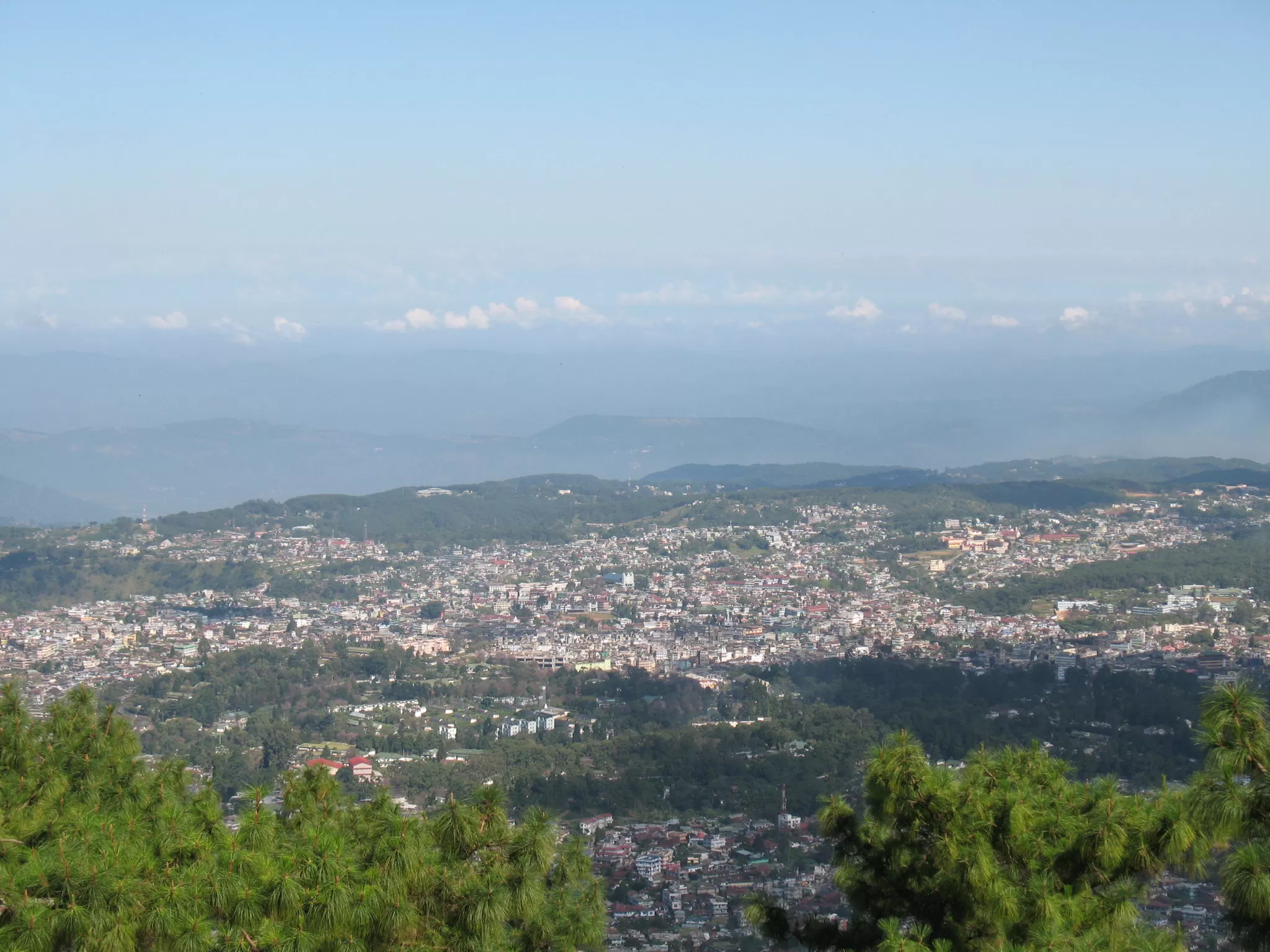
Shilong Tour Package: Welcome to Shillong, the picturesque capital of Meghalaya, aptly nicknamed the "Scotland of the East" for its rolling hills, lush green landscapes, and cool, often misty climate that reminds visitors of the Scottish Highlands. This guide is designed to provide you with the most essential and helpful content, focusing on logistics, historical context, and the must-see places in Shillong to ensure a smooth and unforgettable trip to the heart of the Khasi Hills.
How To Reach Shilong
Knowing the best way to travel is key when planning a trip to Northeast India. Shillong is primarily accessed via its neighboring state, Assam, as Meghalaya lacks extensive rail connectivity. Travelers frequently search for how to reach Shillong from Guwahati or the nearest airport to Shillong.
Nearest Airport
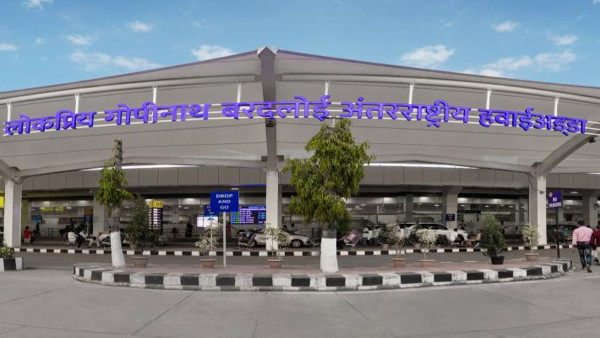
- Primary Airport: The most convenient and connected airport is Lokpriya Gopinath Bordoloi International Airport (GAU) in Guwahati, Assam. It is a major hub connecting to all large Indian cities. Shillong is approximately 100-120 km from GAU.
- Connectivity: From Guwahati Airport, you can easily hire a private cab, shared taxi (often Tata Sumo/Aria), or take a Meghalaya Transport Corporation (MTC) bus directly to Shillong. The drive takes about 2.5 to 3.5 hours via the scenic NH-6 (formerly NH-40).
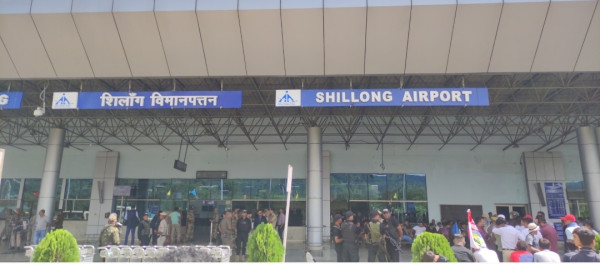
- Local Airport: Shillong Airport (SHL), also known as Umroi Airport, is located about 35 km from the city center. It has limited flight connectivity, usually only serving a few domestic routes like Kolkata and Delhi on specific days.
Nearest Railway Station
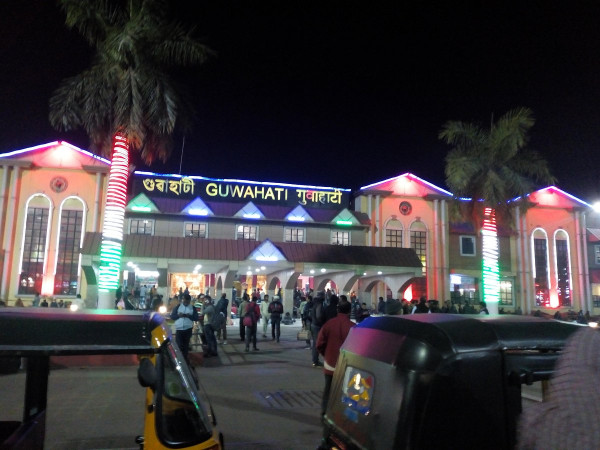
- Guwahati Railway Station (GHY), Assam, is the major railhead and the nearest main railway station to Shillong, approximately 105 km away.
- Connectivity: Guwahati is well-connected to the rest of India by an extensive rail network. From GHY, taxis, buses, and shared Sumos are readily available right outside the station to take you to Shillong.
By Road
- Shillong is well-connected to Guwahati by NH-6, an all-weather road. The journey is very scenic, passing by the tranquil Umiam Lake.
- Buses (MTC and private) and shared taxis are the most common and economical way to travel from Guwahati to Shillong, departing frequently from the Guwahati Railway Station area and the Paltan Bazaar area.
Best Time to Visit Shillong:
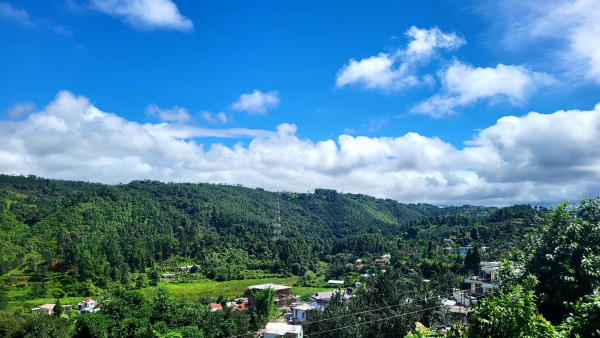
The pleasant climate makes Shillong a year-round destination, but different seasons offer unique experiences. The most common query here is the ideal time for Shillong sightseeing.
- Peak Season (March to June): This is the Summer season and the most popular time to visit. The weather is delightfully cool and pleasant, ranging from 15°C to 25°C. The skies are generally clear, which is perfect for sightseeing, adventure activities, and enjoying the panoramic views from Shillong Peak.
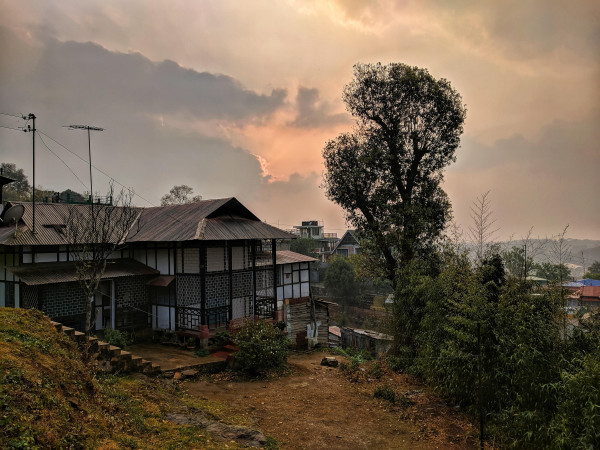
- Shoulder Season (October to February): This is the Winter season. The weather is chilly, with temperatures dropping to 2°C at night, but the days are sunny and crisp. This period is highly recommended for clear, beautiful photographs, especially when the famous Cherry Blossom Festival takes place (usually in November). The water in the lakes and rivers, like the Umngot River near Dawki, is often at its clearest during these months.
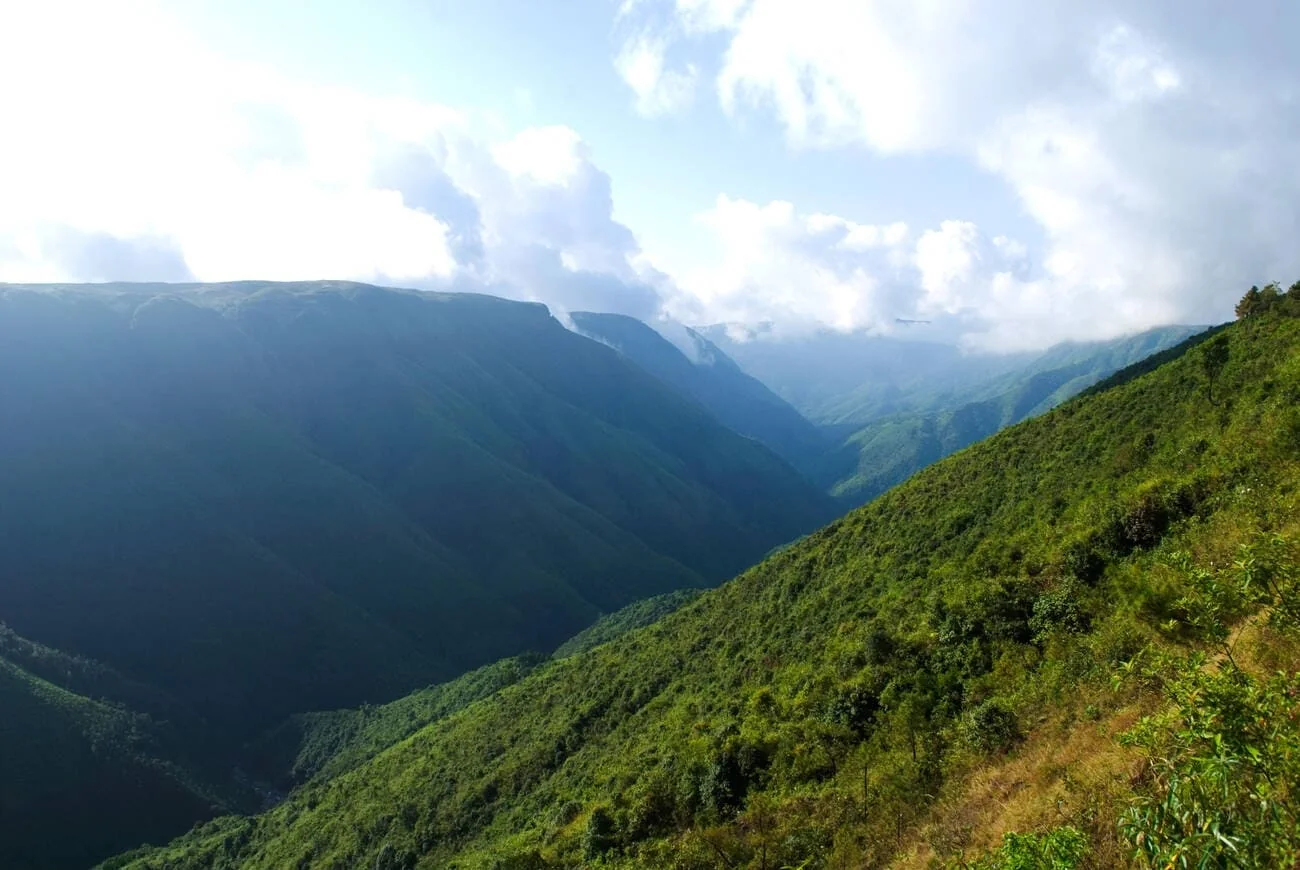
- Monsoon Season (July to September): Shillong experiences heavy rainfall, being close to Cherrapunji (Sohra), one of the wettest places on Earth. While the waterfalls are at their most spectacular and the landscape is incredibly lush, continuous rain can disrupt travel plans and limit outdoor activities. This is the best time to see Elephant Falls in full glory.
History of Shillong:
To truly appreciate Shillong, one must understand its rich historical context, which is often searched for as Shillong's significance in British India.
The region has historically been the land of the indigenous Khasi people. Shillong's modern prominence began in 1864 when the British administration, seeking a cooler climate than the plains, succeeded Cherrapunji (Sohra) as the civil station of the Khasi and Jaintia Hills.
In 1874, upon the formation of the new Chief Commissioner's Province of Assam, Shillong was officially chosen as the capital of undivided Assam due to its strategic location and favorable weather. The town flourished, and the British built churches, educational institutions, and residences, giving Shillong the distinct colonial architecture and charm that led to its nickname, the "Scotland of the East." A devastating earthquake in 1897 destroyed much of the town, necessitating a complete rebuilding, which further shaped its structure.
Shillong remained the capital of Assam even after India's independence until 1972, when the state of Meghalaya (meaning 'Abode of Clouds') was carved out of Assam. Shillong then became the capital of the newly formed state, cementing its identity as the cultural, political, and educational heart of Meghalaya. Today, it is a vibrant blend of traditional Khasi culture, rock music, and a laid-back cosmopolitan vibe.
Places and Things To Do in Shillong
Shillong acts as a perfect base for exploring the surrounding natural wonders. A good itinerary for a 3-day trip should cover the main city attractions and a day trip to the outskirts. These are the top-rated and most photogenic places in Shillong that travelers love.
1. The Panoramic Viewpoints
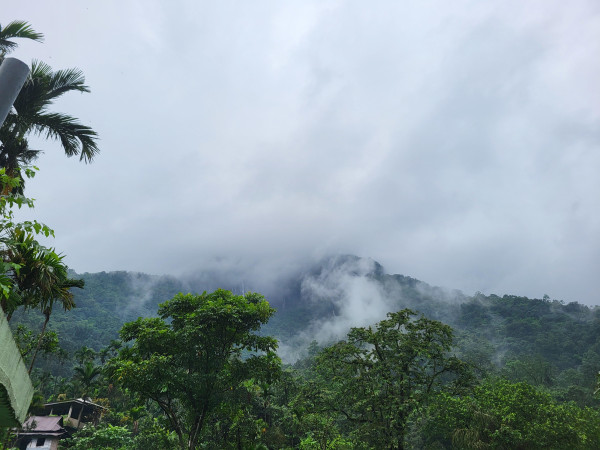
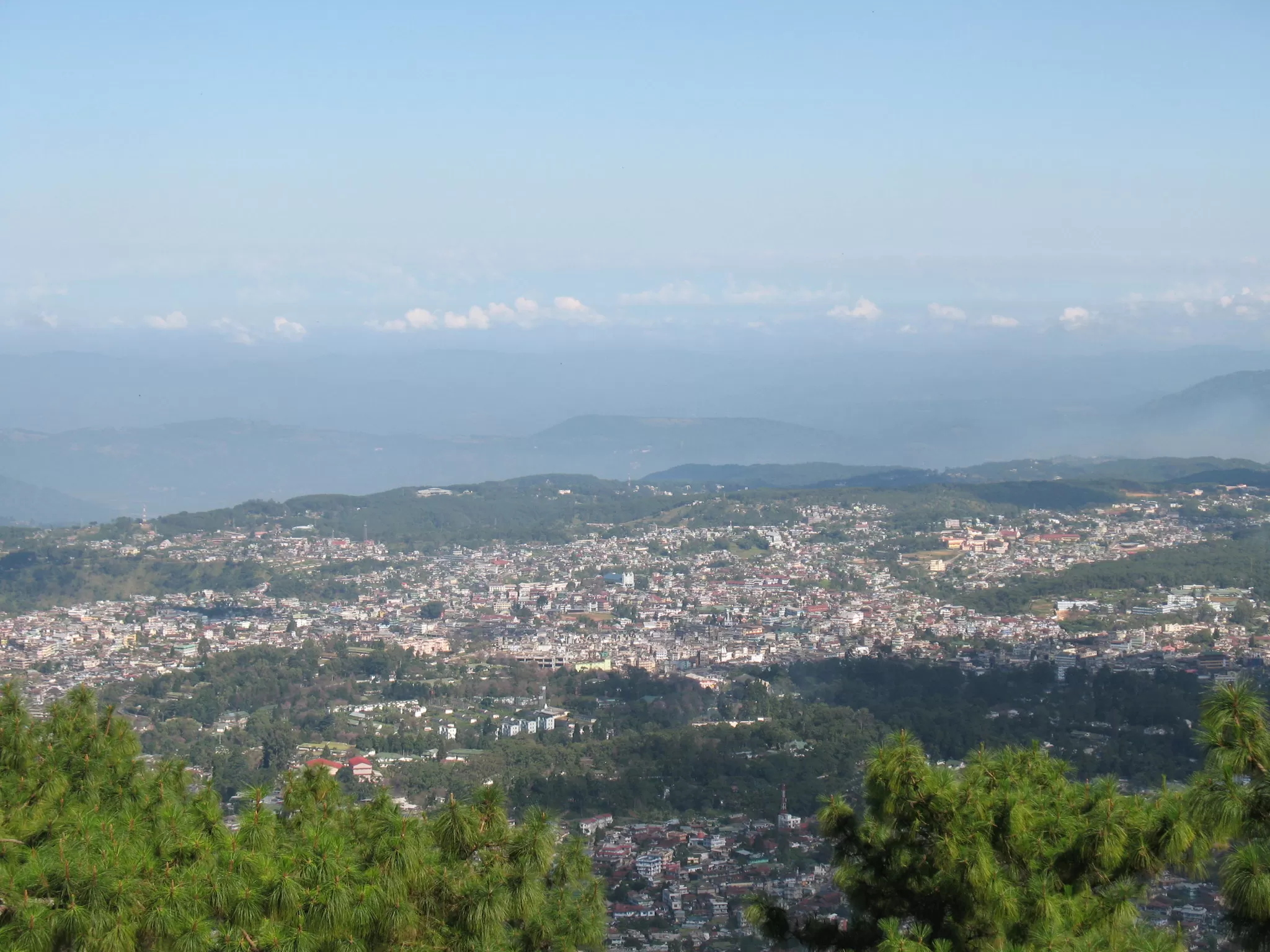
- Shillong Peak: This is the highest point in Shillong, offering a spectacular, panoramic view of the entire city and the surrounding valleys. On a clear day, you can see far into the plains. It's considered the abode of the local deity, Lei Shyllong.
- Laitlum Canyons: Often searched as Shillong's hidden gem, Laitlum translates to "The End of Hills." This location provides breathtaking, sweeping views of deep gorges and rolling hills, making it a paradise for trekkers and photographers, especially at sunrise or sunset.
2. Lakes and Waterfalls
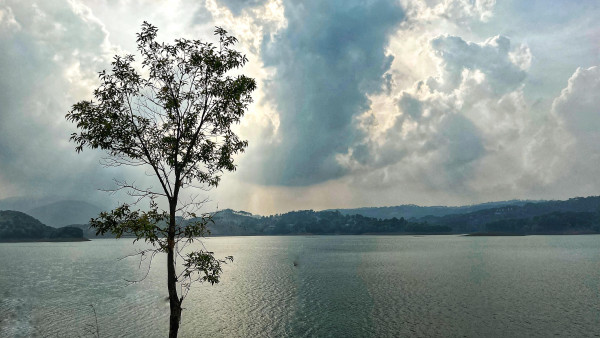
- Umiam Lake (Barapani): Located about 15 km before Shillong city, this massive man-made reservoir is often compared to the Scottish lochs. It's an excellent spot for water sports like kayaking and boating, or simply relaxing and enjoying the tranquil scenery.
- Elephant Falls: Named after a rock resembling an elephant (which was destroyed in the 1897 earthquake, though the name remains), this three-tiered waterfall is one of the most popular natural attractions. Visitors climb down steps to view each of the three steps of the cascade, with the final one being the most majestic.
- Ward's Lake: A beautiful, peaceful artificial lake surrounded by a manicured botanical garden in the heart of the city, perfect for an evening stroll or a pedal boat ride.
3. Culture and Heritage
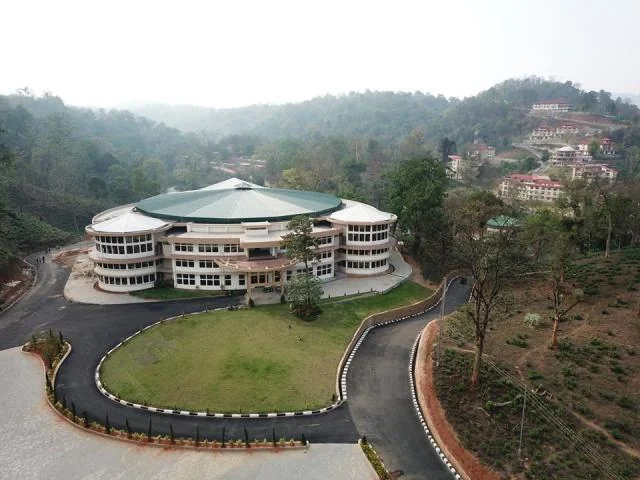
- Don Bosco Centre for Indigenous Cultures (Don Bosco Museum): This seven-story museum is a cultural treasure trove. It meticulously showcases the rich culture, history, and artifacts of the various indigenous tribes of Northeast India, making it an essential visit for anyone interested in the region's heritage. Don't miss the Skywalk on the roof for a 360-degree view.
- Cathedral of Mary Help of Christians: Dominating the cityscape with its magnificent Gothic architecture, this Roman Catholic Cathedral is one of the oldest and most beautiful churches in the region, known for its tranquil atmosphere and stained-glass windows.
- Police Bazaar (PB): The bustling commercial and cultural hub of Shillong. This market is where the city's energy is most palpable, offering everything from local Khasi handicrafts and souvenirs to vibrant street food. This is the best place for local shopping in Shillong.
4. Day Trips and Adventures
Shillong is the gateway to Meghalaya's iconic spots:
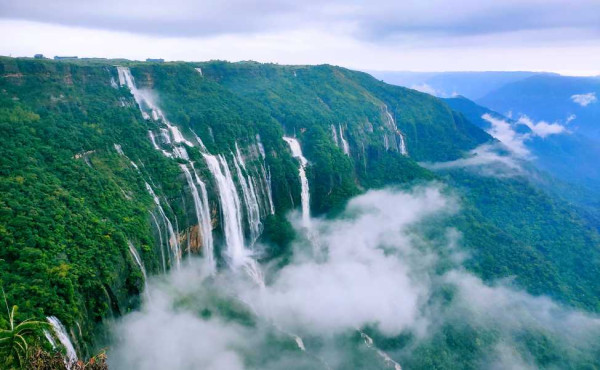
- Cherrapunji (Sohra): Famous for being one of the wettest places on Earth, just a short drive from Shillong. It's home to spectacular waterfalls like Nohkalikai Falls (one of the tallest plunge waterfalls in India) and Seven Sisters Falls, as well as the unique Mawsmai Cave.
- Mawlynnong: Dubbed "Asia's Cleanest Village," this picturesque spot showcases the community-driven cleanliness and is a beautiful example of Khasi village life. It's also the base to see the incredible Living Root Bridges (Jingkieng Nongriat).
- Mawphlang Sacred Forest: Located near Shillong, this ancient forest is revered by the Khasi community. It's known for its rich biodiversity and is an absolute must-do for nature lovers and those interested in Khasi folklore and traditions. The David Scott Trail, a historic trekking route, begins near here.
Cuisine and Culture:

Shillong is often called the 'Rock Capital of India' due to its vibrant music scene, which has produced numerous rock bands and musicians. The city hosts major events like the Shillong Autumn Festival and the India International Cherry Blossom Festival, drawing crowds for music, art, and nature.
The local Khasi cuisine is a highlight, and food lovers often search for traditional Khasi dishes to try.
- Jadoh: A signature Khasi dish of rice cooked with meat (usually pork or chicken), spices, and sometimes pig's blood, offering a unique, rich flavor.
- Doh-Khlieh: A pork salad prepared with onions, chillies, and local herbs.
- Momos and Chowmein: Due to the proximity to other regions of the Northeast, Tibetan and Chinese influences are strong, making these popular street food options, especially in Police Bazaar.
Shillong truly offers a perfect mix of metropolitan convenience, historical depth, and breathtaking natural escapes, making it the essential stop on any North East India travel itinerary.
Top Things to Do & Activities in Shilong
Discover a world of unforgettable experiences and top activities at this destination! Whether you’re seeking adventure, cultural immersion, relaxation, or family fun, find the best things to do—from sightseeing and outdoor adventures to culinary delights, spiritual journeys, and local events. Enjoy every moment and make your trip truly memorable!