Discover Amazing Spiti Valley
The distance from Manali to Spiti Valley (Kaza) is about 180 km, taking 6–10 hours depending on road conditions. The route offers stunning Himalayan views and adventurous high-altitude travel.
About This Destination
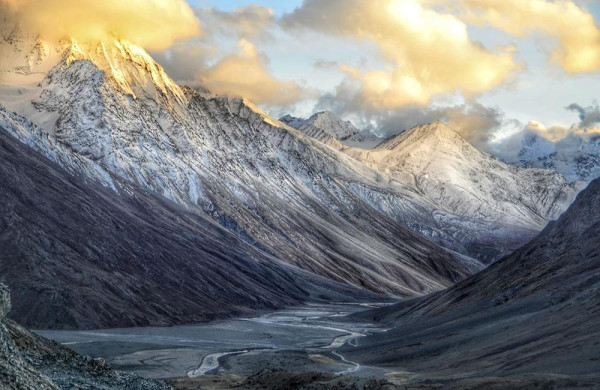
Unlike the green valleys of Kullu or Manali, Spiti presents a stark, almost lunar landscape barren brown mountains rising dramatically against an intense blue sky. This harsh geography, however, is precisely what has preserved its purity.
Spiti's capital, Kaza, serves as the main hub, but the true essence of the valley lies in its scattered villages:
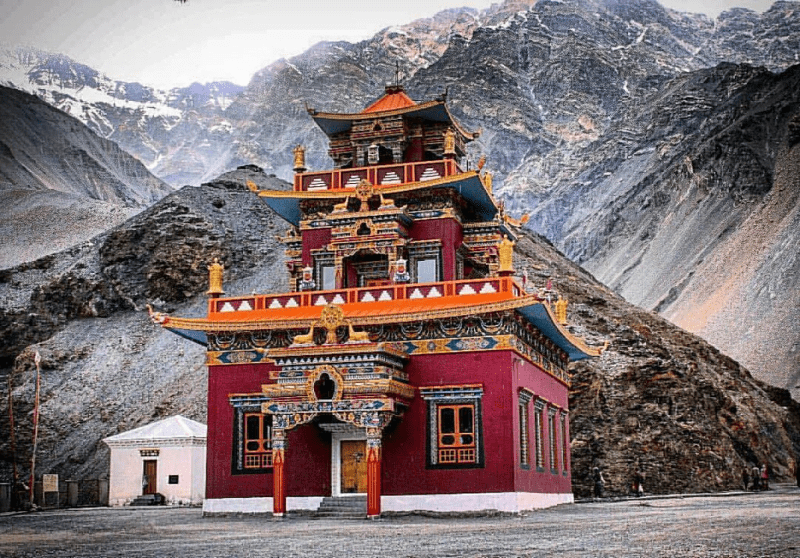
- Ancient Monastic Heritage: Home to some of the world's oldest monasteries, such as the 1000-year-old Tabo Monastery (often called the 'Ajanta of the Himalayas') and the dramatically perched Key Monastery, Spiti is a living museum of Tibetan Buddhism.

- The World's Highest: The valley is peppered with record-holding villages like Komic (one of the highest inhabited villages in Asia) and Hikkim (home to the world's highest post office), giving your journey a unique altitude-defying thrill.
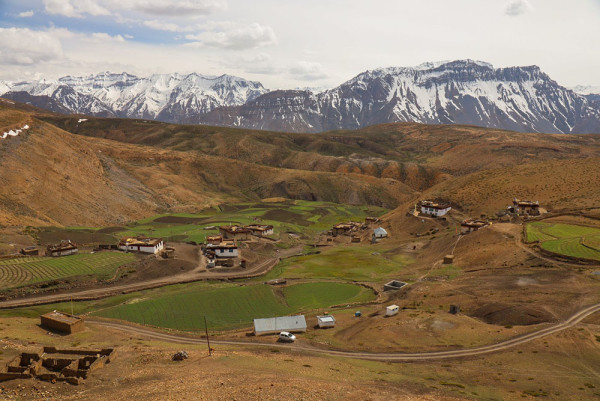
- Genuine Hospitality: Modern infrastructure is minimal, which forces travellers to embrace the local way of life. The most authentic experience comes from staying in traditional mud-house homestays, where you share a kitchen with a Spitian family, sleep under thick razais (quilts), and eat simple, hearty local food. This direct interaction is the heart of a Spiti trip.
- A Sanctuary of Stars and Silence: The air is crisp, the light is dazzling, and the lack of city pollution means the night sky is an astronomer's dream. Spiti is a destination for the mindful traveler seeking an escape from the noise of the modern world.
Key Facts at a Glance:
- Location: Lahaul and Spiti District, Himachal Pradesh, India
- Main Hub: Kaza (Altitude: approx. 12,500 ft / 3,800m)
- Culture: Strongly Tibetan Buddhist
- Topography: Cold desert, high-altitude mountains
- Travel Advice: Always allow for a buffer day for unforeseen road closures. Acclimatisation is critical due to the high altitude.
How to Reach Spiti Valley (The Two Great Circuits)
There are two primary routes to access Spiti Valley, often combined into a "Spiti Circuit." The best choice depends on the season and your acclimatisation strategy.
The Shimla - Kinnaur Route (The Year-Round Backbone)
- Route: Shimla → Narkanda/Sarahan → Sangla/Chitkul → Kalpa → Nako → Tabo → Kaza
- Duration to Kaza: A minimum of 2-3 days from Shimla.
- Pros:
- Better Acclimatisation: This route offers a gradual increase in altitude, making it the preferred choice for a safe ascent and for avoiding Acute Mountain Sickness (AMS).
- Open Year-Round: Generally remains open even in winter (except for temporary closures due to heavy snow/landslides near Nako or Kaza).
- Scenic Diversity: Passes through the lush Kinnaur Valley first, offering a beautiful transition from green mountains to the cold desert.
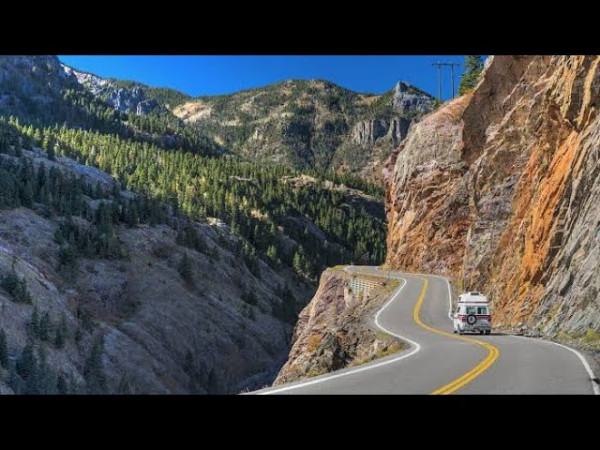
- Cons: It is a longer route. The road from Kinnaur onwards (National Highway 5) involves challenging, narrow stretches carved into cliffs, such as the infamous Tranda Dhank near Jeori.
2. The Manali - Atal Tunnel Route (The Summer Shortcut)
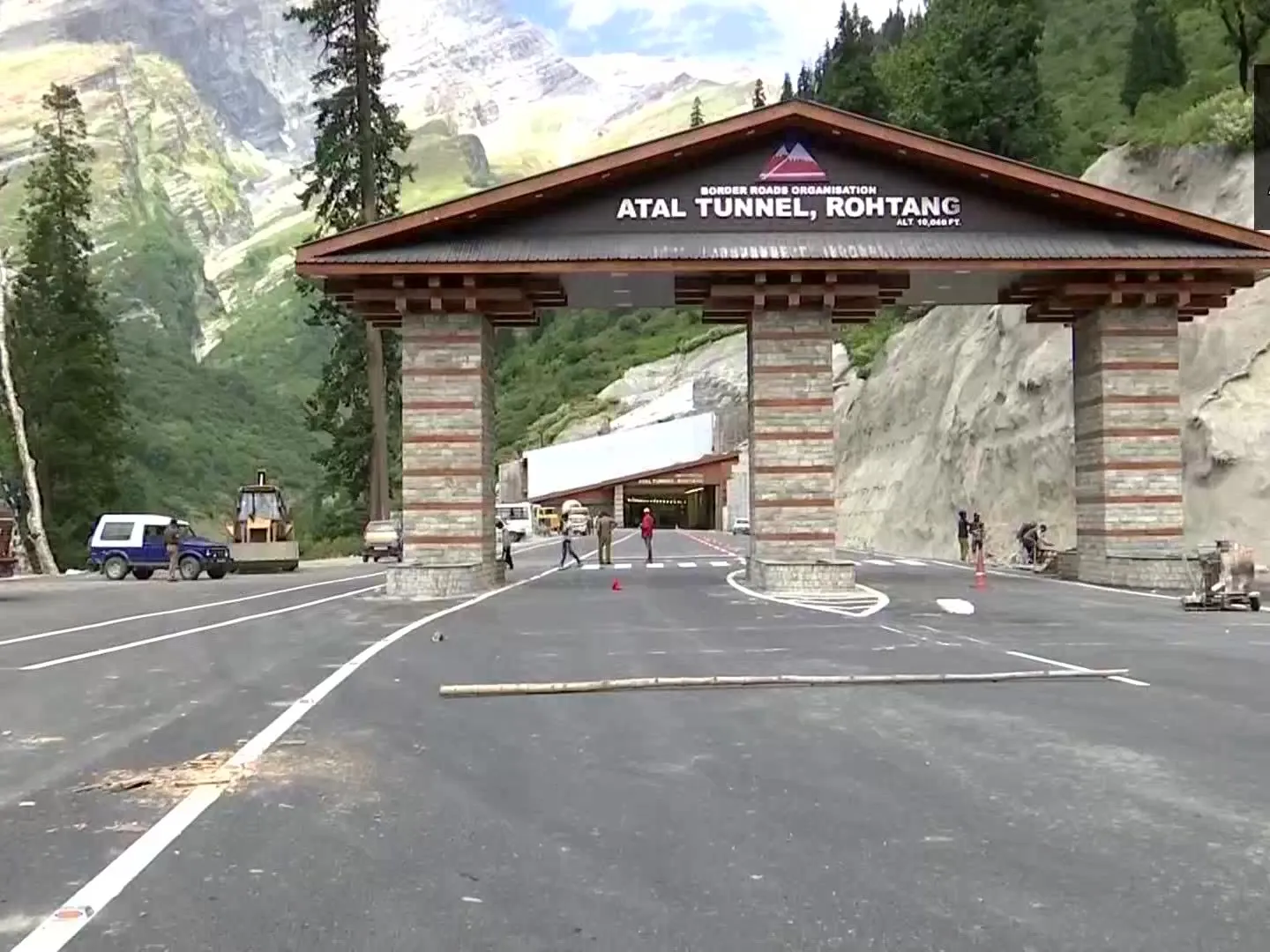
- Route: Manali → Atal Tunnel → Keylong/Jispa → Kunzum Pass → Batal → Kaza
- Duration to Kaza: A single, strenuous day (10-12 hours) from Manali, but an overnight halt in Keylong/Jispa is highly recommended for safety and acclimatisation.
- Pros:
- Shorter Distance: Significantly cuts down the travel time to Kaza.
- High-Altitude Thrill: Features the high-altitude Kunzum Pass (4,551m) and the iconic Chandratal Lake.
- Cons:
- Seasonal Closure: Closed for nearly 6-7 months of the year (mid-October to late May/early June) due to heavy snowfall at Kunzum Pass.
- Higher AMS Risk: The rapid gain in altitude via the Atal Tunnel makes the risk of AMS much higher. It is generally not recommended to take this route for the start of your journey to Spiti.
Permit Requirements (As of 2025):
- Indian Nationals: Generally, no Inner Line Permit (ILP) is required for Spiti. However, if you are travelling via the Manali route, you need a Rohtang Pass Permit (though the Atal Tunnel has simplified this, check the latest regulations for Gramphu/Kunzum Pass).
- Foreign Nationals: Must obtain a Protected Area Permit (PAP) or Inner Line Permit (ILP), typically arranged in advance or at Reckong Peo (near Kalpa) if coming from the Shimla side.
Genuine Activities to Do & See
Beyond the standard sightseeing, Spiti offers experiences that connect you with its soul.
Monastery Exploration & Cultural Immersion
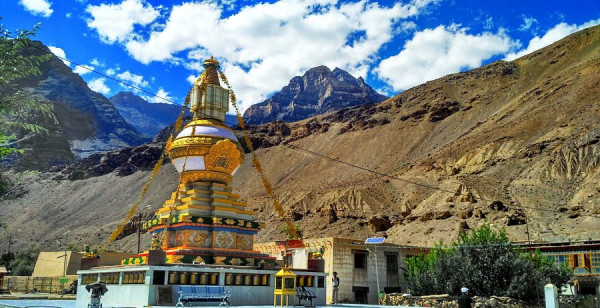
- Tabo Monastery: Dedicate a morning to this complex. It’s over 1,000 years old, and its mud walls house stunning, original frescoes and thankas. Go beyond the main Dukhang (assembly hall) and explore the ancient meditation caves carved into the cliff face above the village.
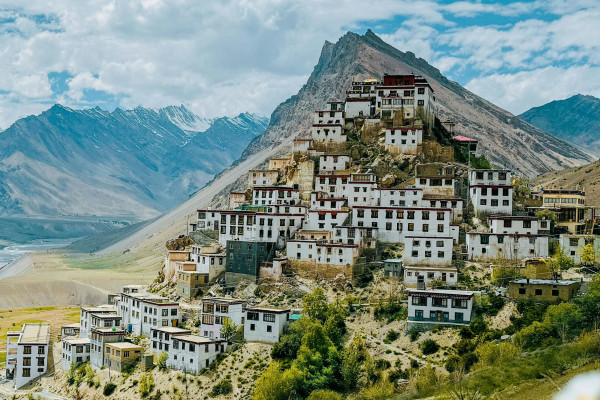
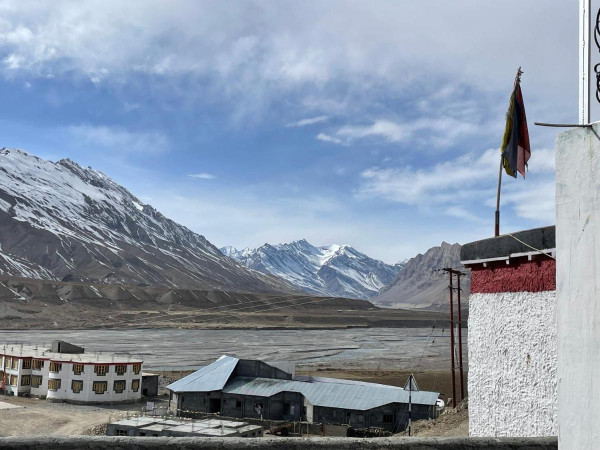
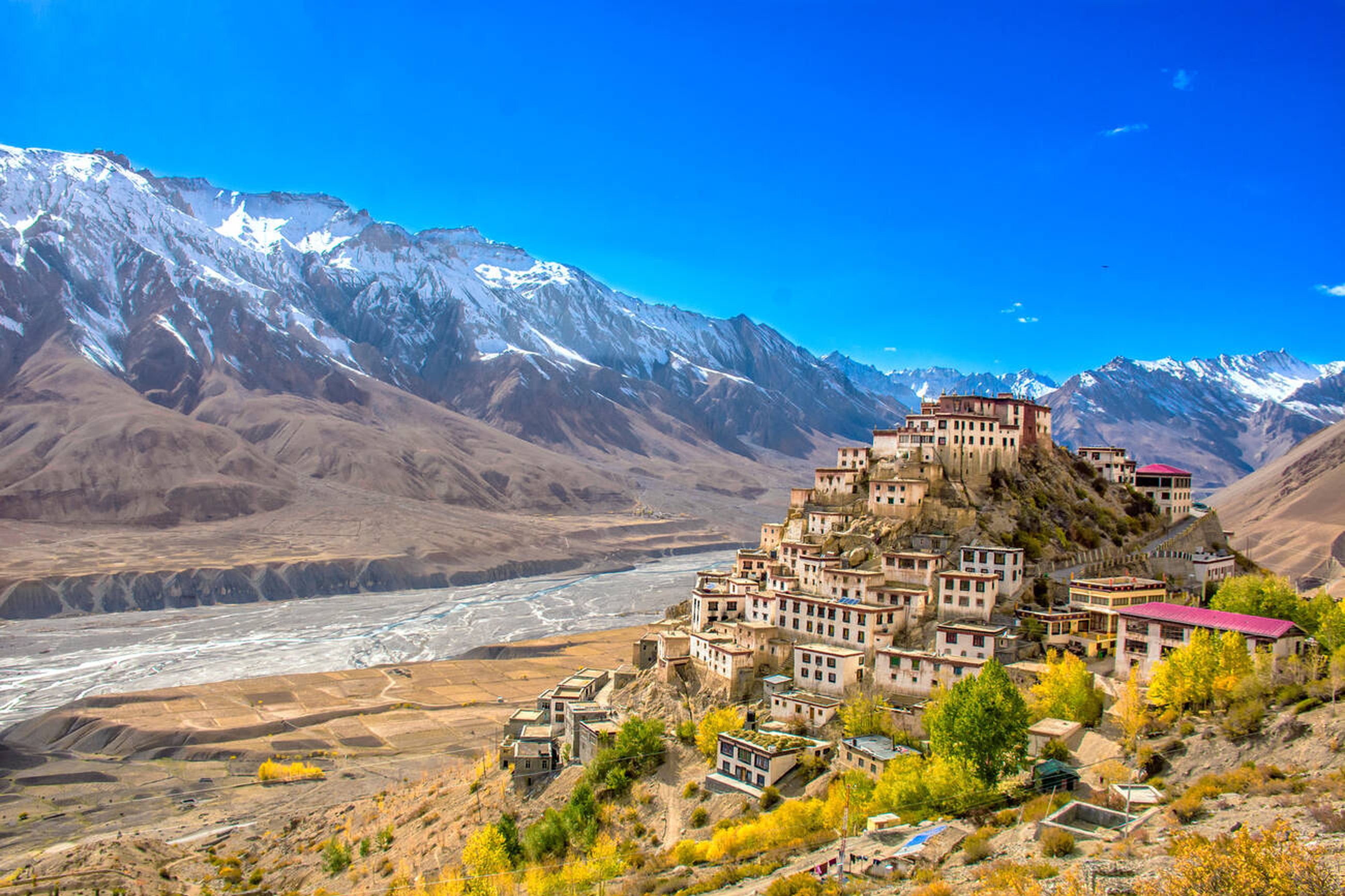
- Key Monastery: The most photographed monastery, sitting dramatically on a conical hill. Take the time to talk to the monks many welcome conversations and can offer incredible insights into their life and the region's history.
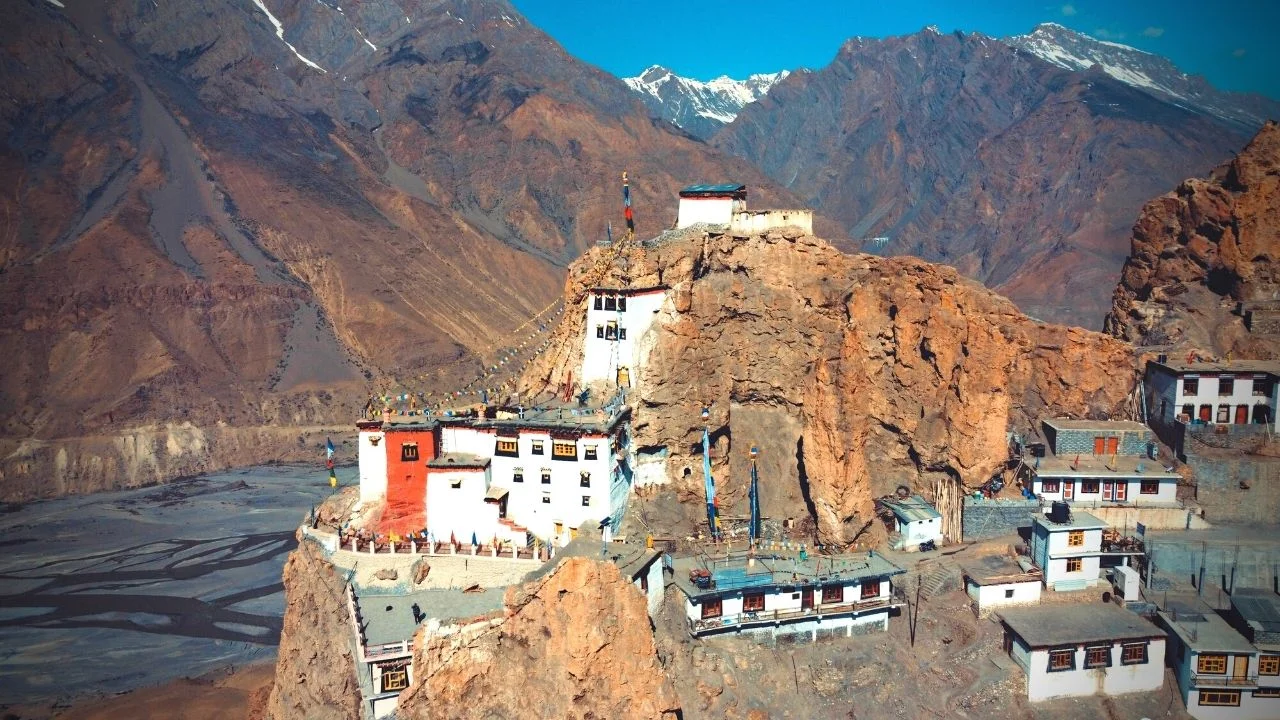
- Dhankar Monastery & Lake Trek: The monastery itself is an old fort that clings to a cliff overlooking the confluence of the Spiti and Pin rivers. The real gem is the 1.5-hour moderate trek above it to the tranquil Dhankar Lake a stunning, rewarding hike.
High-Altitude Villages & Records
- Hikkim: Post a letter from the world's highest post office (4,400m). Writing a postcard from here is a quintessential Spiti ritual.
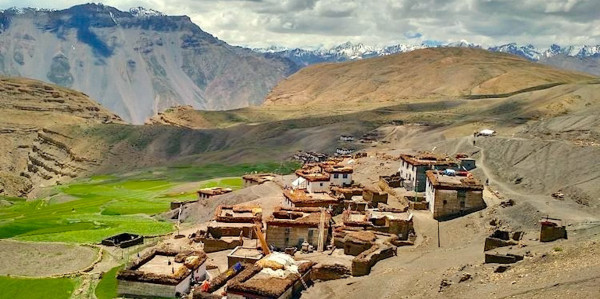
- Komic: Visit the Tangyud Monastery in one of the highest villages accessible by a motorable road in Asia (4,513m). The views from here are unparalleled.
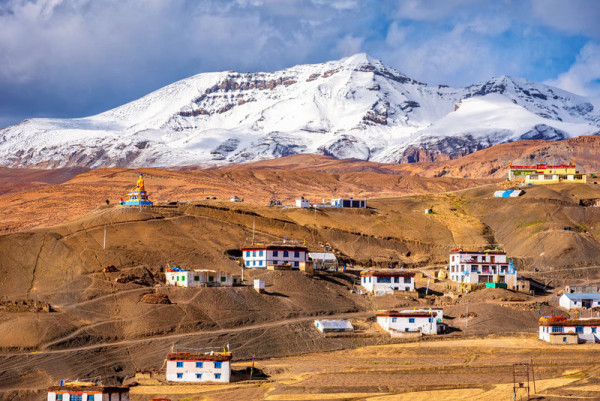
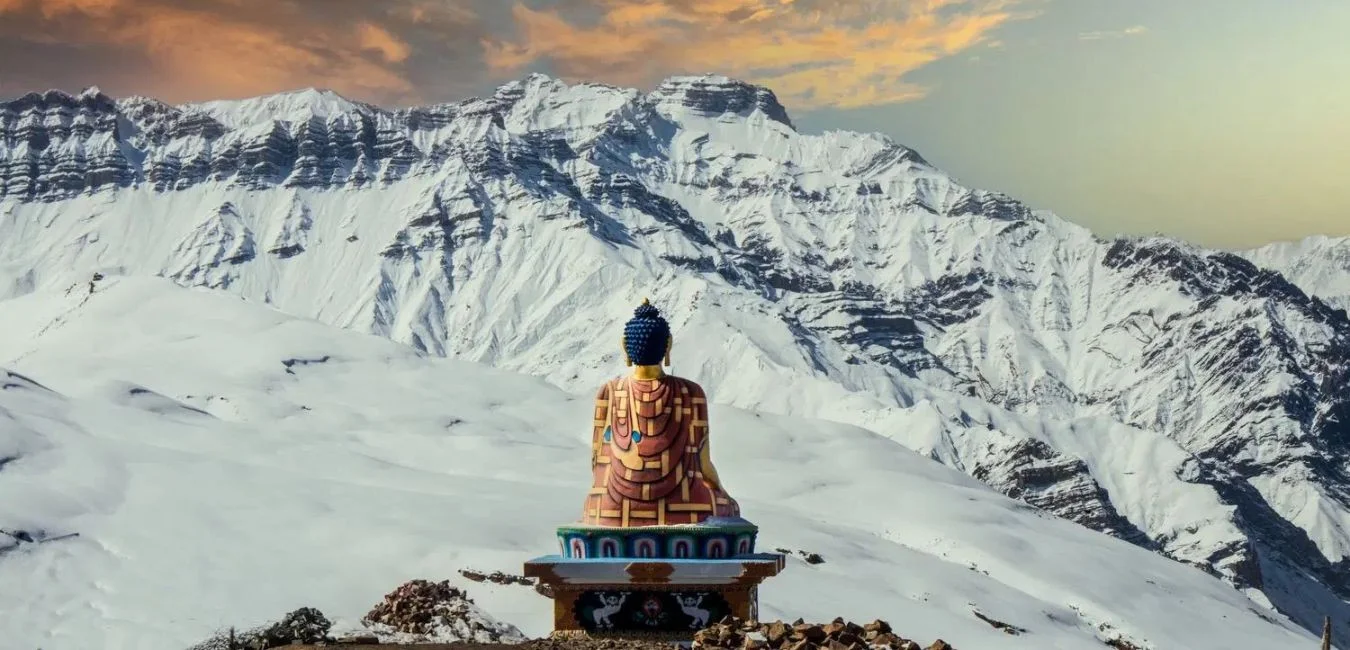
- Langza: Home to a towering golden statue of the Buddha and famous for fossil hunting. Local shops and homes often display ancient marine fossils, a testament to the fact that Spiti was once submerged under the Tethys Sea.
Adventure and Wildlife
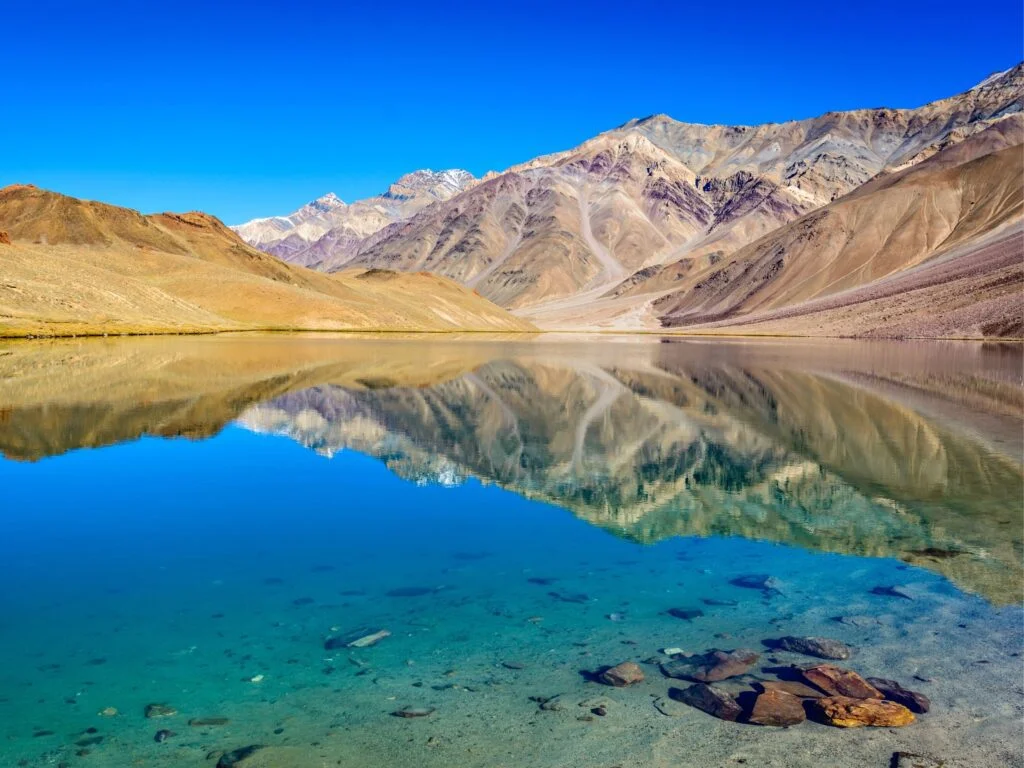
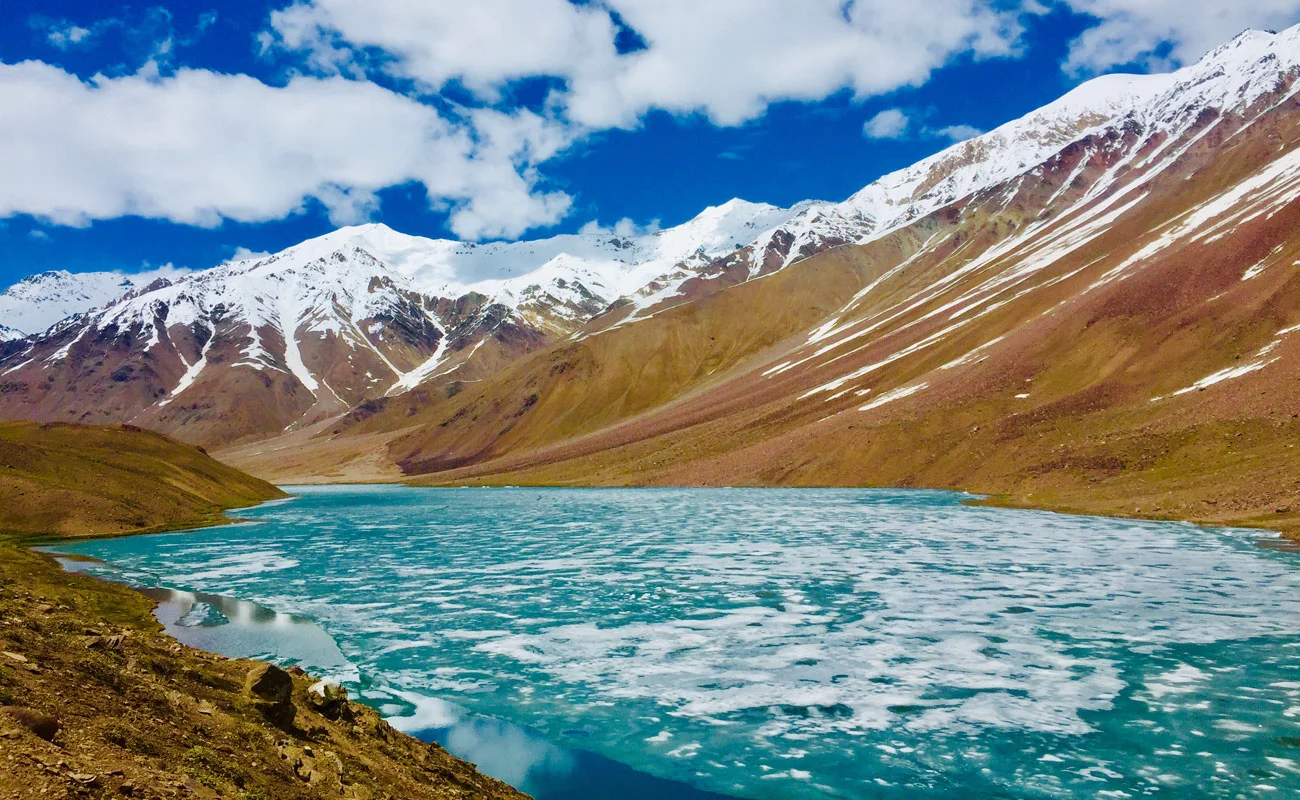
- Chandratal Lake: The 'Moon Lake' is a spectacular, high-altitude crescent-shaped lake. Camping is allowed a couple of kilometres away from the lake's edge (due to conservation efforts). The night sky here is legendary for astrophotography.
- Pin Valley National Park: Divert from the main highway to this green, secluded valley. The village of Mudh is the endpoint and starting point for many treks, but it’s most famous for being a sanctuary for the Snow Leopard. While a sighting is rare, the chances increase significantly during the harsh winter.
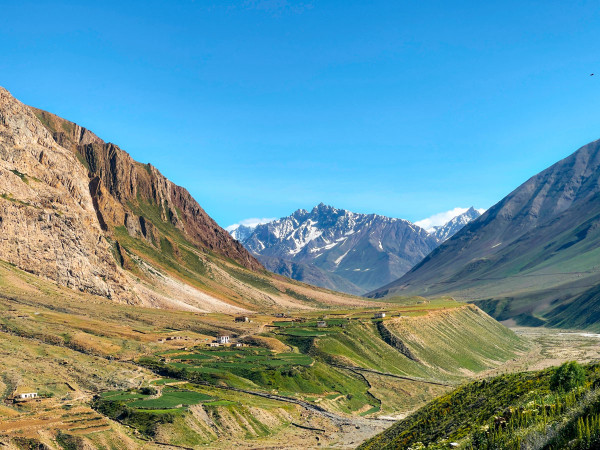
- Trekking: Spiti is a trekker's paradise. Popular trails include Kaza to Langza/Komic/Hikkim, or the challenging Pin Parvati Pass. Hire a local guide for any serious trek for safety and genuine cultural insight.
Embrace the Local Life
- Homestay Living: Skip the generic hotels. Staying in a local homestay is the most genuine experience. You'll eat traditional Spitian food like Thukpa (noodle soup), Momos (dumplings), and Tsampa (roasted barley flour), and warm yourself around the bukhari (wood-burning stove).
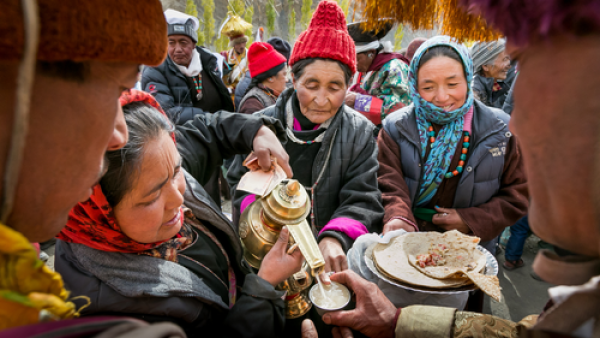
- Taste Local Brews: Try Chhang (a local barley beer) and Arak (a potent distilled spirit) – offered as a sign of welcome by your homestay hosts.
- Visit Gue Mummy Village: A tiny village famous for the well-preserved 500-year-old self-mummified body of a Buddhist monk, Sangha Tenzin. A truly unique and slightly eerie experience.
Best Time to Visit Spiti Valley
The "best" time depends entirely on your travel goals: whether you seek a smooth road trip or a challenging winter adventure.
Season
Peak Summer: Late May to Early October
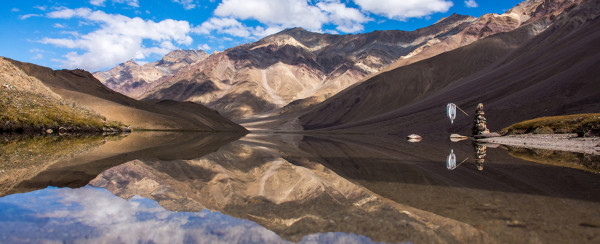
- Conditions & Accessibility: Both Manali and Shimla routes are open. Pleasant day temperatures (10 ° C to 25 ° C). Best time for Chandratal Lake access.
- Ideal For: Road-trippers, bikers, first-timers, trekking, and exploring the full circuit.
Monsoon (Rain Shadow): July to September
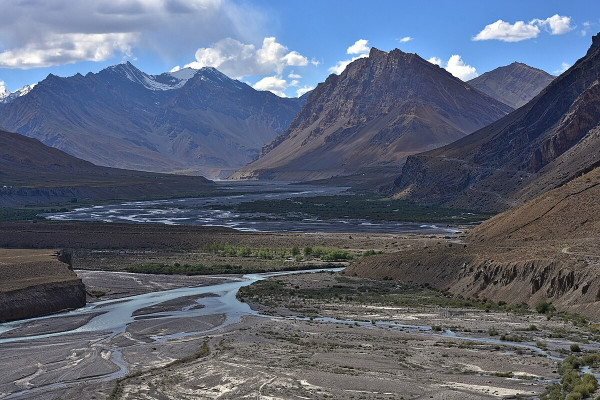
- Conditions & Accessibility: Spiti itself is a rain shadow region and remains mostly dry. However, the Manali and Kinnaur routes leading to Spiti are prone to heavy rains and landslides, making travel unpredictable.
- Ideal For: Budget travellers (off-season rates) and those who can handle travel delays. Shimla route is preferred.
Shoulder/Autumn: Late September to Mid-October
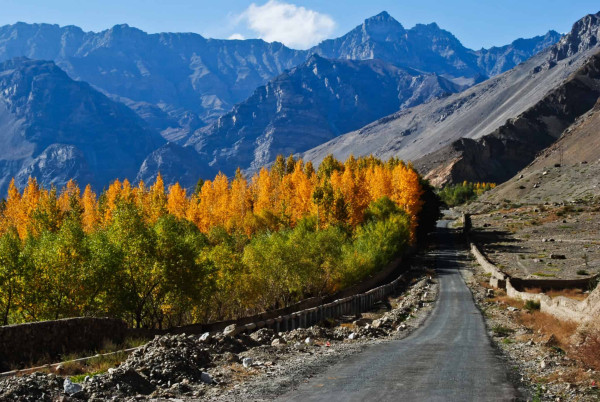
- Conditions & Accessibility: Clear skies, moderate temperatures. The Manali route typically starts closing down by mid-October. A fantastic time for photography.
- Ideal For: Photographers, cultural explorers, and those who prefer thinner crowds.
Deep Winter: Mid-October to Mid-May
- Conditions & Accessibility: Manali route is completely closed. The Shimla route remains the only entry point (with intermittent closures). Extreme temperatures (down to 25 ° C).
- Ideal For: Snow Leopard spotting, experienced high-altitude travellers, and those seeking the challenge of a 'White Spiti'. Homestays are your only accommodation option.
Essential Traveller Tips
- Prioritise Acclimatisation: This is not optional. Spend a night in Kalpa or Nako (from the Shimla side) or Keylong (from the Manali side) before reaching Kaza. Drink plenty of water and avoid overexertion on your first day at high altitude.
- Connectivity & Cash: Mobile network is sporadic. BSNL is often the only provider that works in the main towns like Kaza and Tabo. Carry enough cash as ATMs are only available in major towns like Kaza, and card payments are almost non-existent in villages.
- Respect the Culture: Spiti is deeply Buddhist. When visiting monasteries, always walk clockwise (the direction of prayer), dress modestly, and seek permission before taking photos of monks or inside the main prayer halls.
- Embrace the Simplicity: Spitian homes and homestays are built for the harsh climate. Don't expect luxury. Expect dry compost toilets (a necessity in the cold desert), minimal electricity, and a communal atmosphere. This lack of modern convenience is part of the authentic charm.
- Be a Responsible Traveller: Carry back all non-biodegradable waste. Support local economies by staying in homestays and buying local handicrafts.
Spiti is a journey of introspection as much as it is a physical adventure. Prepare for the unpredictable, travel with an open heart, and this Middle Land will offer you an unforgettable, genuinely fresh perspective on life.
Top Things to Do & Activities in Spiti Valley
Discover a world of unforgettable experiences and top activities at this destination! Whether you’re seeking adventure, cultural immersion, relaxation, or family fun, find the best things to do—from sightseeing and outdoor adventures to culinary delights, spiritual journeys, and local events. Enjoy every moment and make your trip truly memorable!