Discover Amazing Tungnath
Highest Shiva temple in the world, perched in Uttarakhand's Himalayas. Famous for spiritual trekking, panoramic views, and a serene mountain atmosphere.
About This Destination
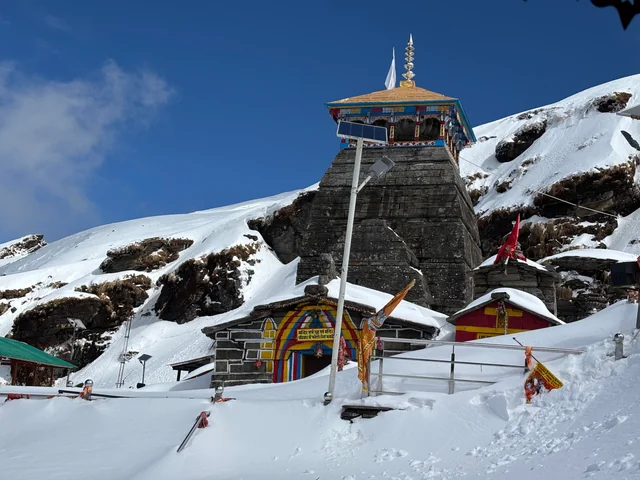
Nestled high in the Rudraprayag district of Uttarakhand, this is the third Kedar of Lord Shiva, part of the revered Panch Keda circuit. It is a destination defined by its sheer altitude, its stunning views of the Himalayan titans, and the palpable, ancient energy that blankets the entire landscape.
This isn't the bustling, commercialized rush of a typical hill station. This is raw, unspoiled, and deeply sacred a place where the sky feels impossibly close and your worries impossibly far.
The Overview Tungnath Temple
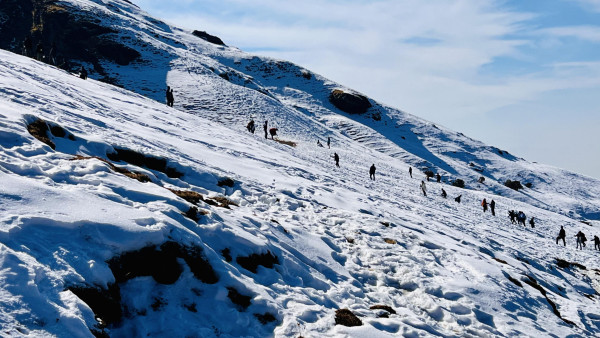
Tungnath sits at an elevation of approximately 12,070 feet (3,680 meters). It is famous for two interconnected reasons:
- The Temple: It is universally recognized as the Tungnath highest Shiva Temple on the planet. Built primarily of stone, its architecture is relatively simple but profoundly moving, having survived centuries of harsh weather. Legend credits the Pandavas with building the temple to atone for the sin of killing their kinsmen in the Kurukshetra war.
- The Base: The trek begins from the picturesque meadows of Chopta Valley, often nicknamed the "Mini Switzerland of India." This gentle, sprawling base camp is the last motorable point before the climb begins. The region is famous for its dense rhododendron and oak forests, making it one of the most ecologically rich and beautiful parts of the Garhwal Himalayas.
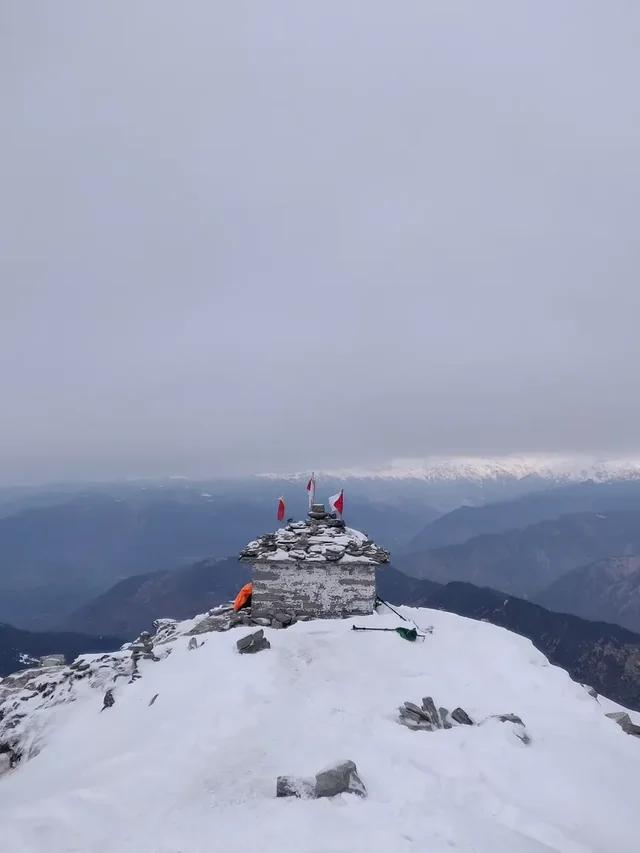
The ultimate reward for the faithful and the adventurous lies just above Tungnath the Chandrashila trek summit, which offers a 360-degree panorama of the entire region.
How to Reach: The Pilgrimage from the Plains
Reaching Tungnath requires first getting to its base camp, Chopta, which is a long but rewarding drive from the plains.
From Delhi: The Long Haul to the Hills
- Total Distance: Approximately 450 – 500 km.
- The Route: Delhi → Haridwar/Rishikesh → Rudraprayag → Ukhimath → Chopta.
- The Strategy: The most practical way is to take an overnight bus (usually to Rishikesh or Haridwar). From there, hire a private taxi directly to Chopta. The final drive from Rudraprayag upwards takes you deep into the mountains, transitioning from the busy valleys to profound solitude. It's a full 14–16 hour travel day from Delhi to Chopta.
From Dehradun: The Capital's Gateway
- Distance: Approximately 250 km.
- The Drive: This is one of the most common starting points. You can hire a direct taxi or take a combination of local buses (Dehradun to Rudraprayag, then Rudraprayag to Ukhimath/Chopta).
- The Experience: The route winds through stunning parts of Uttarakhand, passing through Devprayag (the sacred confluence of the Alaknanda and Bhagirathi rivers) before following the Mandakini river deep into the Kedar Valley.
From Rishikesh: The Spiritual Start
- Distance: Approximately 200 km.
- The Convenience: Rishikesh has excellent transport links. You can often find shared taxis (especially in the early morning) heading toward Rudraprayag. From Rudraprayag, securing a shared jeep or private taxi for the final 60-70 km stretch to Chopta is relatively easy.
- Travel Tip: The roads are narrow and winding, particularly after Rudraprayag. If you suffer from motion sickness, take precautions and enjoy the sceneryit’s genuinely breathtaking.
Best Time to Visit: Defining Your Spiritual Journey
Tungnath offers two distinctly magical seasons, depending on whether you seek snow or blooming meadows.
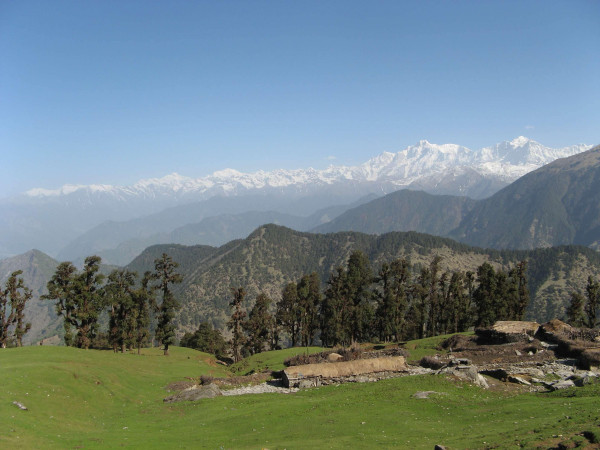
- Summer & Pre-Monsoon (May to Mid-July): This is peak season. The snow has melted, the trails are clear, and the famous rhododendrons of the Chopta Valley are in full bloom, painting the meadows in vibrant shades of red and pink. The weather is cool and perfect for trekking. The temple is fully open.
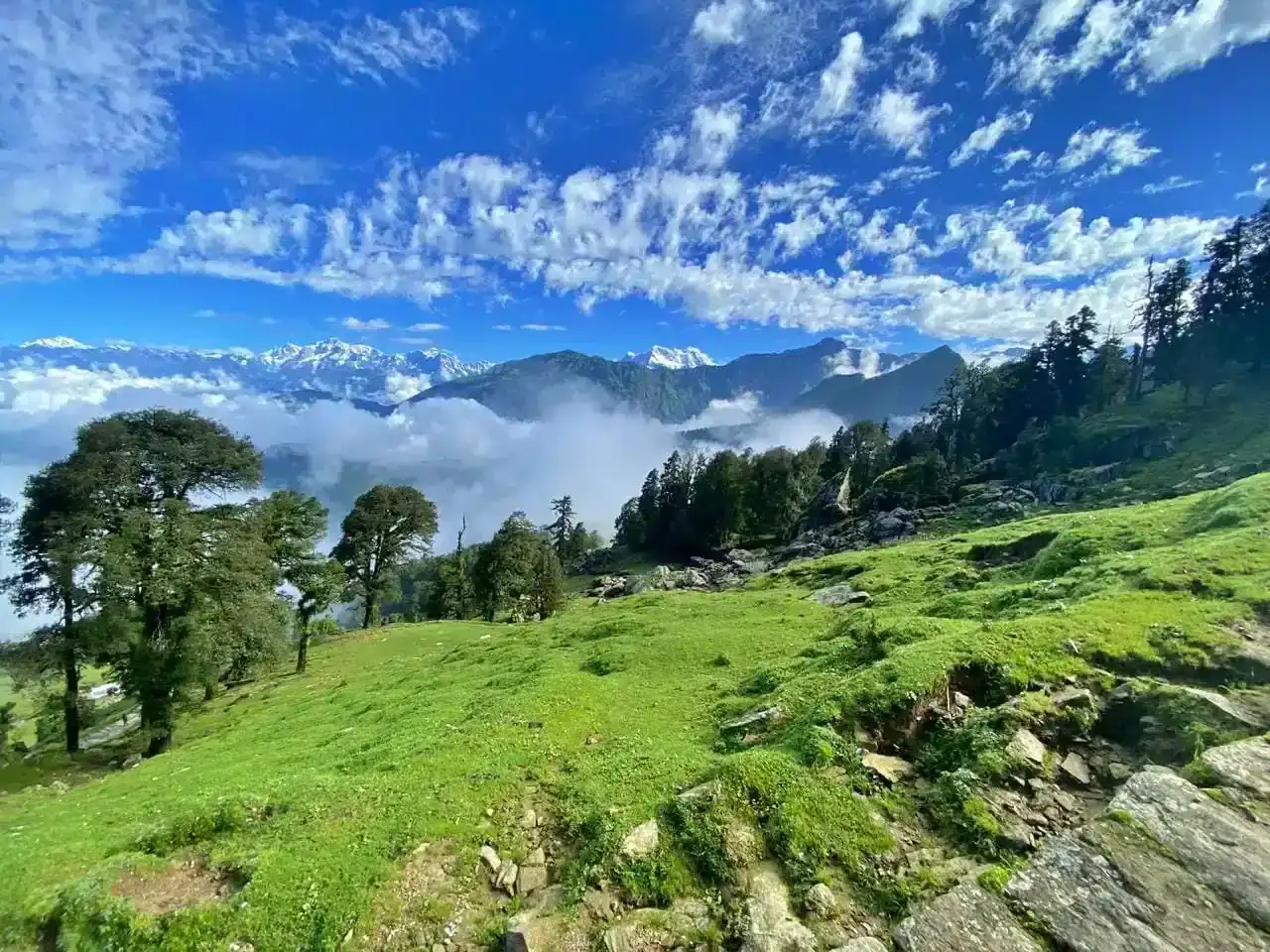
- Autumn (September to November): This is often considered the ideal time for views. The air is crisp, the monsoon dust has settled, and the visibility is unparalleled. You get crystal-clear views of Nanda Devi, Trishul, and Chaukhamba. The temperature is cool but perfect for the strenuous climb to the Chandrashila trek summit.
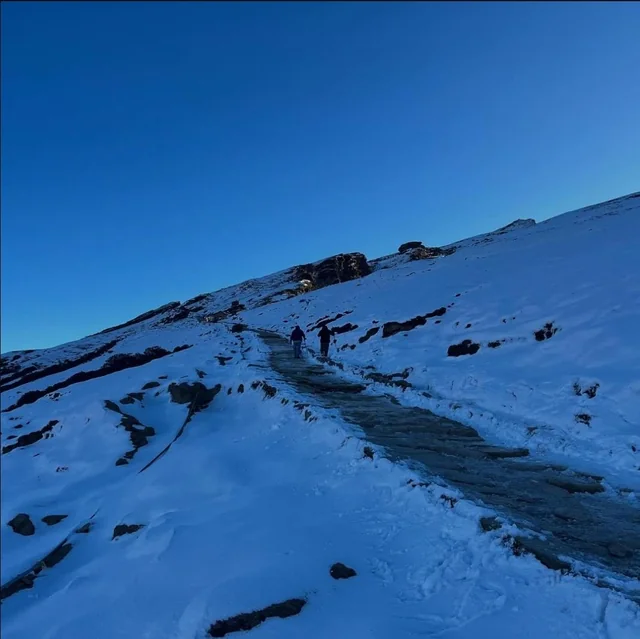
- Winter (December to March): The region experiences very heavy snowfall. The roads to Chopta are often closed, and the temple itself is officially closed (the idol moves to Ukhimath). This season is reserved for serious, specialized winter trekking and skiing enthusiasts who are equipped for the extreme cold and deep snow.
Activities to Do: Beyond the Temple Steps
While the trek to the Tungnath highest Shiva Temple is the primary goal, the area offers rich opportunities for nature and adventure.
1. The Tungnath Trek (The Main Event)
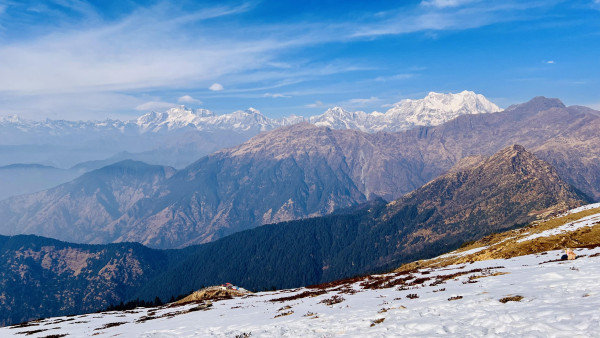
The trek starts at Chopta. It is a well-laid, stone-paved path of about 3.5 km to the temple. It is a steep, continuous uphill climb, but generally manageable for anyone with basic fitness. Allow 2–3 hours for the ascent, factoring in plenty of stops to manage the altitude and soak in the views.
2. The Chandrashila Summit
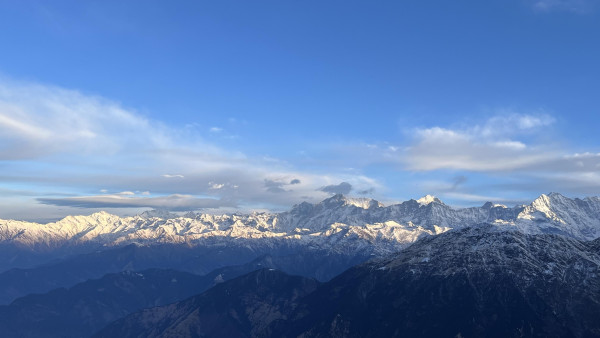
Just 1.5 km beyond Tungnath lies the Chandrashila trek summit (13,000 feet). This final stretch is rougher and often snow-bound, but reaching the summit for sunrise is legendary. Seeing the sun hit the line of Himalayan peaks is an unforgettable, spiritual experience that demands an early start (often 4 AM from Chopta or an overnight stay at Tungnath).
3. The Deoria Tal Trek
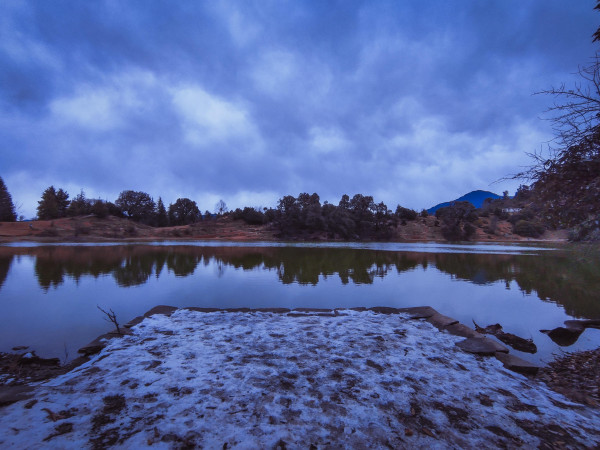
This stunning trek serves as a perfect gentle start or finish to your journey. Starting from the village of Sari (about 20 km before Chopta), the climb to Deoria Tal trek is a manageable 3 km. The reward is a tranquil, reflective lake where the massive Chaukhamba peak is perfectly mirrored in the water. It’s ideal for camping and sunset viewing.
4. Wildlife and Photography
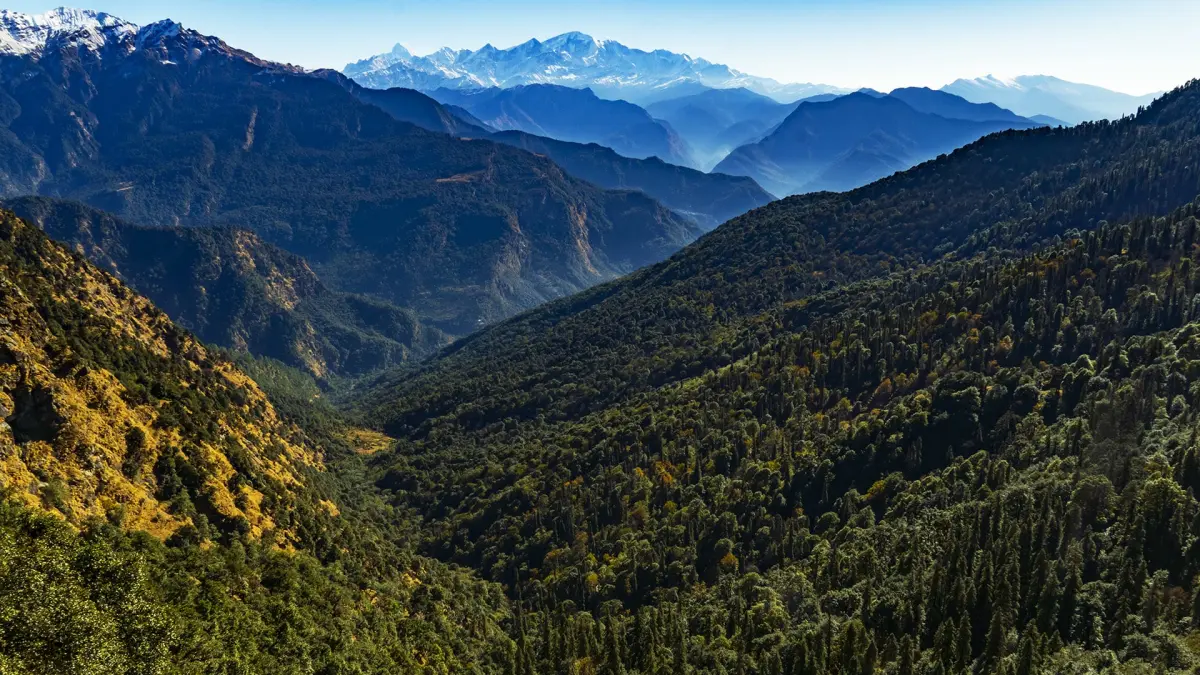
The dense forests of the Chopta Valley fall within the Kedarnath Wildlife Sanctuary. Keep an eye out for Monal pheasants (the state bird of Uttarakhand), musk deer, and various Himalayan birds. The landscape itself the meadows, the forests, and the dramatic peaks is a paradise for high-altitude photography.

Top Things to Do & Activities in Tungnath
Discover a world of unforgettable experiences and top activities at this destination! Whether you’re seeking adventure, cultural immersion, relaxation, or family fun, find the best things to do—from sightseeing and outdoor adventures to culinary delights, spiritual journeys, and local events. Enjoy every moment and make your trip truly memorable!