Discover Amazing Joshimath
Sacred Himalayan town in Uttarakhand, gateway to Badrinath, Valley of Flowers, and Auli—renowned for temples, spirituality, and as a trekking base.
About This Destination
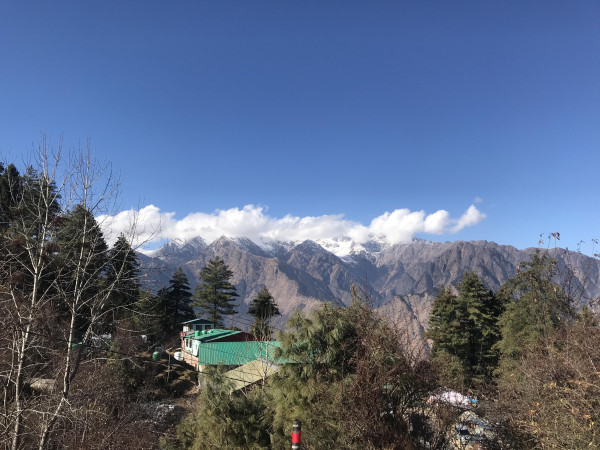
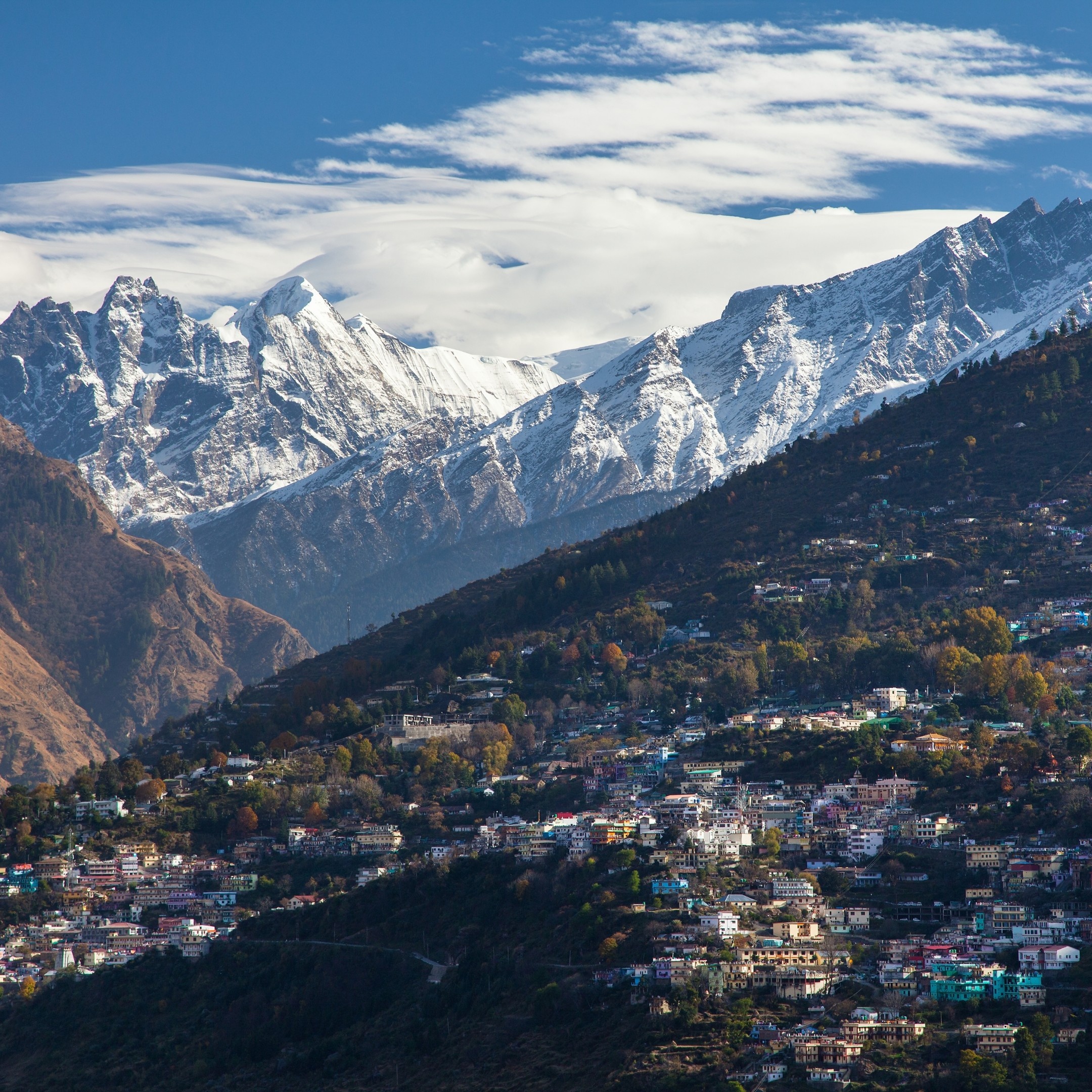
Joshimath, known historically as Jyotirmath, is far more than a stopover on the way to Badrinath it is a town imbued with profound spiritual and historical significance, serving as a pillar of Hindu faith and a critical strategic gateway to the Himalayas. Perched at an altitude of approximately 1,890 meters (6,200 feet) in the Chamoli district of Uttarakhand, Joshimath sits at the confluence of the Alaknanda and Dhauliganga rivers, surrounded by towering peaks.
Its enduring identity is rooted in its establishment as one of the four principal cardinal pithas (monastic centers) by Adi Shankaracharya in the 8th century CE. It is a unique place where devotion and high-altitude adventure meet, functioning not just as a religious hub but as the base for some of the most spectacular treks and the famous ski destination of Auli. This guide explores the multifaceted soul of Joshimath, honoring its legacy while acknowledging its role as a resilient community in the face of modern challenges.
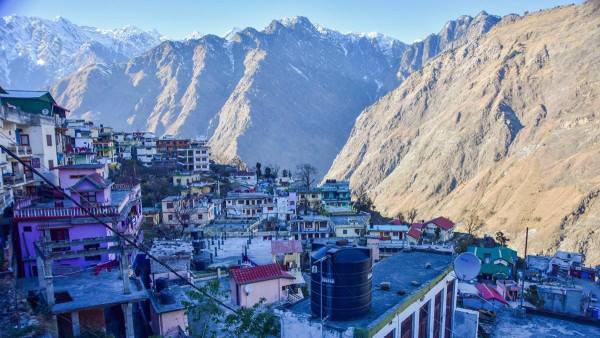
How to Reach Joshimath
Joshimath is located on the NH7 (National Highway) and is a critical link in the Char Dham Yatra circuit.
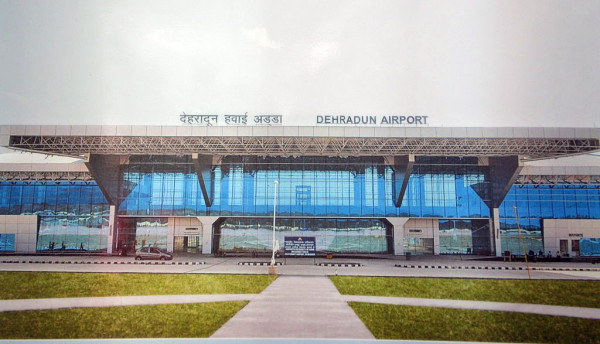
- By Air: The most convenient airport is Jolly Grant Airport (DED), Dehradun, approximately 270 kilometers away. From DED, the journey takes a scenic, but long, 8 to 10 hours by road via Rishikesh, Devprayag, and Rudraprayag.
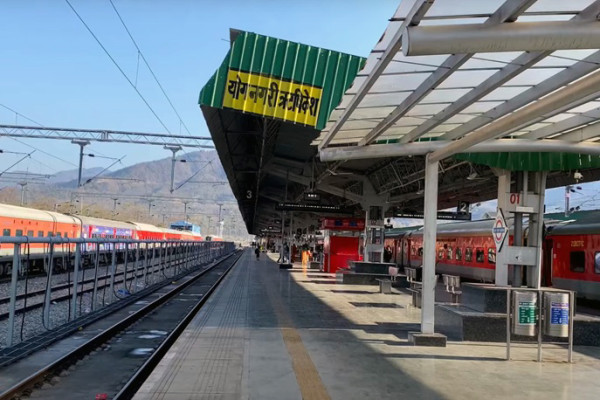
- By Rail: The nearest major railhead is Rishikesh Railway Station (RKSH), about 256 kilometers away. From Rishikesh, you can hire private taxis, shared Sumos, or board state-run buses that offer direct service to Joshimath.
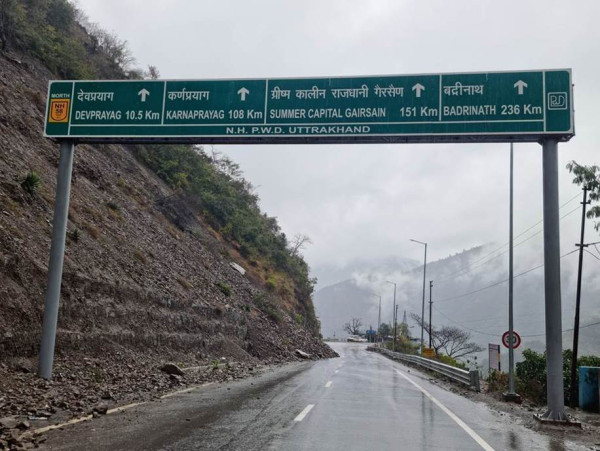
- By Road: Joshimath is well-connected by bus services from major Uttarakhand towns like Rishikesh, Haridwar, Dehradun, and Pauri. Shared jeep services are a popular, cost-effective way to travel the winding mountain roads.
Overview: The Pillar of Hindu Philosophy and Faith
Joshimath's foundation as Jyotirmath by Adi Shankaracharya the revered Hindu theologian who revived Hinduism across India cemented its status as a vital center for the Advaita Vedanta school of philosophy. This historical depth gives the town an air of timeless reverence.
The Winter Home of Lord Badrinath
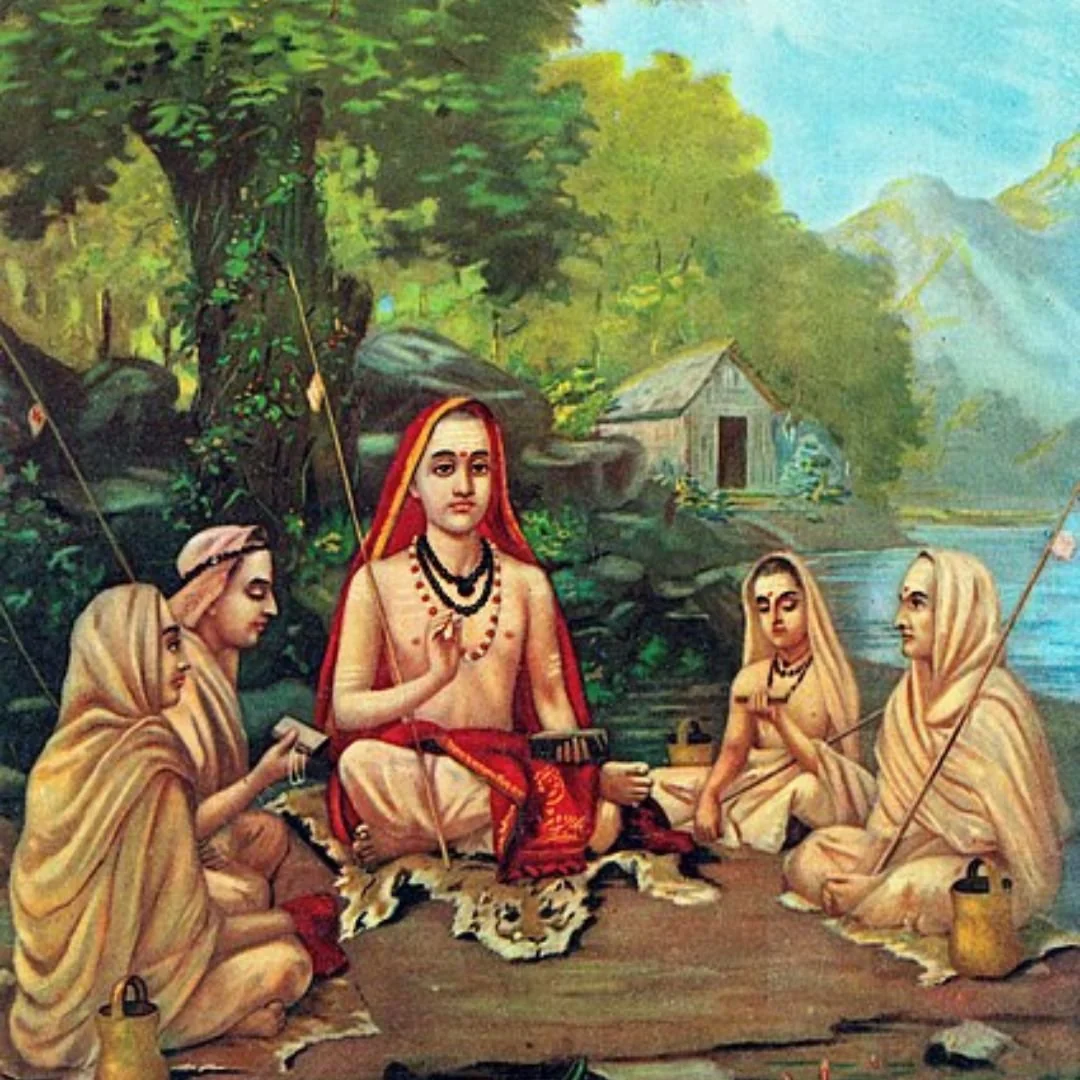
The most defining feature of Joshimath's spiritual life is its role as the winter seat of Lord Badrinath.
- The Ritual Migration: Every winter, as heavy snowfall makes Badrinath Temple inaccessible, the Uddhav and Kuber deities, along with the Rawal (chief priest), are ceremoniously transported down to the Narsingh Temple in Joshimath. The Badrinath deity is then ritually transferred to the Narsingh Temple, where it is worshipped for six months until the temple reopens in the spring.
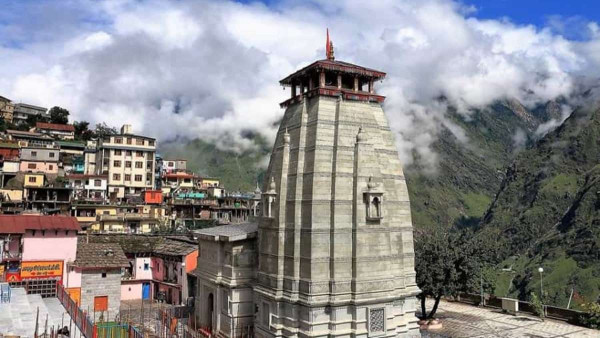
- Narsingh Temple Significance: This 8th-century temple is an essential piece of Garhwal heritage architecture and the center of the town's spiritual life during the cold months. Witnessing the winter rituals and the preparation for the summer reopening offers a unique glimpse into continuous, deeply rooted Hindu spiritual practice.
Shankaracharya's Enduring Legacy
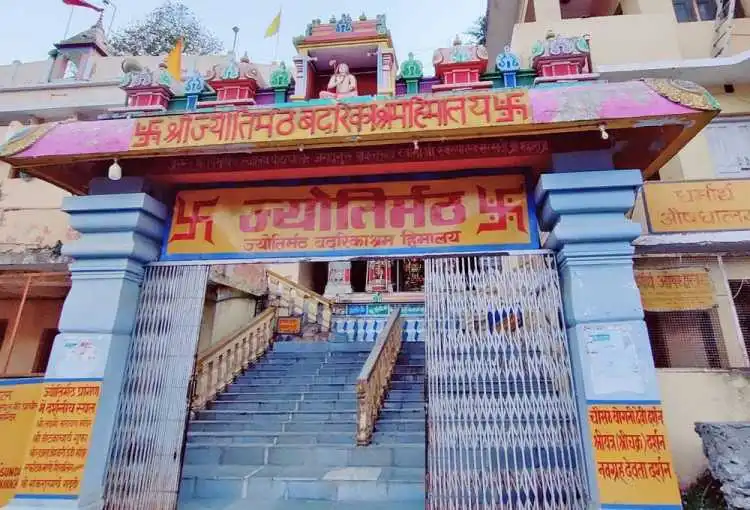
- Shankaracharya Math: The monastery established by Adi Shankaracharya remains a powerful center of learning and spirituality. It houses a sacred cave and a revered Jyoteshwar Mahadev temple, connecting the site directly to the theologian's mission of integrating spiritual philosophy across India. This area is perfect for spiritual retreat and contemplation.
Places To Visit In Joshimath
Joshimath’s location on the main highway ensures it is the essential base camp for some of the most rewarding high-altitude adventures in the Garhwal Himalayas.
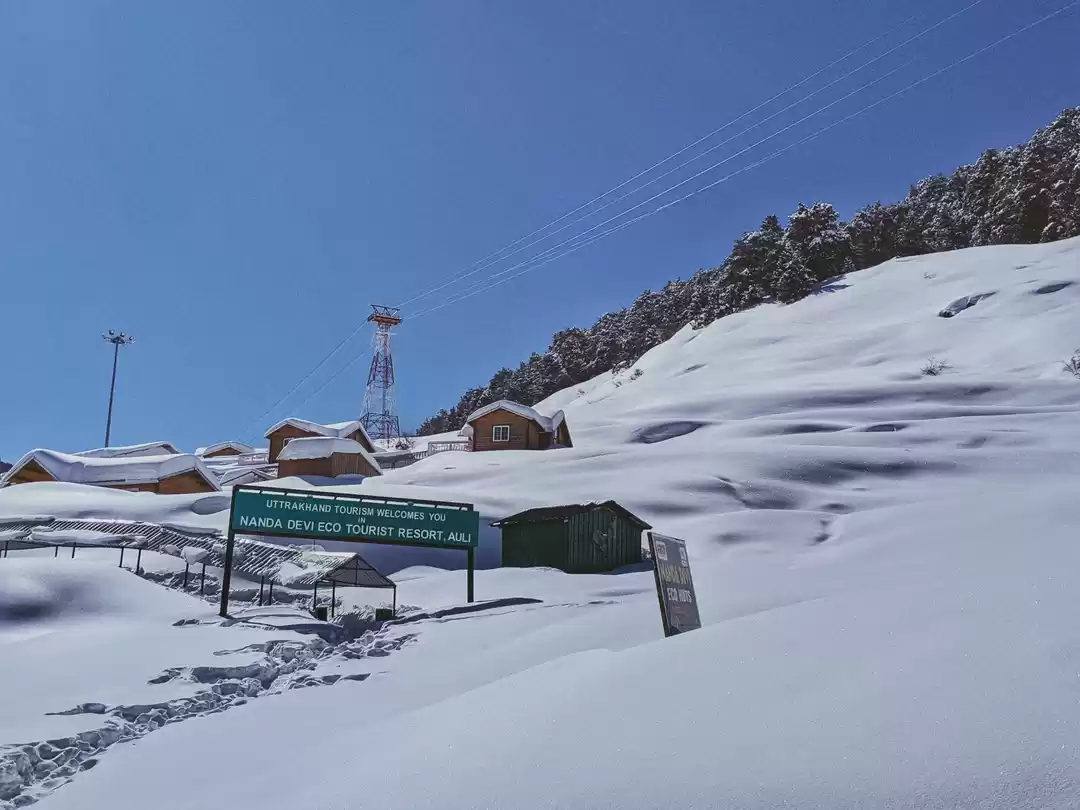
Auli:
Just 13 kilometers uphill from
- Auli Ropeway: The longest Joshimath is Auli, known for its stunning meadows and becoming India's most popular skiing and winter sports hub during the snowfall months.and highest cable car ride in Asia connects Joshimath directly to Auli. The 4.15-kilometer ride provides panoramic views of the Nanda Devi, Hathi, Ghori, and Mana peaks, making the journey an exhilarating adventure tourism experience in itself.
- Winter Sports: From late December to March, Auli is transformed into a winter wonderland, offering opportunities for skiing, snowboarding, and sledging, appealing to both beginners and advanced enthusiasts.
High-Altitude Trekking Opportunities
Joshimath is the strategic access point for some of the region's most famous and rigorous treks:
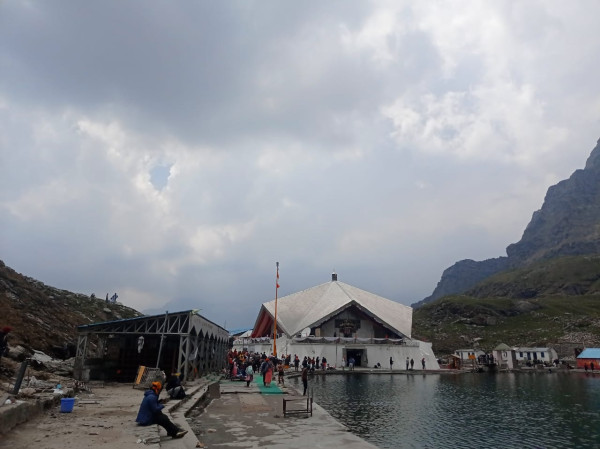
- Valley of Flowers & Hemkund Sahib: Joshimath serves as the overnight base before starting the journey to Govindghat, the starting point for the trek to the UNESCO World Heritage Site, the Valley of Flowers National Park (famous for its diverse Himalayan alpine flora) and the sacred Sikh pilgrimage site, Hemkund Sahib.
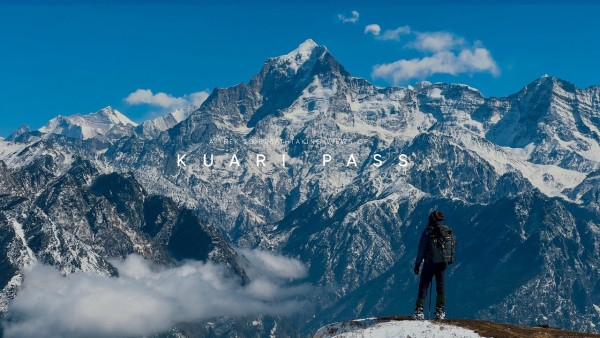
- Kuari Pass Trek: Known as the 'Lord Curzon Trail,' this is one of the most famous offbeat trekking Uttarakhand routes in the region. It offers unparalleled Himalayan views of peaks like Trishul, Nanda Devi, Dronagiri, and Kamet, making it a dream for offbeat photography tours.
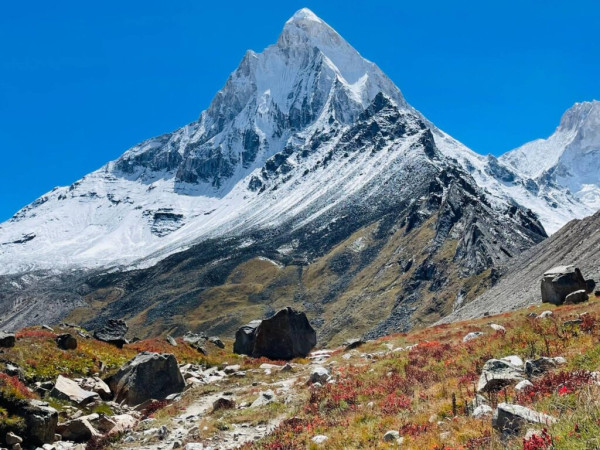
- Tapovan Hot Springs: A short drive and trek from Joshimath lead to the therapeutic Tapovan Hot Springs, a geological marvel where travelers can relax in the natural heat after a day of hiking a perfect spot for a simple nature retreat.
The Resilient Community: Culture and Access
Joshimath is a living testament to the resilience of the Bhotia and Garhwali communities, who have adapted their lives to the seasonal fluxes of the high Himalayas and the demands of pilgrimage.
Cultural Immersion and Local Craft
- Bhotia Woolen Craft: Due to the proximity to the tribal settlements of the Mana Valley, Joshimath is an excellent place to find genuine Bhotia woolen handicrafts, including hand-knitted shawls, carpets, and traditional Pankhi (woolen blankets). Engaging with the local shops directly supports local entrepreneurship and indigenous tribal culture.
- Garhwali Regional Food: The cuisine here is simple, hearty, and designed for the cold climate. Look for local eateries serving Garhwali regional food staples like Kafuli (spinach curry), Mandua ki Roti (finger millet flatbread), and various high-protein pulses (Dal), offering a necessary cultural exchange through food.
Best Time to Visit Joshimath
Joshimath offers distinct appeals across the year, making the choice dependent on whether you prioritize easy access and spirituality, or winter sports and snow.
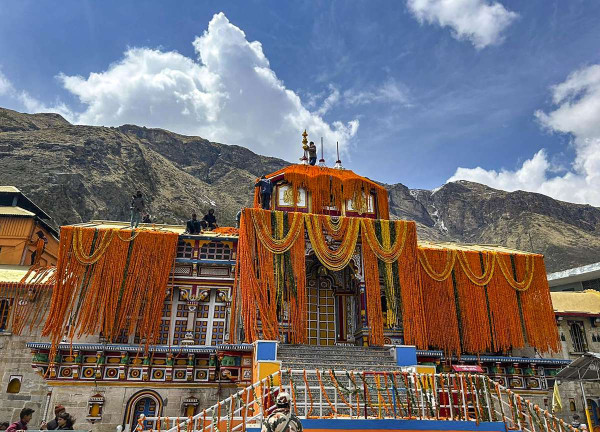
- Peak Season (April to June): This is the best time for pilgrimage and easy trekking. The weather is cool and pleasant (average 15 °C to 25 °C), ideal for exploring the math and beginning treks to the Valley of Flowers and Badrinath. The roads are clear, and all services are fully operational.
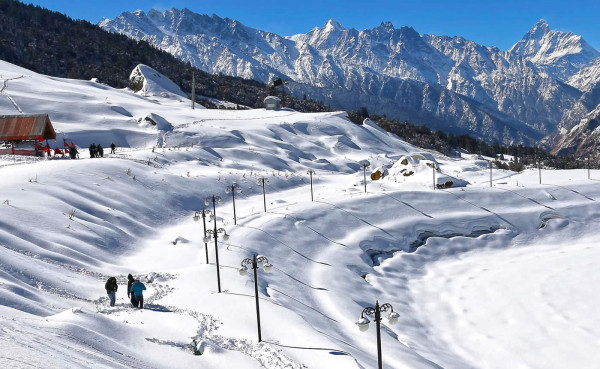
- Winter Sports Season (December to March): This is the ideal time for skiing and enjoying Auli. The lower reaches of Joshimath remain mostly clear, but the temperature is very cold (often below freezing). Snowfall transforms the region into a stunning winter wonderland.
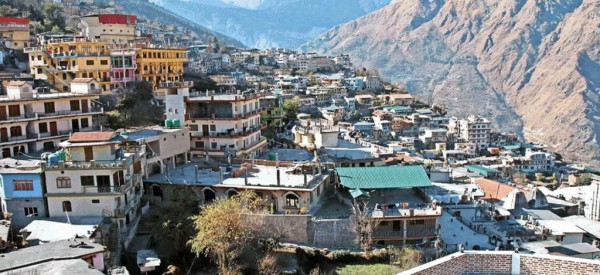
- Autumn (September to November): The monsoon has receded, leaving the skies clear and the atmosphere crisp. This is the best time for stunning Himalayan views and high-altitude photography tours. The air is clean, and the environment is serene before the onset of heavy winter snow.
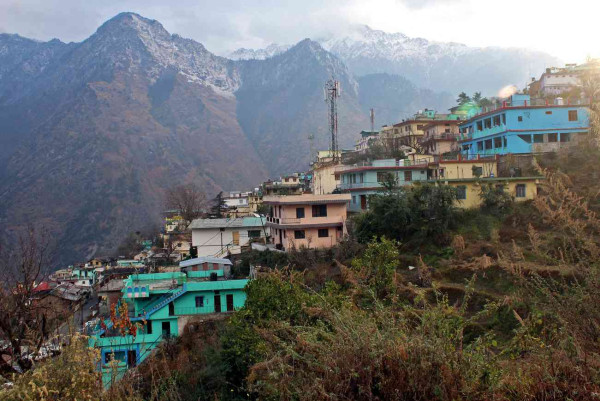
- Monsoon (July to August): Heavy rainfall can lead to landslide risks and road closures, making travel unpredictable. However, this is the season when the lush greenery is at its peak, and hotel rates are lowest, appealing to solitude travel seekers.
Top Things to Do & Activities in Joshimath
Discover a world of unforgettable experiences and top activities at this destination! Whether you’re seeking adventure, cultural immersion, relaxation, or family fun, find the best things to do—from sightseeing and outdoor adventures to culinary delights, spiritual journeys, and local events. Enjoy every moment and make your trip truly memorable!