Discover Amazing Bali
Bali is Indonesia's premier island destination, known for its stunning beaches, vibrant culture, ancient temples, lush rice terraces, and world-class diving. Experience tropical paradise with adventure, relaxation, and spiritual experiences in this exotic island gem.
About This Destination
Let's be honest: when you think of a perfect tropical escape, your mind draws a picture, and that picture is probably Bali. But this Indonesian island is far more than just a collection of beautiful beaches and infinity pools. It is a living, breathing entity driven by deep Hindu spirituality, ancient arts, and the profound philosophy of Tri Hita Karana harmony with God, with humanity, and with nature.
As a travel planner, my goal is not to sell you a postcard, but to help you design a journey that respects this harmony, allowing you to move beyond the tourist crowds and tap into the island's genuine soul. Bali is a destination that demands to be explored in segments, offering distinct worlds from the spiritual core of Ubud to the surfer’s paradise of Uluwatu. This guide breaks down everything you need to know to make your trip authentic, helpful, and unforgettable.
Bali’s Tapestry: An Overview of the Island’s Regions
Before booking a single hotel, you must understand Bali's geographical and cultural breakdown. The island is divided into distinct zones, each offering a completely different atmosphere and set of activities.
The South: Beach Clubs, Surf, and Buzz (Kuta, Seminyak, Canggu, Uluwatu)
- Vibe: Modern, bustling, and heavily developed. This is the place for high-end dining, boutique shopping, and the world-famous Balinese beach clubs.
- Key Highlights: Surfing lessons (Kuta/Canggu), spectacular sunset views from clifftop temples (Uluwatu), and the digital nomad scene (Canggu).
The Centre: Culture, Greenery, and Spirituality (Ubud, Sidemen)
- Vibe: The spiritual and cultural heartland. Think yoga retreats, rice terraces, lush jungles, and healing arts. It’s cooler, calmer, and wetter than the coast.
- Key Highlights: The Sacred Monkey Forest Sanctuary, the Tegallalang Rice Terraces, traditional dance performances, and Ayurvedic spas.
The East: Diving, Temples, and History (Amed, Candidasa)
- Vibe: Quiet, authentic, and slow-paced. This region is dominated by the majestic Mount Agung volcano and is famed for its black sand beaches and underwater sites.
- Key Highlights: The USAT Liberty Wreck dive site in Tulamben, the Tirta Gangga Water Palace, and the opportunity to hike the lower slopes of Mount Agung.
The North: Waterfalls, Lakes, and Seclusion (Munduk, Lovina)
- Vibe: Remote, cool, and less-visited by mass tourism. The climate is generally wetter and the environment is dominated by volcanic lakes and dense rainforests.
- Key Highlights: Dolphin watching in Lovina (black sand beaches), visiting the iconic Ulun Danu Beratan Temple on Lake Beratan, and trekking to hidden waterfalls like Sekumpul.
How to Reach Bali
Bali is an extremely accessible global hub, making arrival straightforward, though it almost always requires a stopover.
By Air:
All international travel to Bali arrives at Ngurah Rai International Airport (DPS), often referred to as Denpasar Airport.
- Non-Stop Flights: While a few airlines offer direct service from major global hubs (like some parts of Australia and specific cities in Asia), most long-haul travel requires one connection.
- Common Connecting Hubs: The most frequent and efficient routes involve a single stopover in major Southeast Asian cities such as Singapore (SIN), Kuala Lumpur (KUL), Bangkok (BKK), or Doha (DOH).
- Visa on Arrival (VoA): For many nationalities, including Indian citizens, Indonesia offers a convenient Visa on Arrival (VoA) or an e-Visa on Arrival, making the entry process relatively smooth. Always check the latest requirements before your departure.
Getting Around the Island
Bali does not have an extensive public transport system (trains or large buses). The three best ways to move between regions are:
- Hiring a Private Driver: This is the most practical, safest, and often the most economical choice for long-distance day trips and transfers between hotels (e.g., from Seminyak to Ubud). Drivers are knowledgeable, air-conditioned cars are comfortable, and rates are very reasonable.
- Renting a Scooter/Motorbike: Perfect for independent, experienced riders who want to explore one specific region (like Ubud or Canggu).
- Warning: Bali traffic is chaotic, and accidents are common. International driving permits are legally required.
- Ride-Sharing Apps: Apps like Gojek and Grab are widely used for short trips, especially in the busy southern areas, but are often restricted from operating near popular tourist spots and taxi stands.
When to Go: Understanding the Seasons
Choosing the perfect time to visit is crucial for the Balinese experience, especially if you plan to spend most of your time outdoors.
The Best Time to Visit Bali: The Dry Season (April to October)
The overall best time to visit bali is during the island's dry season, specifically the shoulder months for the perfect balance of weather and crowd levels.
- Peak Dry Season (July and August):
- Weather: Consistently sunny, low humidity, and very little rain. This is prime weather for the beaches, hiking, and water sports.
- Vibe: Crowds are at their highest, especially from Europe and Australia. Prices for accommodation and flights are at their peak.
- Shoulder Season (May, June, and September, early October):
- Weather: Excellent still dry, sunny, and comfortable.
- Vibe: This is arguably the absolute best time. The crowds thin out compared to peak months, prices are slightly lower, and you retain the best of the weather conditions. Ideal for divers as visibility is superb.
The Wet Season (November to March)
- Weather: High humidity, high rainfall, and consistent warmth. Rain usually falls in intense, but short, tropical downpours, often in the afternoon, though sustained rain for days is possible. December and January are the wettest.
- Vibe: The island is at its lushest and greenest. Accommodation prices are lower (except for the Christmas/New Year spike). This is the best time for cultural exploration, cooking classes, yoga, and wellness retreats, as you don't rely on perfect beach weather.
The Ultimate Bali Itinerary: Core Experiences
To get the full essence of Bali, you must split your time between the coast and the cultural interior. Here are the non-negotiable experiences.
Culture and Nature (Ubud and Surroundings)
- The Rice Terraces: Move beyond the crowded Tegallalang and visit the Jatiluwih Rice Terraces (a UNESCO World Heritage site). This immense landscape, sustained by the ancient subak irrigation system, offers longer, quieter walking paths and a profound connection to Balinese agricultural life.
- Water Purification at Tirta Empul: Participate in the sacred ritual at this major temple near Ubud. Following local custom, you immerse yourself in the spring-fed pools and pass under a series of fountains for spiritual cleansing a humbling and powerful cultural experience.
- Morning Hike up Mount Batur: For the adventurous soul, waking at 3:00 AM to trek up this active volcano offers a world-class sunrise view over the caldera and the surrounding lakes. You literally cook eggs on the active volcanic steam at the summit.
- Balinese Dance and Gamelan: Do not leave Ubud without witnessing the intricate, hypnotic Kecak Fire Dance or the elegant Legong Dance performed at the Royal Palace or a local temple.
Coastline and Temples (The South and West)
- Sunset at Uluwatu Temple: Perched precariously on a sheer cliff face 70 meters above the Indian Ocean, this is one of Bali’s most dramatic temples (Pura Luhur Uluwatu). The timing is perfect to combine the sunset viewing with the mesmerizing Kecak Fire Dance held in the amphitheatre nearby.
- Surfing Lessons in Canggu or Kuta: Whether you are a total beginner (Kuta offers gentle waves) or an intermediate (Canggu/Echo Beach), learning to ride a wave is a quintessential Balinese experience.
- Tanah Lot Temple: This is Bali's most photographed temple, sitting dramatically on a rock formation surrounded by the sea. While it can be crowded, the sheer majesty of the silhouette at sunset is worth navigating the crowds.
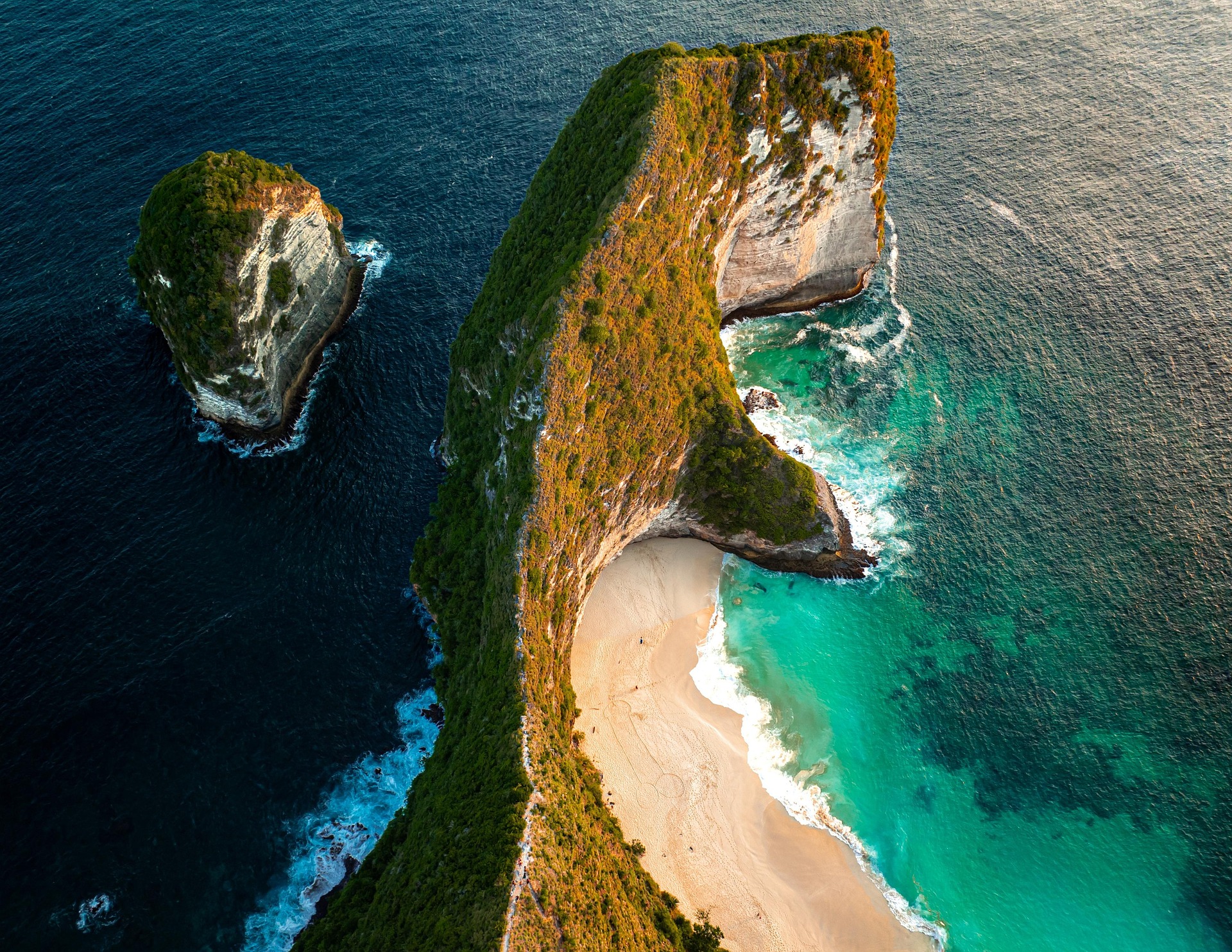
- Island Hopping to Nusa Penida: Take a fast boat from Sanur to the rugged, breathtaking island of Nusa Penida. The sheer cliffs, dramatic coastline, and famous views (like Kelingking Beach, or "T-Rex Beach") feel like a completely different planet. You can also snorkel or dive with Manta Rays here.
Wellness and Culinary Immersion
- Ayurvedic Massage and Flower Bath: Bali is a sanctuary for holistic wellness. Indulge in a traditional Balinese massage using frangipani and coconut oil, followed by an elaborate flower bath at a high-end spa in Ubud.
- Balinese Cooking Class: Learn to grind spices and prepare the flavour-packed local cuisine, such as Nasi Campur (mixed rice), Babi Guling (suckling pig if non-vegetarian), or the delicious chicken satay (Sate Lilit). This unlocks the secrets of the island’s aromatic food culture.
Hidden Gems and Nearby Trips
For those with more than seven days, venture beyond the main island for untouched beauty.
- Sidemen Valley: Often called the "new Ubud," this valley offers the same stunning rice paddy views and peace, but without the crowds. It's perfect for genuine, slow travel and homestay experiences.
- The Gili Islands (Gili Trawangan, Gili Air, Gili Meno): Just a short fast boat ride from Bali, these three tiny islands off the coast of Lombok offer a complete escape. There are no cars or scooters only bicycles and horse-drawn carts (cidomos). They are famous for spectacular snorkelling, diving, and ultra-relaxed vibes.
- Lombok: The large, rugged island next door offers a stark contrast to Bali. It is quieter, more conservative, and home to the massive Mount Rinjani, a challenging multi-day hike for serious trekkers.
The Balinese Way: Respectful Travel
The true beauty of Bali lies in its spiritual kindness. As a guest, you are expected to respect the local traditions.
- Temple Etiquette: Always wear a sarong and a sash when entering a temple (these are usually available for hire). Do not enter if you are menstruating, have an open wound, or are under the influence of alcohol.
- Daily Offerings (Canang Sari): These small, palm-leaf baskets of flowers, rice, and incense are placed everywhere on sidewalks, doorsteps, and shrines. Never step on them; walk around them respectfully.
- Language: Learning a few basic phrases Terima Kasih (Thank you) and Selamat Pagi (Good morning) will be genuinely appreciated by the local people.
Bali offers a transformative experience, seamlessly blending adventure, peace, and profound culture. Go with an open heart and a willingness to explore, and you will find it is truly the Island of Gods.
Frequently Asked Questions
- How long should I stay in Bali?
Most first-time travelers plan 7–10 days. This Bali travel guide suggests 10–14 days to include a mix of beaches, Ubud, and an island hop to Nusa Penida or Lombok. - Do I need a visa to visit Bali?
Visa rules change by nationality. Many travelers receive a visa on arrival or use visa-exemption arrangements. Check current Indonesian immigration rules before travel as advised in this Bali travel guide. - Is Bali expensive?
Bali caters to all budgets. Luxuries are comparable to international prices, but food, transport, and budget stays can be very affordable — a useful point in any Bali travel guide. - Is Bali safe for solo travelers and families?
Yes. Families and solo travelers commonly visit Bali. Follow normal precautions and respect local customs as explained in this Bali travel guide. - Can I drink tap water in Bali?
Tap water is not recommended for drinking. Use bottled or filtered water; many accommodations provide filtered dispensers — an important health tip in this Bali travel guide. - When is the best time for diving and snorkeling?
April to October offers clearer water in many dive sites. Nusa Penida has strong currents; go with experienced operators as suggested in this Bali travel guide. - Can I hire scooters in Bali?
Yes, scooters are widely available and a popular way to explore. Ensure you have the correct license and helmet and understand local traffic rules — a safety suggestion in this Bali travel guide. - What cultural etiquette should I follow?
Dress modestly at temples, avoid stepping over offerings, and use your right hand for gestures in formal situations — all cultural notes covered in this Bali travel guide. - Are there medical facilities in Bali?
Good hospitals and clinics exist in Denpasar, Kuta, and Ubud for routine care and emergencies. Travel insurance with medical evacuation is recommended by this Bali travel guide. - How can I include eco-friendly travel in my Bali trip?
Choose responsible tour operators, reduce plastic use, and respect coral and marine life. This Bali travel guide encourages low-impact choices to protect island ecosystems.
Top Things to Do & Activities in Bali
Discover a world of unforgettable experiences and top activities at this destination! Whether you’re seeking adventure, cultural immersion, relaxation, or family fun, find the best things to do—from sightseeing and outdoor adventures to culinary delights, spiritual journeys, and local events. Enjoy every moment and make your trip truly memorable!
Popular State in Bali
Discover the most popular states in Bali. Whether you're looking for a relaxing getaway, a family-friendly trip, or a solo adventure, we have the perfect state for you. Book now and experience the best of Bali like never before!
Popular City in Bali
Explore our selection of popular packages in Bali. Whether you're looking for a relaxing getaway, a family-friendly trip, or a solo adventure, we have the perfect package for you. Book now and experience the best of Bali like never before!