Discover Amazing Rajasthan
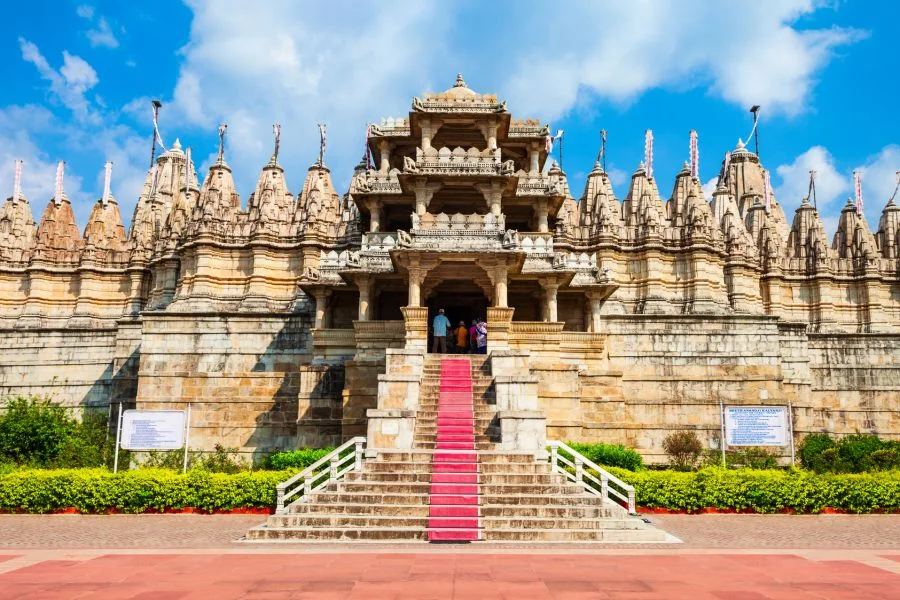
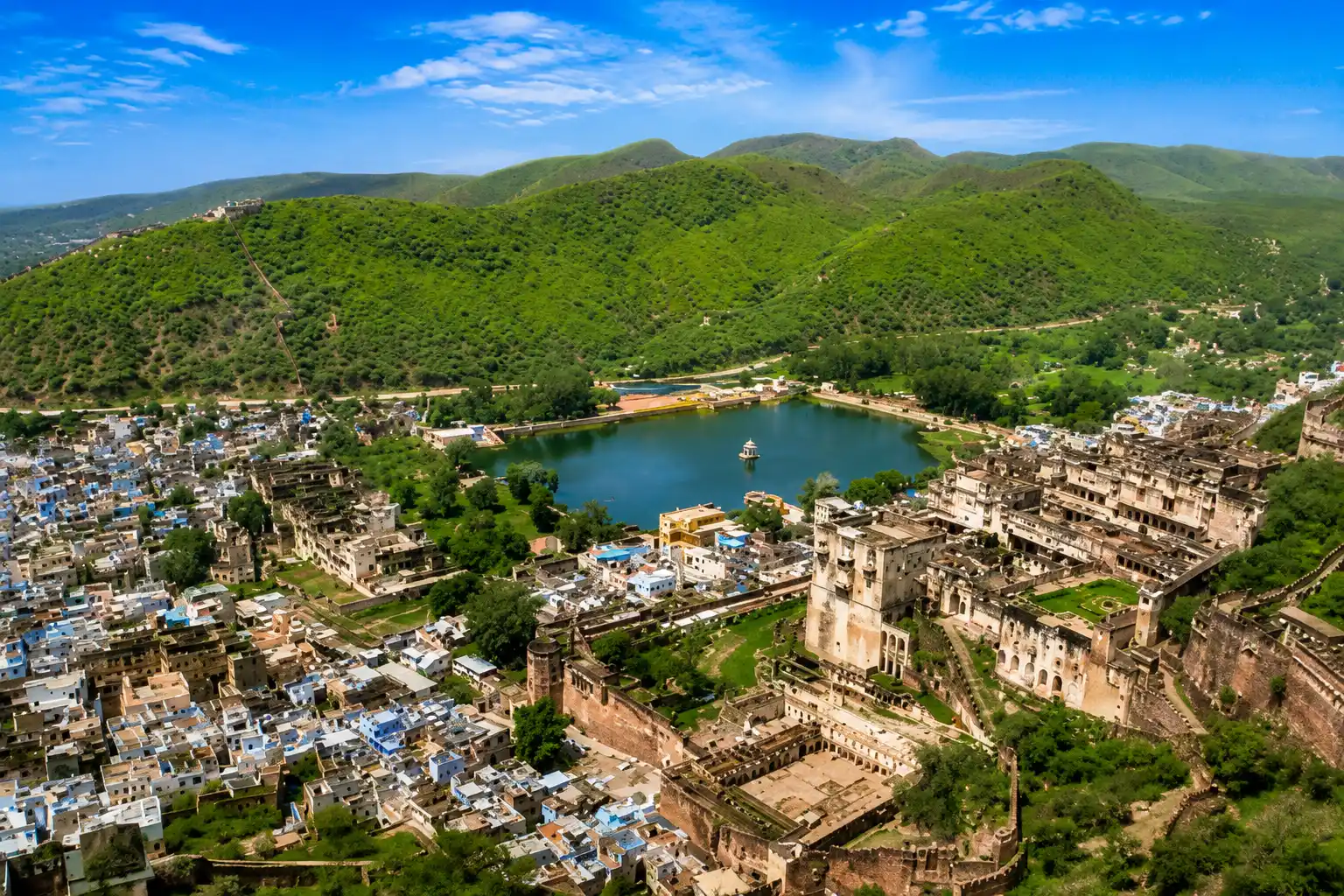
Step into a royal world of majestic forts, golden deserts, and vibrant culture. Explore Jaipur's palaces, camp under stars in Jaisalmer, spot tigers in Ranthambore, and lose yourself in Udaipur's lakes. With folk dances, spicy cuisine, and endless adventures, Rajasthan dazzles at every turn!
About This Destination
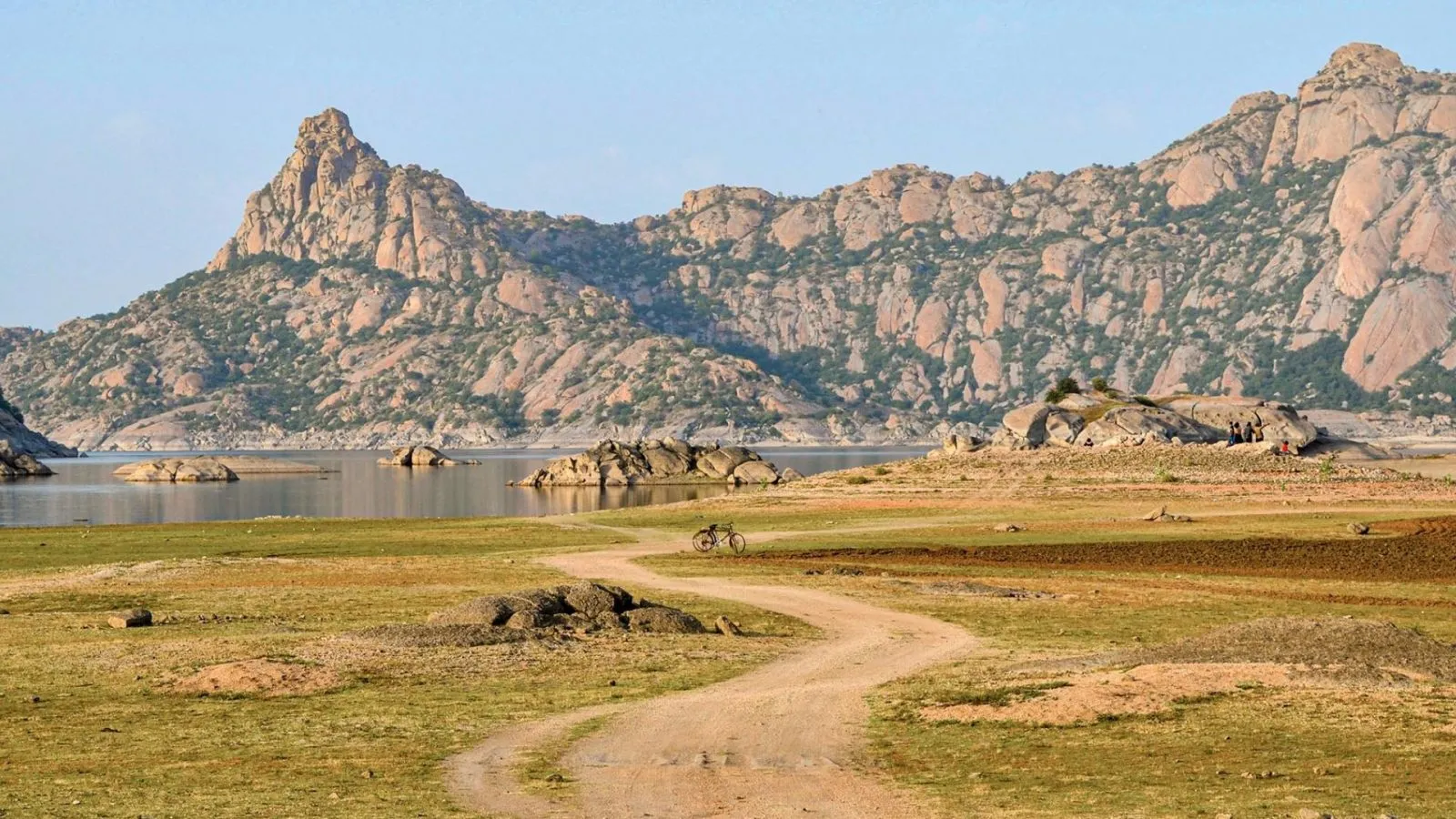
Rajasthan Tour Package: India's largest state by area, is a realm where history breathes and legends roam. Known as the "Land of Kings," it is a vibrant, captivating destination defined by its incredible architectural legacy, its colorful cultural tapestry, and the immense, stark beauty of the Thar Desert. This is a place where every city tells a story, every fort whispers tales of chivalry and sacrifice, and every sunset over the sand dunes feels like a scene from an epic. This guide invites you to explore the genuine, resilient soul of Rajasthan a state built on pride, passion, and spectacular preservation.

Overview: The Rajput Legacy and Geographical Diversity
Rajasthan's identity is inextricably linked to the Rajput warrior clans who ruled the region for centuries. Their fierce independence, honour (maan), and architectural genius resulted in the monumental forts and intricate palace complexes that survive today.
Geographical Zones and Heritage
The state is geographically divided into two main parts by the Aravalli Range, one of the oldest mountain ranges in the world:
- The North-West (Desert Region): This vast expanse includes the Thar Desert (or Great Indian Desert) and is characterized by sand dunes, arid climate, and the golden sandstone architecture of Jaisalmer and Bikaner. This area is the heart of desert culture and resilience.

- The South-East (Hill and Plateau Region): This area is relatively fertile, including the Aravalli hills, lakes (Udaipur), forests, and historic cities like Jaipur and Ajmer. This region provides a stark contrast to the western sands, demonstrating a richer biodiversity and softer landscape.
Administrative Districts
For administrative convenience and to reflect the diverse local cultures, Rajasthan is divided into 50 districts. For a traveler, the state is better understood through its historical regions, defined by the "colour" of their main city:
- Jaipur: The Pink City (Capital and Heritage Hub)

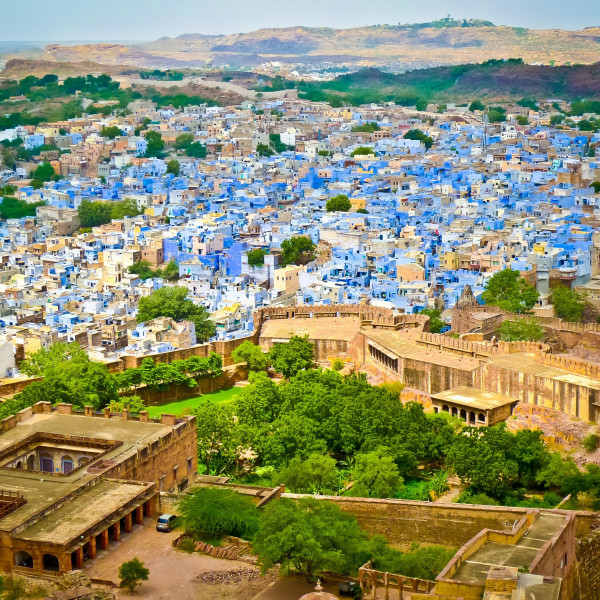
- Jodhpur: The Blue City (Gateway to the Thar)
- Udaipur: The White City (Lakes and Romance)

- Jaisalmer: The Golden City (Deep Desert Culture)

- Bikaner: The Red/Brown City (Desert Forts and Food)

The Golden Triangle and Beyond: Must-Visit Cities
Rajasthan is often explored as an extension of the Golden Triangle (Delhi-Agra-Jaipur), but its true splendour lies in venturing further into the deserts and lakes.
Jaipur: The Pink City (Cultural and Historical Hub)
Overview: The capital and a UNESCO World Heritage Site, Jaipur was founded in 1727 and is famous for the distinctive terracotta-pink wash applied to its old city buildings. It is a vibrant hub of crafts, commerce, and grand architectural planning.
- Things to Do: Explore the magnificent hilltop Amer Fort (arrive early for an immersive experience); photograph the iconic Hawa Mahal (Palace of Winds); visit the royal observatory, Jantar Mantar; and shop for gemstones and textiles in the bustling Johari and Bapu Bazaars an authentic cultural immersion experience.
Udaipur: The White City (Romance and Lakes)

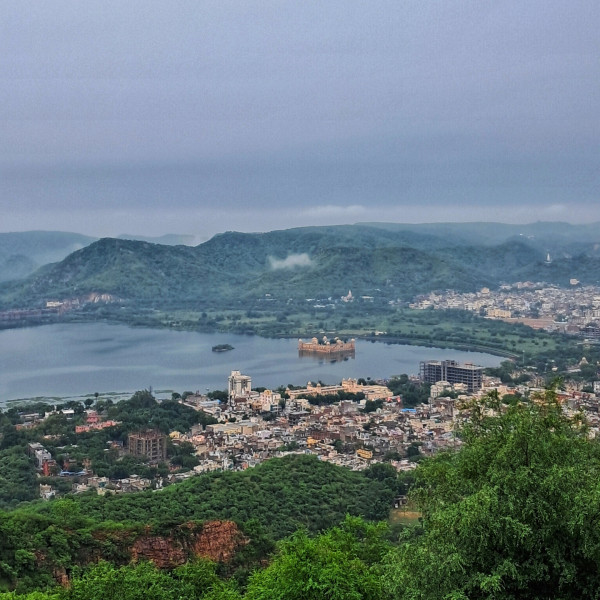
Overview: Known as the "Venice of the East," Udaipur is arguably the most romantic city in India, built around the serene waters of Lake Pichola and framed by the Aravalli hills.
- Things to Do: Take a boat ride on Lake Pichola at sunset for stunning views of the City Palace and the floating Lake Palace (Taj Lake Palace); visit the gargantuan City Palace complex; and stroll through the beautiful Sahelion Ki Bari (Garden of the Maidens). The city is a hub for high-quality miniature painting and craft shopping.
Jodhpur: The Blue City (Desert Gateway)

Overview: The second-largest city, Jodhpur’s old town is famous for the pervasive blue wash on its houses, believed to keep them cool and traditionally linked to the Brahmin caste. It stands as the gateway to the Thar Desert.
- Things to Do: Explore the colossal Mehrangarh Fort, which towers 400 feet above the city its museum and views are unmatched; wander through the blue maze of houses in the old city lanes near the Clock Tower; and enjoy the view of the city’s stunning blue architecture from the fort ramparts.
Jaisalmer: The Golden City (Desert Heart)
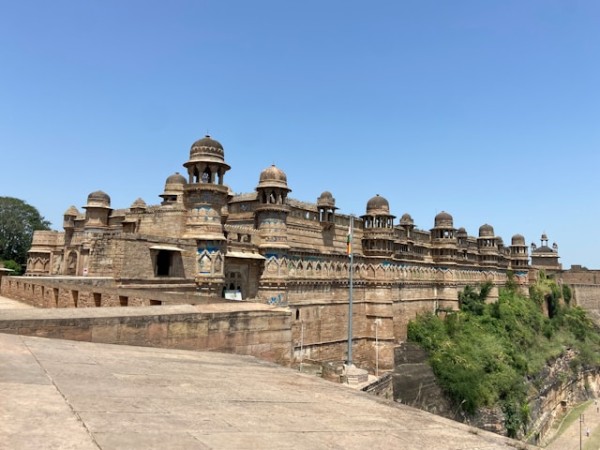
Overview: Located deep in the Thar Desert, Jaisalmer is a magical city built entirely of golden-yellow sandstone, glowing like a mirage under the desert sun.
- Things to Do: Explore the unique, living Jaisalmer Fort (Golden Fort), the only major fort in the world where thousands of people still live; admire the intricate carvings of the Patwon Ki Haveli; and embark on a desert adventure tourism experience (see below).
The Thar Desert Experience: Sand, Stars, and Safari
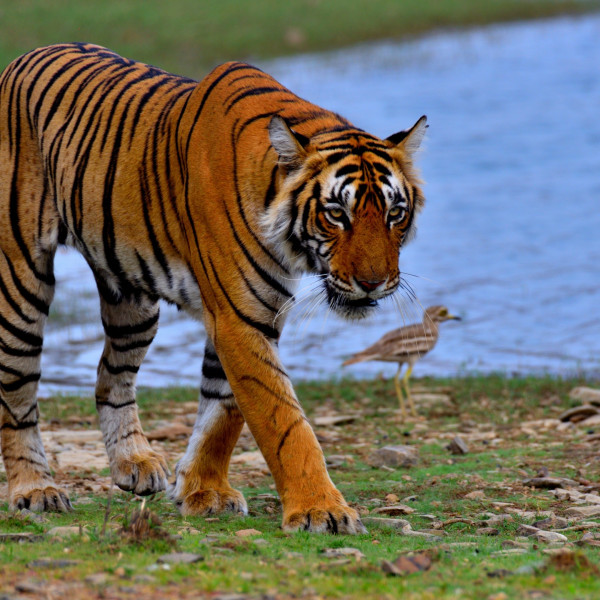
The Thar, or the Great Indian Desert, covers a significant portion of western Rajasthan, stretching into Pakistan. The desert area around Jaisalmer, particularly the Sam Sand Dunes, offers the most accessible and authentic desert experience, characterized by massive, shifting sand dunes.
How to Reach:
The primary base for desert trips is Jaisalmer. From there, you hire a jeep or taxi for the 40-50 km drive to the Sam Sand Dunes or the quieter Khuri village.
Best Time to Visit:
- October to March: Optimal. The daytime temperatures are pleasant (around 25 °C), though nights can be very cold, making desert camping highly comfortable. Summer is brutally hot and should be avoided.
Things to Do:
- Camel Safari: The traditional way to explore the dunes. Opt for an overnight or two-day camel safari for a true cultural exchange with local guides and to see the deep desert life.
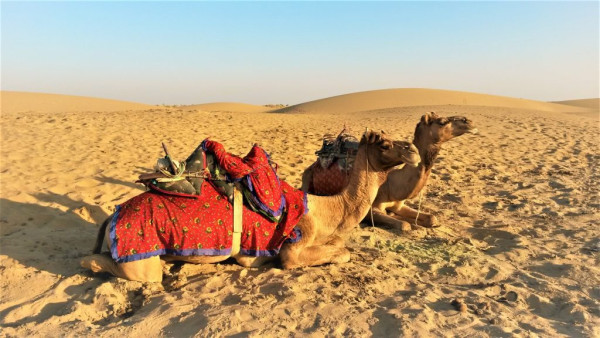
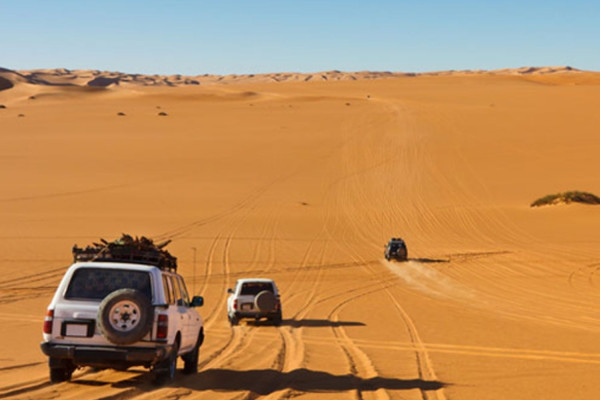
- Jeep Safari and Dune Bashing: For a more high-octane adventure tourism experience, hire a 4x4 for dune bashing on the steep slopes of the sand dunes.
- Overnight Desert Camping: Stay in a luxurious tented camp or a simple Bedouin-style camp under the vast, star-filled desert sky. Enjoy traditional Rajasthani folk music and dance performances around a campfire.
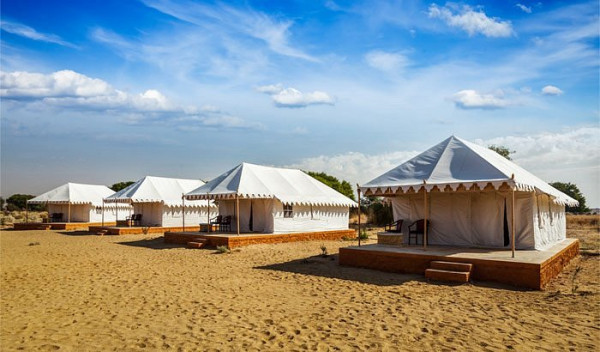
- Visit Khuri Village: A less touristy, more genuine village offering insights into the resilient desert culture and cuisine of the Marwari people.
How to Reach Rajasthan
Rajasthan is easily accessible from all major metropolitan centers in India.
- By Air: Rajasthan has three main international/domestic airports: Jaipur International Airport (JAI), Udaipur Airport (UDR), and Jodhpur Airport (JDH), offering excellent connectivity, especially from Delhi and Mumbai.

- By Rail: The state is connected by an extensive and high-quality railway network. The Palace on Wheels, a luxury tourist train, offers a unique, opulent way to tour the major cities. Regular express trains are fast and efficient.
- By Road: A massive network of national highways connects all major cities. The drive from Delhi to Jaipur (approx. 5 hours) is fast and popular.
Best Time to Visit Rajasthan
Due to the desert climate, the seasonality is crucial for enjoying the trip comfortably.
- Peak Season (October to March): The best time. The weather is cool and dry (daytime temperatures 20 °C to 30 °C). This is the ideal period for sightseeing, desert safaris, and attending local festivals like the Jaisalmer Desert Festival (February).
- Summer (April to June): Brutally hot, with temperatures often soaring above 40 °C. Travel is only recommended if you are restricted by dates and focus on indoor palace tours and late-evening activities.
- Monsoon (July to September): Rajasthan receives low rainfall, but the showers bring a welcome drop in temperature and turn the Aravalli hills lush green, especially around Udaipur and Mount Abu, offering a beautiful, unique contrast to the arid landscapes.
Things to Do: Culture, Crafts, and Culinary Exploration
Rajasthan offers deep cultural engagement through its traditional arts and festive atmosphere.
- Folk Music and Dance: Witness the mesmerizing performances of the Kalbelia (Gypsy) dancers, the intricate Ghoomar dance, and the powerful folk singers whose voices echo the vastness of the desert. Evening cultural performances are available in almost every major city.
- Culinary Exploration: Dive into the hearty, traditionally vegetarian Marwari cuisine. Must-try dishes include: Dal Bati Churma (baked wheat balls served with lentils), Gatte ki Sabzi (chickpea flour dumplings in gravy), and sweet treats like Mawa Kachori. Many traditional thali restaurants offer a deep cultural immersion into regional gastronomy.
- Hot Air Ballooning: Take a sunrise hot air balloon flight over the palaces and forts of Jaipur or Pushkar. This offers a truly spectacular and unique panoramic view of the historical landscape.
- Pushkar Camel Fair (Seasonal): If visiting in late October/early November, plan to attend the famous Pushkar Fair, one of the world's largest traditional cattle and camel fairs, transforming the quiet town into a vibrant spectacle of trade and celebration.
- Shopping for Heritage: Rajasthan is a treasure trove of crafts: shop for exquisite Kundan and Meenakari jewellery, vibrant Bandhani (tie-dye) fabrics, miniature paintings, and beautifully carved wooden furniture and handicrafts in the bustling bazaars of Jaipur, Jodhpur, and Udaipur.

Top Things to Do & Activities in Rajasthan
Discover a world of unforgettable experiences and top activities at this destination! Whether you’re seeking adventure, cultural immersion, relaxation, or family fun, find the best things to do—from sightseeing and outdoor adventures to culinary delights, spiritual journeys, and local events. Enjoy every moment and make your trip truly memorable!
Popular City in Rajasthan
Explore our selection of popular packages in Rajasthan. Whether you're looking for a relaxing getaway, a family-friendly trip, or a solo adventure, we have the perfect package for you. Book now and experience the best of Rajasthan like never before!