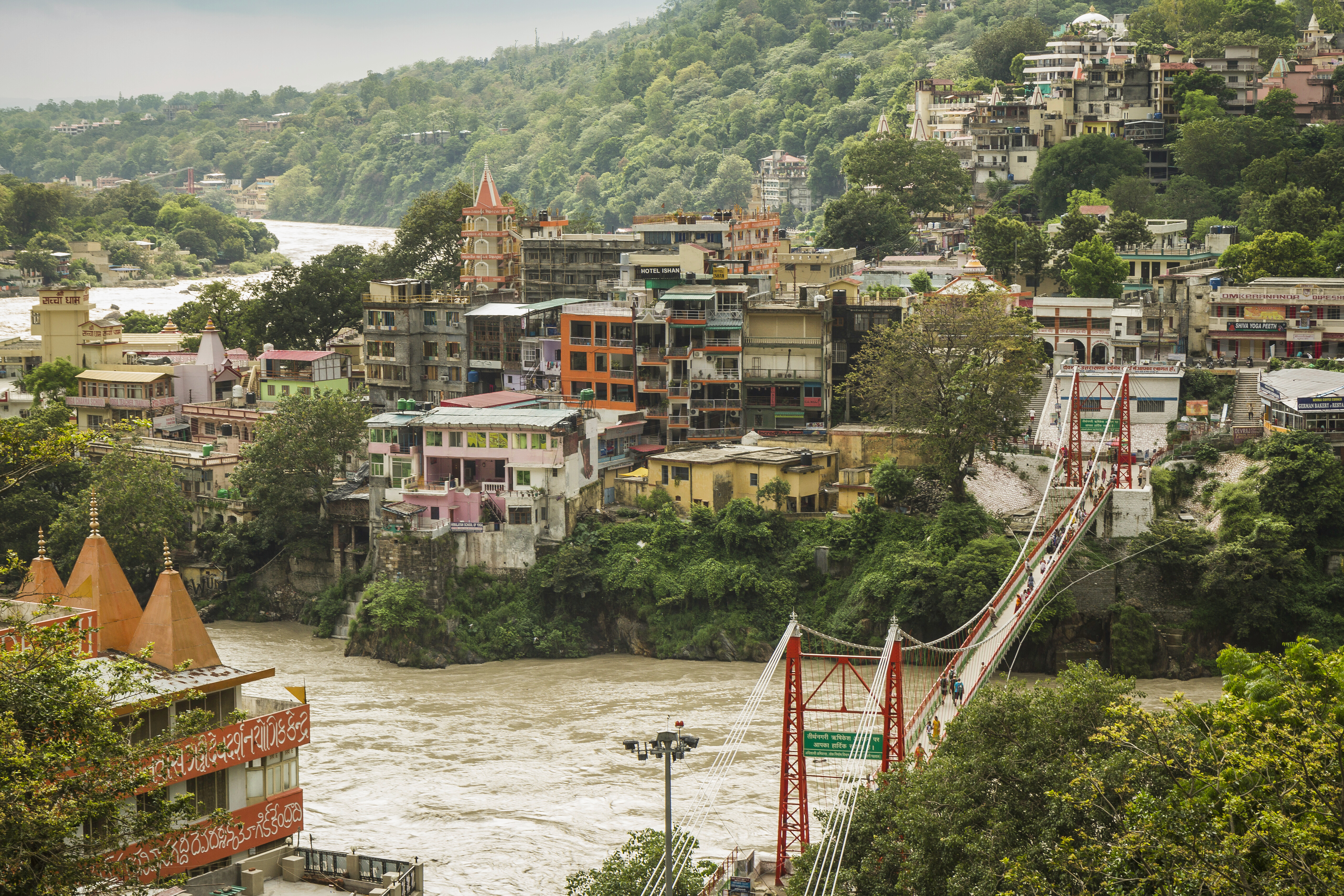
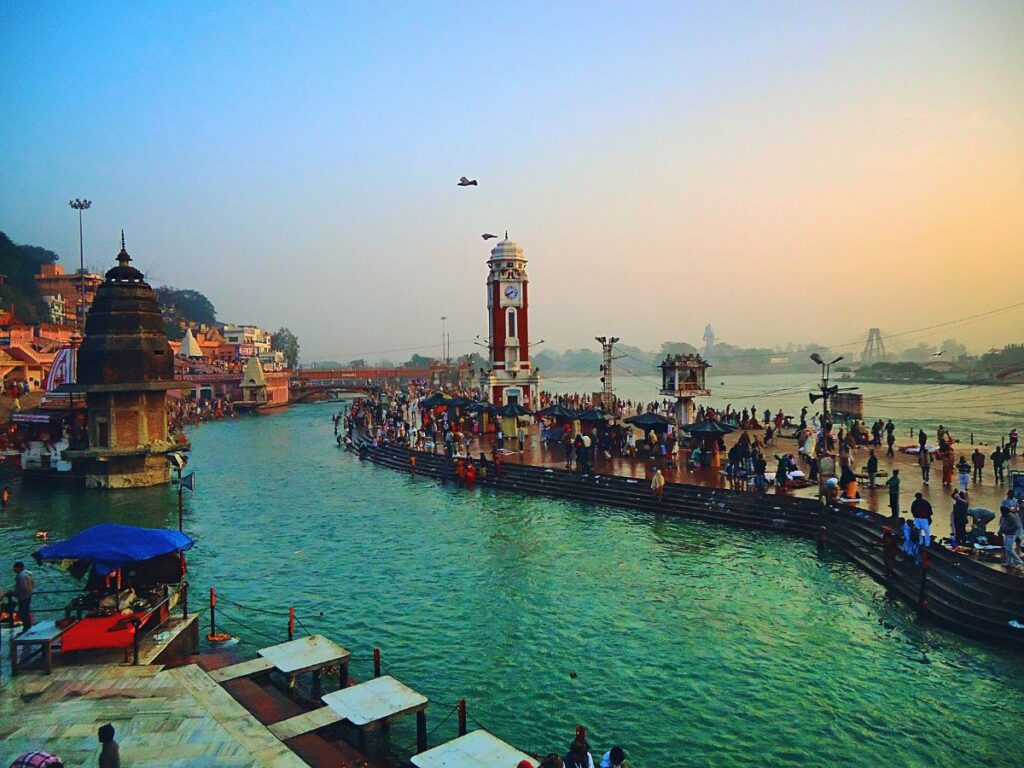
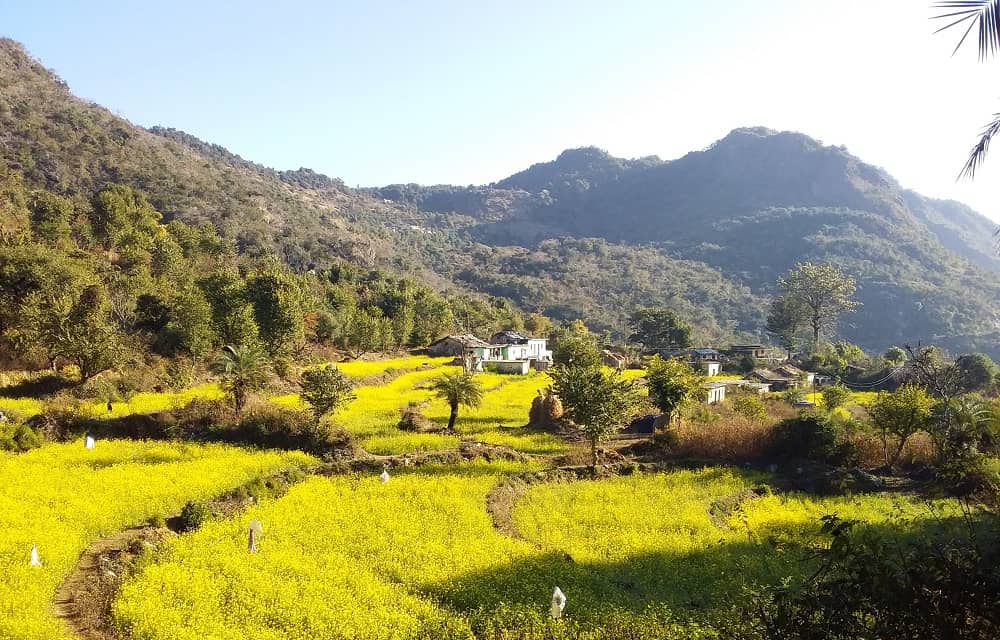
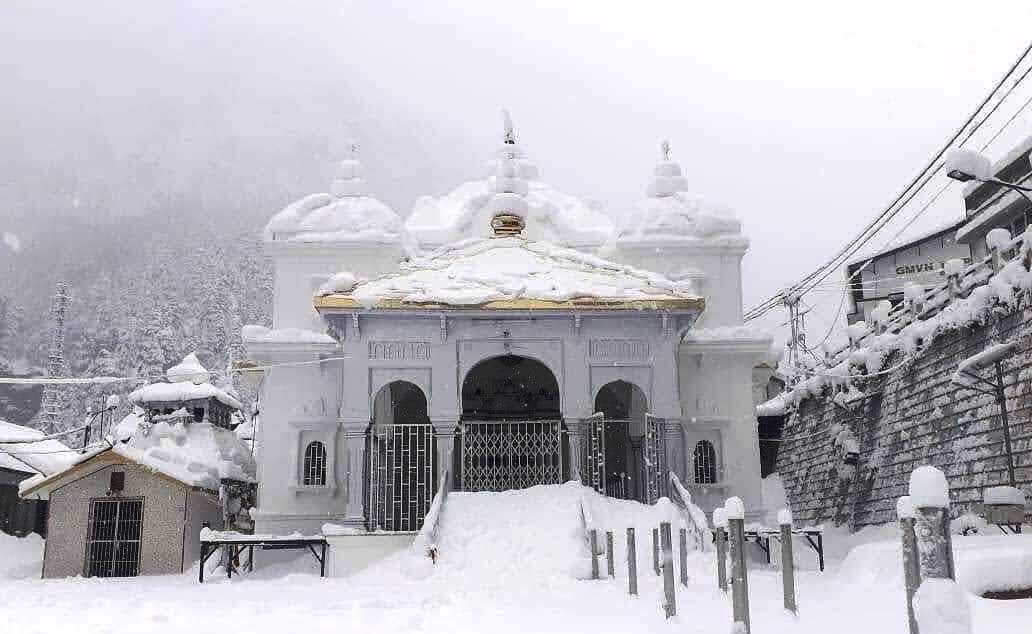
Discover Amazing Nepal
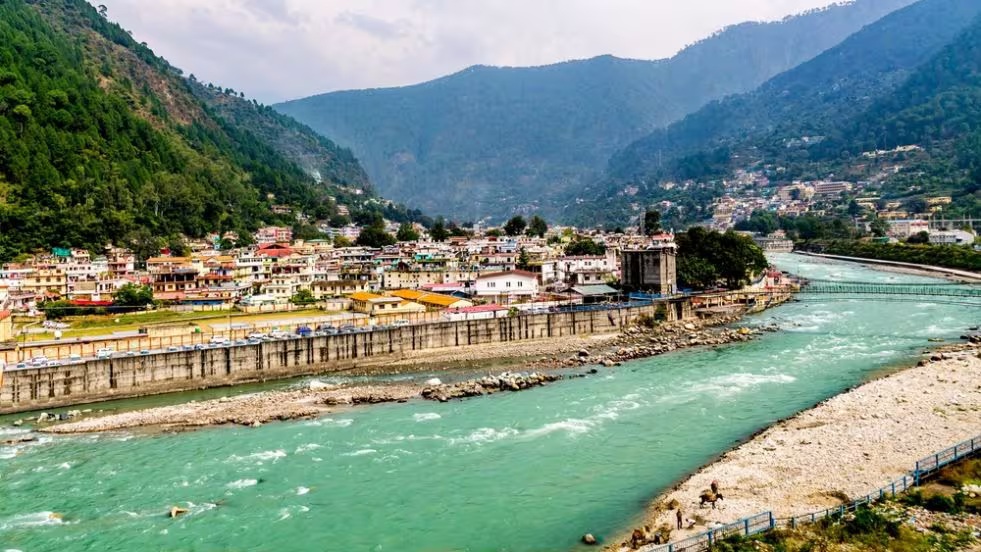
Nepal is a Himalayan paradise known for its breathtaking mountains, ancient temples, adventurous trekking trails, vibrant culture, and friendly locals. Perfect for adventure, nature, spirituality, and history lovers.
About This Destination
Nepal is a landlocked sovereign country nestled in the heart of the Himalayas, a geographical and spiritual sanctuary where soaring mountains meet ancient cities. Often called the "Roof of the World," it is home to eight of the world’s ten highest peaks, including the majestic Mount Everest (Sagarmatha). More than just a destination for high-altitude trekking, Nepal is a profound cultural melting pot, a living museum of history, and the birthplace of Siddhartha Gautama, the Buddha.
The country’s identity is a vibrant, resilient fusion of Hinduism and Buddhism, expressed in its intricate temple architecture, countless festivals, and the inherent warmth of the Nepali people. To travel through Nepal is to witness an incredible vertical landscape, moving from subtropical jungles in the south to the world’s highest glaciers in the north. This guide is your key to discovering the genuine, multifaceted soul of Nepal a nation of unparalleled natural beauty and deep spiritual resonance.
Overview: Geography, Culture, and Administrative Provinces
Nepal’s geography is dramatically divided into three main ecological zones running horizontally across the country: the flat, fertile Terai region (subtropical plains), the Hill region (valleys and lower mountains), and the majestic Mountain region (the high Himalayas). This compression of landscapes creates its spectacular biodiversity.
Cultural Fusion
Nepali culture is a harmonious blend, most visible in the Kathmandu Valley.
- Hinduism and Buddhism: These two faiths are deeply intertwined. It is common to see Hindu deities worshipped in Buddhist monasteries and vice-versa, a unique example of religious syncretism. The ancient crafts of the Newari people (the indigenous inhabitants of the Kathmandu Valley) define the architecture and artistry found in Kathmandu, Patan, and Bhaktapur.
- The Spirit of Hospitality: The Nepali concept of Atithi Devo Bhava (The Guest is God) is genuinely practiced, making visitors feel welcome and safe.
Administrative Structure (Provinces)
Nepal is divided into seven federal provinces, which define its regional governance and unique regional cultures:
- Province No. 1: Known for Mount Everest and the Eastern Himalayas.
- Madhesh Province: Primarily the plains (Terai), agricultural, and culturally distinct.
- Bagmati Province: Contains the capital, Kathmandu, and the historical Patan and Bhaktapur, serving as the cultural heartland.
- Gandaki Province: Home to the Annapurna region and the beautiful city of Pokhara.
- Lumbini Province: Contains Lumbini, the birthplace of Buddha.
- Karnali Province: The largest, most geographically remote, and least developed province, known for its rugged beauty.
- Sudurpashchim Province: The far-western region, known for its unique culture and nature reserves.
The Mighty Himalayas: Nepal’s Unmatched Peaks
Nepal is the undisputed heavyweight champion of high-altitude mountaineering, home to 8 out of the 14 mountains that exceed 8,000 meters (Eight-thousanders).
- Mount Everest (Sagarmatha/Chomolungma): The highest peak in the world (8,848.86 meters). The journey to Everest Base Camp (EBC) is the world's most famous trek, a life-altering experience offering close-up views of the peak.
- Kanchenjunga: The world's third-highest mountain, located on the border with India.
- Lhotse: The world's fourth-highest mountain, connected to Everest by the South Col.
- Makalu: Known for its challenging pyramid shape.
- Cho Oyu, Dhaulagiri, Manaslu, and Annapurna I: The remaining 8,000m giants.
The Trekking Paradise:
Beyond the technical climbs, the Himalayan ranges define Nepal's eco-tourism and adventure sports profile, providing diverse and spectacular trekking routes:
- Annapurna Circuit/Base Camp (ABC): Famous for its dramatic changes in scenery, from subtropical forests to alpine deserts.
- Langtang Valley Trek: Known as the "Valley of Glaciers," offering close views of the Chinese border and distinct Tibetan-influenced culture.
How to Reach Nepal
Reaching Nepal involves flying into the central Kathmandu Valley, with the journey offering stunning aerial views of the Himalayas on a clear day.
- By Air: Tribhuvan International Airport (TIA), Kathmandu: TIA is Nepal’s only international airport, connecting directly to major cities across Asia and the Middle East (e.g., Delhi, Dubai, Doha, Kuala Lumpur). The airport is located in Kathmandu, near the historical city center.
- By Road: For Indian citizens and others, land borders are open. The most popular crossing points are Sunauli (near Gorakhpur, India) and Raxaul-Birgunj. This option is significantly slower but provides a valuable cultural immersion into the Terai plains.
- Internal Travel: Travel within Nepal often relies on domestic flights (e.g., to Pokhara, Lukla) or long-distance buses, which, while cheap, can be slow and challenging due to the mountainous terrain.
Best Time to Visit Nepal
Nepal is highly seasonal, with the success of a trip often depending on clear mountain views and favorable trekking conditions.
- Peak Season (Autumn: September to November): The absolute best time. The monsoon rains have cleared the air, leaving dry days, mild temperatures, and crystal-clear views of the high Himalayas. This is the prime season for trekking and photography.
- Second Peak (Spring: March to May): Excellent weather. The hills are covered in blooming rhododendron forests (especially near Annapurna). Temperatures are warmer, but the views can be slightly hazier than in Autumn.
- Winter (December to February): Cold, especially in the mornings and at high altitudes. While views are very clear, high passes (like the Thorong La on the Annapurna Circuit) are often closed due to snow. Best for lower-altitude treks and sightseeing in the Terai/Kathmandu Valley.
- Monsoon (June to August): Heavy, continuous rain obscures mountain views and makes trekking trails slippery and leech-filled. This is the off-peak season, though the rain shadow areas (like Upper Mustang) remain accessible and dry.
Places to Visit: The Cultural Triangle and Beyond
Nepal’s key visitor areas are the historical Kathmandu Valley and the natural wonderland of Pokhara.
The Kathmandu Valley (Bagmati Province)
This valley is a UNESCO World Heritage Site and the historical center of the Newari civilization, containing three ancient royal cities:
- Kathmandu (The Capital): Home to Durbar Square (the ancient palace and courtyard), the sacred Hindu temple of Pashupatinath (on the Bagmati River), and the iconic Buddhist stupa of Boudhanath, one of the largest spherical stupas in Nepal and a massive center of Tibetan Buddhism.
- Patan (Lalitpur): Known as the "City of Fine Arts," Patan's Durbar Square is famous for its intricate metalwork, stone carvings, and stunning Malla-era architecture. The Patan Museum is a must-visit for understanding Nepali artistry.
- Bhaktapur: The best-preserved of the three royal cities, featuring medieval architecture, including the 55-Window Palace and the tallest temple in Nepal, the five-tiered Nyatapola Temple. It offers a genuine cultural deep dive into the Newari lifestyle.
- Swayambhunath (Monkey Temple): An ancient hilltop stupa offering panoramic views of the entire Kathmandu Valley. Its spiritual harmony with Hindu shikharas and Buddhist stupas is a key symbol of Nepali religious syncretism.
Pokhara (Gandaki Province)
Pokhara is the second-largest city and is famed for its setting on Phewa Lake, offering incredible, close-up, low-altitude views of the Annapurna and Dhaulagiri mountain ranges.
- Phewa Lake: Hire a colorful wooden boat (a dunga) to row out to the center and visit the Barahi Temple located on an island.
- Sarangkot: A hilltop village famous for its spectacular sunrise views over the Annapurna and Machhapuchhre (Fishtail) peaks. It is also the main hub for paragliding.
- World Peace Pagoda (Shanti Stupa): Located on a hill overlooking the lake, offering serenity and fantastic views of the valley and mountains.
Beyond the Valley
- Lumbini (Lumbini Province): The universally recognized birthplace of the Buddha, a site of immense spiritual significance. The area features a sacred pond, the Ashoka Pillar, and various monasteries built by different Buddhist countries.
- Chitwan National Park (Terai Region): Located in the lowlands, this park offers a complete environmental contrast. It is a UNESCO World Heritage Site and a critical area for eco-tourism and wildlife safaris, famous for the one-horned rhinoceros, Bengal tigers, and sloth bears.
Things to Do:
Nepal offers an unmatched blend of high-octane adventure and deep spiritual experience.
- High-Altitude Trekking: Undertaking the EBC, Annapurna Base Camp, or Annapurna Circuit is the ultimate Himalayan exploration for the physically fit. These multi-day hikes involve sustainable tourism practices and provide deep cultural exchange with local Sherpa and Gurung communities.
- Paragliding and Ultralight Flights: Pokhara is internationally famous for paragliding, allowing a thrilling soft adventure flight with the Annapurnas as a backdrop.
- White Water Rafting: Rivers like the Trishuli and Bhote Koshi offer exhilarating river rafting and kayaking experiences powered by glacial meltwater.
- Yoga and Meditation Retreats: Kathmandu and Pokhara are powerful centers for spiritual retreat and contemplation, offering affordable, high-quality instruction in traditional yoga and meditation.
- Local Culinary Exploration: Sample the quintessential Nepali food Dal Bhat (lentils and rice) and Momo (dumplings). The Newari cuisine of Patan and Bhaktapur offers specialized delicacies unique to the valley.
- Handicraft Shopping: Explore the local markets for exquisite Nepali handicrafts, including Thangkas (traditional Buddhist paintings), hand-knotted carpets, and intricate metal and wood carvings from the Newari tradition.
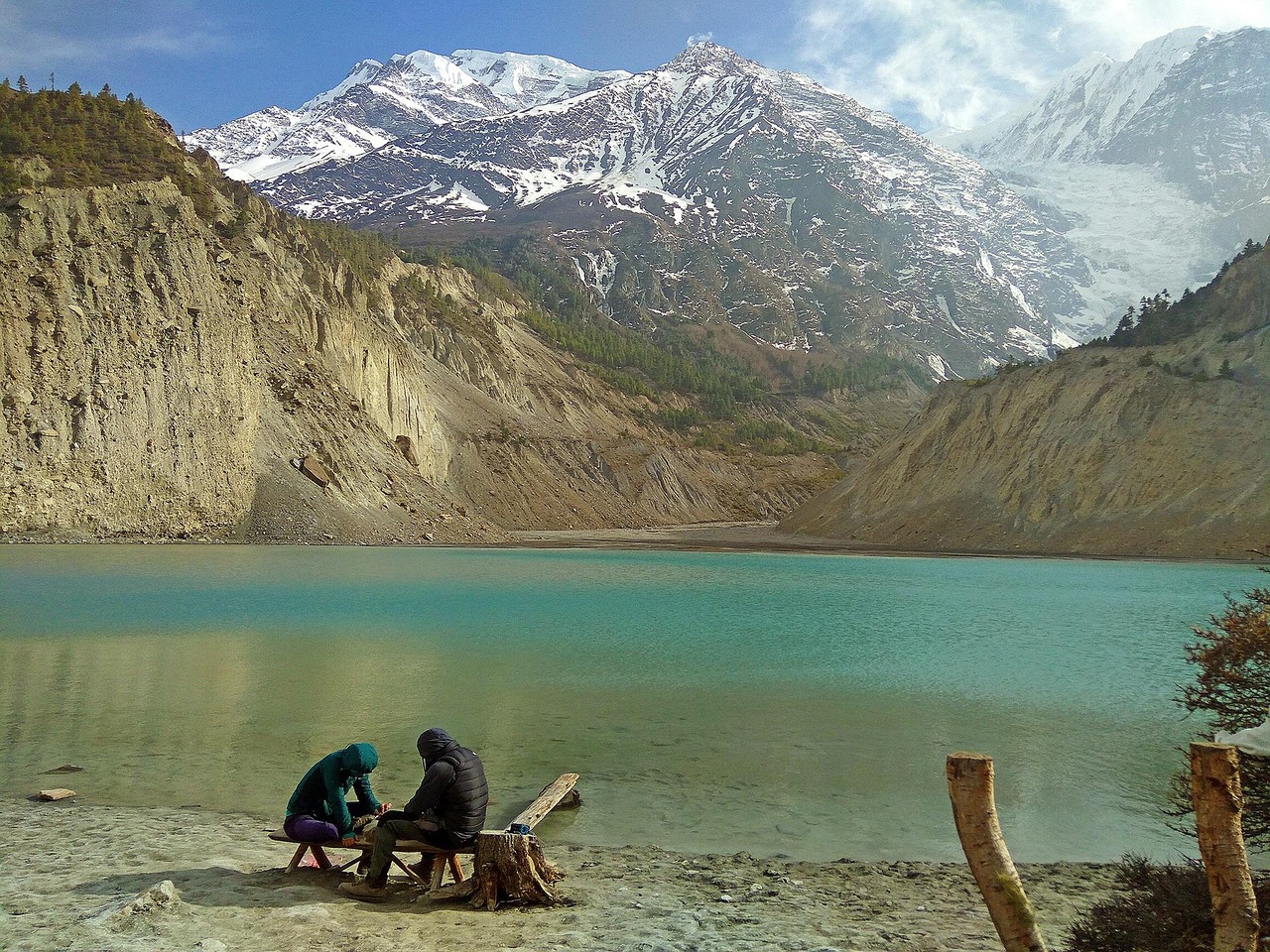
Top Things to Do & Activities in Nepal
Discover a world of unforgettable experiences and top activities at this destination! Whether you’re seeking adventure, cultural immersion, relaxation, or family fun, find the best things to do—from sightseeing and outdoor adventures to culinary delights, spiritual journeys, and local events. Enjoy every moment and make your trip truly memorable!
Popular State in Nepal
Discover the most popular states in Nepal. Whether you're looking for a relaxing getaway, a family-friendly trip, or a solo adventure, we have the perfect state for you. Book now and experience the best of Nepal like never before!
Popular City in Nepal
Explore our selection of popular packages in Nepal. Whether you're looking for a relaxing getaway, a family-friendly trip, or a solo adventure, we have the perfect package for you. Book now and experience the best of Nepal like never before!