Discover Amazing Sri Lanka
Sri Lanka is a tropical island nation renowned for its stunning beaches, lush tea plantations, ancient ruins, vibrant culture, diverse wildlife, and world-class hospitality. Perfect for adventure, relaxation, culture, and wellness.
About This Destination
Sri Lanka, the jewel-shaped island nation resting in the Indian Ocean, is a land of intoxicating contrasts. Often called the "Pearl of the Indian Ocean," it packs an extraordinary diversity of experiences into its compact form: from ancient Buddhist ruins and vast tea plantations to pristine golden beaches and thriving wildlife parks. Its identity is a complex, beautiful tapestry woven from the threads of ancient Sinhalese and Tamil heritage, the profound influence of Theravada Buddhism, and the legacy of global trade and colonialism.
Travelling through Sri Lanka is an emotional journey. One moment you're watching a train wind its way through mist-shrouded Hill Country, and the next you’re exploring a 17th-century Dutch fort or spotting a leopard in the dry zone jungle. This guide is your gateway to understanding the genuine soul of Sri Lanka a vibrant, resilient, and utterly unforgettable destination.
Overview:
Sri Lanka's history spans over 3,000 years, documented in ancient scriptures like the Mahawamsa. The island’s civilization was profoundly shaped by the arrival of Buddhism from India, creating a culture rich in art, architecture, and spiritual ritual that developed independently from the subcontinent.
The Land of Contrasts
- The Coastal Lowlands: Defined by coconut palms, fishing villages, and bustling port cities like Colombo and Galle. These areas bear the heaviest imprint of Portuguese, Dutch, and British colonial rule, especially in their architecture and cuisine.
- The Hill Country (Central Highlands): Home to the iconic Ceylon Tea industry. This region of rolling green hills, waterfalls, and cool misty climate provides a complete environmental contrast to the coast. Cities like Kandy and Nuwara Eliya are the cultural heart of the highlands.
- The Cultural Triangle: A concentration of ancient capitals and religious sites in the north-central plains, including Anuradhapura, Polonnaruwa, and Sigiriya. This area is the repository of Sri Lanka’s Buddhist heritage and ancient hydraulic civilization.
Administrative Provinces
For administrative clarity, Sri Lanka is divided into Nine Provinces, which are further broken down into 25 Districts. These provinces help define the regional diversity in language, culture, and climate:
- Western Province (includes the capital, Colombo)
- Central Province (Kandy, Nuwara Eliya)
- Southern Province (Galle, Mirissa, Yala National Park)
- Northern Province (Jaffna, with a strong Tamil-Hindu cultural identity)
- Eastern Province (Trincomalee, Arugam Bay)
- and four others: North Western, North Central, Uva, and Sabaragamuwa.
The Pillars of Faith: Ancient Temples and Holy Sites
Sri Lanka is a deeply spiritual land, primarily Buddhist, but with a harmonious presence of Hindu, Muslim, and Christian faiths. Its temples and archaeological sites are globally significant treasures.
The Cultural Triangle's Wonders (UNESCO World Heritage Sites)
- Temple of the Sacred Tooth Relic (Kandy): Located in the Central Province, this is arguably the most important place of worship for Buddhists globally. It houses a relic believed to be the actual tooth of the Buddha. The annual Kandy Esala Perahera festival is a spectacular procession that showcases the zenith of Buddhist ritual and Sinhalese royal tradition.
- Sigiriya Rock Fortress (Ancient City): This magnificent 5th-century rock citadel is a marvel of ancient engineering and art. Climbing the massive Lion Rock passing the famous frescoes and the mirror wall is a physical and historical pilgrimage, offering breathtaking panoramic views of the surrounding jungle and water gardens. For the budget-conscious or sunrise seekers, climbing the adjacent Pidurangala Rock offers equally epic views of Sigiriya itself.
- Dambulla Cave Temple (Rangiri Dambulla): The largest and best-preserved cave temple complex in Sri Lanka, dating back to the 1st century BC. The five caves are filled with spectacular wall paintings and over 150 statues of the Buddha, reflecting centuries of Buddhist art and iconography.
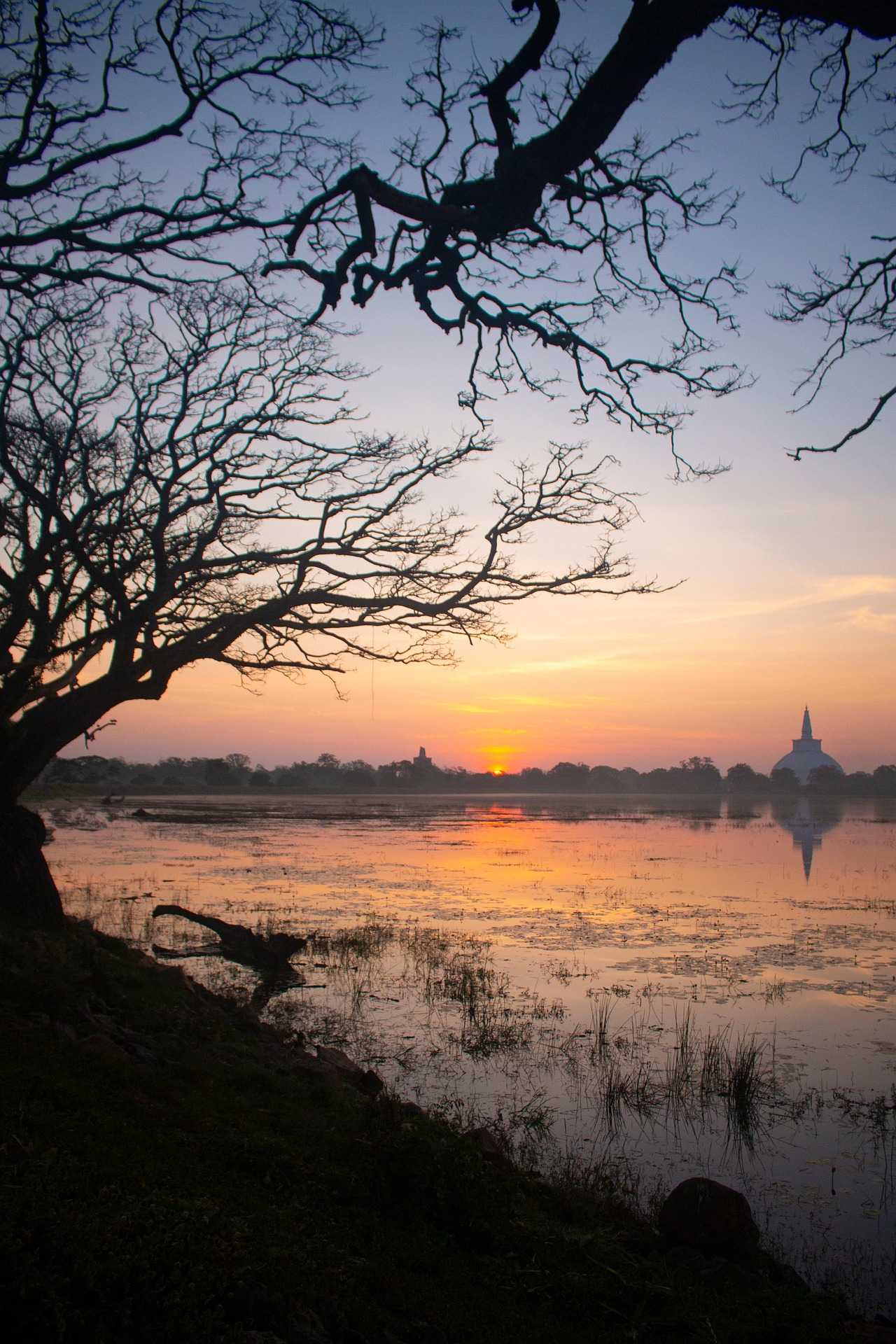
- Anuradhapura and Polonnaruwa: These sacred ancient cities were successive capitals of the island's Sinhalese kingdoms, boasting enormous, centuries-old stupas (dome-shaped Buddhist shrines), ruins of palaces, and intricately carved stone artistry that exemplify Sri Lanka’s classical age.
The South and North
- Kataragama Temple: A multi-religious site in the Southern Province revered by Buddhists, Hindus, and indigenous Vedda people, embodying the island's unique religious pluralism.
- Nallur Kandaswamy Kovil (Jaffna): A major Hindu temple in the Northern Province, showcasing the vibrant, colorful Dravidian-style Tamil Hindu architecture.
Beaches and Coastal Life
Sri Lanka’s entire coastline is fringed with palm-backed beaches, each with a distinct personality. The monsoon seasons dictate which coast is best at any given time, offering a beach paradise year-round.
- The South Coast (Dec - Apr): The most popular and well-developed.
- Mirissa: Famous for its crescent-shaped bay, lively beach bars, and as the departure point for world-class whale watching and dolphin spotting tours (blue whales are a key attraction).
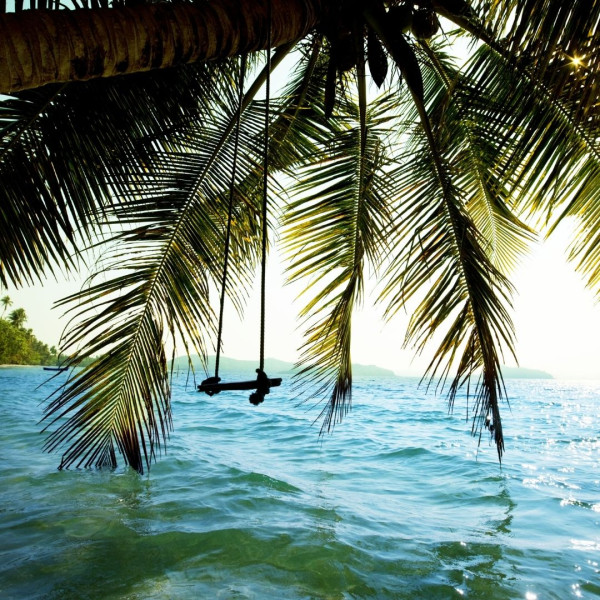
- Unawatuna & Dalawella: Unawatuna is a classic, protected bay perfect for swimming and snorkeling. Dalawella is famous for the picturesque palm tree rope swing and quiet lagoons.
- Galle Fort: Not a beach, but a must-visit coastal city. This UNESCO World Heritage Site is a massive star-shaped fort built first by the Portuguese and extensively fortified by the Dutch. Walking the ramparts at sunset amidst colonial architecture is a sublime heritage walk.
- The East Coast (May - Sep): The best beaches during the mid-year months.
- Arugam Bay: The undisputed surf capital of Asia. A laid-back, bohemian town offering consistent waves for all skill levels, ideal for soft adventure and beach culture.
- Trincomalee (Uppuveli & Nilaveli): Features expansive, pristine white-sand beaches. This area is known for excellent scuba diving and the other major whale watching spot on the island.
Things to Do:
The genuine Sri Lankan experience involves much more than just the beach it’s about the legendary train rides, the ancient spice trade, and wildlife encounters.
The World's Most Scenic Train Ride
- Kandy to Ella Train: Often cited as one of the most beautiful train journeys on earth. This seven-hour ride winds through the Central Highlands, passing through endless emerald tea plantations, dark tunnels, mist-covered mountains, and over dramatic viaducts like the Nine Arch Bridge in Ella. It is an unmissable cultural transport experience and an essential part of the Hill Country tour.
Tea and Trekking in the Mist
- Nuwara Eliya (Little England): A town that retains a British colonial atmosphere, famous for its rose gardens and cold climate. Visit a tea factory here to learn about the process of producing Ceylon Tea and enjoy a fresh brew.
- Ella's Hikes: Ella is the trekking hub. Hikes to Little Adam's Peak (easy) and Ella Rock (challenging) offer rewarding views over the rolling hills and valleys below, perfect for soft adventure seekers.
Wildlife Safari and Nature
- Yala National Park: Famous globally for having one of the world's highest densities of leopards. A 4x4 jeep safari here is a thrilling wildlife safari experience, though it requires patience and a bit of luck.
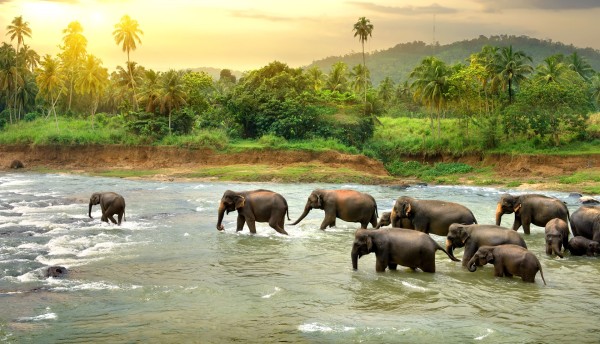
- Udawalawe National Park: The best park to guarantee sightings of large herds of wild Asian elephants, making it a phenomenal spot for eco-tourism and wildlife photography.
- Bundala National Park: A haven for birdwatching, particularly during the migratory season, as it is a recognized Ramsar wetland.
Cultural Immersion and Local Skills
- Spice Gardens: Stop at a spice garden in the central regions (often around Matale) to learn about the cultivation and uses of cinnamon, cloves, cardamom, and nutmeg, continuing the legacy of the ancient spice routes.
- Cinnamon Peeling: In the south, take a boat to a small island (like those on Koggala Lake) to witness the generational skill of cinnamon peeling, a fragile, sweet-smelling craft unique to Sri Lanka.
Getting to the Pearl of the Indian Ocean
Sri Lanka is an incredibly friendly and accessible destination, especially for travelers from India.
How to Reach
- By Air: Bandaranaike International Airport (CMB), near Colombo, is the main international gateway. It is exceptionally well-connected with numerous direct flights from major Indian cities (Chennai, Mumbai, Bangalore, Delhi).
- Visa Formalities: Indian citizens require an Electronic Travel Authorization (ETA), which is applied for online before arrival for short visits (up to 30 days, double entry). The process is straightforward and fast, making travel seamless.
Best Time to Visit:
Sri Lanka operates on two monsoon cycles, meaning you can always find a dry, sunny spot on the island. This requires flexible itinerary planning:
- Dry Zone 1 (South and West Coast, Hill Country): December to April. Best time for surfing, sunbathing, and trekking in Ella and Nuwara Eliya.
- Dry Zone 2 (North and East Coast): May to September. Best time for beaches like Arugam Bay and Trincomalee, and for exploring the Tamil culture of Jaffna.
- Wildlife: Wildlife spotting is generally good year-round, but specific events like the "Gathering" of elephants at Minneriya National Park often peak between July and September.
Sri Lanka is a land of genuine warmth and stunning natural beauty. It’s a destination that encourages you to slow down, board a beautiful old train, and lose yourself in the rich tapestry of its history and smiling faces.
Top Things to Do & Activities in Sri Lanka
Discover a world of unforgettable experiences and top activities at this destination! Whether you’re seeking adventure, cultural immersion, relaxation, or family fun, find the best things to do—from sightseeing and outdoor adventures to culinary delights, spiritual journeys, and local events. Enjoy every moment and make your trip truly memorable!
Popular State in Sri Lanka
Discover the most popular states in Sri Lanka. Whether you're looking for a relaxing getaway, a family-friendly trip, or a solo adventure, we have the perfect state for you. Book now and experience the best of Sri Lanka like never before!
Popular City in Sri Lanka
Explore our selection of popular packages in Sri Lanka. Whether you're looking for a relaxing getaway, a family-friendly trip, or a solo adventure, we have the perfect package for you. Book now and experience the best of Sri Lanka like never before!