Discover Amazing Thailand
Thailand, the Land of Smiles, captivates travelers with its vibrant culture, pristine beaches, ancient temples, and world-renowned cuisine. From bustling Bangkok to tranquil islands, Thailand offers unforgettable adventures for every type of traveler.
About This Destination
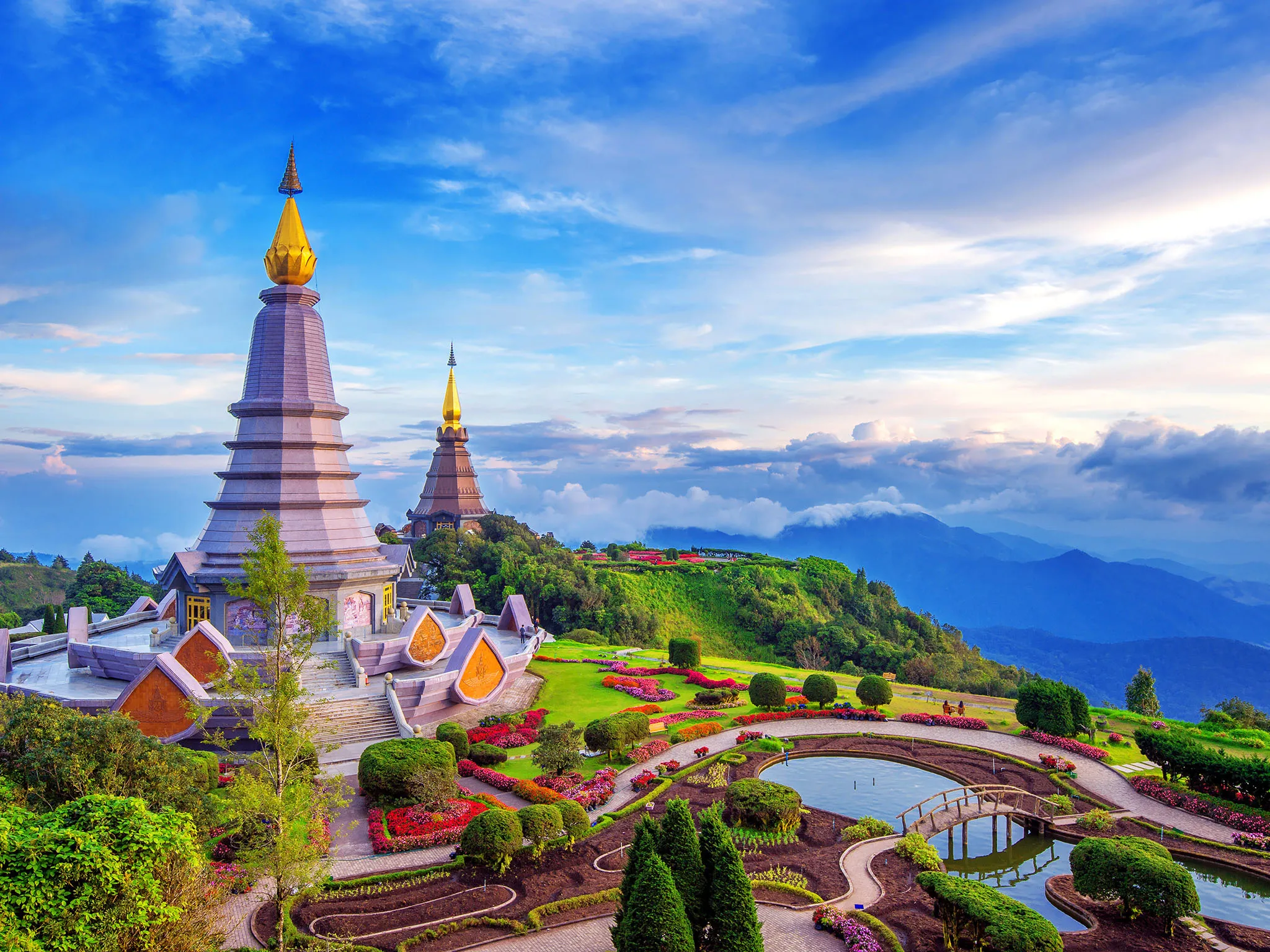
Thailand the Land of Smiles is more than just a getaway; it's a perfect blend of excitement, culture, and relaxation that has made it one of the most sought-after Asian countries by Indian tourists. It truly is a paradise for travellers, offering a thrilling mix of ancient cultural heritage, stunning landscapes, and a vibrant, world-famous nightlife.
Bangkok:
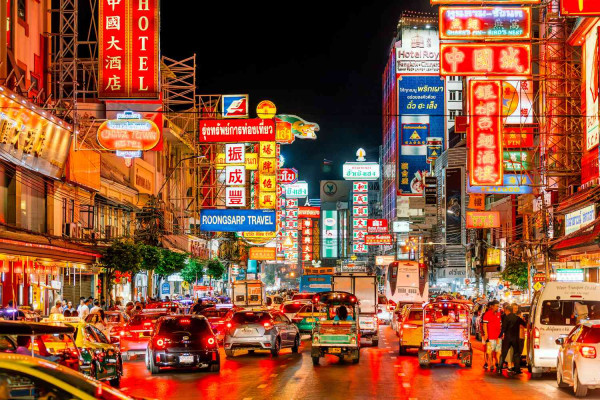
Bangkok, Thailand's sprawling capital, is a city that never sleeps. It pulsates with energy, known for its rich cultural heritage, electrifying street life, and ultra-modern skyscrapers. It provides an ideal, exhilarating mix of tradition and modernity, often leaving first-time visitors breathless.
Top Attractions and Must-Dos in Bangkok:
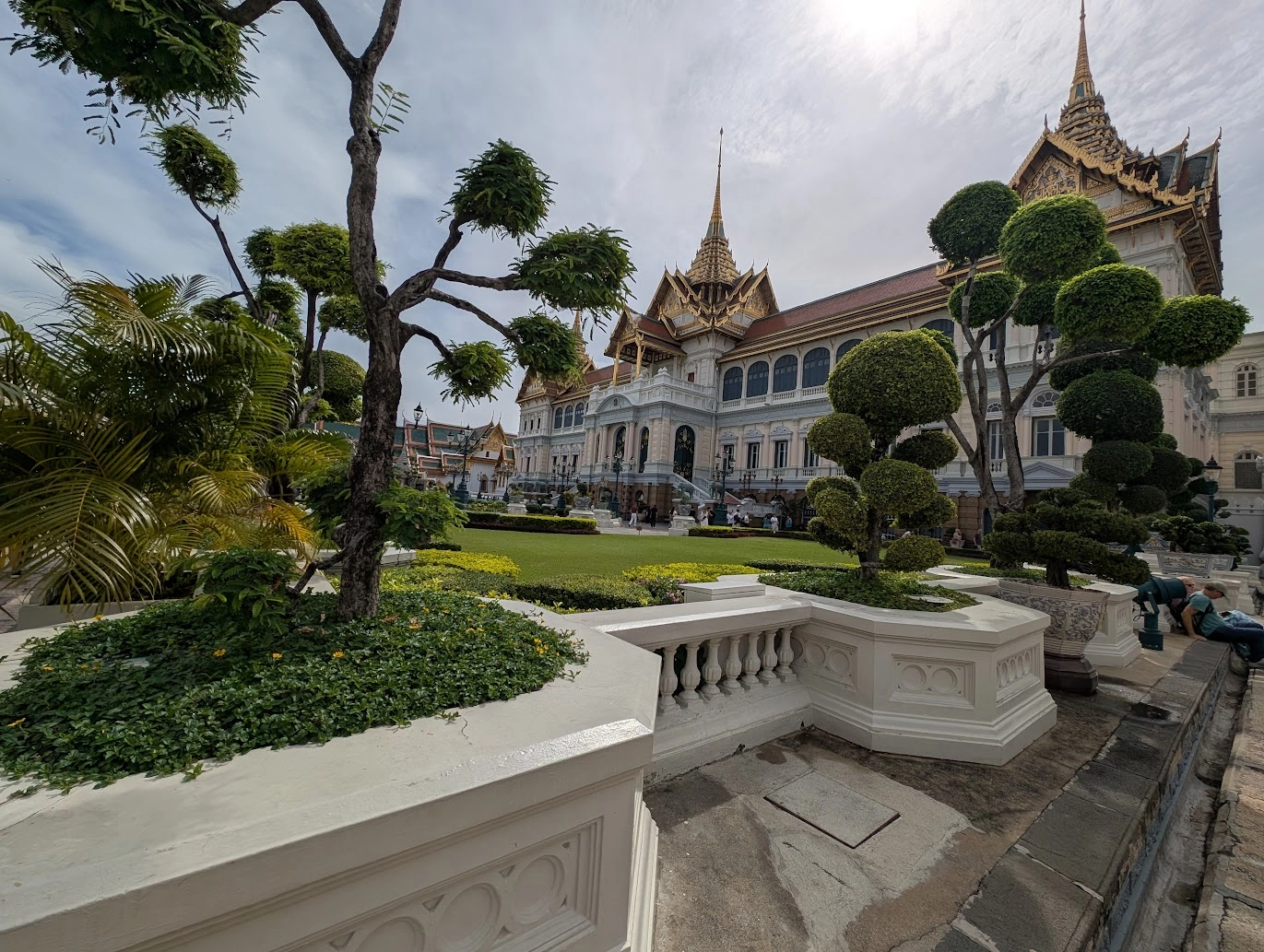
- The Grand Palace and Wat Phra Kaew: This is arguably the most significant landmark in Bangkok. This stunning architectural complex is home to the revered Emerald Buddha, a national treasure carved from a single block of jade.
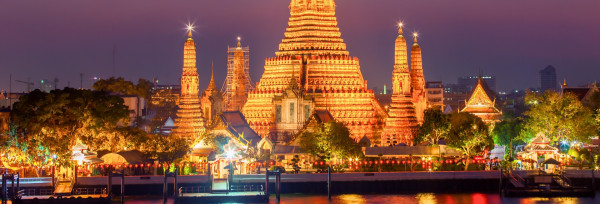
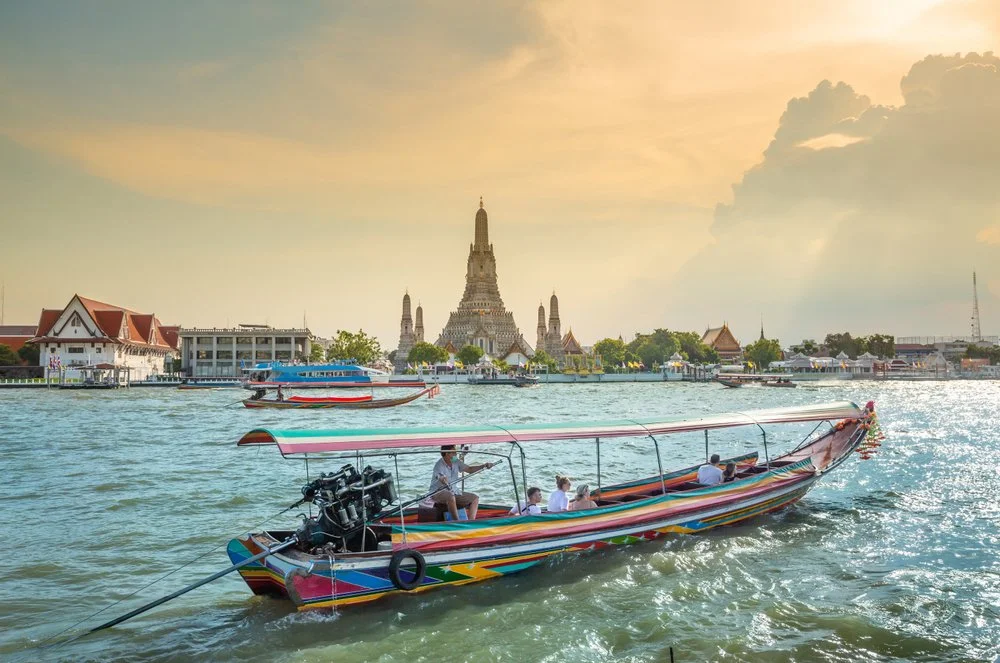
- Wat Arun (Temple of Dawn): Situated dramatically on the banks of the Chao Phraya River, this temple is famous for its unique, towering Khmer-style shikara (spire) decorated with colourful porcelain and seashells. Catching the sunset here is mandatory.
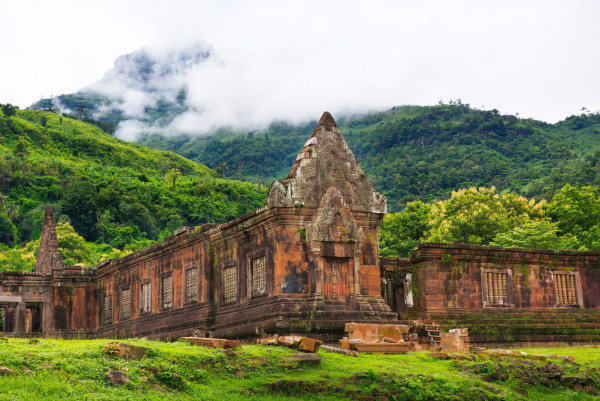
- Wat Pho (The Temple of the Reclining Buddha): Home to the colossal, gold-plated reclining Buddha statue one of the largest in the world Wat Pho is also renowned as the birthplace of traditional Thai massage.
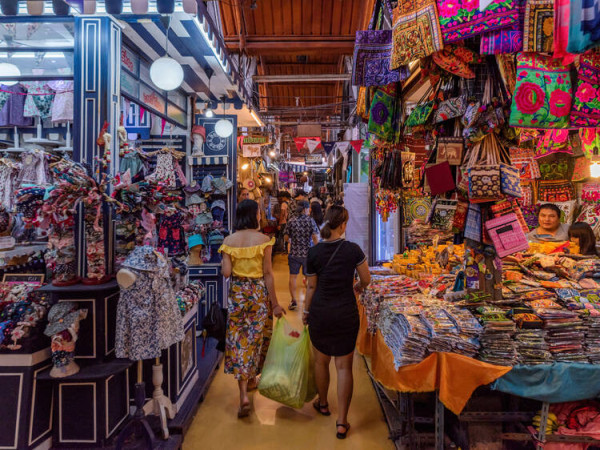
- Chatuchak Weekend Market: A shopper’s paradise and a sensory overload, this market boasts over 15,000 stalls selling everything imaginable, from vintage clothes and local handicrafts to antiques and exotic pets. Plan to spend a full day here getting lost in the lanes.
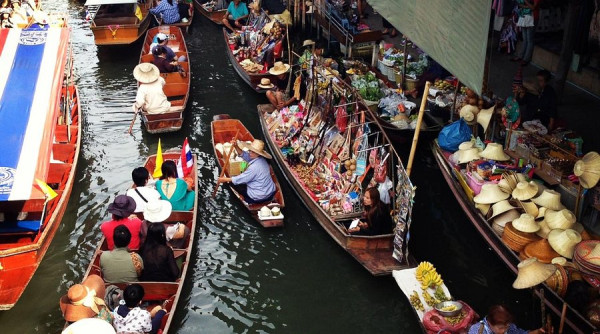
- Floating Markets: The Damnoen Saduak and Amphawa floating markets offer a glimpse into the country's charming, old-fashioned riverine lifestyle. Cruise down the canals and buy fresh produce and street food right from the boat vendors.
- Chao Phraya River Cruise: Escape the heat and experience Bangkok’s mesmerizing skyline by taking a dinner cruise on the Chao Phraya River, where the illuminated temples offer a magical view.
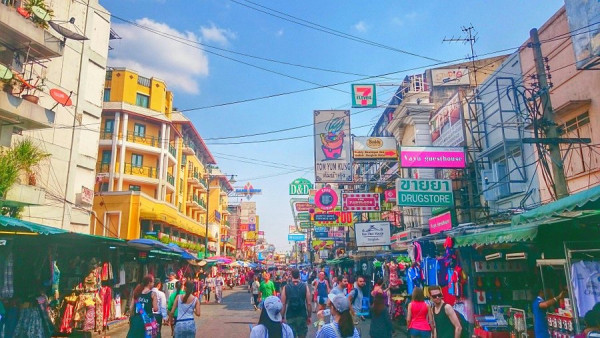
- Khao San Road: A paradise for backpackers and night owls, this legendary road is famous for its vibrant nightlife, affordable street food, and lively, inexpensive bars.
Phuket:
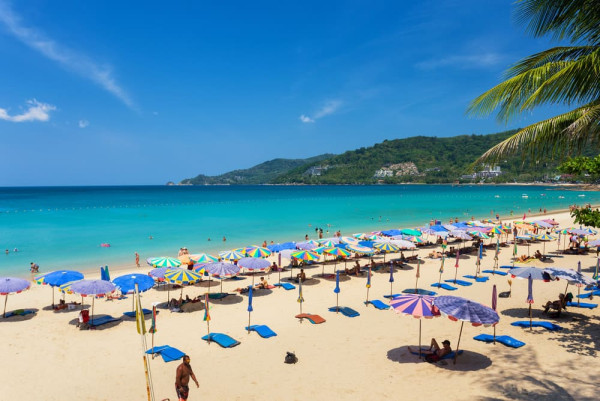
As Thailand’s largest island, Phuket is the country’s tropical superstar, perfect for those seeking stunning beaches, exhilarating water sports, and a dynamic party scene.
Top Attractions and Must-Dos in Phuket:
- Patong Beach & Bangla Road: Patong is the most famous beach hub, known for its incredible range of water sports during the day and the electrifying, neon-lit Bangla Road nightlife after dark.
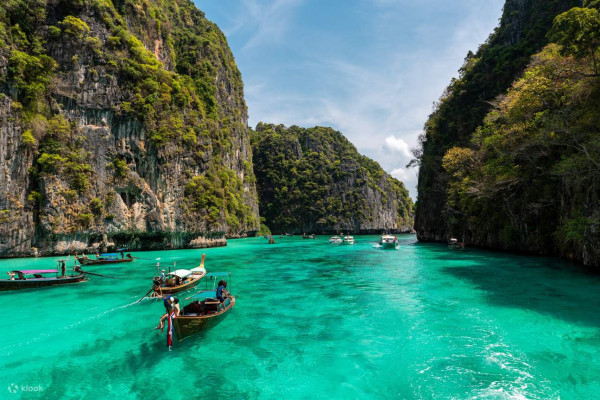
- Island Hopping to Phi Phi: No trip to Phuket is complete without a speedboat day trip to the spectacular Phi Phi Islands, including the famous Maya Bay (made famous by the movie The Beach). The towering limestone cliffs and turquoise water are truly a marvel.
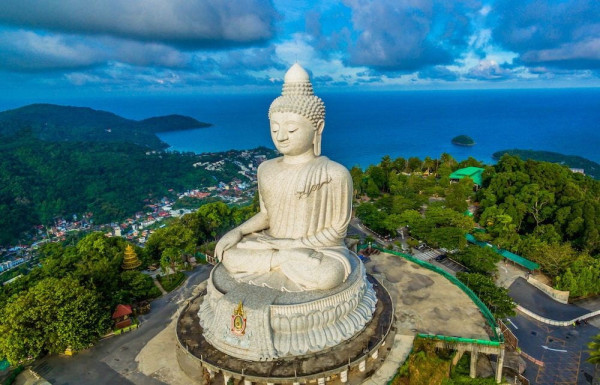
- Big Buddha: Perched atop Nakkerd Hill, the massive 45-meter-tall Big Buddha is one of the island's most revered landmarks. The site offers incredible panoramic views of the entire island, making the climb worthwhile.
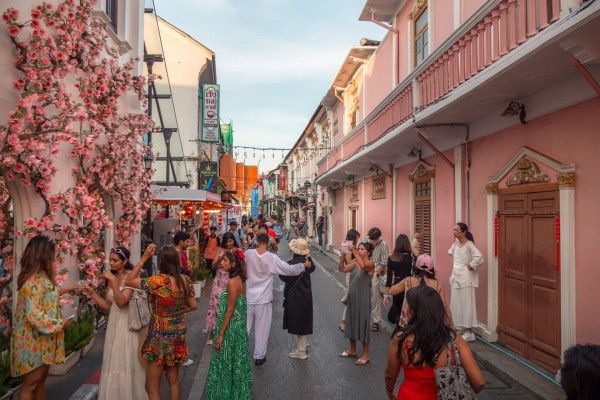
- Old Phuket Town: Step back in time among the colourful Sino-Portuguese architecture of the Old Town. Its charming streets are filled with quirky cafes, boutiques, and historic shophouses, offering a relaxed contrast to the beaches.
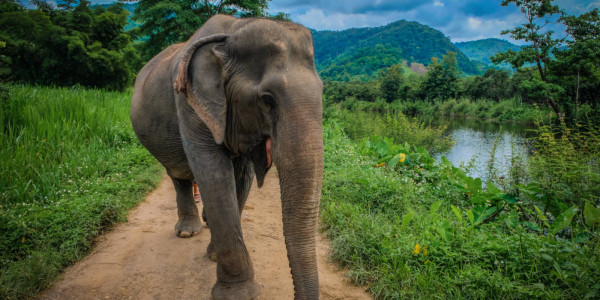
- Ethical Elephant Sanctuaries: Engage in responsible tourism by visiting an ethical sanctuary where you can interact with, feed, and bathe rescued elephants in a natural setting.
Krabi:
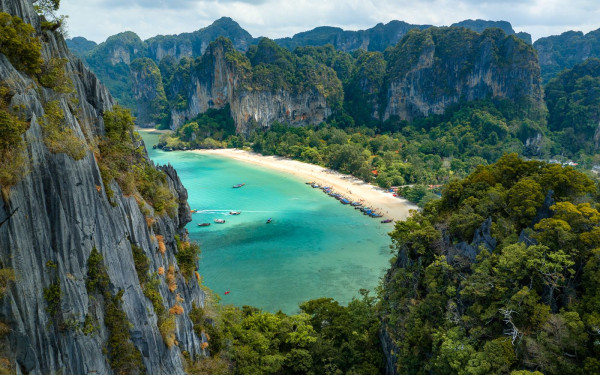
Krabi is the quieter, more scenic rival to Phuket, famous for its dramatic, jagged limestone karsts that jut out of the clear emerald waters. It's the destination for nature lovers, rock climbers, and beach seekers who prefer a slightly more laid-back vibe.
Top Attractions and Must-Dos in Krabi:
- Railay Beach: Accessible only by longtail boat, Railay is a secluded paradise framed by sheer limestone cliffs. It's famous for world-class rock climbing and the stunning Phra Nang Cave Beach.
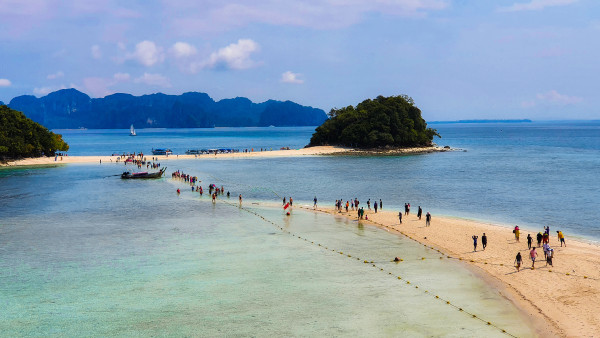
- The Four Islands Tour: This popular day trip usually includes visiting the beautiful Poda Island, Chicken Island (named for its rock shape), Tup Island, and the famous sandbar that emerges at low tide.
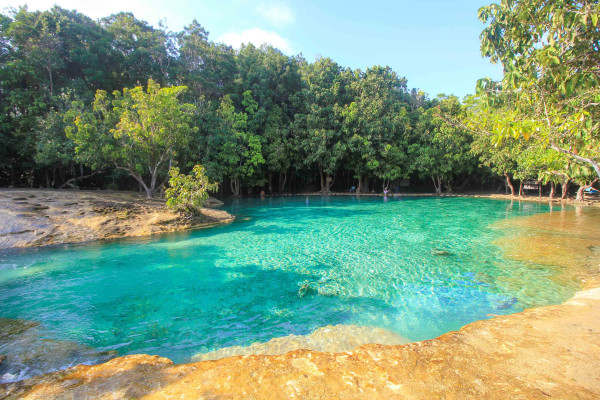
- Emerald Pool (Sra Morakot): Tucked away within the Thung Teao Forest National Park, the Emerald Pool is a natural hot spring with distinct, beautiful turquoise-green water, perfect for a refreshing swim after a short jungle walk.
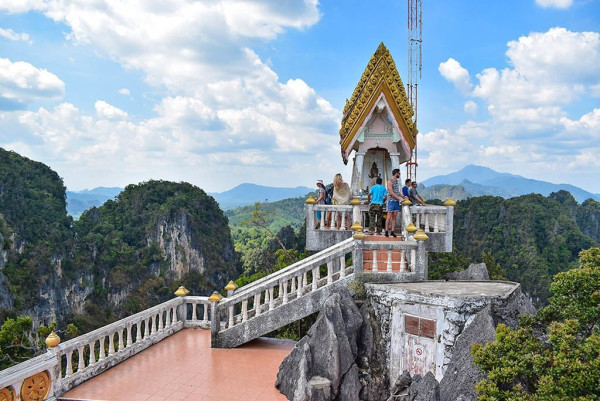
- Tiger Cave Temple (Wat Tham Suea): For the adventurous, a challenging climb of 1,237 steps leads to a stunning temple and a mountaintop viewpoint, offering breathtaking 360-degree views of Krabi's limestone peaks.
Chiang Mai:
Nestled in the rolling hills of Northern Thailand, Chiang Mai, often called the "Rose of the North," is a city wrapped in ancient walls and tradition. It offers a cultural and spiritual escape from the tropical heat and coastal bustle.
Top Attractions and Must-Dos in Chiang Mai:
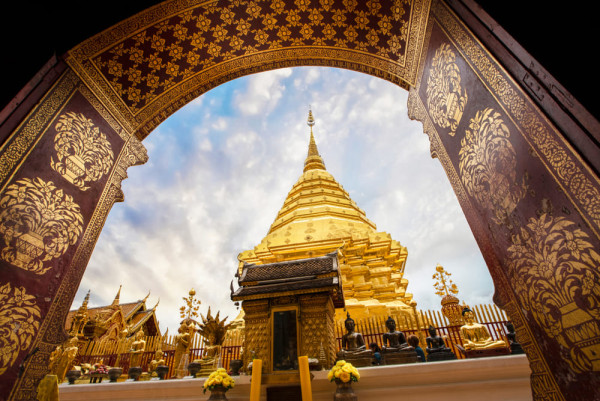
- Wat Phra That Doi Suthep: This glittering, sacred temple sits high on a mountain overlooking the city. The climb to the top is rewarded with stunning architecture and sweeping views of Chiang Mai.
- The Old City Walls and Wats: The square Old City is defined by its ancient moat and walls, housing over 300 Buddhist temples (wats), including the magnificent, towering ruins of Wat Chedi Luang.
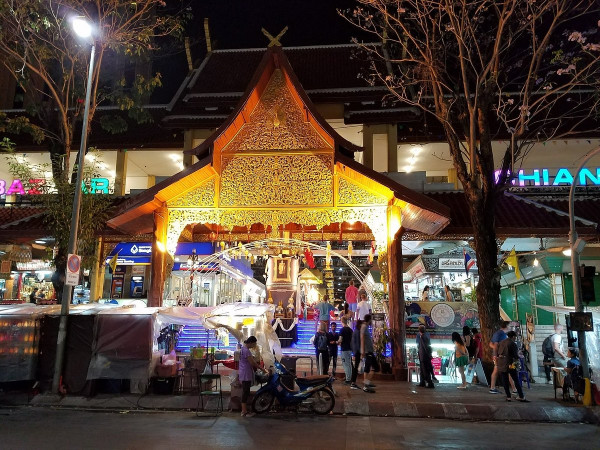
- Night Bazaar: Chiang Mai’s famous Night Bazaar is the perfect place to shop for authentic Lanna crafts, silver jewellery, and locally woven textiles, offering a more relaxed shopping atmosphere than Bangkok.
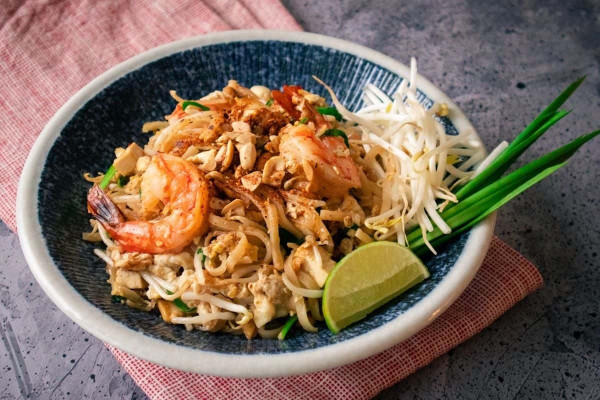
- Thai Cooking Classes: Immerse yourself in the local culture by taking a hands-on cooking class. Learn the secrets behind favourite dishes like Pad Thai and Khao Soi (a Northern Thai curry noodle soup).
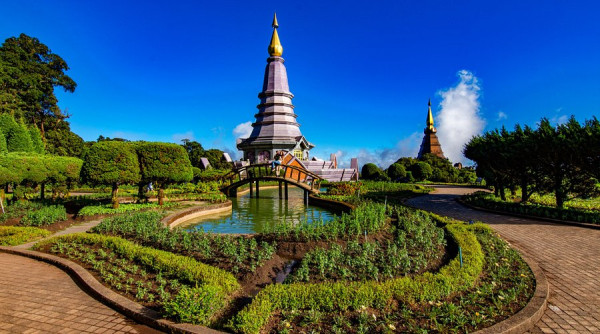
- Doi Inthanon National Park: Take a day trip to the highest peak in Thailand. The park features beautiful waterfalls, mossy cloud forests, and the spectacular King and Queen Pagodas.
Pattaya:
Easily accessible from Bangkok, Pattaya is a vibrant coastal city famous for its large resorts, energetic entertainment options, and nearby coral islands.
Top Attractions and Must-Dos in Pattaya:
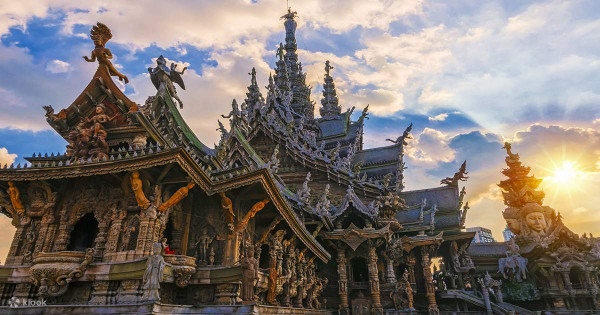
- The Sanctuary of Truth: A massive, magnificent all-wood temple/museum built entirely without metal nails. Its intricate carvings depict traditional Buddhist and Hindu motifs, showcasing Thai craftsmanship at its peak.
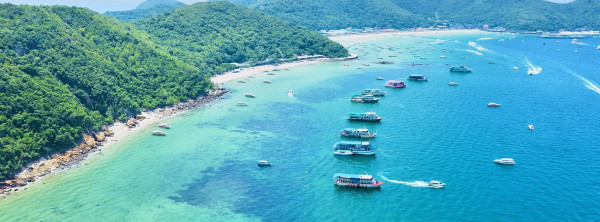
- Coral Island (Koh Larn): A short ferry ride from Pattaya, this island offers clean, white-sand beaches and clear water perfect for swimming, jet skiing, and parasailing a quick escape from the mainland city.
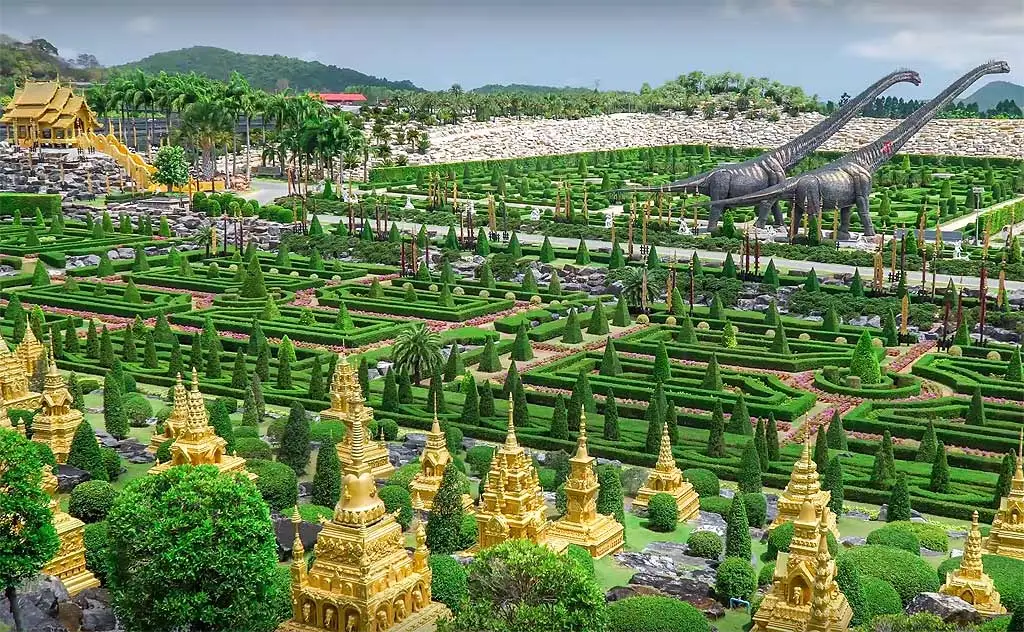
- Nong Nooch Tropical Botanical Garden: A huge park offering themed gardens, cultural shows, and a spectacular display of orchids and tropical plants, making it a great day out for families.
- Walking Street: Pattaya’s famous entertainment strip, known for its bright lights, bars, street performances, and energetic, round-the-clock nightlife.
Chiang Rai: The Artistic and Cultural Gateway to the North
For Indian tourists, Chiang Rai presents a perfect base for exploring the famed Golden Triangle, the lush tea plantations of the highlands, and a handful of the world's most spectacular and unconventional temples. It is a deeply spiritual and deeply creative destination.
Top Attractions and Must-Dos in Chiang Rai:
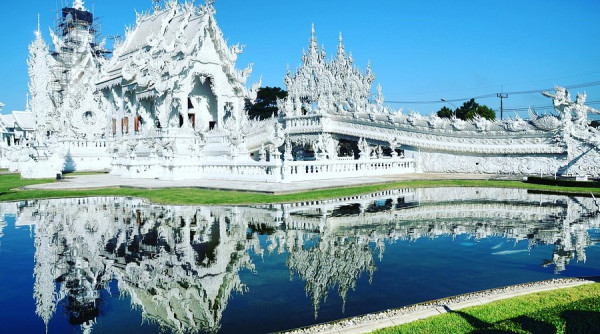
- Wat Rong Khun (The White Temple): This is Chiang Rai’s iconic masterpiece. Designed by local artist Chalermchai Kositpipat, this contemporary, dazzling white temple complex is not only a place of worship but a highly symbolic work of art. Its use of white colour and mirrored glass symbolizes the Buddha’s purity and wisdom, creating a sight that truly glitters in the sunlight.
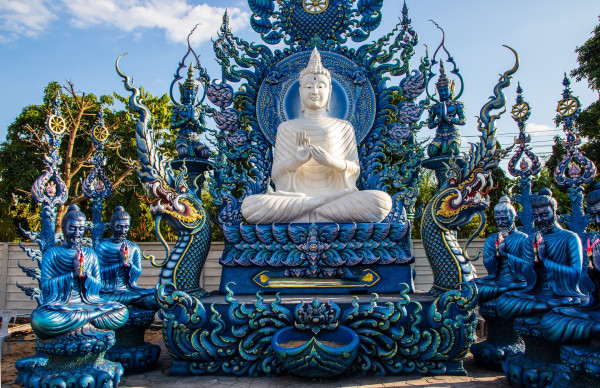
- Wat Rong Suea Ten (The Blue Temple): A stunning contrast to the White Temple, this magnificent structure is rendered in vibrant cerulean blue with intricate gold detailing. The powerful, serene white Buddha statue inside, surrounded by glowing blue murals, creates a surreal and breathtaking atmosphere that is incredibly photogenic.
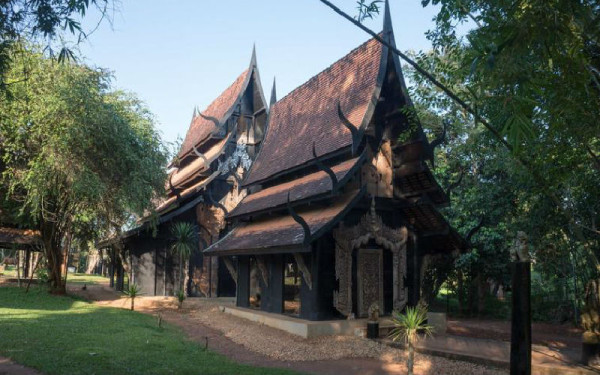
- Baan Dam Museum (The Black House): Serving as the conceptual opposite to the White Temple, Baan Dam is the creation of artist Thawan Duchanee. It is a collection of around 40 dark-coloured, traditional Lanna-style buildings housing macabre, fascinating collections of contemporary art, animal remains, and traditional tools, representing the darkness and impermanence of existence.
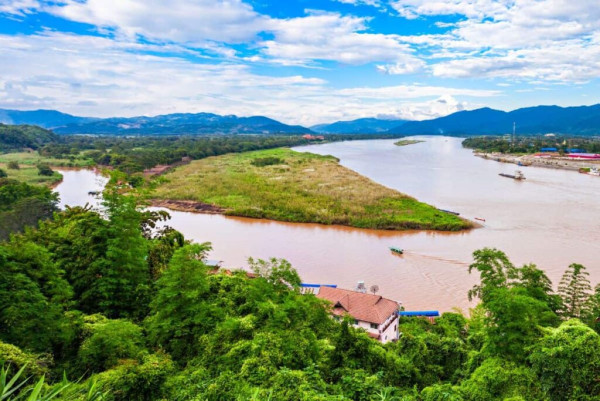
- The Golden Triangle Viewpoint: Take a scenic drive to the confluence of the Ruak and Mekong Rivers, where the borders of Thailand, Laos, and Myanmar meet. Once a notorious centre of the opium trade, this viewpoint now offers dramatic historical significance, a large golden Buddha statue, and museums detailing the region’s past.
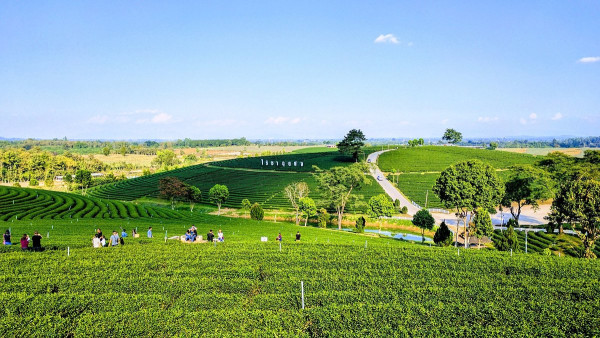
- Choui Fong Tea Plantation: Located in the surrounding hills, this stunning plantation features rolling green tea fields that descend down the hillsides. You can take a scenic walk through the fields, watch the tea-picking process, and sample high-quality teas and desserts at the plantation’s modern café overlooking the landscape.
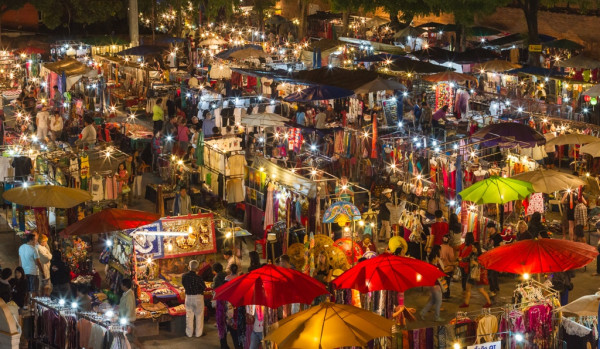
- Chiang Rai Night Bazaar: Located in the city centre, this bustling market is perfect for an evening stroll. It offers a relaxed atmosphere for shopping for local handicrafts, tribal silver, and souvenirs, alongside excellent food stalls where you can enjoy local Lanna delicacies and hot pot while watching cultural performances.
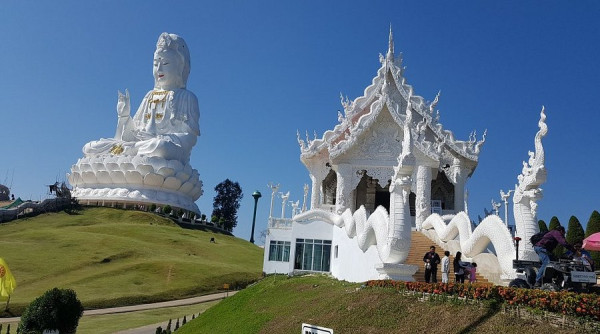
- Wat Huay Pla Kang (Giant Goddess of Mercy): This impressive complex features a massive, towering white statue of Guan Yin, the Goddess of Mercy (often mistakenly called the Big Buddha), built in a striking Chinese-Lanna style. You can take an elevator up to the top of the statue for panoramic views of the entire region.
Songkhla:
For Indian tourists looking to dive beyond the usual tourist trails, Songkhla offers serene beaches, fascinating history, and a chance to experience authentic Southern Thai life without the crowds.
Top Attractions and Must-Dos in Songkhla:
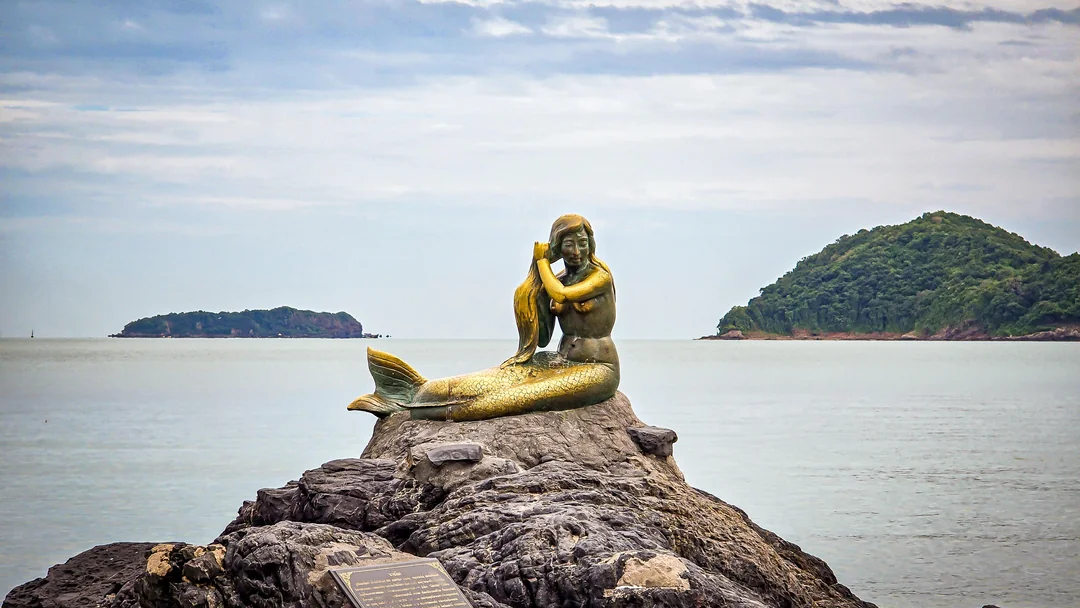
- Samila Beach and the Golden Mermaid Statue: Samila is Songkhla's most famous beach, known for its fine sand, tranquil atmosphere, and gentle slope. The iconic landmark here is the Golden Mermaid Statue (Nang Ngao), a revered figure of Thai folklore and a must-have photo stop. Nearby, you'll also see the distinct silhouettes of Ko Nu and Ko Ma (Cat and Mouse Islands).
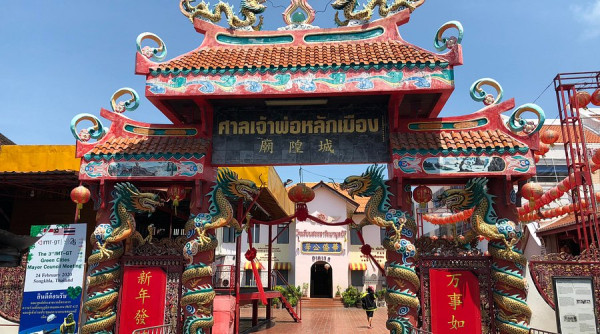
- Songkhla Old Town (Borān Satān): Step into history within this charming and beautifully preserved area. The Old Town is famous for its narrow streets lined with Sino-Portuguese shophouses and well-preserved Chinese temples. The area is increasingly vibrant with captivating Street Art and boutique cafes, perfectly blending the past with modern creativity.
- Tang Kuan Hill (Khao Tang Kuan): Offering spectacular panoramic views, this hill is a must-visit. You can either climb the easy staircase or take a funicular cable car ride to the summit. At the top sits the revered Phra Chedi Luang containing Buddha's relics, offering a moment of peace alongside incredible vistas of the city, the Lake, and the Gulf.
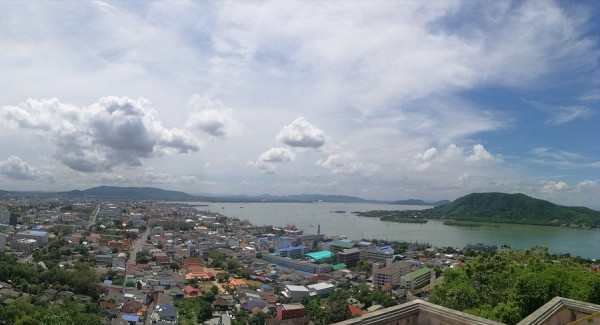
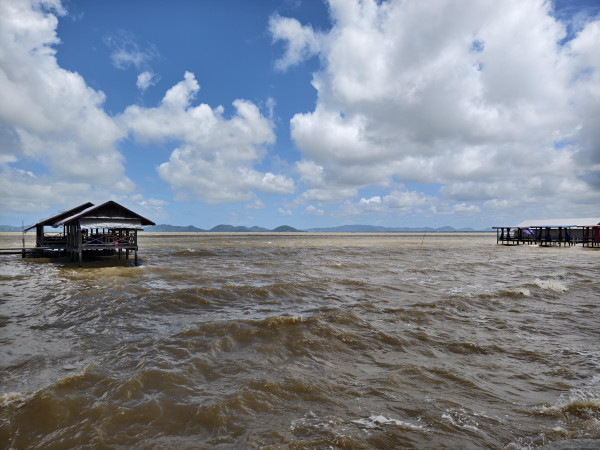
- Songkhla Lake: As the largest natural lake in Thailand, this unique brackish lagoon supports an incredible ecosystem and unique local culture. Take a boat trip to explore the area, observe the traditional local fishing villages, and appreciate the serene, vast waters of this inland sea.
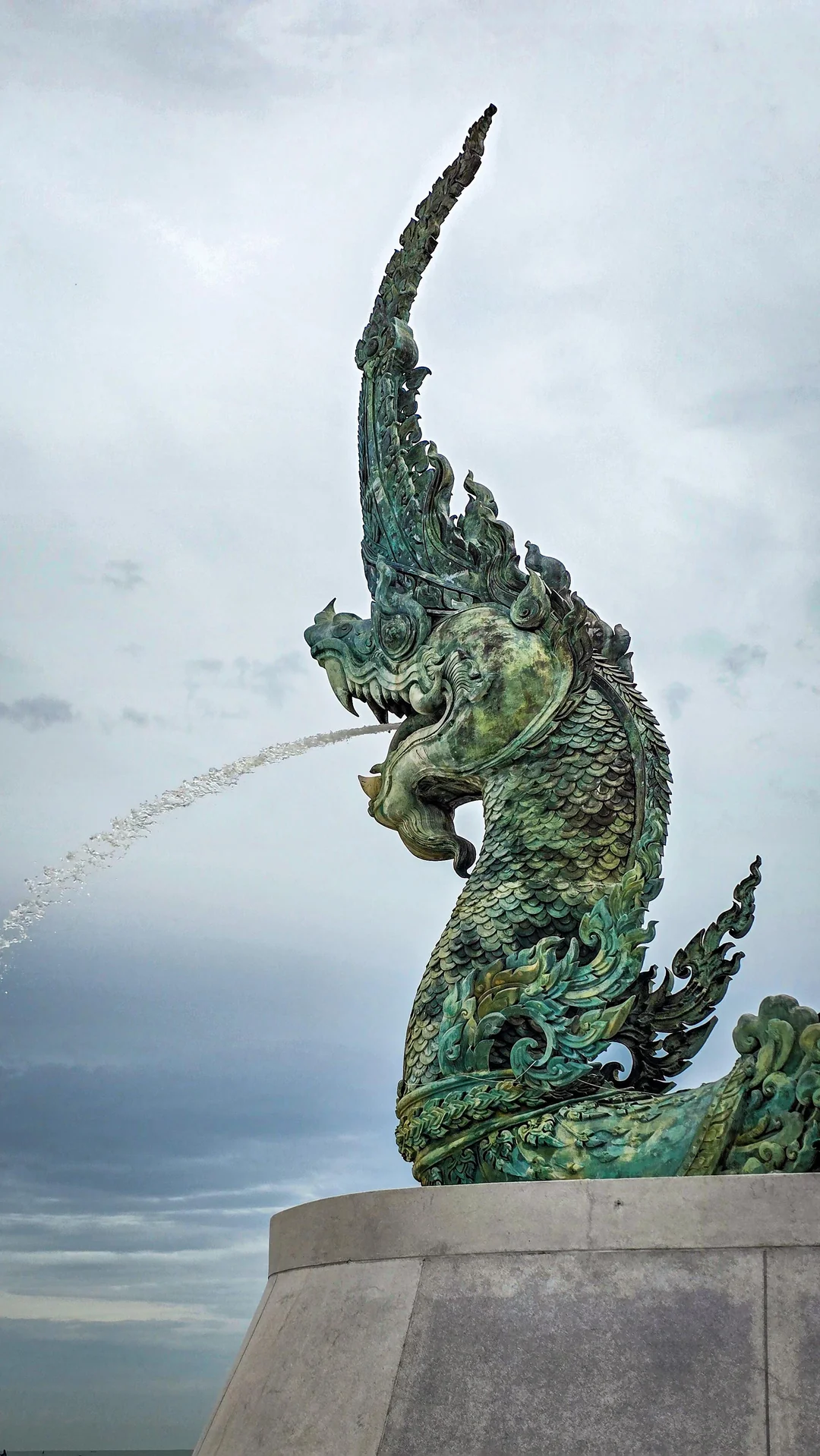
- The Great Serpent (Naga) Statues: Symbolizing the deity of water and fertility, these striking serpent sculptures are spread in three parts along the coastal strip, with the Head located near the entrance of Samila Beach, forming a distinctive local landmark that connects local mythology with the natural environment.
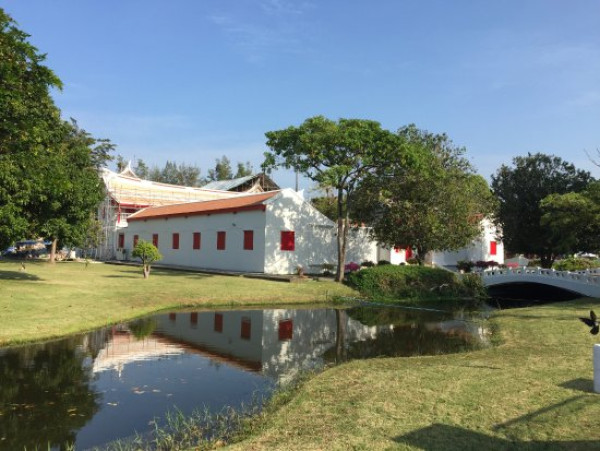
- Songkhla National Museum: Housed in a beautifully restored Sino-European building that once served as the provincial governor's house, the museum offers a fascinating deep dive into the history, archaeology, and culture of Southern Thailand, with a strong focus on the region's diverse ethnic and religious heritage.

Top Things to Do & Activities in Thailand
Discover a world of unforgettable experiences and top activities at this destination! Whether you’re seeking adventure, cultural immersion, relaxation, or family fun, find the best things to do—from sightseeing and outdoor adventures to culinary delights, spiritual journeys, and local events. Enjoy every moment and make your trip truly memorable!
Popular State in Thailand
Discover the most popular states in Thailand. Whether you're looking for a relaxing getaway, a family-friendly trip, or a solo adventure, we have the perfect state for you. Book now and experience the best of Thailand like never before!
Popular City in Thailand
Explore our selection of popular packages in Thailand. Whether you're looking for a relaxing getaway, a family-friendly trip, or a solo adventure, we have the perfect package for you. Book now and experience the best of Thailand like never before!