Discover Amazing United Arab Emirates
Explore the United Arab Emirates, a land where tradition meets innovation. Discover top destinations like Dubai and Abu Dhabi, stunning desert landscapes, luxurious resorts, and cultural experiences that make the UAE a world-class travel destination.
About This Destination
The United Arab Emirates (UAE) is frequently defined by its record-breaking skyline, yet to view it solely through the lens of vertical ambition is to miss the full, complex narrative of this destination. It is a dynamic intersection where deep-rooted Bedouin heritage meets a futuristic commitment to innovation and sustainability, offering a traveler a journey of profound contrasts.
This is not just a hub for layovers; it is a destination consciously sculpting the future of global tourism, inviting visitors to experience both the timeless desert and the cutting-edge city.
The Pillars of Modernity
The global reputation of the UAE is cemented by its two most visible emirates, Dubai and Abu Dhabi, which serve as global benchmarks for infrastructure and luxury tourism.
- Dubai: The City of Vision: Dubai stands as a testament to audacious planning. Beyond the iconic Burj Khalifa and the luxury shopping of The Dubai Mall, the city now prioritizes cultural innovation and smart tourism. New landmarks like the Museum of the Future (MOTF) are not just architectural feats but immersive, seven-story thought experiments on humanity's next fifty years. The city’s dining scene has matured into a global gastronomy destination, moving past glitz to offer genuine culinary excellence.
- Abu Dhabi: The Cultural Capital: The capital, Abu Dhabi, provides a counter-balance of refinement and history. The breathtaking Sheikh Zayed Grand Mosque is a masterpiece of modern Islamic architecture. The Saadiyat Island Cultural District is evolving into a world-class arts hub, home to the Louvre Abu Dhabi, which beautifully bridges Eastern and Western art narratives. Abu Dhabi consciously links its investment in the future with the preservation of heritage, exemplified by its commitment to green energy and sustainable urban development.
The Authentic Core
To fully appreciate the UAE, one must look past the coast and into the rugged interior, where the spirit of the desert endures and adventure is paramount.
- The Wilderness of Ras Al Khaimah (RAK): This Northern Emirate is fast becoming the UAE's capital for Adventure Tourism. Dominated by the Hajar Mountains, RAK hosts Jebel Jais, the country’s highest peak, which features the world’s longest zipline, drawing thrill-seekers globally. The area offers extensive hiking, mountain biking, and luxury eco-resorts that prioritize the natural landscape over urban sprawl.
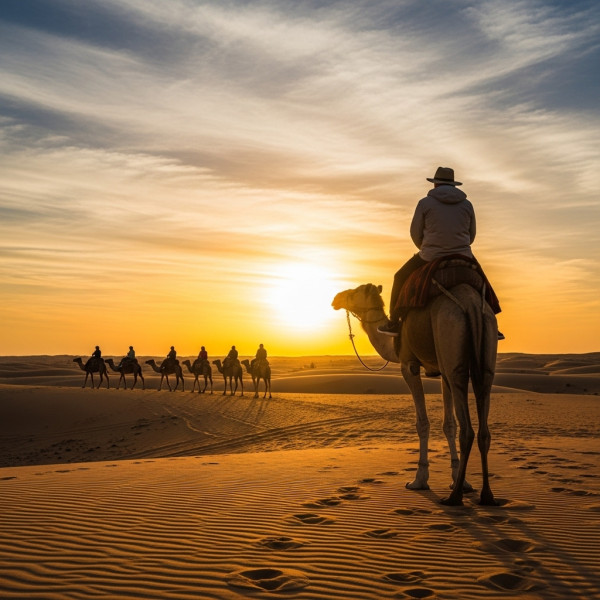
- Liwa and The Empty Quarter: For an authentic desert experience, the massive dunes of the Liwa Desert, on the edge of the Rub' al Khali (Empty Quarter), are essential. Here, visitors can engage in traditional Desert Safari experiences, camel trekking, and stargazing in areas virtually untouched by city light, reconnecting with the historical nomadic life of the region.
- Hatta: The Mountain Escape: Tucked into the foothills of the Hajar Mountains, Hatta, now part of Dubai, offers a distinctly green escape. Its popularity centers on the Hatta Dam, where visitors can kayak through stunning turquoise waters framed by jagged peaks, or explore extensive mountain biking and hiking trails at the Hatta Wadi Hub.
The Cultural Mosaic
The true cultural richness of the UAE lies in its dedication to preserving its roots while fostering diverse, global creativity—often found in the less-traveled emirates.
- Sharjah: The Cultural Capital: Recognized by UNESCO, Sharjah is arguably the cultural heart of the UAE. It dedicates immense resources to preserving Islamic art, Arabic heritage, and traditional architecture. Travelers can explore the Sharjah Museum of Islamic Civilization, the historic districts, and numerous art and literary foundations, offering a slower, more reflective pace than its immediate neighbors.
- Al Ain: The Garden City: Situated in Abu Dhabi Emirate near the Omani border, Al Ain is one of the oldest continually inhabited settlements. A UNESCO World Heritage site, the Al Ain Oasis provides a tranquil retreat with thousands of date palm plantations fed by ancient falaj (irrigation) systems. Here, the focus is squarely on archaeology, local culture, and the country's pre-oil history.
- Fujairah: The East Coast Contrast: Unique among the seven emirates, Fujairah sits on the Gulf of Oman, not the Arabian Gulf. This geographic difference provides a rugged coastline, pristine beaches, and opportunities for deep-sea diving and snorkeling amid vibrant coral reefs—a complete visual and environmental contrast to the western desert cities.
The Future Trajectory
The UAE's tourism strategy is fundamentally future-focused, ensuring that development is married to responsibility, setting a new global standard in the process.
- Sustainable Tourism Initiatives: Projects like the development of Masdar City in Abu Dhabi showcase a commitment to sustainable urban living. Across the emirates, there is a strong push towards eco-tourism, preserving natural habitats, and implementing cutting-edge water and energy efficiency technology in new hospitality ventures. This commitment aligns the UAE with global goals, aiming for a post-oil economy built on knowledge and ecological respect.
- Infrastructure for Tomorrow: Major infrastructure projects, such as the expansive Etihad Rail network, are being developed to connect all seven emirates, offering a fast and Sustainable Transport alternative to road travel and encouraging regional domestic tourism. These vast investments solidify the UAE's role as a regional and global logistics nexus for the decades to come.

Top Things to Do & Activities in United Arab Emirates
Discover a world of unforgettable experiences and top activities at this destination! Whether you’re seeking adventure, cultural immersion, relaxation, or family fun, find the best things to do—from sightseeing and outdoor adventures to culinary delights, spiritual journeys, and local events. Enjoy every moment and make your trip truly memorable!
Popular State in United Arab Emirates
Discover the most popular states in United Arab Emirates. Whether you're looking for a relaxing getaway, a family-friendly trip, or a solo adventure, we have the perfect state for you. Book now and experience the best of United Arab Emirates like never before!
Popular City in United Arab Emirates
Explore our selection of popular packages in United Arab Emirates. Whether you're looking for a relaxing getaway, a family-friendly trip, or a solo adventure, we have the perfect package for you. Book now and experience the best of United Arab Emirates like never before!