Discover Amazing Vietnam
Vietnam captivates travelers with its stunning landscapes, rich cultural heritage, vibrant cities, pristine beaches, and world-renowned cuisine. From the bustling streets of Hanoi to the serene waters of Ha Long Bay, discover an unforgettable Southeast Asian gem.
About This Destination
Forget what you think you know about Vietnam. This is a country shaped like a gentle 'S', stretching from the icy peaks near the Chinese border all the way down to the tropical complexity of the Mekong Delta. It’s a place of breathtaking, almost ridiculous natural beauty a place that survived centuries of conflict and emerged not bitter, but welcoming, vibrant, and utterly delicious.
When I travel, I look for places that surprise me, and Vietnam delivers that punch again and again. You can spend your morning shivering in the misty mountains of the North, your afternoon floating on the emerald waters of a UNESCO bay, and your evening navigating the chaotic, joyous maze of a Southern metropolis. It’s a complete sensory overload, from the endless beep-beep of motorbikes to the intoxicating aroma of anise and broth wafting from a street-side phở stall.
Crucially, Vietnam offers incredible value. Your budget stretches further here than in almost any other major destination, making those epic adventures like cruising Halong Bay or trekking through rice terraces accessible to almost everyone. This guide is your starting line for unlocking the diverse and unforgettable experience that makes Vietnam travel places so legendary.
How To Reach Vietnam
Vietnam is a long, thin country with distinct regional zones, so planning your route and transport is key. Don't try to cram everything into a week; commit to a region or plan a solid two weeks to move comfortably.
Getting There & Visa Essentials
Your journey will likely begin at one of the three major international airports:
- Hanoi (HAN - Noi Bai): The gateway to Northern Vietnam (Halong Bay, Sapa).
- Ho Chi Minh City (SGN - Tan Son Nhat): The gateway to Southern Vietnam (Mekong Delta, Phu Quoc).
- Da Nang (DAD): The convenient hub for Central Vietnam (Hoi An, Hue).
Regarding visas, this is critical: Many major nationalities (including citizens of the UK, Germany, France, Italy, and Spain) currently enjoy 45-day visa-free entry. Many others (including the US, India, Australia, and Canada) can easily apply for a 90-day E-Visa online. Always ensure your passport is valid for at least six months beyond your planned date of entry.
Getting Around: The North-South Lifeline
- Flying (Fastest): Domestic flights between Hanoi, Da Nang, and Ho Chi Minh City are frequent and surprisingly affordable on budget airlines like Vietjet Air and Bamboo Airways. This is the best option for covering the massive North-South distance.
- Train (Most Atmospheric): The Reunification Express train line runs the length of the country. Opt for an overnight soft sleeper berth it’s a beautiful, atmospheric way to see the coastline, and it saves you a night of accommodation costs. The leg between Hue and Da Nang (or vice versa), which passes over the stunning Hai Van Pass, is one of the most scenic train journeys in the world.
- Motorbike (Most Adventurous): For short-to-medium distances (like the route between Hue and Hoi An), hiring a professional guide with a bike (easy riders) or renting your own (if experienced) offers the ultimate freedom and immersion, especially through mountainous areas like the Ha Giang Loop.
- Buses: Sleeper buses are ubiquitous and budget-friendly, connecting all major tourist hubs. They are slow but offer a very affordable way to travel overnight.
Best Time To Visit Vietnam
Vietnam's elongated shape means its climate changes drastically from North to South. There is no single "best" time to visit the whole country, so pick a time that suits your priorities, whether that’s trekking, beach time, or city exploration.
1. Northern Vietnam (Hanoi, Halong Bay, Sapa)
- Best Time: October to April. This is the cool, dry winter.
- My Advice: October/November and March/April offer the perfect balance: mild, clear weather and better chances of seeing the iconic rice terraces before they are harvested. Avoid December and January in Sapa, as temperatures can drop close to freezing.
2. Central Vietnam (Hoi An, Hue, Da Nang)
- Best Time: January to August. This is the hot and dry season.
- My Advice: Visit in March through May for the best beach and cycling weather. The region is stunningly hot but clear during this period. Be warned: Central Vietnam experiences a rainy season and occasional typhoons from September to December.
3. Southern Vietnam (Ho Chi Minh City, Mekong Delta, Phu Quoc)
- Best Time: November to April. This is the dry, sunny season.
- My Advice: This is the most consistent region for winter sun—perfect for a December or January escape. The rainy season (May-October) usually involves short, heavy afternoon bursts, leaving the rest of the day clear and less humid.
A Note on Tet: Tết Nguyên Đán (Lunar New Year, usually Jan/Feb) is Vietnam's biggest holiday. While festive, almost all shops and services shut down for several days, domestic travel is booked out, and prices skyrocket. Avoid travel 3 days before to 3 days after the main holiday if possible, unless experiencing the festival is your main goal.
Vietnam Travel Places To Visit
To truly experience Vietnam, you need to commit to its three major regions. Here are the must-do experiences that make Vietnam travel places so legendary:
Northern Highlights: Culture, Karsts, and Chaos
- Hanoi (The Soulful Capital):
- The Vibe: A charming, buzzing capital that is slower and more traditional than HCMC. Its Old Quarter is a maze of narrow streets, colonial architecture, and thousands of motorbikes.
- Must-Do: Find a tiny plastic stool on the sidewalk, order a cà phê sữa đá (iced coffee with condensed milk), and watch the world go by. Walk around Hoan Kiem Lake, visit the Ho Chi Minh Mausoleum, and dive into the famous street food scene (especially phở and bún chả). Don't miss the chance to see a traditional Water Puppet Show.
-
Ha Long Bay / Lan Ha Bay (The Iconic Landscape):
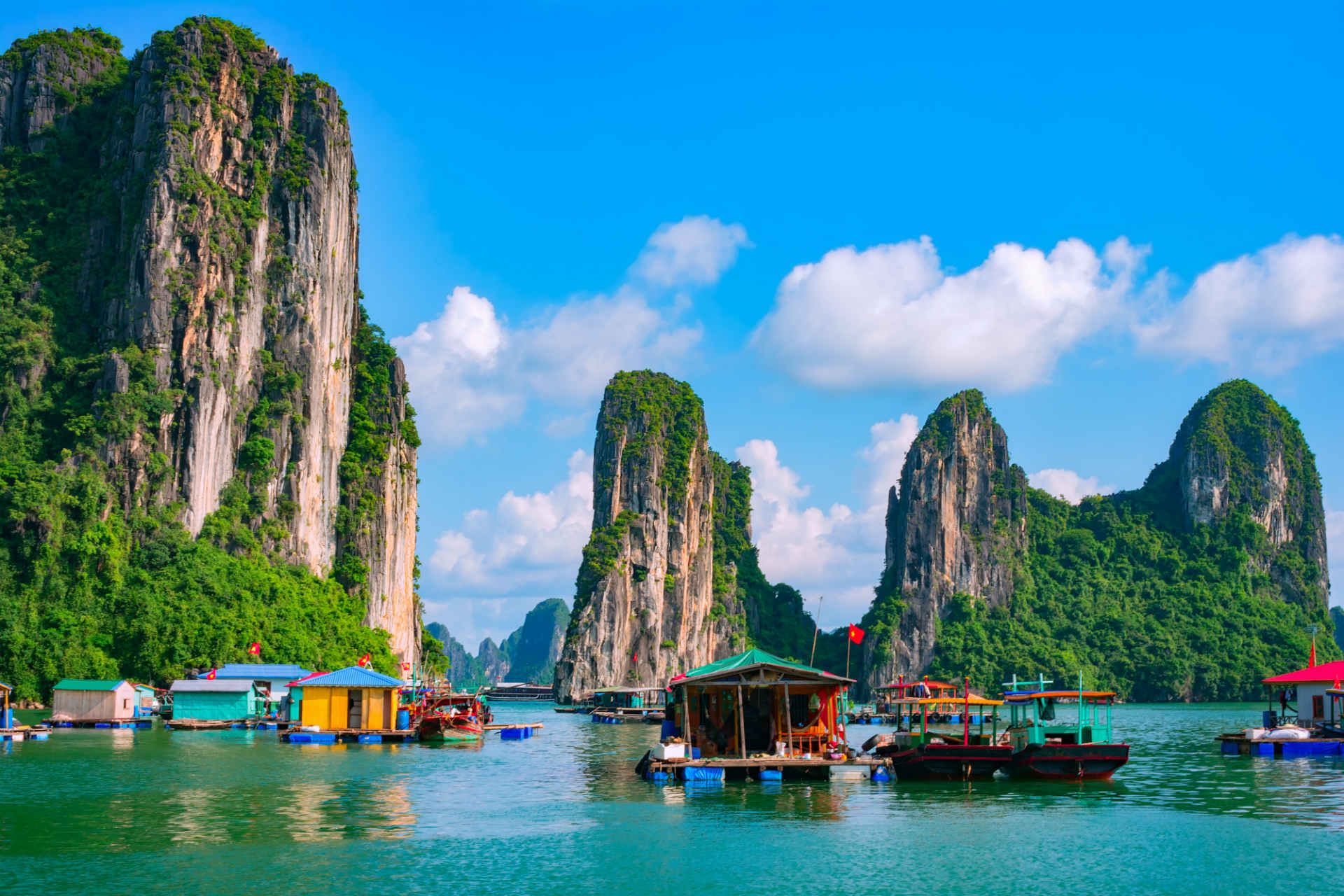
- The Icon: A UNESCO World Heritage Site famous for thousands of towering limestone karsts emerging from emerald waters.
- My Tip: Book an overnight cruise. To avoid the heavy crowds of Ha Long Bay, choose a cruise that ventures into the quieter, equally stunning Lan Ha Bay (near Cat Ba Island). Go kayaking and explore hidden lagoons and caves.
-
Ninh Binh (Ha Long Bay on Land):
- The Alternative: Located south of Hanoi, this area is famed for its karst formations rising from rice paddies.
- Must-Do: Take a serene sampan boat ride through the caves of Trang An or Tam Coc, often rowed by local guides using their feet. Hike up to the Mua Caves peak for an epic, panoramic view of the entire valley.
-
Sapa (The Highlands):
- The Scenery: A dreamscape of terraced rice paddies carved into steep valleys. This is the heart of Vietnam's hill tribes (Hmong, Red Dao).
- Must-Do: Trekking through the Muong Hoa Valley and staying overnight in a homestay with a local family for an authentic cultural exchange.
Central Gems: Heritage, Lanterns, and Coastlines
-
Hoi An (The Lantern City):
- The Charm: My personal favorite. A beautifully preserved UNESCO port town, famous for its colorful silk lanterns, tailor shops, and quiet riverside setting.
- Must-Do: Cycle through the rice paddies just outside the old town, get custom clothes made for a fraction of Western prices, and take a Vietnamese cooking class. Visit during the full moon for the spectacular Lantern Festival.
-
Hue (The Imperial City):
- The History: Vietnam's former imperial capital. It is centered around the walled Imperial Citadel, home to the emperors of the Nguyen Dynasty.
- Must-Do: Explore the Imperial Citadel’s Forbidden Purple City ruins. Take a boat trip down the Perfume River to visit the grand Imperial Tombs of the former emperors, which are architectural masterpieces.
-
Da Nang (The Coastal Hub):
- The Modernity: A dynamic, rapidly developing coastal city with long, pristine beaches (My Khe Beach).
- Must-See: Drive the scenic Hai Van Pass (made famous by Top Gear) by car or motorbike. Visit the Marble Mountains for pagodas and grottoes, and see the unique Dragon Bridge that breathes fire (on weekend evenings!).
Southern Power: Energy, History, and Waterways
-
Ho Chi Minh City (HCMC / Saigon):
- The Energy: A dizzying, non-stop powerhouse of commerce, traffic, and modern energy. It's defined by its skyscrapers, incredible nightlife, and French colonial landmarks.
- Must-Do: A sobering but essential experience is visiting the War Remnants Museum. Visit the classic French architecture of the Saigon Central Post Office and the Notre Dame Cathedral. Experience the nightlife and food scene in the backpacker haven of Bui Vien Street, but also explore the quieter, chicer cafes of District 1.
-
Cu Chi Tunnels (The Resilience):
- The Story: A staggering network of underground tunnels used by the Viet Cong during the Vietnam War.
- Must-Do: Take a half-day trip to crawl through a section of the preserved tunnels a powerful, claustrophobic experience that highlights the tenacity of the Vietnamese people.
-
The Mekong Delta (The Lifeblood):
- The Vibe: A vast, fertile region where the Mekong River branches into countless tributaries, creating a world of floating markets, orchards, and tiny villages.
- Must-Do: Stay overnight in Can Tho and take a boat trip at sunrise to experience the vibrant Cai Rang Floating Market. Take a sampan ride through the narrow, coconut-fringed canals.
Top Things to Do & Activities in Vietnam
Discover a world of unforgettable experiences and top activities at this destination! Whether you’re seeking adventure, cultural immersion, relaxation, or family fun, find the best things to do—from sightseeing and outdoor adventures to culinary delights, spiritual journeys, and local events. Enjoy every moment and make your trip truly memorable!
Popular State in Vietnam
Discover the most popular states in Vietnam. Whether you're looking for a relaxing getaway, a family-friendly trip, or a solo adventure, we have the perfect state for you. Book now and experience the best of Vietnam like never before!
Popular City in Vietnam
Explore our selection of popular packages in Vietnam. Whether you're looking for a relaxing getaway, a family-friendly trip, or a solo adventure, we have the perfect package for you. Book now and experience the best of Vietnam like never before!